
Review · SANTIAGO DE COMPOSTELA TOURS
Santiago de Compostela: Finisterre, Muxia & Costa da Morte
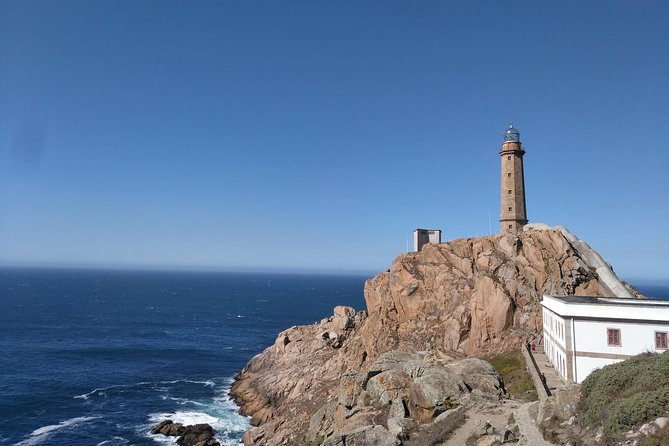
The Atlantic feels close here. This full-day trip from Santiago de Compostela takes you through Galicia’s wild western coast, linking fishing towns, Camino landmarks, sacred stones, a famous waterfall, and the so-called End of the World. I especially like the varied route, which keeps a long day from feeling like one endless coach ride, and the guides, who add local stories, legends, geography, and Camino context along the way. The main drawback is simple: with so much ground to cover, your time at some major stops, especially Cape Finisterre, can feel short.
I also like the comfort of an air-conditioned vehicle and the careful pacing. The day runs about nine hours, usually leaving around 9 a.m. and returning near 6 p.m., with time to get out, walk, take photographs, and eat lunch in Fisterra. If you want to see Finisterre and Muxía in one day without renting a car, this is a strong and fairly priced choice. If you prefer long walks, quiet contemplation, or lingering at one coastal site, the schedule may feel busy.
In This Review
- Six good reasons to consider this Costa da Morte day trip
- Why this route works after Santiago or the Camino
- Starting at Toxo Travel in Santiago
- Muros and the estuary coast
- Ézaro Waterfall, where river meets ocean
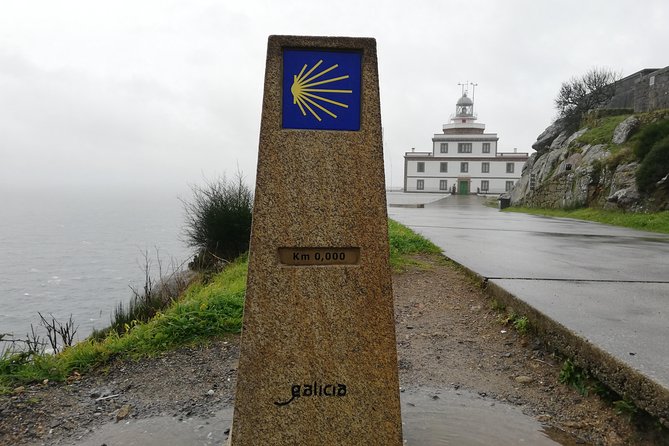
- Cape Finisterre and the meaning of kilometer zero
- Lunch and free time in Fisterra
- Muxía and the sacred stones
- Ponte Maceira and the medieval pilgrimage route
- The guides are a major part of the value
- Is $58 good value?
- What to pack and who should book
- Should you book this tour?
- FAQ
- Where does the tour start and finish?
- How long does the tour last?
- What places does the tour visit?
- Is lunch included?
- What languages are available?
- Is transportation included?
- What should I bring?
- Can I cancel the booking?
Six good reasons to consider this Costa da Morte day trip
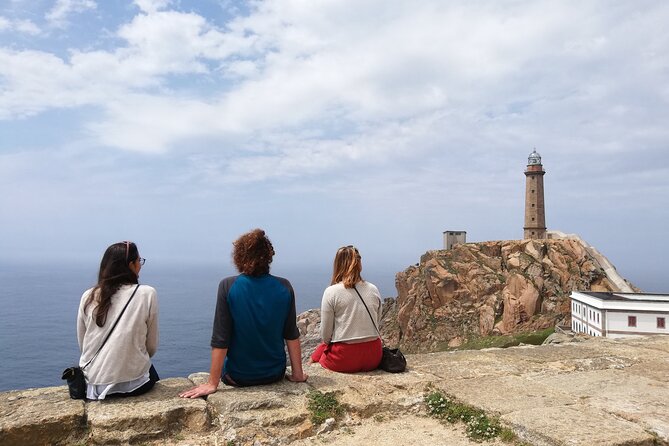
- You visit both Finisterre and Muxía, two powerful finishing points for the Camino de Santiago.
- Ézaro Waterfall drops directly toward the sea, a rare and striking sight in mainland Europe.
- Ponte Maceira combines pilgrimage, medieval stonework, and old mills in one compact stop.
- Carnota’s coast gives you broad Atlantic views, with Lira, Carnota Beach, Boca do Río, Mount Pindo, and Cape Fisterra along the route.
- The guides add real value, with English, Spanish, and Galician commentary, plus stories about local customs and legends.
- The $58 price covers transportation and guiding, making the trip good value if you want several remote places in one day.
Why this route works after Santiago or the Camino
Santiago is the natural base for exploring the far western end of Galicia, but public transport does not make every stop easy to combine in a single day. Finisterre and Muxía are separated by enough distance that independent visits require careful planning, and Ézaro, Ponte Maceira, and the coastal viewpoints add more complications.
This tour solves that problem with one vehicle and one continuous route. You can sit back between stops while your guide explains the places outside the windows. That matters in Galicia, where the scenery is part of the experience, but roads and connections can make independent sightseeing slow.
The trip is especially well suited to you if you have just completed a Camino route. Many pilgrims continue beyond Santiago toward Finisterre, traditionally linked with the end of the known world, and some continue to Muxía. This coach tour lets you experience those places without adding several more days of walking.
It also works for a first visit to Galicia. You get a broad introduction to the coast, small towns, religious sites, and local traditions without needing to understand the regional bus network. The day is long, but the regular stops help break it up.
A few more Spain trips worth a look
- Santiago: Cathedral & Museum Tour + Pórtico of Glory Option
★ 4.7 · 2,116 reviews - From Santiago: Finisterre, Muxia & Costa da Morte Excursion
★ 4.7 · 1,481 reviews - Excursion to Finisterre + Muxia + Costa da Morte (7 stops)
★ 5.0 · 1,367 reviews
Starting at Toxo Travel in Santiago
The meeting point is the Toxo Travel office at Rúa dos Bautizados, 12. The departure and return point are the same, which keeps the day straightforward if you are staying in central Santiago.
The journey takes about nine hours. That is a full day, so wear comfortable shoes and bring anything you want for a long outing. Food and drinks are not included, though there is a dedicated lunch break in Fisterra.
The vehicle is air-conditioned, clean, and comfortable according to the strongest recurring feedback. The driver also earns praise for smooth, punctual service. One useful detail is the guide’s attention to the group. A guide named Tammy described how Andrea checked on her after an extended bathroom stop, rather than simply leaving on schedule. That kind of care can make a real difference on a long group excursion.
Guides have included Andrea, Pablo, Cristian, Dani Lati Valinho, Ruben, and others. The guide language is Spanish, English, or Galician. Audio support is listed in French, Korean, and German, although one person found the sound less clear toward the back of the vehicle. If you need the audio system, sitting closer to the guide may help.
Muros and the estuary coast
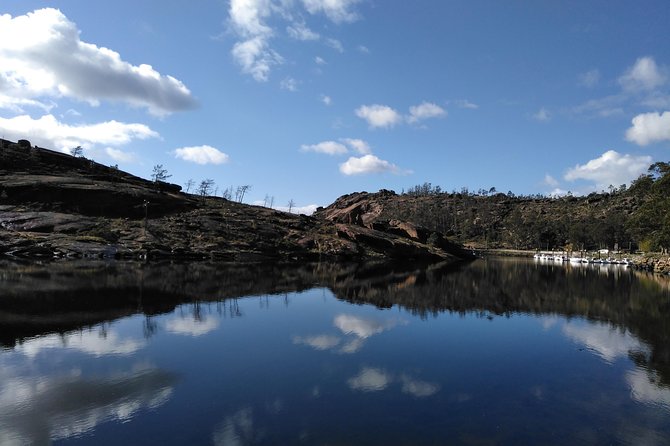
The route includes a stop in Muros, a historic coastal town beside the Muros e Noia estuary. You get about 30 minutes here, with time for a short walk, views, and a coffee tasting.
Muros works as an early introduction to the Atlantic side of Galicia. It is not a major sightseeing session, so you should think of it as a chance to stretch your legs and see a traditional coastal setting rather than a full town tour. The short stop also gives you a first look at the water and the stone-built character of the region.
This is one point where personal priorities matter. Some people will appreciate the gentle start and the chance to wander without a strict checklist. Others may prefer more time at Finisterre or Muxía. One useful criticism of the schedule is that Muros can feel less important than the later coastal sites.
The drive itself adds value. You pass through the scenery around Lira, Carnota, Boca do Río, Mount Pindo, and Cape Fisterra. You may not stop at every landmark, but the sequence helps you understand the shape of the coast and the scale of the journey.
Ézaro Waterfall, where river meets ocean
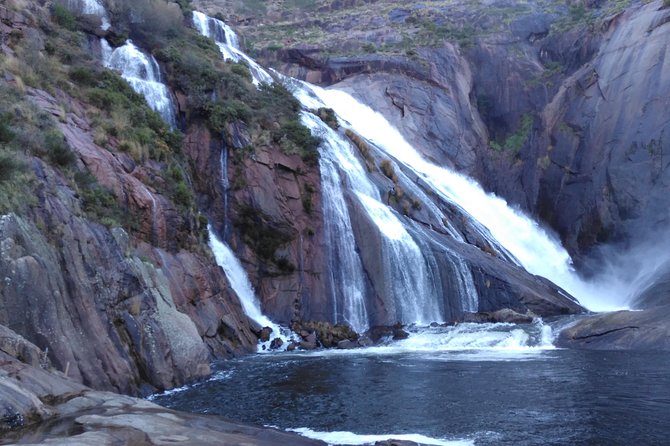
At Fervenza do Xallas, the Xallas River falls toward the sea at Ézaro Waterfall. The stop lasts about 35 minutes, enough for sightseeing and photographs.
This is one of the day’s most unusual sights. Rivers commonly reach the coast, but here the waterfall gives the meeting of fresh water and Atlantic water a dramatic form. The setting is compact, so you do not need a long hike to appreciate it.
The stop is also a good example of why a guided vehicle helps. Ézaro is not simply another attractive viewpoint. Its appeal comes from the unusual geography, and a guide can explain what makes the waterfall notable within Galicia and mainland Europe.
Road conditions can affect the schedule. In July 2023, a road problem prevented the group from seeing the waterfall. That appears to be an exception rather than the normal arrangement, but it is worth keeping in mind when you build expectations around a tightly scheduled day.
A completely different kind of day out in Santiago de Compostela:
- Finisterre and Costa da Morte: The Most Complete Tour of Santiago
★ 5.0 · 733 reviews - From Santiago: Finisterre, Muxia, Ézaro – 7 stops day tour
★ 4.6 · 553 reviews - Santiago de Compostela Cathedral and Museum Guided Tour
★ 4.6 · 511 reviews - Visit to the Cathedral of Santiago + Portico de la Gloria Option
★ 4.5 · 503 reviews
Cape Finisterre and the meaning of kilometer zero
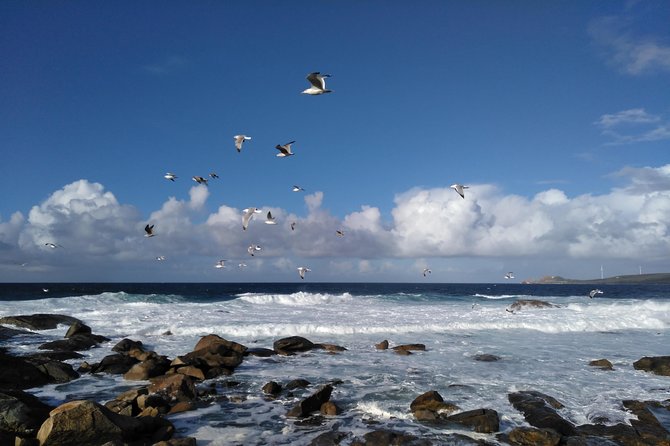
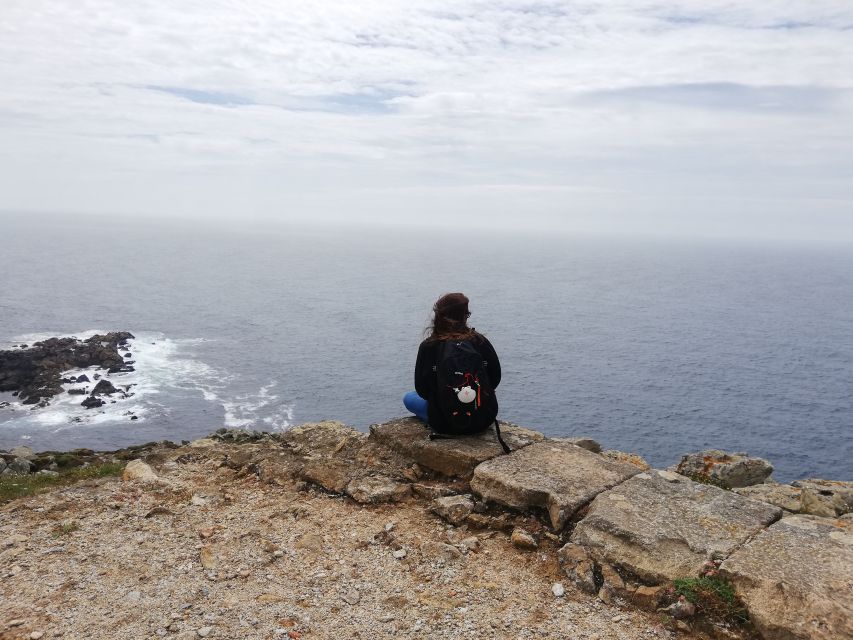
Cape Finisterre, or Fisterra, is the emotional center of the outing for many people. The name means End of the World, a fitting label for a headland facing the open Atlantic. It was once treated as the westernmost point in Europe, though that geographic claim is no longer correct.
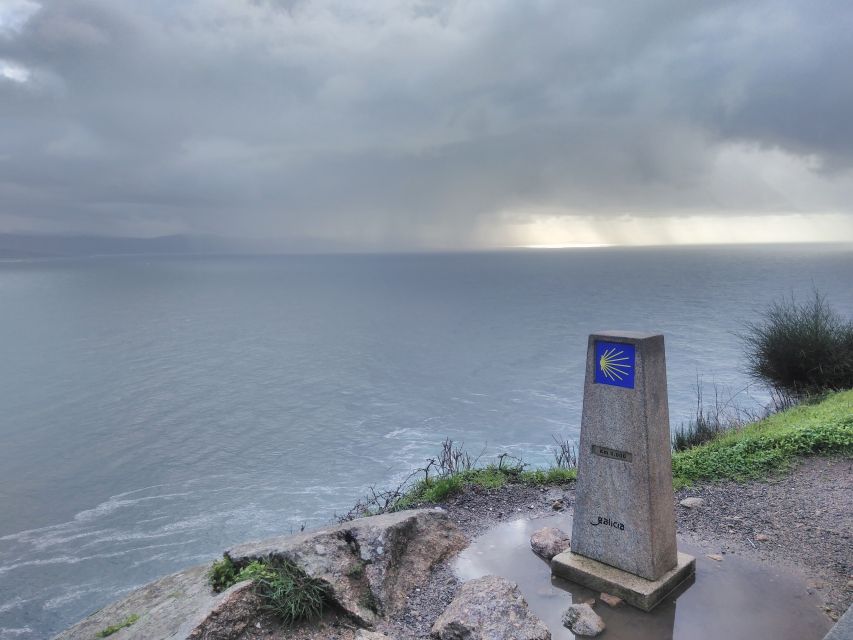
The cape stop itself lasts about 45 minutes. You can see the lighthouse area, take in the sea, and connect the place with the Camino de Santiago. Kilometer zero marks the traditional continuation of the pilgrimage beyond Santiago.
If you have walked the Camino, this stop can carry real weight. Santiago is not always the end of the journey in a pilgrim’s mind. Finisterre offers a physical endpoint, and the lighthouse gives that idea a clear visual symbol.
The time here is the biggest scheduling concern. Forty-five minutes is enough to see the main area, but not enough for a slow, reflective visit if the weather is beautiful and the coast has caught your attention. One direct suggestion is to shorten the Muros stop or lunch, if possible, and give Cape Finisterre more time.
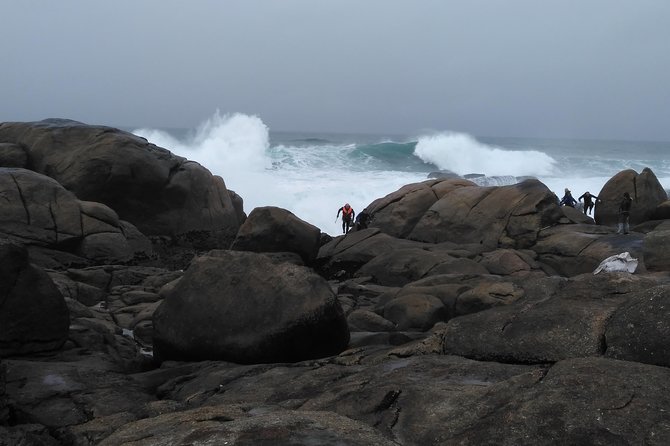
You should also expect Atlantic weather to shape the experience. On a clear day, the views can be expansive. On a misty or rainy day, the cape becomes moodier and more mysterious. The scenery may not be as visible, but the coach gives you a warm and dry base between walks.
Lunch and free time in Fisterra
The town of Fisterra is your main meal stop, with about an hour and a half for lunch and free time. Food and drinks are not included, so you pay for your own meal.
This longer pause is useful after several short stops. You can eat without rushing, walk around the fishing port, and look at the town at a slower pace. A guide may also suggest places to eat, which is helpful when you have limited time and do not want to spend half of it searching.
The trade-off is that 90 minutes is a large part of a nine-hour day. If you enjoy a proper seafood lunch and a stroll beside the port, you will appreciate the breathing room. If your priority is the lighthouse or Muxía, lunch may seem too long.
I would treat this as a flexible part of the day. You do not need to turn lunch into a major event. A quicker meal gives you more time to walk, while a slow lunch lets you enjoy the town’s everyday coastal character. The tour does not force you into a single restaurant or include a meal, so you retain that choice.
Muxía and the sacred stones
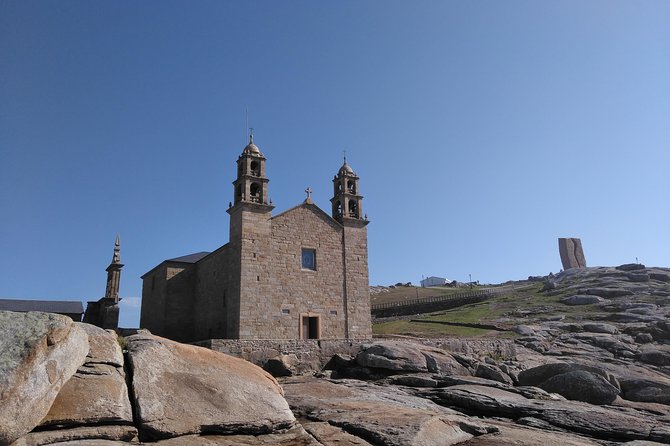
Muxía brings a different mood from Finisterre. Here, the Sanctuary of A Barca sits beside the Atlantic, with a setting tied to Galician religious tradition and local legend. The visit lasts around 40 minutes and includes guided explanation as well as free time.
The three sacred stones are a key part of the stop. They connect the sanctuary to old Galician beliefs and give the site a sense of place that goes beyond its architecture. You can listen to the explanation, then walk near the water and form your own impression of the setting.
Many people find Muxía more memorable than expected because it feels less like a simple viewpoint and more like a meeting point of faith, folklore, and sea. The Atlantic is not background decoration here. It shapes the story of the sanctuary and the identity of the town.
Forty minutes is enough to see the sanctuary and stones, but not enough to explore every corner at leisure. The schedule also makes the order of stops important. If Muxía is your main reason for booking, pay attention to the final timetable and make sure you return to the vehicle on time.
Ponte Maceira and the medieval pilgrimage route
Ponte Maceira is a small village with a medieval bridge over the Tambre River. The bridge dates from the 14th century, and the area includes picturesque old mills beside the water. The stop lasts about 25 minutes.
This is a compact but rewarding place. You can cross the bridge, look at the river, and understand why it became part of the pilgrimage route toward the western coast. The village gives the day a change of pace after the open Atlantic views.
The bridge is particularly meaningful in the context of the Camino. Pilgrims heading beyond Santiago toward Finisterre pass through this area, so Ponte Maceira links the inland pilgrimage experience with the coastal destination later in the route.
Twenty-five minutes is not a lot, but the village is small enough for a quick visit. You will want comfortable shoes because the best way to experience it is on foot, not from the vehicle. It is also a good final stop because the bridge and mills provide a calmer ending than another large coastal viewpoint.
The guides are a major part of the value
The best guides on this route do more than announce the next stop. Andrea was praised for explaining history, geography, cultures, and traditions clearly, while Pablo was singled out for making a rainy day entertaining. Cristian and Ruben also received strong praise for friendly, engaging commentary.
That matters because much of Galicia’s appeal is tied to stories that are not obvious from a quick photograph. The sacred stones at Muxía, the pilgrim connection at Ponte Maceira, and the meaning of kilometer zero all gain force when someone explains the local background.
The language setup is practical for mixed groups. Commentary is available in Spanish, English, and Galician, and the tour has audio-guide support in French, Korean, and German. A small weakness is that spoken commentary can be harder to hear from the back of the vehicle. If you want every detail, stay alert during the explanations and consider choosing a seat nearer the front when possible.
The quality of guiding may vary by departure, as it does on any group tour. Still, the repeated praise for clear explanations, good organization, and personal attention suggests that the guide is not an afterthought here.
Is $58 good value?
At $58 per person, the trip offers solid value. Transportation alone would be useful for reaching several scattered coastal sites, but the price also includes a live guide and covers a nine-hour route with multiple stops.
You are paying for access and convenience rather than luxury. Food, drinks, and personal purchases are extra. You also give up the freedom to decide how long to stay at each place. For many people, that is a fair exchange for seeing Finisterre, Muxía, Ézaro, Muros, and Ponte Maceira in a single day.
The value is strongest if you do not have a car. It is also strong if your time in Santiago is limited and you want a broad taste of the Costa da Morte. The value is weaker if you already plan to rent a car and prefer setting your own pace, particularly at Cape Finisterre.
Free cancellation up to 24 hours before departure and the option to reserve now and pay later make the booking less rigid. Check the available starting time before committing, since the activity lasts the full day.
What to pack and who should book
Wear comfortable shoes. You will have several short walks on the schedule, including at the bridge, waterfall, cape, port, and sanctuary.
Bring money for lunch and drinks since they are not included. A light rain layer is a sensible choice for the Atlantic coast, though the supplied information does not promise any particular weather conditions. The day can still be worthwhile in rain, but clear skies will give you more expansive coastal views.
I would recommend this tour to:
- First-time visitors to Galicia
- Pilgrims who have finished the Camino in Santiago
- People without a car
- Anyone who wants several cultural and natural stops in one day
- Visitors who prefer guided context to independent research
I would be more cautious if you want a long walk at Finisterre, extended time at Muxía, or a quiet day with only one or two stops. The schedule is well paced for a group outing, but it remains a group outing.
Should you book this tour?
Book it if you want an efficient, comfortable way to reach the far western coast from Santiago. The strongest reasons are the mix of scenery and culture, the reliable vehicle service, the well-regarded guides, and the chance to visit both major Camino endpoints for $58.
Before booking, decide what matters most. If your dream is a long, unhurried hour at the Finisterre lighthouse, the 45-minute cape stop may disappoint. If you want a full regional sampler with a waterfall, medieval bridge, fishing port, sacred stones, and dramatic sea views, this is a very good fit.
For most visitors with one free day in Santiago, I would book it. Just wear good shoes, keep lunch practical, and be ready to board on time after every stop.
FAQ
Where does the tour start and finish?
It starts and returns at the Toxo Travel office at Rúa dos Bautizados, 12, in Santiago de Compostela.
How long does the tour last?
The tour lasts about nine hours. A typical schedule mentioned for the trip runs from around 9 a.m. to about 6 p.m.
What places does the tour visit?
The route includes Muros, Ézaro Waterfall, Cape Finisterre, Fisterra, Muxía, and Ponte Maceira.
Is lunch included?
No. Lunch and drinks are not included. You have about 1.5 hours for lunch and free time in Fisterra.
What languages are available?
The live guide speaks Spanish, English, or Galician. Audio-guide support is listed in French, Korean, and German.
Is transportation included?
Yes. Transportation in an air-conditioned vehicle and a guide are included.
What should I bring?
Bring comfortable shoes. You should also bring money for food and drinks, since those are not included.
Can I cancel the booking?
You can cancel up to 24 hours in advance for a full refund. You can also reserve now and pay later, subject to the booking terms.
Recently added around Santiago de Compostela
- Santiago de Compostela: Massage Treatment★ 4.8 · 170 reviews
- From Santiago: Lugo & Cathedrals Beach Guided Excursion★ 4.5 · 174 reviews
- Tapas Tour of Santiago de Compostela★ 4.5 · 191 reviews
- From Santiago: Rías Baixas Galicia Seafood & Wine Day Tour★ 4.6 · 209 reviews
- Santiago de Compostela: Finisterre, Costa da Morte, Ézaro, Muros & Carnota★ 4.5 · 220 reviews
- Santiago de Compostela: Finisterre, Muxía & Costa da Morte★ 5.0 · 235 reviews
- Masaje del Peregrino★ 5.0 · 243 reviews
- Excursion to Rias Baixas with Winery – Optional mussel boat★ 5.0 · 276 reviews
Santiago de Compostela Tours, compared.
Santiago: Cathedral & Museum Tour + Pórtico of Glory Option
Read our review →
From Santiago: Finisterre, Muxia & Costa da Morte Excursion
Read our review →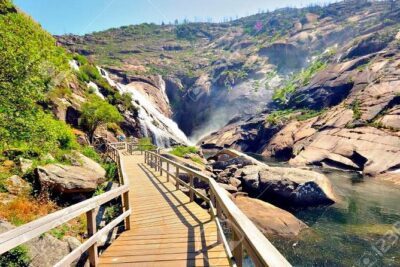
Excursion to Finisterre + Muxia + Costa da Morte (7 stops)
Read our review →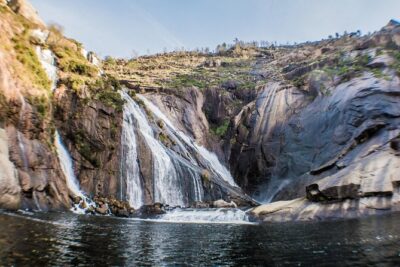
Finisterre and Costa da Morte: The Most Complete Tour of Santiago
Read our review →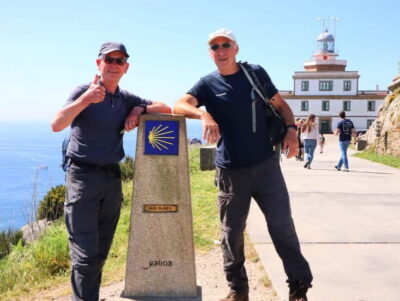
From Santiago: Finisterre, Muxia, Ézaro – 7 stops day tour
Read our review →
Santiago de Compostela Cathedral and Museum Guided Tour
Read our review →
Visit to the Cathedral of Santiago + Portico de la Gloria Option
Read our review →
From Santiago: Tour to Rias Baixas with Boat Trip and Winery
Read our review →Browse the lists this tour appears in