
Review · MUSEUMS
Santiago de Compostela Cathedral and Museum Guided Tour
Pilgrims are only part of the story. This two-hour tour pairs the Santiago de Compostela Cathedral Museum with the cathedral itself, helping you connect the art, architecture, and long pilgrimage tradition in one compact visit. For $29, you get a live guide, museum admission, and access through a separate entrance.
I especially like the clear museum-to-cathedral order, since it gives you useful background before you face the grand interior. I also like the range of languages and the chance to join a small group. The main drawback is that the experience is not suitable for wheelchair users, and large backpacks are not allowed.
The tour earns a 4.6 rating from 511 bookings, with repeated praise for guides such as Carmen, Maria, Laura, Miriam, Alberto, and Elena. That pattern matters here: this is not a silent audio walk. Your guide shapes the experience, explains the religious symbolism, and answers questions as you go.
In This Review
- Key points to know before booking
- Why a guided visit helps at Santiago Cathedral
- Starting at the Cathedral Museum
- Entering the cathedral through a separate entrance
- Saint James, the crypt, and the spiritual center
- Chapels, sacred art, and the main altar
- Codex Calixtinus, Treasury, and Chapter House
- Botafumeiro and views from the balconies
- What two hours gives you for $29
- Languages, timing, and practical preparation
- Should you book the Santiago Cathedral tour?
- FAQ
- How long does the Santiago de Compostela Cathedral and Museum Guided Tour last?
- What does the tour include?
- Does the tour include the tomb of Saint James?
- Is skip-the-line access included?
- Which languages are available?
- Can I join a small group?
- Are large backpacks allowed?
- Is the tour suitable for wheelchair users?
Key points to know before booking
- Museum first, cathedral second: You begin with art and history, then enter the recently restored cathedral with a stronger sense of what you are seeing.
- Saint James is central: The route includes the apostle’s tomb and the crypt, the spiritual focus of Santiago de Compostela.
- A serious art and architecture tour: You may see the chapels, Treasury, Chapter House, cloister, Codex Calixtinus, Botafumeiro, and balcony views, depending on the option and access on your date.
- Skip-the-line access helps: A separate entrance can save time, especially when the cathedral is busy.
- Five guide languages are offered: Tours may run in English, Spanish, Italian, Portuguese, or French.
- Pack light: Large backpacks are not permitted, and wheelchair users should choose another way to visit.
Why a guided visit helps at Santiago Cathedral
Santiago Cathedral is not hard to enter, but it is hard to understand quickly. You can walk through the naves and admire the decoration on your own, yet the meaning behind the chapels, tomb, relics, and artworks can easily blur together.
A guide gives you a thread to follow. You learn how the cathedral relates to Saint James the Great, why Santiago became one of Christianity’s major pilgrimage destinations, and how the building developed into both a place of worship and a destination for pilgrims from across Europe.
I like this approach for a first visit. You are not simply looking at carved stone and gilded decoration. You are learning how the building functions as a religious destination, an art collection, and the endpoint of the Camino de Santiago.
The strongest praise has gone to the guides’ teaching style. Carmen is repeatedly described as professional, friendly, and full of useful details. One guide, Alberto, was praised for combining art history with an explanation of the church’s importance in Spain. Elena also received warm praise for her command of architecture and her personal connection to the pilgrimage tradition.
That does not mean every tour will be identical. Your guide may be Carmen, Maria, Laura, Miriam, Betty, Alberto, Elena, or another member of the team. The consistent point is that the guide’s explanation is the main reason to pay for this experience.
More cathedral visits:
- Santiago: Cathedral & Museum Tour + Pórtico of Glory Option
★ 4.7 · 2,116 reviews - Visit to the Cathedral of Santiago + Portico de la Gloria Option
★ 4.5 · 503 reviews - Santiago de Compostela: Cathedral, Museum, and Old Town Tour
★ 4.8 · 382 reviews
Starting at the Cathedral Museum
The tour begins at the Cathedral Museum. The exact meeting point can vary according to the option you book, so check your confirmation carefully rather than assuming you will meet at the cathedral’s main doors.
Beginning in the museum is a smart choice. The cathedral can feel visually overwhelming, especially if you arrive with little knowledge of Santiago or medieval religious art. The museum gives you a setting for learning the basic story before you enter the church.
You can expect to see sacred art and objects connected with the cathedral. The guide explains important works, artistic details, and the role of the church in Santiago’s religious life. Several people who had already visited the cathedral found that the museum added meaning they had missed on earlier visits.
That is the museum’s real value. It is not simply an extra room added to the ticket. It prepares you to notice details that might otherwise seem decorative or confusing.
The museum also brings the story beyond the building itself. Your guide may explain the city’s connection to the apostle, the growth of the pilgrimage, and the cathedral’s place in Spanish religious culture. If you enjoy art, architecture, or church history, you will get more from this portion than you would from a quick walk through the cathedral alone.
The tour is not designed as a long, specialist study of every object. Two hours is enough for a strong overview, but not enough to examine every artwork at length. If you already have an academic interest in medieval art, you may want extra time at the museum after the guided portion, if access rules allow.
Entering the cathedral through a separate entrance
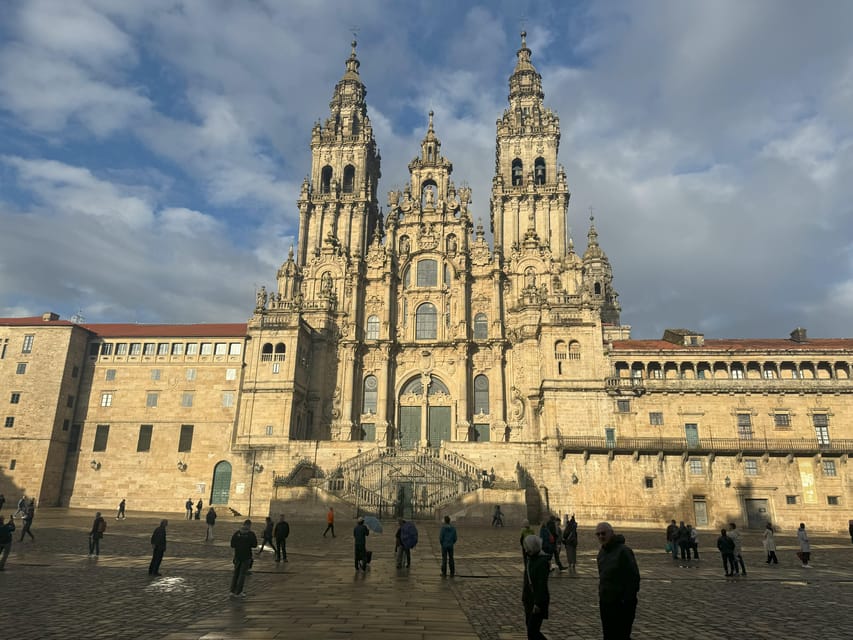
After the museum, you enter Santiago de Compostela Cathedral. The separate entrance is a practical benefit, not just a marketing detail. Lines can waste a large part of a short visit, especially when pilgrimage groups and independent sightseers arrive at the same time.
The cathedral has also undergone recent restoration, and the condition of particular spaces can change. Earlier tours took place while parts of the building were being restored, yet the museum and the guide’s explanations still made the visit worthwhile. You should keep this in mind if you are hoping to see every surface exactly as it appears in photographs.
Inside, the guide leads you through the naves and points out the structure and decoration. You will look at the chapels around the main altar, each adding another layer to the cathedral’s visual and devotional story.
The chapels are worth seeing with guidance because they can look like a single sweep of decoration when viewed from the center. A guide helps you separate the spaces, identify important art, and understand how worship and pilgrimage shaped the interior.
The tone of the visit is usually educational but not stiff. One guide was praised for using humor, while another was described as making the history personal and easy to follow. That is useful in a building with a great deal to absorb. A nonstop list of dates would make even a spectacular cathedral feel like homework.
Saint James, the crypt, and the spiritual center
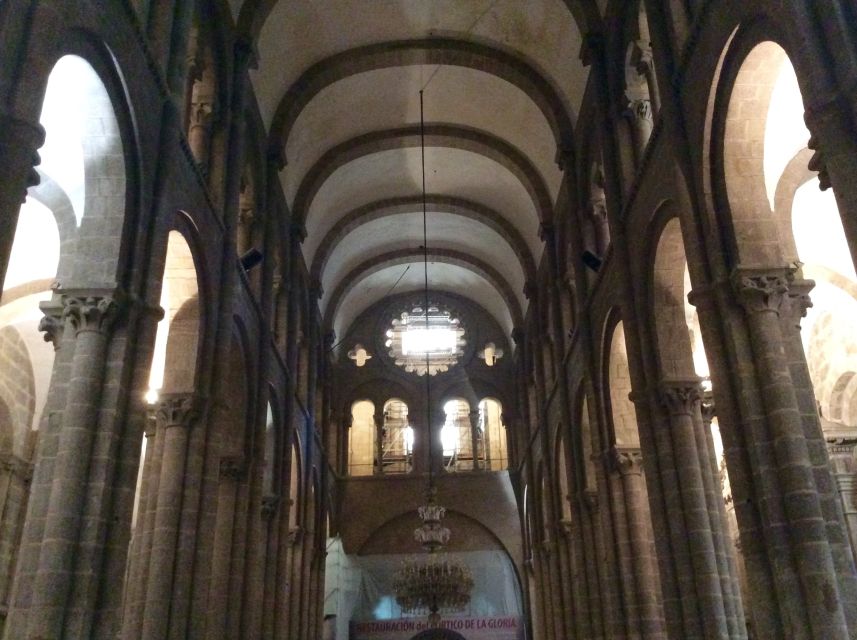
The tomb of Saint James the Great is the heart of the visit. The cathedral is reputed to hold the apostle’s remains, and pilgrims come here because of that connection. Even if you are visiting mainly for art or architecture, the tomb gives the building its purpose.
The route includes the crypt beneath the cathedral. This is an important stop because it connects the monumental church above with the burial tradition below. Your guide can explain why the crypt and tomb matter to pilgrims and how the apostle’s presence shapes the identity of Santiago.
The description also refers to embracing the Apostle Santiago. That element may involve a devotional approach to the apostle’s statue, but access can depend on current cathedral rules and conditions. Treat it as a possible part of the route rather than a guaranteed private moment.
This section can feel more personal than the museum. You do not need to be religious to understand its importance. The cathedral’s art makes more sense once you recognize that pilgrims did not come merely to admire the building. They came to reach a sacred destination.
One of the most useful guide qualities is the ability to explain this without assuming that everyone in the group shares the same beliefs. The best explanations put religious practice into historical and cultural context, allowing you to appreciate the place on your own terms.
More museums:
- Madrid: Prado Museum Entry Ticket
★ 4.6 · 17,509 reviews - Barcelona: FC Barcelona Museum “Barça Immersive Tour” Ticket
★ 4.4 · 10,944 reviews - Madrid: Reina Sofía Museum Entrance Ticket
★ 4.5 · 6,889 reviews - Barcelona: Park Güell and Gaudí House Museum Entry Ticket
★ 4.5 · 6,326 reviews
Chapels, sacred art, and the main altar
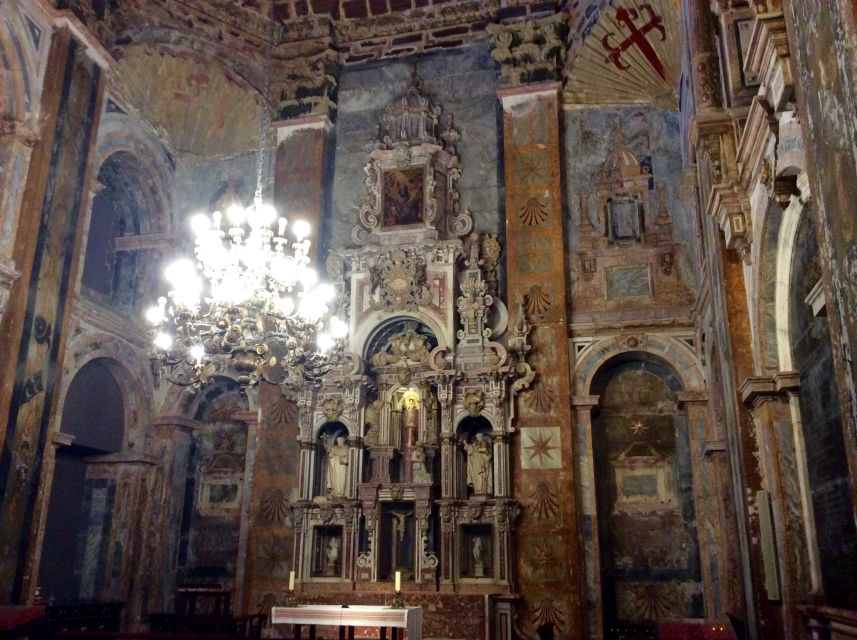
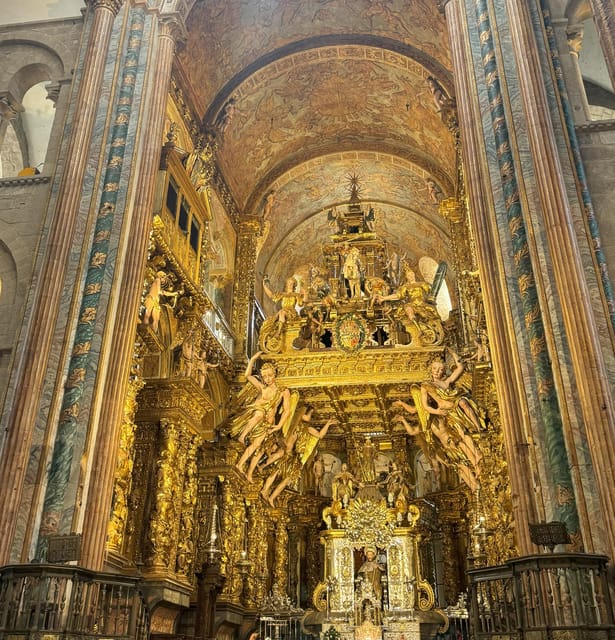
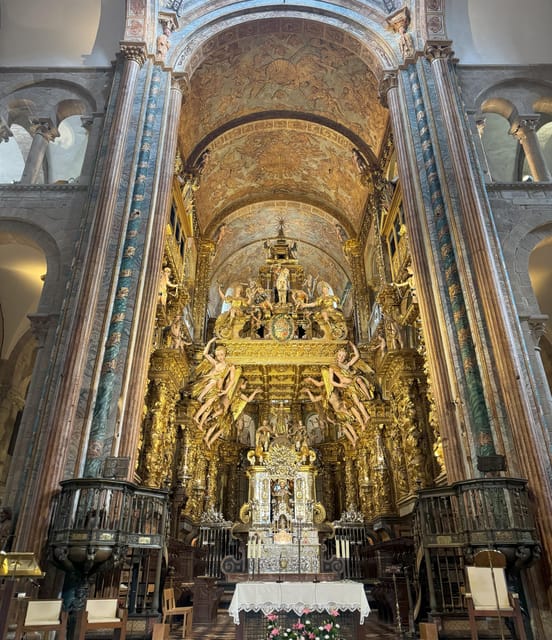
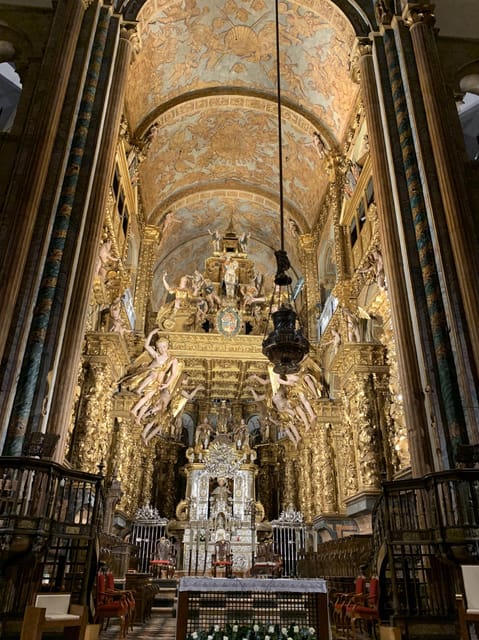
The main altar area brings together much of the cathedral’s visual drama. The tour calls attention to the decorative chapels surrounding it, along with major examples of sacred art.
I would pay close attention here rather than rushing toward the next stop. Gold, stone, sculpture, paintings, and architectural details compete for your attention. A guide can tell you where to look first and explain why a particular work matters.
The museum portion helps with this. You may already have seen related objects or learned about artistic themes before entering the church. That makes the interior feel less like a collection of beautiful surfaces and more like a connected story.
The tour is a good match for you if you like asking questions. Several guides were praised for answering questions clearly, including questions about dates, architecture, religious practice, and the city. If you prefer to wander silently at your own pace, a guided visit may feel more structured than you want.
Small groups are available, which can improve the experience. You are more likely to hear the guide and ask a question without interrupting a large crowd. Still, group size depends on the option and date, so do not assume every departure will be private or intimate.
Codex Calixtinus, Treasury, and Chapter House
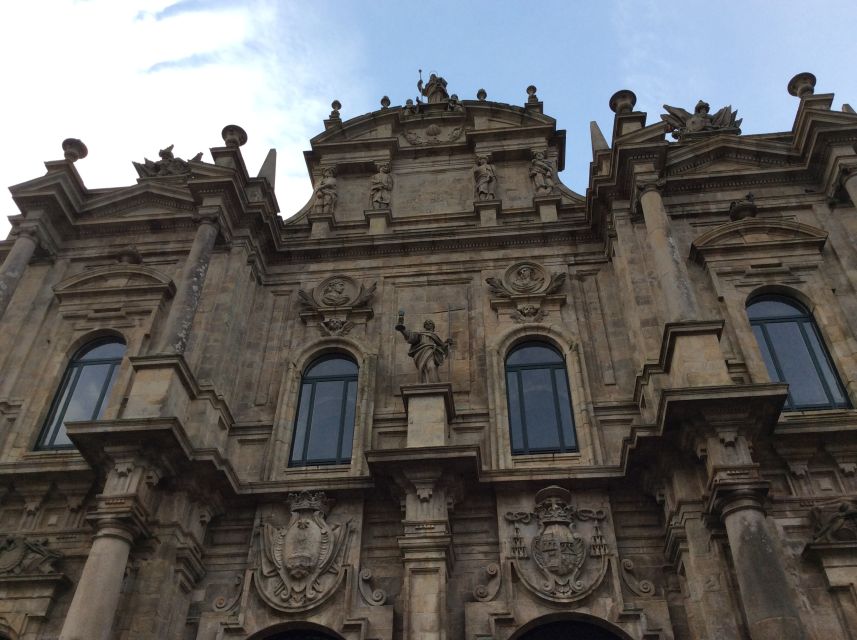
The route description includes several spaces beyond the main cathedral interior: the Codex Calixtinus, Treasury, Chapter House, and cloister. These are valuable additions because they show the cathedral as an institution, not only as a place where you look upward at a grand ceiling.
The Codex Calixtinus is especially relevant to anyone interested in the Camino. It is closely associated with the pilgrimage tradition and helps explain how Santiago’s importance was recorded and promoted. Seeing it in the context of the museum and cathedral gives the pilgrimage a human and historical dimension.
The Treasury and Chapter House add another side of cathedral life. They point to the administration, ceremony, art, and wealth required to maintain a major religious center. You may find these spaces less immediately dramatic than the main altar, but they help complete the picture.
Access to specific rooms can vary. The wording for this experience presents them as part of the extended route, yet the available spaces may depend on cathedral operations, restoration, religious services, or the option selected. Ask your guide at the beginning if one of these stops is especially important to you.
The cloister can also provide a welcome change in pace. After the busy decoration of the church, a quieter architectural space helps you notice proportion, stonework, and the way the cathedral complex fits together.
Botafumeiro and views from the balconies
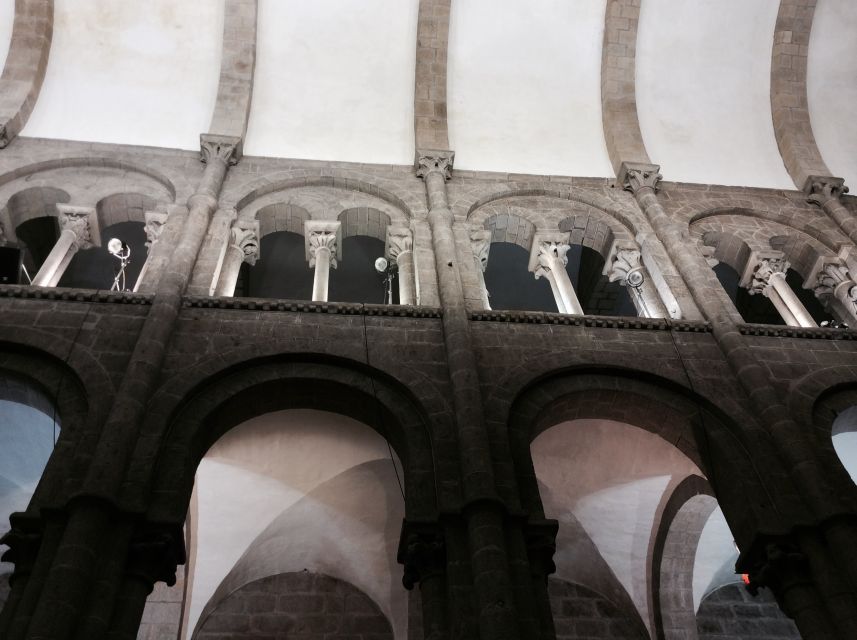
The famous Botafumeiro is another named feature of the route. This enormous incense burner is one of Santiago Cathedral’s best-known symbols, but seeing it and seeing it swing are different things. The tour description promises a chance to see the Botafumeiro, not a guarantee that it will be operating during your visit.
That distinction is important. Its use depends on religious services and scheduled occasions. You should not book this tour solely because you expect a live swinging demonstration.
The route may also include views from the cathedral’s balconies. These can offer a different understanding of the building, since you see the interior from above rather than only from floor level. Balcony access may be subject to the particular option and current access rules.
If you enjoy architecture, these higher viewpoints could be among the most useful parts of the tour. You can better appreciate the scale of the naves and how the chapels relate to the central space. If heights, stairs, or restricted access are concerns, ask before the tour begins.
What two hours gives you for $29
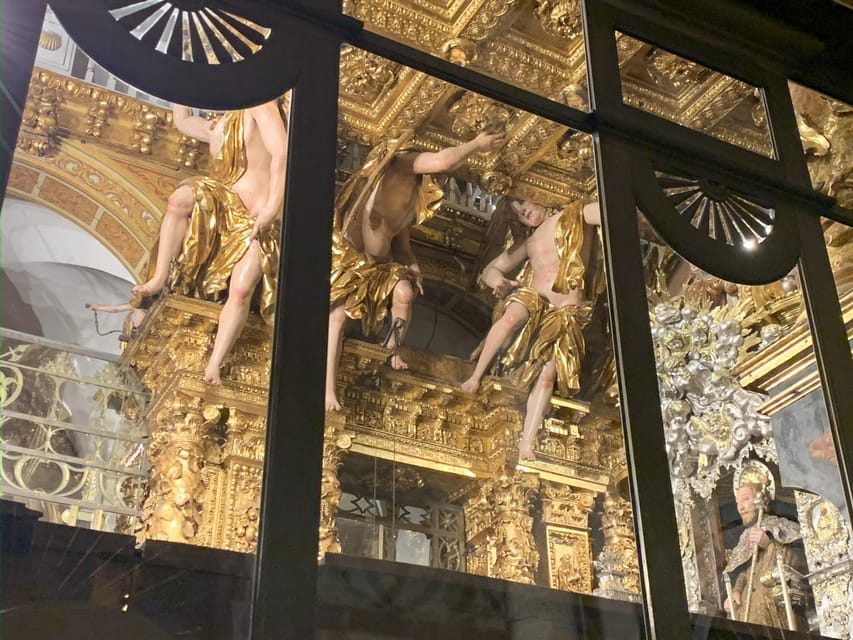
At $29 per person, this is reasonably priced for a two-hour guided visit that includes museum admission and cathedral access. The value depends on how much you want context.
If you only want to step inside, take a few photographs, and leave, you may not need a tour. If you want the tomb, chapels, sacred art, pilgrimage story, and museum to make sense together, the fee is easier to justify.
The separate entrance also matters. Time is valuable in Santiago, especially if you have arrived for a short stay or are fitting the cathedral between Camino plans, meals, and city walks. Saving queue time can make the experience worth more than the admission alone.
You are also paying for access to a guide who can explain details in real time. The strongest guide experiences described Carmen, Maria, Laura, Miriam, Alberto, Betty, and Elena as clear, friendly, and well prepared. One guide even inspired a visitor to consider walking the Camino in the future.
The main limitation is the fixed two-hour format. You will receive a broad tour rather than a slow, detailed study of every chapel and artwork. Think of it as a well-organized introduction, not a full day devoted to the cathedral.
Languages, timing, and practical preparation
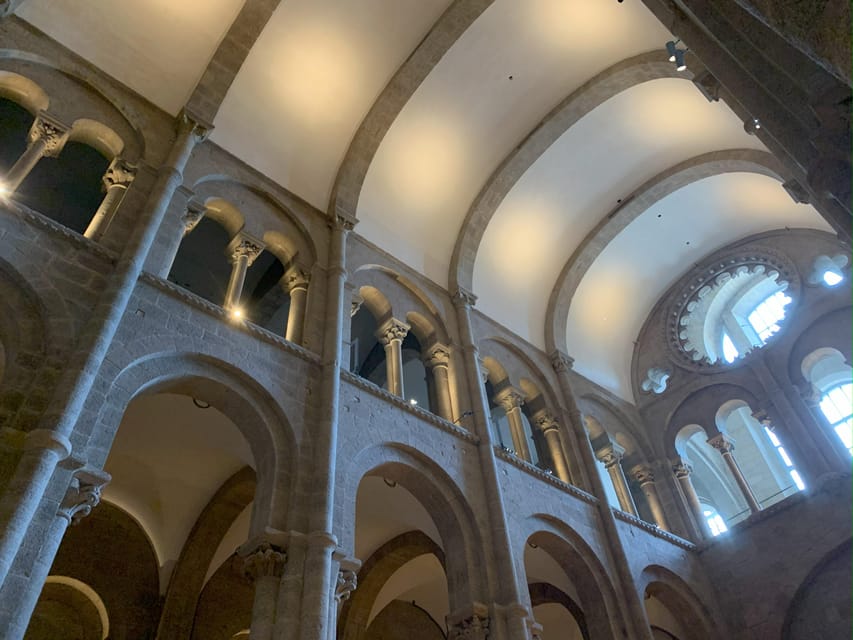
Live guiding is offered in English, Spanish, Italian, Portuguese, and French. Language availability depends on the departure you choose, so check the schedule before paying.
Starting times vary. The duration is two hours, but you need to allow extra time to find the meeting point because it can change by booking option. Arriving with a little margin is wise, particularly if you are unfamiliar with the cathedral complex.
Travel light. Large backpacks are not allowed, and this is not suitable for wheelchair users. The provided information does not describe storage arrangements, so do not assume that oversized bags can be left nearby.
Flexible booking is available. You can cancel up to 24 hours in advance for a full refund, and you can reserve now while paying later. That is useful when your Santiago plans depend on Camino arrival times, weather, or transport.
The tour is suitable for:
- First-time visitors who want the cathedral explained clearly
- Camino pilgrims who want to understand the destination they have reached
- Art and architecture fans
- People visiting Santiago for only a day
- Families and small groups who prefer to ask questions
- Anyone who finds religious buildings more meaningful with cultural context
It is less suitable for you if you need wheelchair access, carry a large pack, or want a completely independent visit with no set route.
Should you book the Santiago Cathedral tour?
I would book this tour if you want more than a quick look inside. The museum-first format, separate entrance, and focus on Saint James give you a useful way to understand the cathedral rather than simply photograph it.
The best reason to choose it is the guide. Carmen has received especially strong praise, but guides including Maria, Laura, Miriam, Alberto, Betty, and Elena have also been singled out for clear explanations and warm presentation. You cannot guarantee a particular guide unless the booking offers that choice, but the overall guide record is encouraging.
Skip it if you only want the freedom to wander, or if access needs make the route unsuitable. Also remember that the Botafumeiro, balcony views, crypt, Treasury, Chapter House, cloister, and other spaces may depend on the option and current cathedral access.
For most first visits, $29 is a fair price for two hours of focused history, sacred art, and pilgrimage context. Pack light, check the language and meeting point, and let the cathedral’s story unfold in the order it deserves.
FAQ
How long does the Santiago de Compostela Cathedral and Museum Guided Tour last?
The tour lasts two hours.
What does the tour include?
It includes a guided tour and an entrance ticket to the cathedral museum. The experience also provides access to the cathedral.
Does the tour include the tomb of Saint James?
Yes. Seeing the tomb of Saint James the Great is one of the stated highlights of the tour.
Is skip-the-line access included?
Yes. The tour uses a separate entrance for skip-the-line access.
Which languages are available?
Live tours are offered in English, Spanish, Italian, Portuguese, and French.
Can I join a small group?
Yes. A small-group option is available, depending on the booking option you select.
Are large backpacks allowed?
No. Large backpacks are not allowed.
Is the tour suitable for wheelchair users?
No. The activity is listed as unsuitable for wheelchair users.
Recently added around Santiago de Compostela
- Santiago de Compostela: Massage Treatment★ 4.8 · 170 reviews
- From Santiago: Lugo & Cathedrals Beach Guided Excursion★ 4.5 · 174 reviews
- Tapas Tour of Santiago de Compostela★ 4.5 · 191 reviews
- From Santiago: Rías Baixas Galicia Seafood & Wine Day Tour★ 4.6 · 209 reviews
- Santiago de Compostela: Finisterre, Costa da Morte, Ézaro, Muros & Carnota★ 4.5 · 220 reviews
- Santiago de Compostela: Finisterre, Muxía & Costa da Morte★ 5.0 · 235 reviews
- Masaje del Peregrino★ 5.0 · 243 reviews
- Excursion to Rias Baixas with Winery – Optional mussel boat★ 5.0 · 276 reviews
Museums, compared.
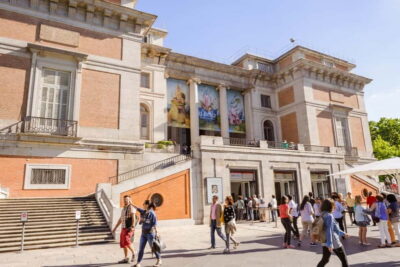

FC Barcelona Museum “Barça Immersive Tour” Ticket
Read our review →
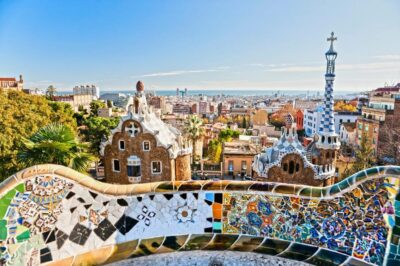
Park Güell and Gaudí House Museum Entry Ticket
Read our review →
Puro Flamenco Show with Optional Museum Ticket
Read our review →
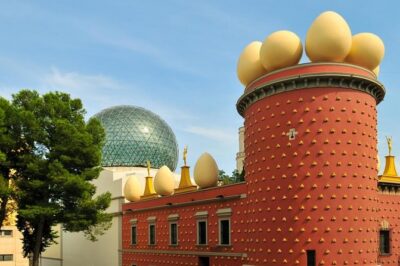
Girona & Dali Museum Small Group Tour with Pick-up from Barcelona
Read our review →
Oceanogràfic, Hemisfèric & Science Museum Combo
Read our review →Browse the lists this tour appears in