
Review · SANTIAGO DE COMPOSTELA TOURS
Finisterre and Costa da Morte: The Most Complete Tour of Santiago
The sea is the star of this long day. This 9.5-hour coach tour from Santiago takes you to Ponte Maceira, Muxía, Finisterre, Ézaro, Carnota, and Muros, linking Camino pilgrimage sites with fishing towns, waterfalls, and rough Atlantic scenery. I like the way it covers places that are awkward to reach without a car, and I like the mix of sacred sites, local customs, and ordinary coastal life.
The $59.26 price is fair for transportation, a bilingual guide, insurance, and a full day on the road. Guides such as Maria have earned especially warm praise for friendly explanations and keeping the group on schedule. The main drawback is the pace: with eight stops and a maximum group size of 55, some visits can feel brief, and much of the day passes from a coach seat.
In This Review
- Six things to know before you book
- Why this makes sense after the Camino
- Starting in Santiago at 9:00 am
- Ponte Maceira and the road toward the Atlantic
- Muxía’s sanctuary and the stones of local legend
- Finisterre Lighthouse and the end-of-world feeling
- Lunch in Finisterre village
- Ézaro Waterfall and Galicia’s older beliefs
- Carnota’s enormous hórreo
- Muros and the mussel rafts of the estuary
- How the timing feels in real life
- What the $59.26 price really buys
- Who should book this coastal day trip
- Cancellation and basic planning
- Should you book Finisterre and Costa da Morte?
- FAQ
- How long is the Finisterre and Costa da Morte tour?
- Where does the tour depart and return?
- Is lunch included in the tour price?
- Is the tour offered in English?
- What is included in the $59.26 price?
- Can I cancel for a full refund?
Six things to know before you book
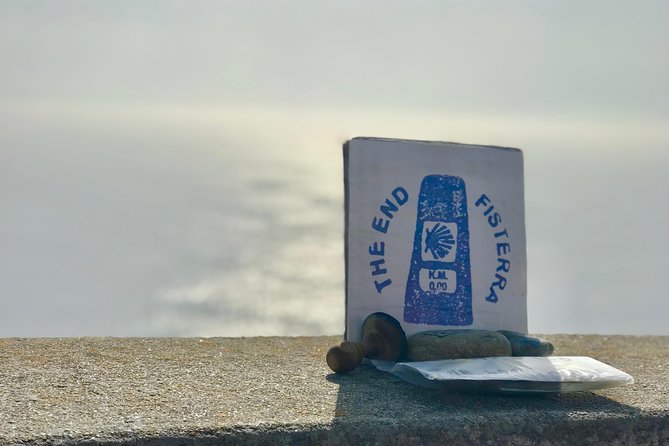
- Finisterre and Muxía carry the most meaning: Both are important places for people finishing the Camino, with strong links to pilgrimage, ocean legends, and personal reflection.
- Ponte Maceira is a small but memorable stop: Its old bridge, river views, and connection with the Finisterre route give the morning or afternoon a calmer start.
- Lunch is not included: You get free time in Finisterre village, where you can buy fish, seafood, or another local meal at your own cost.
- The route may run in a different order: The published sequence is not guaranteed, so do not plan your day around a precise stop order.
- Expect a large-group outing: The listed maximum is 55 people, and the coach may feel busy, especially at narrow roads and popular viewpoints.
- Bring a jacket and patience: Atlantic weather can turn cool and wet, and the tour may run past the advertised return time.
Why this makes sense after the Camino
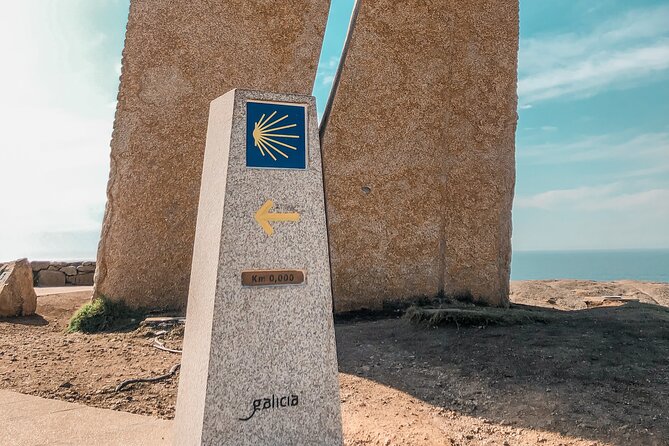
Finisterre is often called the end of the world, though the name is more poetic than geographic. For people who have just walked to Santiago, the trip west offers a fitting final chapter: the cathedral gives way to the open Atlantic, and the road follows an older pilgrimage tradition toward the coast.
Muxía adds another layer. At the Sanctuary of Virxe da Barca, the ocean is not just scenery. Local religious tradition connects the site with the arrival of Saint James, and pilgrims come to face the water, the rocks, and the stories tied to them.
I like this pairing because the two sites feel different. Finisterre is wide, exposed, and dramatic. Muxía feels more ceremonial and tied to local belief. Seeing both in one day gives the trip more substance than a quick drive to the lighthouse alone.
Still, you should know what kind of outing this is. This is not a quiet private pilgrimage or a slow food tour. It is a carefully packed day by coach, designed to show you a large stretch of Galicia in limited time.
A few more Spain trips worth a look
- Santiago: Cathedral & Museum Tour + Pórtico of Glory Option
★ 4.7 · 2,116 reviews - From Santiago: Finisterre, Muxia & Costa da Morte Excursion
★ 4.7 · 1,481 reviews - Excursion to Finisterre + Muxia + Costa da Morte (7 stops)
★ 5.0 · 1,367 reviews
Starting in Santiago at 9:00 am
The departure information points to Plaza de Galicia, with the address given as R. de Montero Rios, 2, 15702 Santiago de Compostela. The meeting details also show Plaza de Galicia, 2. Since one person had trouble finding the exact pickup spot, I would check the precise meeting instructions before leaving your accommodation.
The location is central and close to public transportation. Pickup is offered, but the standard return is to the central meeting point, not to your hotel. That detail matters if you are carrying Camino bags or hoping for a doorstep drop-off.
The air-conditioned coach is a real benefit. Galicia’s coastal roads include narrow sections and tight turns, and several people specifically appreciated the driver’s calm, careful handling. You can sit back, watch the countryside, and avoid arranging several separate buses or taxis.
The trade-off is group size. The stated limit is 55 people, which is large enough that you need to be punctual at every stop. The guide has to give instructions clearly and keep the group moving. Maria received particular praise for doing exactly that, while some English-speaking passengers found certain guides difficult to understand because of a strong accent or limited spoken English.
Ponte Maceira and the road toward the Atlantic
Ponte Maceira is listed as a 30-minute stop. The old bridge crosses the river in a peaceful setting, with stonework, water, and a village atmosphere that feels far removed from Santiago.
The bridge is described as Roman, and it is linked with the first section of the Finisterre route. Your guide may explain the legends surrounding Santiago and the route toward the coast. This stop works well as a visual introduction to the journey because it connects the Camino with Galicia’s older roads and rural communities.
Do not expect a long village visit. Thirty minutes is enough for photographs, a look at the bridge, and a short explanation. It is not enough for a leisurely walk through the area. One useful point: the company may place Ponte Maceira at the end rather than the beginning, depending on the day’s route. Some people preferred more time here and less at Muros, so keep your expectations flexible.
Muxía’s sanctuary and the stones of local legend
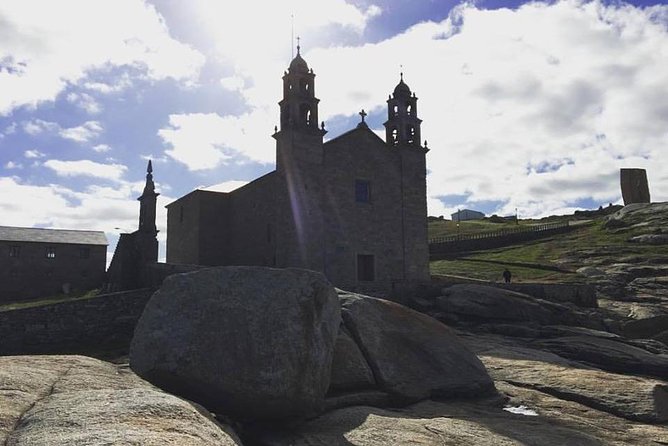
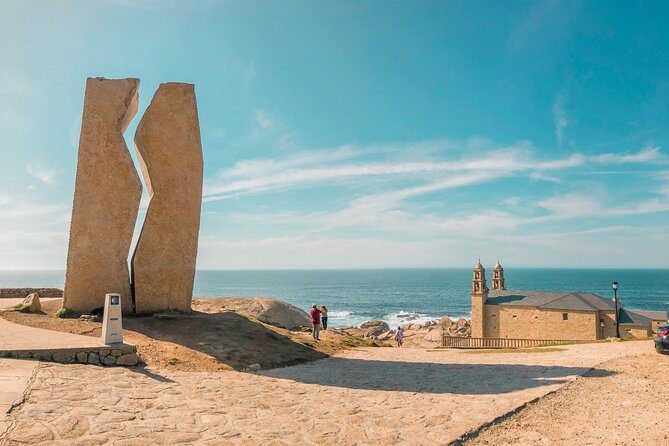
The Sanctuary of Virxe da Barca receives about 45 minutes. It sits beside the Atlantic and is one of the day’s most meaningful places, particularly if you have completed the Camino.
The setting combines a church, open sea, and large rocks connected with local traditions. The sanctuary is associated with the story of Saint James’s arrival, and your guide will explain why pilgrims come here after Santiago.
You then spend about 30 minutes with Pedra D’Abalar and Pedra Dos Cadris. These stones have long been venerated by people in Muxía and carry their own stories and rituals. The names may sound like a mouthful, but the ideas behind them are simple: stone, ocean, belief, and the desire to make sense of a powerful place.
This is a good point to listen closely rather than rush for photographs. The stones matter because of the customs attached to them, not just their shape. The exact rituals and how much detail you receive depend on the guide and the pace of the group.
Some English-speaking passengers found the commentary hard to follow. If you want the religious and cultural background, stand near the guide and ask questions directly. Guides praised by name, especially Maria, were described as willing to explain things in greater detail when asked.
A completely different kind of day out in Santiago de Compostela:
- From Santiago: Finisterre, Muxia, Ézaro – 7 stops day tour
★ 4.6 · 553 reviews - Santiago de Compostela: Finisterre, Muxia & Costa da Morte
★ 4.7 · 526 reviews - Santiago de Compostela Cathedral and Museum Guided Tour
★ 4.6 · 511 reviews - Visit to the Cathedral of Santiago + Portico de la Gloria Option
★ 4.5 · 503 reviews
Finisterre Lighthouse and the end-of-world feeling
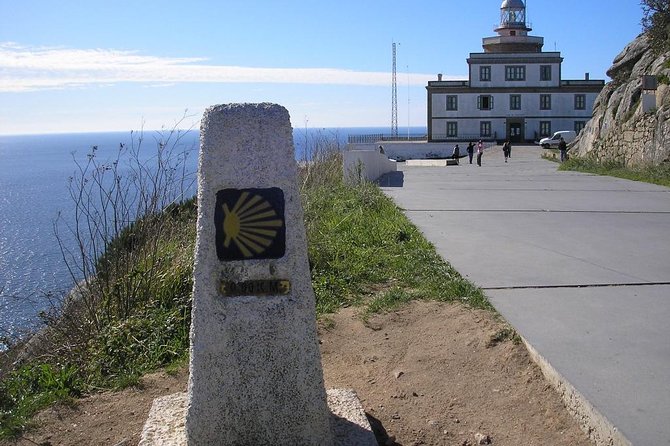
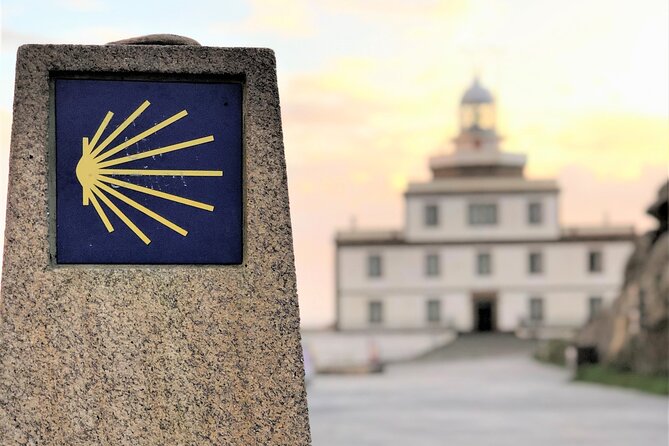
The lighthouse at Faro de Fisterra is the emotional high point for many people. The stop gives you about 45 minutes at the lighthouse area before the group goes down to the village for lunch and free time.
Here, the road reaches the rugged Atlantic edge. The view is open and thought-provoking, especially after a Camino walk. Some people come to mark the end of their journey, while others simply want to see the famous point and watch the sea crash against Galicia’s rocky coast.
The lighthouse itself is not the only attraction. The power of the place comes from the exposure, the horizon, and the idea that medieval pilgrims once saw this coast as the edge of the known world. If the weather is clear, the views can be striking. If rain and wind arrive, the experience becomes colder and less comfortable, so pack waterproof clothing even on a promising morning.
This stop can feel short. You will have time to see the main viewpoint and take pictures, but not to wander far. The coastal weather also changes quickly. A warm layer is more useful than an umbrella, especially when the wind picks up.
Lunch in Finisterre village
The tour allows about 1 hour 30 minutes in Fisterra, including the move from the lighthouse to town. Lunch is not included, so you choose and pay for your own food.
This is one of the more practical parts of the day. The village has restaurants serving fresh fish and seafood, along with other choices if you want something simpler. Several people enjoyed the meal and the chance to meet others in the group, while one person called the lunch area good and fairly priced.
The long lunch break gives your legs a rest, which is welcome after walking the Camino. It also creates a pause between the symbolic lighthouse visit and the afternoon stops.
There is a catch. If you would rather spend more time at the lighthouse or Ponte Maceira, 90 minutes over lunch may feel generous. You can use the time for a relaxed meal, but do not expect the tour to include a set menu or drinks. Alcoholic drinks are available to buy, but they are not covered in the tour price.
Ézaro Waterfall and Galicia’s older beliefs
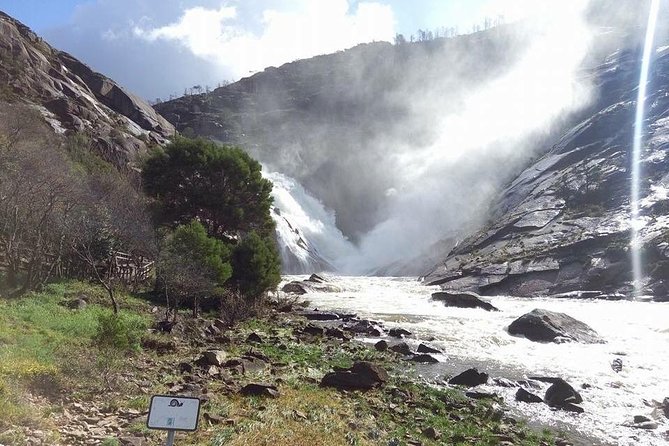
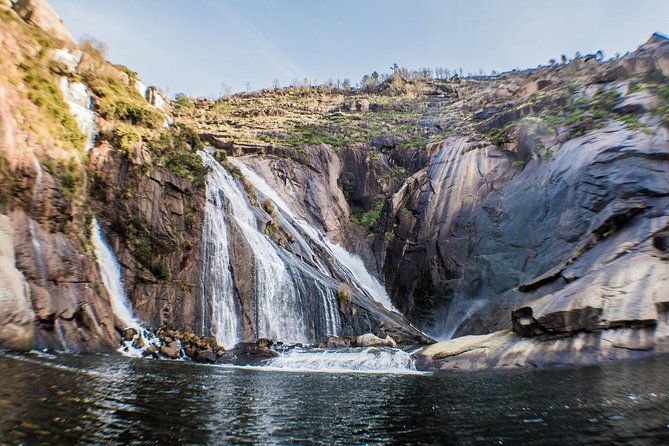
Fervenza de Ézaro receives about 40 minutes. The waterfall offers a change from the sea views, with fast-moving water and a setting tied to pre-Roman culture and local legends.
This is a useful stop because the tour is not only a succession of coastal viewpoints. You see how water shapes the region’s stories and daily life. The waterfall is a strong photographic stop, but the amount of water and the atmosphere can vary with weather.
The guide’s explanation adds value here. Without context, you see a waterfall and move on. With the local stories, the place becomes part of Galicia’s older cultural world. Again, the guide’s communication style matters. If you have trouble hearing from the back of the coach or at the viewpoint, move closer when the group gathers.
Carnota’s enormous hórreo
The Hórreo de Carnota gets about 30 minutes. Hórreos are traditional raised granaries found throughout Galicia, built to keep stored food dry and away from animals.
Carnota’s example is among the largest in the world. The structure is a useful reminder that Galicia’s identity is not only about saints and scenery. It also comes from farming, food storage, and practical village design.
Thirty minutes is enough to understand what you are looking at and take pictures. It is not a full architectural visit. I find this kind of stop worthwhile because it gives you a concrete piece of everyday Galician culture, rather than another broad view from a lookout.
Muros and the mussel rafts of the estuary
The final listed stop is Muros, with about 30 minutes to view the estuary. The area is part of Galicia’s southern estuaries, known for calm water, fishing activity, and floating platforms used to cultivate mussels, oysters, and scallops.
These platforms, called bateas, are an important clue to the region’s food economy. They help explain why seafood is such a central part of Galician cooking. The view also closes the day on a quieter note than Finisterre’s exposed cliffs.
Some people wanted more time at Ponte Maceira and less at Muros. That is fair. Muros is scenic, but 30 minutes can feel like a quick viewpoint stop rather than a proper town visit. If you want to explore streets, shops, or the waterfront slowly, this tour will not give you much freedom.
How the timing feels in real life
The schedule is ambitious. You cover a large section of the coast, stop at eight places, eat lunch, and return to Santiago in roughly nine and a half hours.
The good news is that the stops are spaced well enough to break up the coach ride. You are not sitting for the entire day. The less pleasant truth is that this remains a bus-heavy experience, and the tour has occasionally run over time.
Most people found the day organized, with enough time at each major place. Others felt the smaller stops were rushed. Your experience will depend partly on weather, traffic, group punctuality, and the order chosen that day.
I would not book this tour on the same day as a train or flight unless you leave a generous buffer. The guide may keep the group moving efficiently, but a full day on winding coastal roads cannot be timed like a city walking tour.
What the $59.26 price really buys
At $59.26 per person, the cost is strong for the coverage. You receive round-trip coach transportation, an English and Spanish guide, air conditioning, and insurance. If you tried to reach Muxía, Finisterre, Ézaro, Carnota, and Muros independently, you would need to manage several routes and still might not fit everything into one day.
The price does not include lunch, snacks, drinks, or alcohol. That is normal for this type of outing, but you should budget for a meal in Finisterre village.
The value is highest if you want maximum coverage with minimum planning. It is less attractive if you prefer long walks, quiet time, or a small private group. A coach lets you see more, but it also limits your freedom at each stop.
Who should book this coastal day trip
I would recommend it most strongly to:
- People who have finished the Camino and want to continue to Finisterre and Muxía
- First-time visitors without a rental car
- Anyone interested in Galicia’s religious traditions, local legends, seafood culture, and rural buildings
- Couples and older visitors who prefer a careful driver and organized transport
- You who want to see many major sights in one day
I would think twice if you are traveling with very young children. The day is long, the coach time adds up, and the stops are not playground-style attractions. It can also be tiring for anyone who dislikes fixed schedules.
English communication deserves a practical warning. The tour is offered in English and Spanish, and many people found the explanations helpful. But a few had trouble understanding a strong accent or wished the guide had offered more detail. If cultural background is your main reason for booking, ask questions and stay near the guide during each stop.
Cancellation and basic planning
Free cancellation is available if you cancel at least 24 hours before the start time. Changes made within 24 hours are not accepted for a refund.
The outing depends on good weather. If poor conditions cancel it, you can choose another date or receive a full refund. The same choice applies if the minimum number of participants is not reached.
Children must be accompanied by an adult, and most people can take part. Wear shoes suited to uneven outdoor surfaces, bring a waterproof layer, and carry water since food and drinks are not included.
Should you book Finisterre and Costa da Morte?
Book it if you want the broadest possible taste of Galicia’s west coast in one day. The lighthouse, Muxía sanctuary, Ézaro waterfall, Carnota hórreo, and Muros estuary create a varied route, and the coach removes a lot of transport trouble.
Skip it if you want a slow, personal visit to Finisterre, or if you need guaranteed timing and a small group. The route can change order, lunch takes time, and the full day may run long.
For most people finishing the Camino, I think it is a sensible final outing. The price is reasonable, the driver quality is a real plus, and the chance to connect Santiago with the Atlantic makes the day feel purposeful. Just arrive early at the correct Plaza de Galicia meeting point, pack for rain, and accept that seeing this much coast means moving at a steady pace.
FAQ
How long is the Finisterre and Costa da Morte tour?
The tour lasts approximately 9 hours and 30 minutes, starting at 9:00 am and returning to the central meeting point in Santiago de Compostela.
Where does the tour depart and return?
The listed meeting point is Plaza de Galicia in Santiago de Compostela, at or near R. de Montero Rios, 2 and Plaza de Galicia, 2. The tour returns to the same central area rather than providing hotel drop-off.
Is lunch included in the tour price?
No. The tour provides free time for lunch in Fisterra village, but food, drinks, and alcoholic drinks must be purchased separately.
Is the tour offered in English?
Yes. The experience is offered in English and includes an English and Spanish tour guide. The guide’s explanations may be bilingual during the day.
What is included in the $59.26 price?
The price includes transportation, an English and Spanish guide, insurance, and an air-conditioned coach.
Can I cancel for a full refund?
Yes, if you cancel at least 24 hours before the experience start time. Cancellations within 24 hours are not refunded. If poor weather or an insufficient number of participants causes the tour to be canceled, you are offered another date or a full refund.
Recently added around Santiago de Compostela
- Santiago de Compostela: Massage Treatment★ 4.8 · 170 reviews
- From Santiago: Lugo & Cathedrals Beach Guided Excursion★ 4.5 · 174 reviews
- Tapas Tour of Santiago de Compostela★ 4.5 · 191 reviews
- From Santiago: Rías Baixas Galicia Seafood & Wine Day Tour★ 4.6 · 209 reviews
- Santiago de Compostela: Finisterre, Costa da Morte, Ézaro, Muros & Carnota★ 4.5 · 220 reviews
- Santiago de Compostela: Finisterre, Muxía & Costa da Morte★ 5.0 · 235 reviews
- Masaje del Peregrino★ 5.0 · 243 reviews
- Excursion to Rias Baixas with Winery – Optional mussel boat★ 5.0 · 276 reviews
Santiago de Compostela Tours, compared.
Santiago: Cathedral & Museum Tour + Pórtico of Glory Option
Read our review →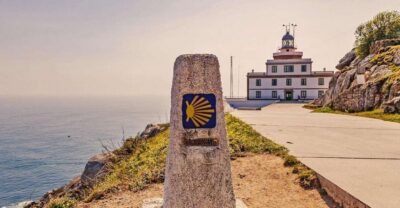
From Santiago: Finisterre, Muxia & Costa da Morte Excursion
Read our review →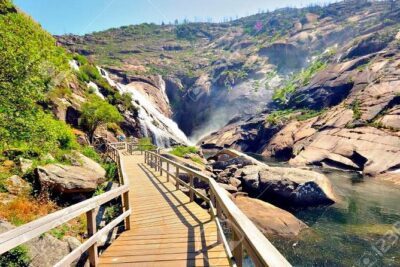
Excursion to Finisterre + Muxia + Costa da Morte (7 stops)
Read our review →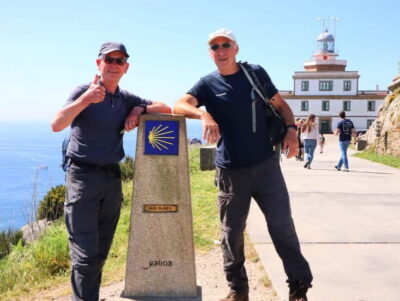
From Santiago: Finisterre, Muxia, Ézaro – 7 stops day tour
Read our review →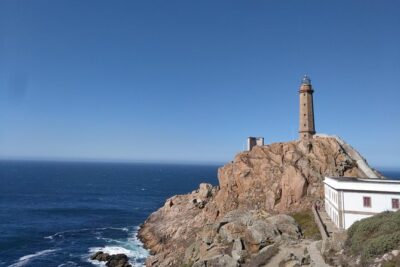
Santiago de Compostela Cathedral and Museum Guided Tour
Read our review →
Visit to the Cathedral of Santiago + Portico de la Gloria Option
Read our review →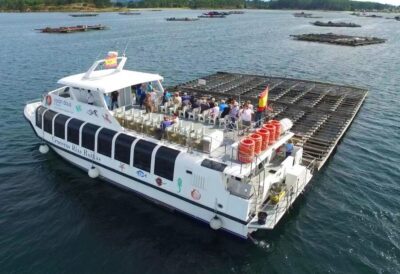
From Santiago: Tour to Rias Baixas with Boat Trip and Winery
Read our review →Browse the lists this tour appears in