

Review · HISTORICAL TOURS
Jerez: Historic Center Guided Tour
Jerez keeps its best stories around the corner. I like how this two-hour walking tour links Muslim, Christian, and older Spanish history instead of treating the city as only a sherry stop. I also like the focus on streets, churches, palaces, and façades, with an optional tasting of two Jerez wines at the end.
The main tradeoff is simple: you see the Alcázar and cathedral from outside, but admission tickets and interior visits are not included. One booking also reported a meeting problem, although another guide from the same company helped resolve it. Confirm your meeting point carefully before setting out.
The tour costs $26 per person, which is fair if you want a clear introduction to Jerez before exploring alone. Guides such as Rose, Lucia, Marta, Charo, and Maria have earned especially strong praise for lively storytelling, good English, and useful local suggestions.
In This Review
- Key points to know before booking
- Why Jerez deserves a walking tour
- Starting in Plaza del Arenal and entering San Miguel
- The Alcázar walls and the meeting of two Jerez
- San Dionisio, Jerez’s only Mudejar church
- Cathedral façades from Gothic to Neoclassical
- Squares, palaces, and the old Town Hall site
- Tartessians, Phoenicians, Romans, Visigoths, and Moors
- The optional sherry tasting and tabanco atmosphere
- How the two-hour format feels
- Is $26 good value?
- Who should book this Jerez walk?
- Final verdict: a smart first look at Jerez
- FAQ
- Where does the Jerez historic center tour start?
- How long does the tour last?
- What languages are available?
- Are tickets to the Alcázar and cathedral included?
- Is a sherry tasting included?
- Is the tour wheelchair accessible?
- Can one adult book with one child?
Key points to know before booking
- Jerez’s story reaches from the Tartessians to the Moors and beyond, giving the walk more depth than a simple sightseeing circuit.
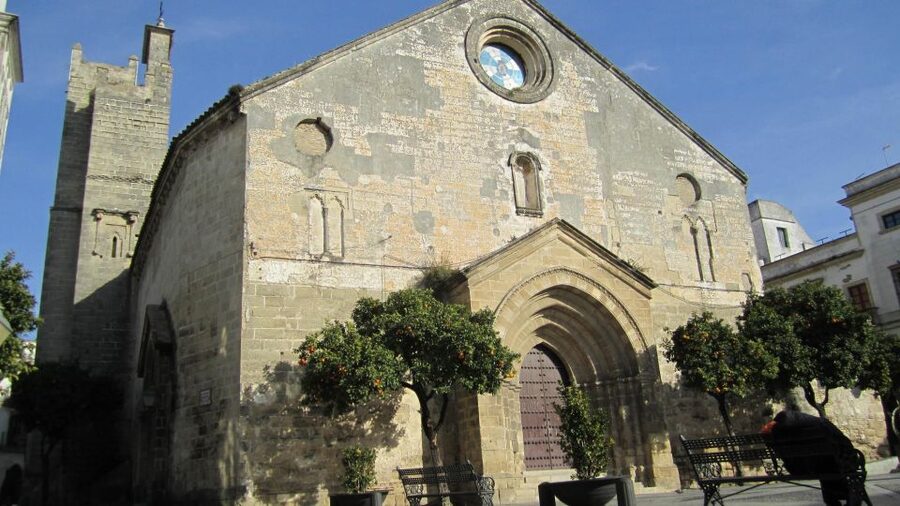
- The San Miguel quarter brings you close to Gothic church architecture and the traditional character of old Jerez.
- The Alcázar area shows the meeting of Islamic and Christian Jerez, including surviving defensive walls.
- San Dionisio is the town’s only Mudejar church, making it one of the most distinctive stops.
- The cathedral combines Gothic, Baroque, and Neoclassical work, though the tour does not include entry.
- A two-sherry tasting is available as an option, and some outings have ended in a historic tabanco with an impromptu flamenco performance.
Why Jerez deserves a walking tour
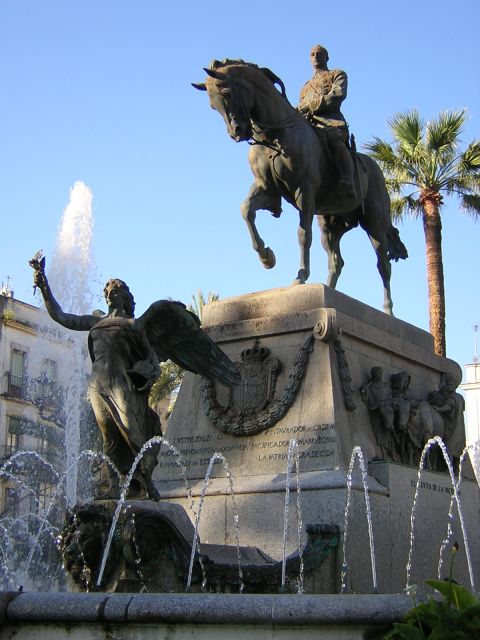
Jerez de la Frontera is easy to reduce to one word: sherry. That would miss much of the point. The city is also a place where Islamic planning, Christian power, noble palaces, religious art, and Andalusian street life sit close together.
This tour works because it gives you a timeline as you walk. You hear about the Tartessians, described as the first settlers of the area, then move through Phoenician, Roman, Visigoth, and Moorish periods before reaching Christian Jerez. The history is not presented as a list of dates. It is tied to the buildings and quarters around you.
I would book this near the start of a Jerez stay. After two hours, you should have a clearer idea of where you are, what deserves a return visit, and why sherry production became so central to the city. The walk also helps explain why Jerez feels different from nearby Cádiz, even though both belong to the province of Cádiz.
The guide is a large part of the experience. Past guides have included Rose, Rosa, Rosalba, Lucia, Marta, Charo, Maria, Rocio, Angel, and Inma. Rose was praised for fitting a great deal into two hours while keeping the walk entertaining. Lucia was especially admired for her interest in architecture and art conservation. Marta was noted for local stories and her understanding of Jerez wines.
That range matters. A walking tour can feel dry if the guide simply recites dates. Here, the strongest outings seem to bring in small details about orange trees, local bars, private houses, flamenco dancer Lola Flores, tapas, and everyday life. Those details help you see Jerez as a living city rather than an outdoor museum.
More history and heritage tours:
- Madrid Essential: Historic Center, Plaza Mayor & Royal Palace
★ 5.0 · 6,416 reviews - Barcelona: Tapas Walking Tour with Food, Wine, and History
★ 4.8 · 4,261 reviews - Sevilla Food Tour: Tapas, Wine, History & Traditions
★ 5.0 · 3,468 reviews
Starting in Plaza del Arenal and entering San Miguel
The usual meeting point is Plaza del Arenal, although it can change depending on the option you book. Arrive early and check the exact instructions, since one booking had trouble locating the guide at the appointed time. That problem was eventually helped by Lucia, who contacted the company and took the guests along with her group, but it is still a useful reminder to verify the arrangements.
From the plaza, the route moves toward San Miguel. This is one of the most important parts of the walk because the neighborhood gives you a feel for Jerez beyond its major monuments. Expect traditional architecture, narrow streets, and a strong connection between ordinary homes and grand religious buildings.
The Gothic church of San Miguel is a major visual point. Even if you do not go inside, its exterior helps explain the Christian presence that took shape after the Moorish period. A guide can point out details you might otherwise pass without noticing, including how church façades relate to the surrounding streets and older parts of the city.
This section is also a good place to ask questions. Guides have been praised for answering everything from architectural points to practical food suggestions. If you want advice on tapas or places to return later, this is the time to ask, while the route is still fresh in your mind.
The Alcázar walls and the meeting of two Jerez
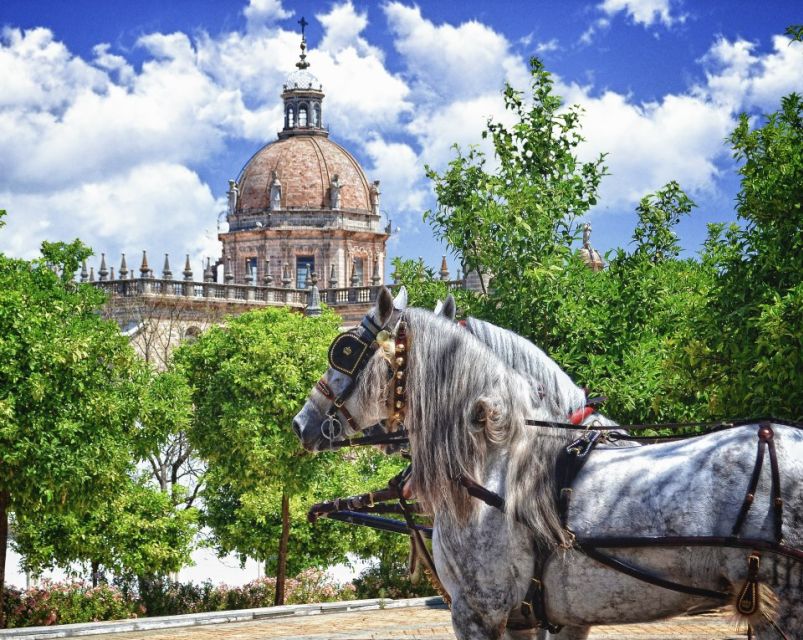
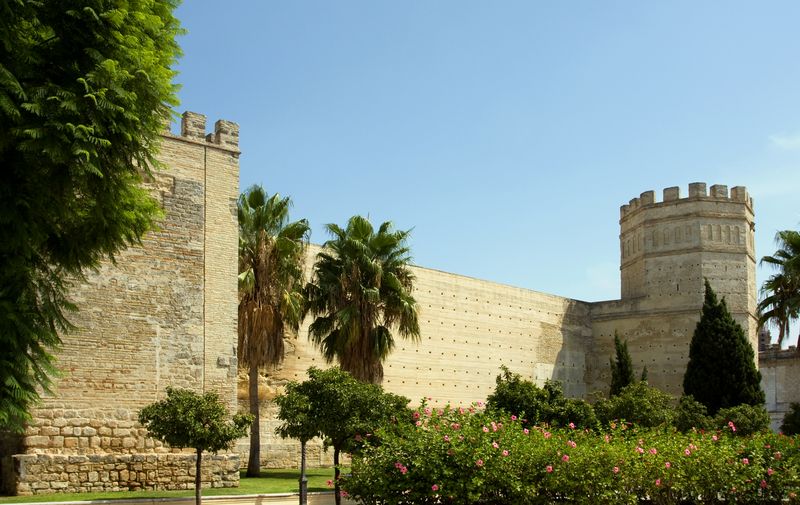
The Alcázar area gives the tour its strongest sense of time and place. Here, Islamic and Christian monuments share the same part of the old city, and the defensive wall offers a direct reminder of Jerez’s strategic past.
You will see the exterior of the Alcázar and its walls, but an inside visit is not part of the standard tour. This is important when setting expectations. The guide can explain the site and its role, yet you will need a separate ticket if you want to enter.
For many people, that outside view will be enough for a first look. The wall has more meaning once you have heard how different powers shaped Jerez. Rather than seeing a detached ruin, you begin to understand it as part of a city that changed hands, beliefs, and building styles over many centuries.
This is also where the tour makes good use of contrast. Islamic and Christian influence is not confined to separate pages in a history book. It appears in the arrangement of the old neighborhoods, the surviving walls, and the religious buildings that followed. A good guide turns that contrast into a clear story without making the walk feel like a classroom.
One limitation is that the route cannot cover every major building in detail. A two-hour circuit gives you orientation, not a full study of the Alcázar. If the fortress is your main reason for visiting Jerez, plan time for a separate interior visit.
San Dionisio, Jerez’s only Mudejar church
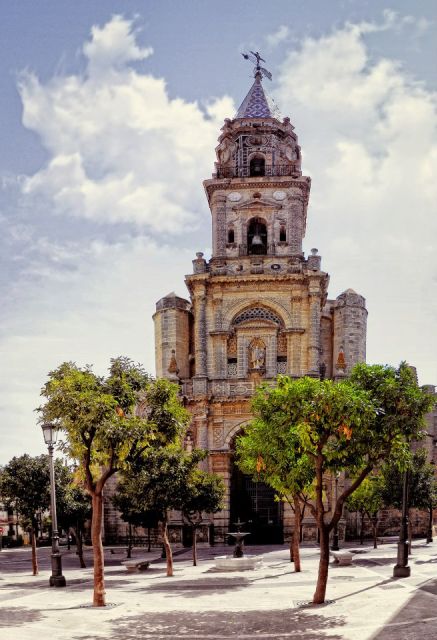
The Church of San Dionisio is one of the most unusual stops because it is described as the only Mudejar church in Jerez. Mudejar architecture reflects the work and influence of Muslim craftsmen serving Christian rulers, so the building captures the cultural overlap that shaped much of medieval Spain.
This stop gives the historical story a physical focus. You are not only hearing about the period after Christian rule returned. You are looking at a church whose style carries traces of the Muslim artistic tradition.
The tour highlights the church and its setting, but you should not assume that entry is included. Tickets and inside visits to San Dionisio, the Alcázar, and the cathedral are not covered in the tour price. The outside architecture remains worthwhile, especially for anyone interested in how styles cross political and religious lines.
I like this part of the route because it avoids the usual shortcut of treating Moorish and Christian culture as two sealed chapters. San Dionisio suggests a more complicated story, and the guide’s explanation is likely to be more useful than simply snapping a photograph and moving on.
A few more Spain trips worth a look
- Jerez de la Frontera: How the Andalusian Horses Dance
★ 4.6 · 6,168 reviews - Jerez de la Frontera: Andalusian Horse Dance and Museums
★ 4.7 · 1,289 reviews - Jerez: Yeguada de la Cartuja Carthusian Horses Tour
★ 4.8 · 970 reviews - Jerez: Royal Andalusian School of Equestrian Art Admission
★ 4.6 · 882 reviews
Cathedral façades from Gothic to Neoclassical
The cathedral provides another lesson in how Jerez grew over time. Its exterior brings together Gothic, Baroque, and Neoclassical façades, so you can read several periods of Spanish art and architecture on one major building.
You will view the cathedral from outside during this experience. The tour does not include admission, and that affects the value calculation. At $26, you are paying for the guide’s interpretation and the walking route, not a bundle of entrance tickets.
For many first-time visitors, an exterior introduction is practical. You can decide afterward if the inside deserves a return visit, rather than spending the morning moving between monuments without context. Guides have a particular advantage here because they can draw your attention to architectural details that are easy to miss.
One past participant felt the walk leaned too heavily toward religious buildings and gave limited attention to other civic sites. That is a fair caution. If your interest is mainly secular architecture, shopping streets, or food, ask the guide to include more of those subjects when possible. The tour does cover decorative squares, palaces, and the old Town Hall site, but churches receive much of the attention.
Squares, palaces, and the old Town Hall site
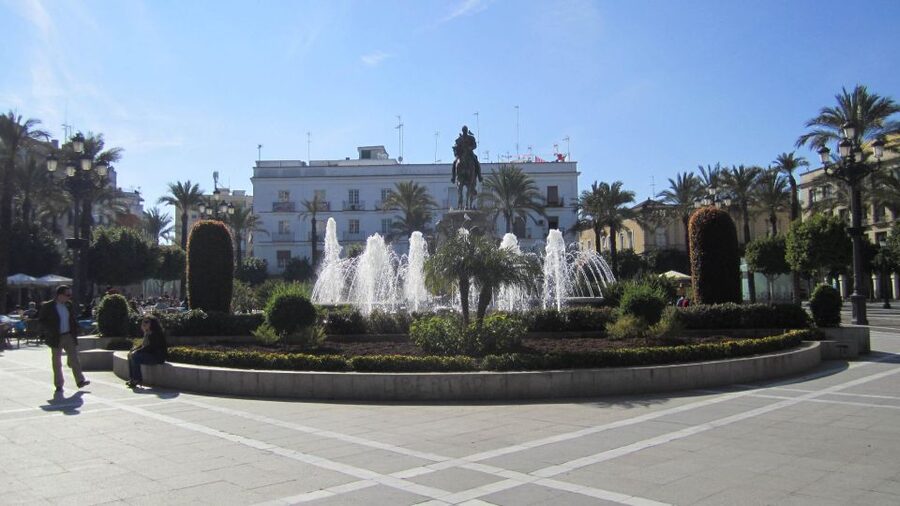
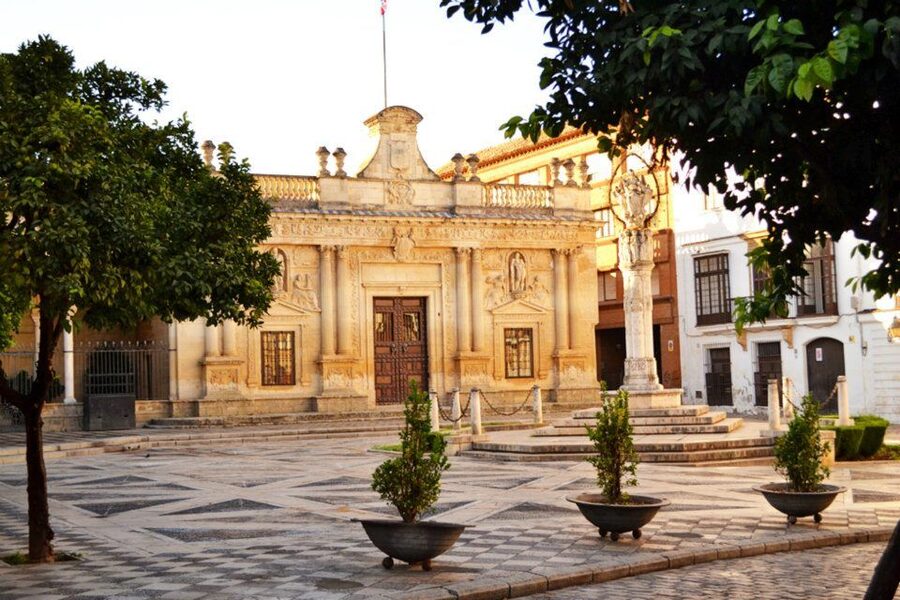
The route is not only a church-to-church walk. It also takes in decorative squares, palaces, and the site of the former Town Hall. These stops help balance the religious architecture with the civic and aristocratic side of Jerez.
Palaces and public buildings reveal how wealth shaped the old center. The tour may not take you through every interior, but the façades help you see the difference between ordinary residential streets and the homes built for powerful families.
The old Town Hall site adds another layer. It connects the walk to the city’s public life, not just its religious traditions. This is where a local guide can add useful context about how Jerez functioned as a community, rather than presenting each building as an isolated attraction.
The best approach is to treat these stops as orientation points. Note the squares and buildings you want to revisit. Several guides have also offered suggestions for cafés, bars, tapas, and cake shops, which can turn the walking tour into a useful first afternoon plan.
Tartessians, Phoenicians, Romans, Visigoths, and Moors
The historical range is ambitious for two hours. You move from the mysterious Tartessians through the Phoenicians, Romans, Visigoths, and Moors, then into the Christian periods that shaped the churches and public buildings around the center.
The value is not in memorizing every group. I would listen for the broad changes: who occupied the area, how the city developed, and which cultural marks remain visible. This makes the later stops, especially the Alcázar and San Dionisio, easier to understand.
The Tartessians are an intriguing starting point because they are attributed as the first settlers of the area. From there, the story widens to outside powers and trading cultures. The Phoenicians and Romans connect Jerez to the wider history of southern Spain, while the Visigoths and Moors help explain the transitions before Christian rule.
Guides have been praised for making this material funny and accessible. Angel was described as turning historical information into an entertaining walk, while other guides were praised for stories that made the city easier to remember. That style suits Jerez well. The city has enough layers to overwhelm you if the information is delivered without a clear route.
The optional sherry tasting and tabanco atmosphere
Jerez is one of Spain’s great sherry centers, so the optional tasting is a natural finish. You can choose a tasting of two Jerez wines, giving you a small but useful introduction to the local tradition after seeing the city that produced it.
Two samples will not explain every style of sherry, and this is not a full winery visit. Still, the tasting adds flavor to the history. You have just walked through the city, heard about its cultural changes, and then get a chance to connect Jerez with the drink for which it is best known.
Some outings have ended at a tabanco, the traditional type of Jerez bar associated with sherry. One group tasted wine in a tabanco marking its 100th year and also saw a flamenco show. Another had a flamenco performance happening during the tasting. These performances appear to be an added moment rather than a guaranteed part of every booking, so book the tour for the walk and wine, not for a promised show.
The tasting option is especially useful if you are new to sherry. If you already plan to visit a bodega, you may prefer to spend the final part of the tour on architecture or local food. Ask what is included in your selected option, since the meeting point and final details can vary.
How the two-hour format feels
Two hours is a sensible length for a first look at Jerez. It is long enough to cover San Miguel, the Alcázar area, San Dionisio, the cathedral, civic spaces, and the city’s main historical periods without taking up your whole day.
The pace should suit most people who can walk comfortably on city streets. Wear supportive shoes and bring a reusable water bottle. The tour is listed as wheelchair accessible, but an old historic center can still involve uneven surfaces or tight streets, so it is sensible to confirm current route details if access is a major concern.
A small private group is available, which can improve the experience if you want more questions and flexibility. One booking was specifically described as private and relaxed, with the guide feeling more like a well-informed local companion than a lecturer. A standard group may be better value for solo visitors or couples who want to keep the cost down.
The two-hour promise may not be exact in every case. One participant described a walk of about an hour and a half, while another wished it had lasted longer. That tells you to view the duration as an approximate framework rather than a guarantee of a full 120 minutes of continuous sightseeing.
Language choices are English, Spanish, and French. At times, the guide may conduct the visit in two languages at once, such as English and Spanish. That can slightly slow the rhythm, but it may be useful for mixed-language groups.
Is $26 good value?
At $26 per person, the tour offers reasonable value if you want local interpretation rather than simply a map-based walk. The fee covers the guide and taxes, but not monument tickets. The optional two-wine tasting may affect the final price, depending on the booking choice.
I would compare the price with your plans for the day. If you intend to visit the cathedral and Alcázar interiors separately, this tour can work as the historical introduction that makes those visits more meaningful. If you only want quick photographs of the outside, you may find it more than you need.
The strongest value comes from the guides. Names such as Lucia, Rose, Marta, Charo, Maria, and Rosa appear repeatedly in positive feedback for their storytelling, clear English, local warmth, and interest in Jerez. A great guide can point out the difference between architectural periods, explain why an old quarter developed as it did, and suggest where to eat afterward.
The main weakness is the limited scope. One participant found it too focused on religious sites, and a two-hour route cannot give every palace, square, and monument equal time. You are buying a well-shaped introduction, not an exhaustive city tour.
The booking terms are traveler-friendly. You can cancel up to 24 hours beforehand for a full refund, and the reserve-now, pay-later option keeps your plans flexible. The tour requires at least two adults, and a booking with one adult and one child is not allowed.
Who should book this Jerez walk?
I would recommend it to first-time visitors who want to understand Jerez before choosing which buildings, bodegas, bars, or museums to visit next. It suits history fans, architecture lovers, people curious about the Moorish and Christian past, and anyone who wants a gentle introduction to sherry culture.
It is also a good fit if you enjoy asking questions. The best guide accounts describe friendly conversations, practical food advice, local anecdotes, and explanations that connect the city to the rest of Andalucía.
You may want something else if your priority is a long Alcázar visit, a full cathedral tour, a dedicated sherry-bodega experience, or a guaranteed flamenco show. Those are separate interests, and this walk only touches some of them.
Final verdict: a smart first look at Jerez
Book this tour if you want the old center to make sense. The route brings together San Miguel, the Alcázar walls, San Dionisio, the cathedral, palaces, squares, and the long sequence of cultures that shaped Jerez.
The two-wine tasting is a useful bonus, especially if it takes place in a traditional tabanco. Just remember that flamenco is not guaranteed, monument interiors cost extra, and the walk may focus more on religious architecture than on secular sights.
At $26, this is a sound choice for a first visit, particularly when you can join a strong local guide such as Lucia, Rose, Marta, Charo, or Maria. Check the meeting point, wear good shoes, and use the tour as a starting map for the rest of your time in Jerez.
FAQ
Where does the Jerez historic center tour start?
The usual meeting point is Plaza del Arenal, but the exact location may vary depending on the option you book. Check your booking details before arriving.
How long does the tour last?
The advertised duration is two hours. Some past outings have lasted about an hour and a half, so allow a little flexibility in your schedule.
What languages are available?
The live guide service is available in English, Spanish, and French. Some visits may be conducted in two languages at the same time, such as English and Spanish.
Are tickets to the Alcázar and cathedral included?
No. Tickets and inside visits to the Alcázar and cathedral are not included in the tour.
Is a sherry tasting included?
A tasting of two Jerez wines is available as an option. Check that you select the tasting option when booking.
Is the tour wheelchair accessible?
The activity is listed as wheelchair accessible. If you have specific access needs, confirm the current route details before booking.
Can one adult book with one child?
No. The tour requires a minimum reservation of two adults, and a booking with one adult and one child is not allowed.
Recently added around Spain
- Half-Day Luxury Catamaran Sailing Cruise in Granada★ 5.0 · 165 reviews
- Jeep Safari to Teide and Masca★ 4.5 · 165 reviews
- Madrid: Thyssen Museum Guided Tour with Skip-the-Line Entry★ 4.5 · 165 reviews
- Visit in Spanish to the Cathedral Mosque. Does not include entrance ticket★ 5.0 · 165 reviews
- Canyoning in Andalucia: Rio Verde Canyon★ 5.0 · 165 reviews
- Guided Tour to Caminito del Rey from Malaga★ 4.5 · 165 reviews
- VIP Private Segway Tour of Palma★ 5.0 · 165 reviews
- Las Palmas: Private Old City Guided Walking Tour with Tapas★ 4.6 · 166 reviews
Historical Tours, compared.
Madrid Essential: Historic Center, Plaza Mayor & Royal Palace
Read our review →
Tapas Walking Tour with Food, Wine, and History
Read our review →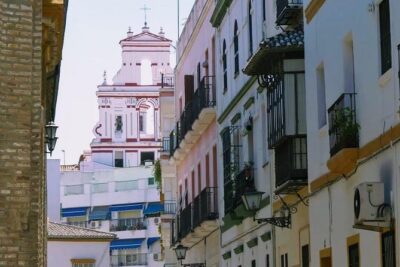
Sevilla Food Tour: Tapas, Wine, History & Traditions
Read our review →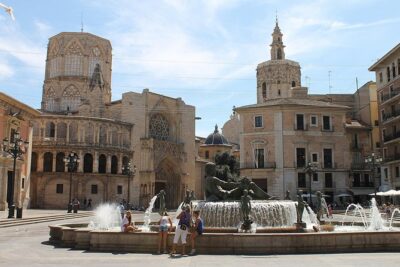
Valencia Old Town Tour with Wine & Tapas in 11th Century Historic Monument
Read our review →
Barcelona Tapas Walking Tour: Food, Wine & History
Read our review →
Ultimate Seville Tapas, Wine & History Small Group Tour
Read our review →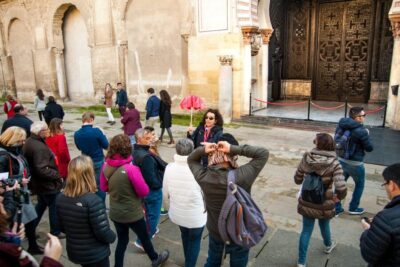
Skip-the-Line Great Mosque-Cathedral History Tour
Read our review →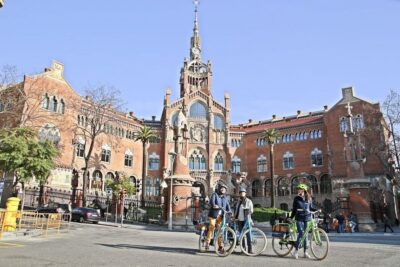
Browse the lists this tour appears in