
Review · MUSEUMS
Jerez de la Frontera: Andalusian Horse Dance and Museums
Horses turn dressage into theater. At Jerez de la Frontera’s Royal Andalusian School of Equestrian Art, you’ll see white Andalusian horses perform a polished ballet to Spanish music, then explore museums, gardens, stables, and historic carriages. I especially like the close look at training and tack and the way the 90-minute show connects Spanish tradition with serious horsemanship. The main drawback is that some seats can be uncomfortable, and the grounds require a little planning if you want to fit in every museum before closing.
At $38 per person, this is strong value for a half-day in Jerez. You are not paying only for a performance: the ticket can include the audio-visual presentation, palace and gardens, Art Equestrian Museum, Saddlery, Carriage Museum, and the show itself. I would allow the full 3.5 hours, arrive early, and bring your passport or ID card for the ticket exchange.
In This Review
- What makes this Jerez experience special
- Arriving at the Royal Andalusian School
- The palace, gardens, and first impressions
- Watching the horses train before the show
- The Art Equestrian Museum and Saddlery
- The Carriage Museum before the arena
- The 90-minute Andalusian horse ballet
- Seating, heat, and practical comfort
- Is the $38 price worthwhile?
- Who should book this experience?
- Should you book the Andalusian Horse Dance?
- FAQ
- How long does the experience last?
- How much does the experience cost?
- Where do I exchange my ticket?
- What identification should I bring?
- Is the venue wheelchair accessible?
- Can I take photographs or record video?
- When is the horse show held?
- Are the palace and Saddlery open every day?
What makes this Jerez experience special
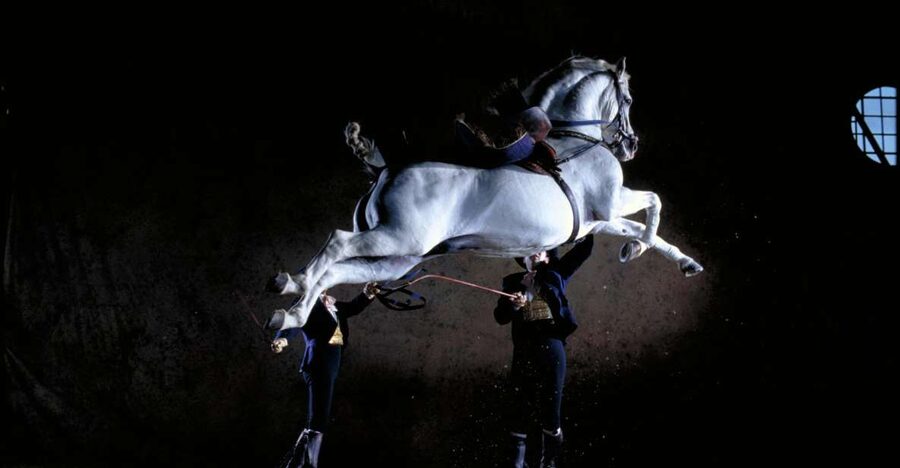
- Six to eight choreographies: See passages, piaffes, pirouettes, Spanish walks, Pas de Deux work, carriage driving, and more.
- A working equestrian school: The training areas and stables can be as interesting as the formal show, especially if you enjoy watching horses being groomed and schooled.
- Andalusian tradition: The riding draws from classical dressage, Doma Vaquera, traditional farm work, and Spanish performance culture.
- Three useful museum stops: The Art Equestrian Museum explains the horse in Andalusia, while the Saddlery and Carriage Museum show the tools behind the display.
- Beautiful setting: The visitor center leads into gardens, with the 19th-century palace rising above them.
- Good half-day value: The activity lasts about 3.5 hours and costs $38, a reasonable price for a show plus several cultural visits.
Arriving at the Royal Andalusian School
Your first stop is the ticket office at the Royal Andalusian School, where you exchange your ticket for admission. The arrival process is generally straightforward, with clear signage reported at the entrance, but you should not treat the visit as a quick walk-in attraction. The site has several parts, and the opening hours do not all match.
The school is about a 10-minute taxi ride from Jerez train station. It is also possible to walk from central Jerez, though the exact route and starting point will affect the timing. One visitor walked back to the station in about 25 minutes after the show. From Cádiz port, a taxi takes roughly 30 minutes, which makes this a practical shore excursion if your schedule leaves enough room.
Driving requires more care. Parking can be difficult, and fines apply on nearby streets. I would use a taxi or arrange parking in advance rather than lose time circling the school.
The entrance is through the Visitor Reception Centre. Before 11 a.m., you can see an audio-visual presentation about the development of equestrian art in Andalusia and the history of the school. This is more than filler before the horses appear. It gives you useful context for the costumes, riding styles, and formal exercises you will see later.
More horse riding:
- Jerez de la Frontera: How the Andalusian Horses Dance
★ 4.6 · 6,168 reviews - El Salobre: Horse Riding Adventure with Transfer Options
★ 4.5 · 1,609 reviews - Jerez: Yeguada de la Cartuja Carthusian Horses Tour
★ 4.8 · 970 reviews
The palace, gardens, and first impressions
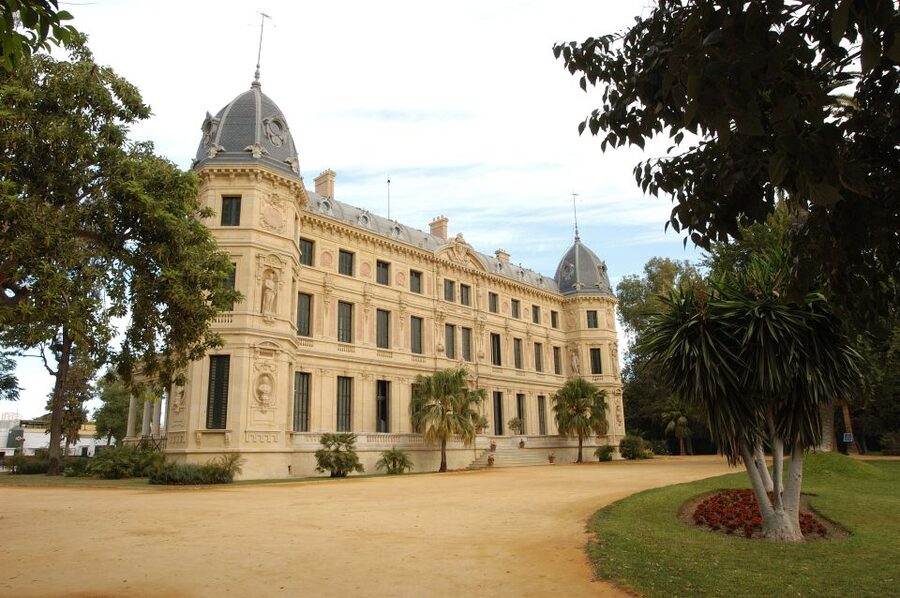
From the visitor center, you enter gardens filled with exotic plants. The setting gives the visit a calm start, especially before the noise and energy of the arena. Above the gardens is the school’s 19th-century palace, an elegant building that helps explain why this feels like a cultural institution rather than a standard animal show.
The palace is included, but it is closed on Saturdays and public holidays. The same restriction applies to the Saddlery. Check the schedule before you go if those two parts matter to you.
I recommend taking your time here instead of rushing straight to the arena. The grounds, palace, training areas, and museums help you see the school as a place where horses are bred, trained, presented, and cared for. The actual performance is the main event, but the surrounding spaces make it more meaningful.
Watching the horses train before the show
The training areas are one of the most appealing parts of the visit. Depending on the day and access arrangements, you may see young riders working with horses, horses warming up, or grooms preparing them for the performance. This less polished setting offers a better sense of the daily discipline behind the graceful show.
You may also see the horses in the stables and observe grooming. Several visitors found this close contact especially memorable because it showed the care and pride taken in preparing the animals. If you have an interest in horses, I would value this part almost as much as the arena performance.
The optional behind-the-scenes training experience is worth considering if it is available with your booking. One visitor specifically wished they had paid extra for the after-show training portion, while others described watching the horses school before the show as a highlight. The standard visit still provides access to important parts of the school, but the extra training component may suit serious horse enthusiasts.
Access and directions around the school can be less clear once you leave the main entrance. One visitor had trouble finding the museum after being directed along the main street. Follow signs carefully, allow extra time between sections, and ask staff for directions before walking away from the main complex.
The Art Equestrian Museum and Saddlery
The Art Equestrian Museum occupies 11 rooms in the basement. It traces the origins and development of equestrian art and explains the horse’s role in Andalusia. Film clips and written displays help connect the school’s modern performances with older riding traditions.
The museum has information in both Spanish and English, making it useful even if you do not read Spanish. You will see how riding developed as both practical work and formal art, which helps you understand why the performance includes more than standard dressage movements.
The Saddlery is another worthwhile stop. This is where harnesses are made and repaired, giving you a practical look at the equipment required for riding and carriage work. The craftsmanship is easy to overlook during the arena show, so seeing the saddlery helps you notice the details later.
The Art Equestrian Museum is open from 10 a.m. to 2 p.m. The Saddlery is closed Saturdays and public holidays. If you want to see the audio-visual presentation, museum, palace, and show, plan the order carefully. The timetable favors an early arrival.
Photography is restricted. The stated rules prohibit cameras and video recording, along with smoking, pets, glass objects, weapons, and sharp objects. Some past visitors report being allowed to take photos during the show without flash, but you should not count on photographing the museums, carriages, or horses. The no-camera rule can be frustrating when you see beautiful carriages and costumes, but it also keeps the visit quieter and more focused.
More museums:
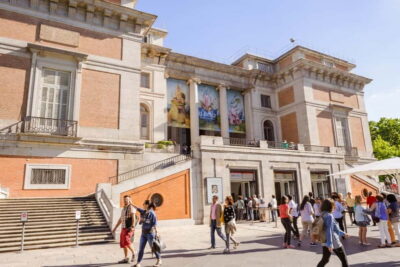
- Madrid: Prado Museum Entry Ticket
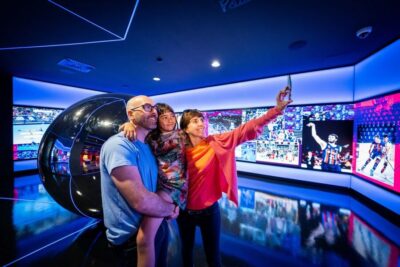
★ 4.6 · 17,509 reviews - Barcelona: FC Barcelona Museum “Barça Immersive Tour” Ticket
★ 4.4 · 10,944 reviews - Madrid: Reina Sofía Museum Entrance Ticket
★ 4.5 · 6,889 reviews - Barcelona: Park Güell and Gaudí House Museum Entry Ticket
★ 4.5 · 6,326 reviews
The Carriage Museum before the arena
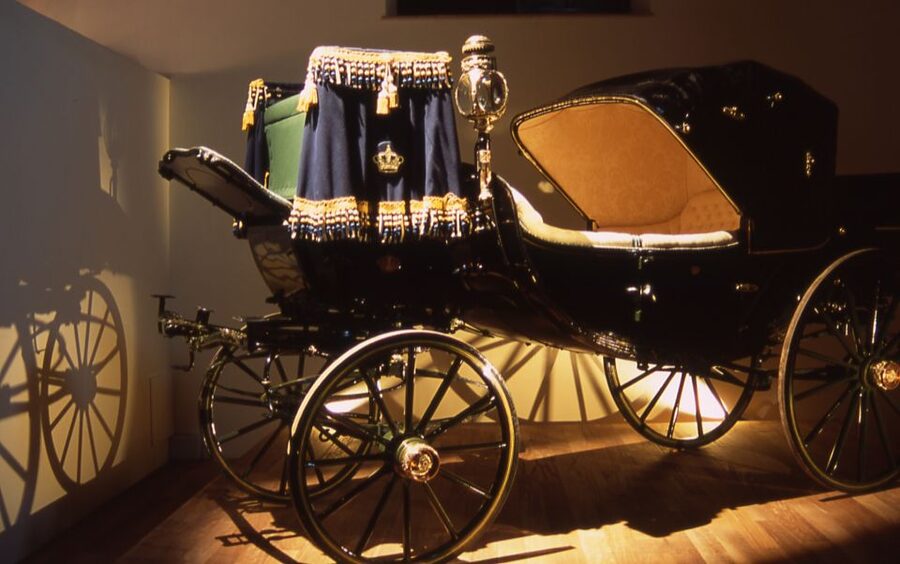
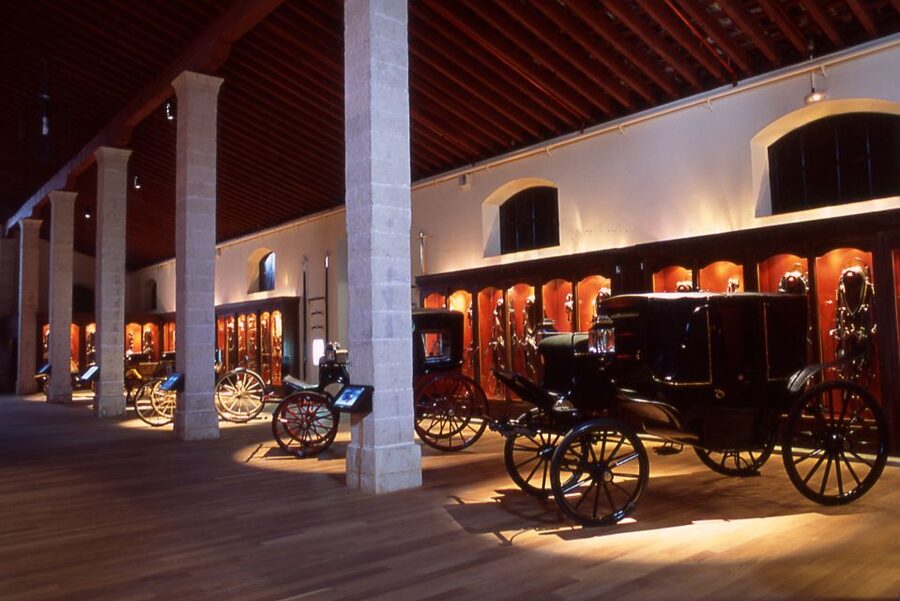
The Carriage Museum is a fine final stop before or after the performance. It displays vehicles once used for transportation and now used for sport and exhibitions, along with harnesses and equestrian costumes. The collection gives you a closer look at the equipment needed to control a carriage team and present it in public.
The museum is open from 10 a.m. to 3 p.m., so it has the broadest visiting window of the main collections. I would not leave it until the last minute. The souvenir shop may close before you expect, and the entire site can begin winding down after the afternoon program.
The carriage collection is also a good reminder that this school is not focused only on riding. The show includes driven carriages, coachmen, classical harnesses, and precise team movements. Watching those skills after seeing the vehicles in the museum creates a satisfying link between object and performance.
The 90-minute Andalusian horse ballet
The show runs from noon to 1:30 p.m. and usually contains six to eight choreographies. Spanish music, 18th-century-style costumes, and the formal arena create a theatrical setting, but the skill on display is highly technical.
The program can include The Colts, Airs on Horseback, Pas de Deux, Passage and Piaffe, Domino on Horseback, Airs Above the Ground, and Fantasy. The exact sequence may vary, but you can expect a mixture of solo work, pairs, groups, and carriage driving.
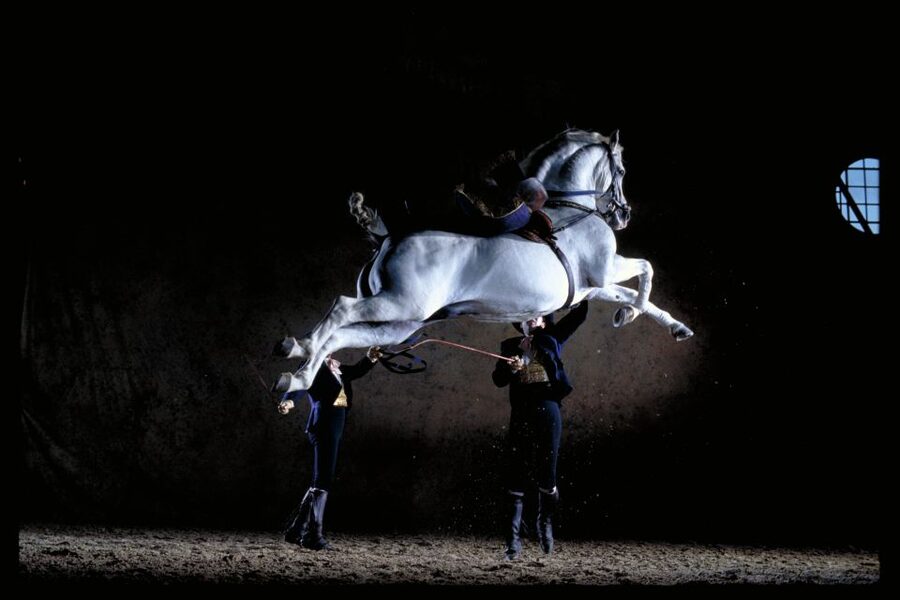
The horses perform advanced classical dressage exercises to music. Watch for the piaffe, a controlled elevated trot performed almost in place; the passage, a more flowing suspended trot; and the Spanish walk, in which the horse lifts its front legs with striking precision. Other Haute École movements can include levades, caprioles, courbettes, and piaffe between pillars.
A Pas de Deux pairs two horses and riders in coordinated movement. The effect is graceful, but the real achievement is timing. The horses must respond to subtle signals while keeping position and rhythm with another pair.
The higher airs are more dramatic. Levades, courbettes, and caprioles require strength, balance, and exact training. You do not need to know dressage terminology to enjoy them, but the movements are more impressive when you understand that these are not simple tricks. They are controlled exercises demanding trust between horse and rider.
The show also draws on Doma Vaquera, the working riding style associated with Spanish rural life. Traditional equestrian chores and bullfighting-related visual elements may appear in the presentation. This gives the performance a distinctly Andalusian character, even if you have seen similar classical horse shows elsewhere in Europe.
The final group performance brings horses and riders together for advanced exercises in unison. It is an effective ending because you see the full range of control, rhythm, and formation in one sequence.
Seating, heat, and practical comfort
The performance is polished, but comfort depends on your seat and the weather. One visitor found the seats extremely uncomfortable, while another praised the legroom and clear views from every seat. The safest conclusion is that visibility is generally good, but seating comfort is not guaranteed.
Andalusia can be very hot. A show day in September reached 37 C, and riders and horses needed water afterward. Bring water if permitted, wear light clothing, and take the heat seriously when planning the time spent outdoors in the gardens and training areas.
There is a snack bar with reasonably priced drinks and snacks. It is useful after the show, especially on a hot day, though the coffee shop selection may be limited. The shop has attractive souvenirs and equestrian goods, but it may close earlier than expected, so visit it before you assume you will have time later.
The site is wheelchair accessible. You should still allow extra time for moving between the different buildings and outdoor areas, since the attraction covers several sections rather than one compact room.
Is the $38 price worthwhile?
At $38 per person, I consider this a good-value cultural experience if you plan to use the included admissions. The show alone is the main reason to come, but the museums and grounds turn it into a substantial half-day rather than a 90-minute spectacle.
The value is strongest for horse lovers, families, and anyone interested in Spanish traditions. Children can follow the movement and music even without understanding dressage, and young children have been captivated by the horses. The museums are more useful for older children and adults who enjoy history, design, or craftsmanship.
The value is weaker if you only want a quick photo opportunity. Photography is restricted, some museums close earlier than others, and the show requires you to fit your day around a fixed noon performance. You also need to be comfortable with a formal presentation that celebrates traditional riding styles rather than offering a casual encounter with horses.
The ticket includes free cancellation up to 24 hours before the activity and a reserve-now, pay-later option. Those terms are useful when you are arranging a packed Andalusian itinerary, but the bigger planning issue is transport. If you are returning to Seville by train, buy your return ticket ahead of time. Afternoon services can sell out, leaving you with a long wait after the show.
Who should book this experience?
I would choose this for anyone who loves horses, classical dressage, Spanish culture, or carefully staged live performance. It is also a strong choice for a day in Jerez when you want more than a winery visit or a walk through the old center.
Horse professionals and experienced riders will notice the training, signals, carriage work, and demanding exercises. Beginners can simply enjoy the beauty, music, costumes, and precision. The museums make the visit worthwhile even if you know little about horses.
I would hesitate only if you dislike scheduled shows, have trouble sitting for 90 minutes, need extensive photography, or have very little time in Jerez. In those cases, the fixed timetable and camera restrictions may outweigh the benefits.
Should you book the Andalusian Horse Dance?
Yes, if you can spare the half-day. The performance is the clear highlight, but the palace grounds, training areas, Art Equestrian Museum, Saddlery, and Carriage Museum explain what you are seeing and why it matters.
Arrive early for the audio-visual presentation, check which buildings are open on your date, and plan your ride back before the crowd leaves. If you love horses, consider adding the behind-the-scenes training option. At $38, this is one of the more memorable ways to experience Andalusian culture in Jerez, provided you treat it as a full visit rather than just a show.
FAQ
How long does the experience last?
The listed duration is 3.5 hours. The horse show itself runs from noon to 1:30 p.m., with time before and after for the museums, gardens, palace, visitor center, and other facilities.
How much does the experience cost?
The price is $38 per person.
Where do I exchange my ticket?
Go to the ticket office at the Royal Andalusian School of Equestrian Art when you arrive.
What identification should I bring?
Bring your passport or ID card.
Is the venue wheelchair accessible?
Yes, the experience is listed as wheelchair accessible.
Can I take photographs or record video?
The stated rules prohibit cameras and video recording. Some information about the show has indicated that non-flash photography may be allowed in the arena, but you should follow the rules given at the venue and not plan on taking photos inside the museums.
When is the horse show held?
The included show takes place from noon to 1:30 p.m. Starting times can vary, so check availability for your selected date.
Are the palace and Saddlery open every day?
The palace and Saddlery are closed on Saturdays and public holidays. The Art Equestrian Museum is open from 10 a.m. to 2 p.m., and the Carriage Museum is open from 10 a.m. to 3 p.m.
Recently added around Spain
- Half-Day Luxury Catamaran Sailing Cruise in Granada★ 5.0 · 165 reviews
- Jeep Safari to Teide and Masca★ 4.5 · 165 reviews
- Madrid: Thyssen Museum Guided Tour with Skip-the-Line Entry★ 4.5 · 165 reviews
- Visit in Spanish to the Cathedral Mosque. Does not include entrance ticket★ 5.0 · 165 reviews
- Canyoning in Andalucia: Rio Verde Canyon★ 5.0 · 165 reviews
- Guided Tour to Caminito del Rey from Malaga★ 4.5 · 165 reviews
- VIP Private Segway Tour of Palma★ 5.0 · 165 reviews
- Las Palmas: Private Old City Guided Walking Tour with Tapas★ 4.6 · 166 reviews
Museums, compared.
FC Barcelona Museum “Barça Immersive Tour” Ticket
Read our review →
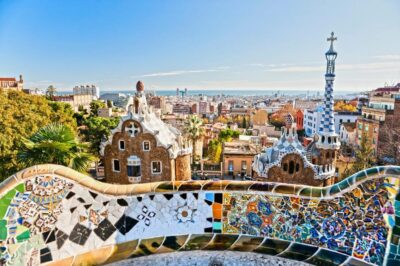
Park Güell and Gaudí House Museum Entry Ticket
Read our review →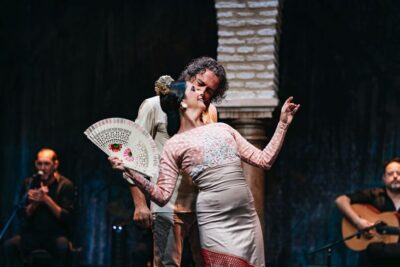
Puro Flamenco Show with Optional Museum Ticket
Read our review →
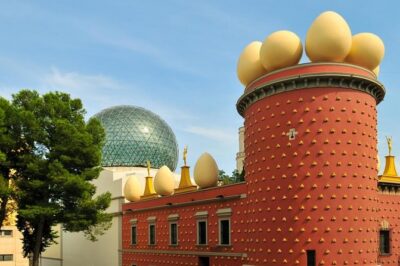
Girona & Dali Museum Small Group Tour with Pick-up from Barcelona
Read our review →
Oceanogràfic, Hemisfèric & Science Museum Combo
Read our review →Browse the lists this tour appears in