

Review · HOP-ON HOP-OFF BUS TOURS
City Sightseeing Barcelona Hop-On Hop-Off Bus Tour: 24 or 48-Hour
Barcelona rewards a good first look. This open-top, double-decker bus gives you a broad view of the city without sending you underground on the metro. I like the 360-degree views and the freedom to hop off at major sights such as Sagrada Familia, Park Güell, Montjuïc, and the Gothic Quarter. I also like having two routes on one pass, which makes it easier to cover far-flung parts of town.
The main drawback is traffic. A loop advertised at about 120 minutes can take much longer on a crowded day, and some stretches are quicker on foot. Finding the correct starting stop at Plaça de Catalunya can also be confusing, especially since different bus services operate around the square.
This is best used as a sightseeing tool, not as a fast city bus. Ride one full route first, note the places you want to explore, then use your pass to return to those stops.
In This Review
- Key points before you board
- What the Barcelona bus tour is really good at
- Starting at Plaça de Catalunya
- The red route from Gaudí to the waterfront
- Passeig de Gràcia and Casa Batlló
- Sants and Plaça d’Espanya
- CaixaForum, the Mies van der Rohe Pavilion, and Poble Espanyol
- Museu Nacional d’Art de Catalunya and the Olympic Ring
- Joan Miró Foundation and Montjuïc Cable Car
- Miramar, Costa i Llobera, and the World Trade Center
- Columbus Monument, La Rambla, and the history museum
- Port Olímpic and Barcelona’s beaches
- Forum, Diagonal Mar, Poblenou, and Glòries
- Sagrada Familia and Arc de Triomf
- The blue route toward Park Güell and Pedralbes
- Casa Batlló and La Pedrera
- Sant Pau Recinte Modernista
- Park Güell
- Tramvia Blau and Tibidabo
- Sarrià and Pedralbes Monastery
- Palau Reial and the FC Barcelona stop
- Diagonal, Francesc Macià, Eixample, and Sant Antoni
- How to make the 24 or 48 hours count
- Audio, Wi-Fi, staff, and comfort
- Who should book this bus tour?
- Should you book City Sightseeing Barcelona?
- FAQ
- How long does the Barcelona hop-on hop-off tour take?
- Is the ticket valid for 24 or 48 hours?
- How many routes are included?
- What time does the first bus depart?
- What time is the last bus?
- Are attraction entry tickets included?
- Can I use a mobile ticket?
- Does the bus run every day?
Key points before you board

- Two routes cover two different Barcelonas: The red route links Montjuïc, the waterfront, beaches, Glòries, and Sagrada Familia, while the blue route reaches Park Güell, Tibidabo, Sarrià, Pedralbes, and Camp Nou.
- The top deck is the star: You get open-air views and better photo angles, but wind, rain, and cold can make it uncomfortable.
- A full loop takes time: The stated tour duration is 120 minutes, but traffic can stretch the red route to two and a half hours.
- Audio comes in 16 languages: Headphones are provided, and onboard Wi-Fi is included. The narration is useful for orientation, though some find it brief.
- The 48-hour pass offers better value: It gives you time to ride both routes and still stop at several attractions instead of rushing through the city.
- The coupon book can reduce the cost: More than 200 euros in advertised discounts are included, though the value depends on which attractions you actually use.
What the Barcelona bus tour is really good at
Barcelona is spread out. The Gothic Quarter, Gaudí’s major buildings, Montjuïc, the waterfront, Park Güell, and the football stadium do not sit in one easy walking circuit. The bus connects them in a way that is simple to understand, even if it is not always quick.
I especially like this tour for a first day in the city. You can sit through a complete circuit, hear basic commentary, and see how the major districts fit together. After that, you can choose where to spend your limited time.
The open top makes a real difference. From the upper deck, you can look above street-level clutter and get clear views of façades, church towers, Olympic buildings, and the hills. It is also much easier to take photographs than from a subway carriage.
The trade-off is exposure. The upper level is covered, but the sides are open. Wind and rain can make the ride miserable, and one particularly unhappy group reported being sent upstairs in wet weather. Bring a warm layer, even on a mild day, and move downstairs if seats are available.
The service includes an audio guide in 16 languages, with headphones provided. This is not a live city guide, so you should not expect conversation or detailed answers about every upcoming stop. The commentary gives useful context, but some riders found it too short and wanted more warning before the next attraction.
More Hop-On Hop-Off Bus Tours in Barcelona
- Barcelona: 24 or 48-Hour Hop-On Hop-Off Bus Tour
★ 4.4 · 20,872 reviews - Barcelona: City Sightseeing Hop-On Hop-Off Bus Tour
★ 4.4 · 10,061 reviews - Barcelona City Tour Hop-On Hop-Off with Optional Boat
★ 4.0 · 3,012 reviews
Starting at Plaça de Catalunya

Plaça de Catalunya is the natural place to begin. It sits at the top of La Rambla and beside Passeig de Gràcia, making it easy to reach by public transport. It is also where the red and blue routes begin and end.
The first challenge is finding the correct bus. Stops can be hard to identify, and two different sightseeing companies operate around the square. Check the official route map or app before you set out, and confirm the bus color and route with staff.
The buses are pink and blue and carry the name Bus Turistic. Mobile and printed vouchers are accepted, and you can redeem them at any stop along the routes. Keep your ticket safe during the day, since replacing a lost one may require buying another.
From Plaça de Catalunya, you are already near several important sights. La Rambla runs south toward the Columbus Monument and port, while Passeig de Gràcia heads north toward Casa Batlló and La Pedrera.
The red route from Gaudí to the waterfront
The red route is the broader city circuit. It is the better choice if you want to understand Barcelona’s main zones in one ride.
Passeig de Gràcia and Casa Batlló
The bus passes Casa Batlló and the Fundació Antoni Tàpies on Passeig de Gràcia. This is one of Barcelona’s best streets for seeing modernist architecture without making a special detour.
Casa Batlló is famous for its curved forms and colorful ceramic surface. Nearby La Pedrera, also called Casa Milà, is reached on the blue route. If Gaudí is your main interest, use the bus to get your bearings, then return on foot or visit with a timed entry ticket.
More hop-on hop-off bus tickets:
- Barcelona: Hop-On Hop-Off Bus with Sailing Cruise
★ 4.3 · 412 reviews - Barcelona Hop-On Hop-Off Bus and FC Barcelona Immersive Tour
★ 4.2 · 362 reviews - Shore Excursion: Barcelona City Tour Hop-On Hop-Off
★ 4.0 · 280 reviews - Barcelona: Hop-On Hop-Off Bus & Aquarium Tour
★ 4.5 · 221 reviews
Sants and Plaça d’Espanya
The red route continues through Eixample and past Barcelona Sants station before reaching Plaça d’Espanya. This is a useful stop for visitors arriving by train and for anyone heading toward the Montjuïc museums.
From Plaça d’Espanya, the road rises toward the National Art Museum of Catalonia. The former bullring nearby, now used for shopping and views, is not listed as a formal tour stop, so check your map before getting off for a particular attraction.
CaixaForum, the Mies van der Rohe Pavilion, and Poble Espanyol
The next section reaches CaixaForum and the Mies van der Rohe Pavilion. These stops suit visitors interested in art, design, and architecture.
Poble Espanyol offers a compact presentation of Spanish regional architecture and craft shops. It is a paid attraction, so the bus pass does not include admission. The coupon booklet may provide a discount, but check the terms before relying on it.
Museu Nacional d’Art de Catalunya and the Olympic Ring
The route then climbs through Montjuïc to the Museu Nacional d’Art de Catalunya and the Anella Olímpica. This is one of the most scenic parts of the circuit, with broad views over the city and port.
The Olympic Ring recalls Barcelona’s 1992 Olympic Games. The area is spread out, so allow time if you plan to explore on foot. A short hop off can turn into a longer stop than expected because of the slopes and distances between sites.
Joan Miró Foundation and Montjuïc Cable Car
The Joan Miró Foundation is one of the strongest art stops on the route. The bus also serves the Montjuïc Cable Car, which climbs toward Montjuïc Castle. Cable car tickets are not included, so plan for a separate cost.
The cable car is useful if you want an aerial view of the port and city. It also makes this section more than a simple drive-by, but you need enough time on your pass to wait, ride, and continue.
Miramar, Costa i Llobera, and the World Trade Center
The Miramar stop reaches the Costa i Llobera gardens, known for their hillside setting and plant collections. The route then descends toward the World Trade Center and the harbor.
This is a good stretch for simply staying on board. The views change quickly from Montjuïc slopes to ships, port buildings, and open water.
Columbus Monument, La Rambla, and the history museum
At Colom, the bus reaches the bottom of La Rambla and the Columbus Monument. You can walk north up La Rambla toward Plaça de Catalunya or explore the side streets of the Gothic Quarter.
The Museu d’Història de Catalunya is near the waterfront route. It offers a useful stop for anyone who wants more historical background, though entry is not part of the bus ticket.
Port Olímpic and Barcelona’s beaches
The red route continues past Port Olímpic, Platja del Bogatell, and Platja Nova Mar Bella. This is one of the best reasons to choose the bus rather than the subway. You get a moving view of the seafront and can easily reach parts of the beach area that are a long walk from the old center.
Port Olímpic was developed for the 1992 Olympics. The beaches are more open and spacious than the narrow streets inland, making this a pleasant change of pace. Check the route map carefully if you want to get off at a specific beach.
Forum, Diagonal Mar, Poblenou, and Glòries
Farther north, the bus reaches the Forum, Parc Diagonal Mar, Poblenou, and Glòries. These stops show a more modern side of Barcelona, with newer districts, broad avenues, and large public spaces.
Torre Glòries is an unmistakable landmark near Plaça de les Glòries. This part of the route is less useful if you only have a few hours, but it helps you see how far Barcelona extends beyond the old center.
Sagrada Familia and Arc de Triomf
The red route finishes its major sightseeing section at Sagrada Familia and Barcelona Nord, near Arc de Triomf. Sagrada Familia is the essential hop-off for many visitors, but the bus ticket does not include entry.
Book your church admission separately if you want to go inside. A stop near the basilica is convenient, but lines and timed entries can make your schedule tight. Arc de Triomf is closer to the old city and makes a pleasant walking point toward the Born district.
The blue route toward Park Güell and Pedralbes
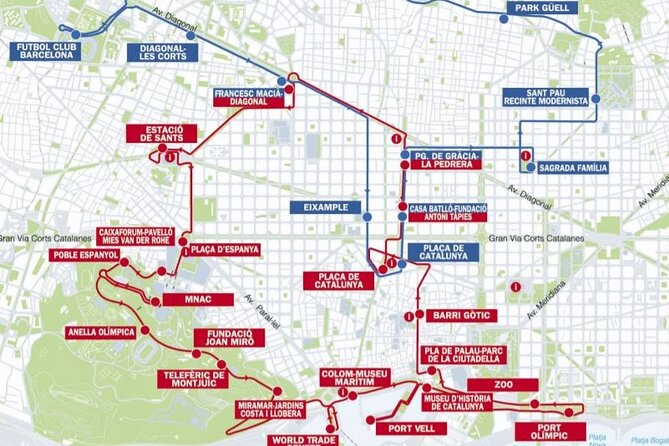
The blue route focuses on Gaudí, the northern hills, elegant districts, and football history. It is less useful for the port and beaches, but it reaches several places the red route does not.
Casa Batlló and La Pedrera
The route begins near Casa Batlló and continues toward La Pedrera. These two buildings make Passeig de Gràcia one of the most rewarding parts of the route for architecture fans.
If you only have time for one Gaudí interior, compare the ticket prices and visiting times before choosing. The bus provides access to the area, not admission to either building.
Sant Pau Recinte Modernista
The blue route stops near the Sant Pau modernist complex. This former hospital is one of Barcelona’s most impressive architectural sites, with tiled pavilions, gardens, and decorative details.
It is a quieter alternative to the city’s most famous Gaudí stops. Allow time to walk through the complex if you get off, since a quick look from the street does not show its full design.
Park Güell
The Park Güell stop is among the most popular on the blue route. It is known for Gaudí’s colorful mosaic work, unusual structures, and hilltop views.
The stop is not right beside every part of the park, and the area involves uphill walking. A timed admission may be needed for the monumental zone, so do not assume your bus ticket gets you inside. If Park Güell is a priority, start early and leave extra time.
Tramvia Blau and Tibidabo
The route reaches the Tramvia Blau and Tibidabo area. This is a good option if you want to explore Barcelona’s upper reaches, but it is not a quick city-center stop.
The bus can show you how the city rises into the hills. Traffic and the distance from central Barcelona make this section better suited to a 48-hour pass than a rushed one-day plan.
Sarrià and Pedralbes Monastery
Sarrià offers a look at a more residential part of Barcelona. The route then reaches the Monestir de Pedralbes, a historic monastery with a calmer setting than the center.
This stop suits you if you want art, religious architecture, and a break from crowded sightseeing streets. It is less useful if your only goal is to check off the central landmarks.
Palau Reial and the FC Barcelona stop
The Palau Reial and Pavellons Güell stops serve important architectural sites along Diagonal. The route also reaches the Futbol Club Barcelona area, making it practical for football fans.
Entry to attractions is not included. Check the status and opening arrangements of any stadium or museum visit before building your day around this stop.
Diagonal, Francesc Macià, Eixample, and Sant Antoni
The final part of the blue route passes Diagonal, Francesc Macià, Eixample, and Sant Antoni before returning toward the center. These stops are useful for shopping, cafés, markets, and ordinary city life rather than one single must-see monument.
This route is a good reminder that Barcelona is more than the Gothic Quarter and Gaudí. Still, if you have only one day, choose your stops carefully rather than trying to leave the bus everywhere.
How to make the 24 or 48 hours count

The 24-hour pass costs about $39.54 per person. That is fair value if you use it for a full overview, several long cross-city rides, and at least a few stops. It is less attractive if you use the bus only for a single short journey, since Barcelona’s metro and walking routes may be faster.
The 48-hour option is the better choice for a relaxed visit. Use the first day to ride both routes and mark your priorities. Use the second day for Sagrada Familia, Park Güell, Montjuïc, the beaches, or another area that caught your eye.
Buses are scheduled about every 20 minutes, with special high-season information indicating service can be as frequent as every five minutes. Actual waits can feel longer when traffic is heavy, so do not schedule a timed attraction too closely after a bus arrival.
The first bus leaves Stop 1 at 9 a.m., and the listed last departure from Stop 1 is 7 p.m. Service runs all year except January 1 and December 25. Because one departure was reported as ending earlier than the published time, confirm the day’s final service locally if you are relying on the last bus.
Audio, Wi-Fi, staff, and comfort
Free Wi-Fi is included, though the audio guide is the main onboard service. Headphones and 16 language channels make the tour easy to follow, but the presentation is recorded rather than delivered by a live guide.
That means you get consistent information, not personal advice. Staff can help with tickets and boarding, and many passengers found them friendly and useful. Still, reports of incorrect directions and abrupt answers show why you should confirm important details yourself, especially when you have a timed entry.
The buses are generally described as clean and comfortable, but one ride was affected by dirty windows that spoiled photographs. Cleaning can vary by bus and time of day.
Safety and comfort also depend on where you sit. If you are on the upper deck, hold on while boarding and wait until you are seated before the bus moves. For cold or rainy weather, the lower deck is the sensible choice.
If you use completely-in-canal or in-the-ear hearing aids, confirm the headphone arrangement before booking. The supplied earphones may not fit over those devices, and information about over-ear options has been inconsistent. This is an important practical concern for anyone who depends on the narration.
Who should book this bus tour?
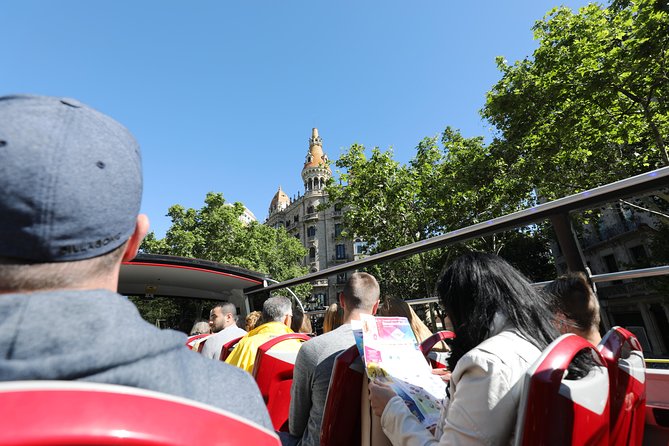
I recommend it for a first visit, a short stay, families who need flexible transport, and anyone who wants a quick sense of Barcelona’s layout. It is also useful if walking long distances or changing metro lines is difficult.
It suits you particularly well if you want to combine distant sights such as Park Güell, Montjuïc, Sagrada Familia, and the beaches. The open deck adds views that public transport cannot provide.
I would skip it if you need the fastest way across town, dislike traffic, or plan to visit only one neighborhood. It is also a poor fit in heavy rain unless you are prepared to sit downstairs and accept reduced views.
Free cancellation is available until 24 hours before the start time. Inside that window, the fare is not refunded and changes are not accepted.
Should you book City Sightseeing Barcelona?

Book this tour if you want a broad, flexible introduction and have at least a full day to use it. I would choose 48 hours when the price difference is reasonable, since Barcelona’s traffic makes a single day feel hurried.
For the best value, ride one complete route early, use the audio commentary to orient yourself, then hop off at two or three priority stops. Bring layers, check the exact stop locations, protect your ticket, and leave generous time before timed admissions.
You are paying for access to the city’s big picture, not a fast transfer service. Used that way, this Bus Turistic pass can save effort, show you districts you might otherwise miss, and help you decide where Barcelona deserves a second look.
FAQ
How long does the Barcelona hop-on hop-off tour take?
The stated duration is about 120 minutes. Traffic can make a complete loop longer, with the red route reported taking about two and a half hours on a busy day.
Is the ticket valid for 24 or 48 hours?
You can choose either a 24-hour or 48-hour pass. Both provide unlimited travel on the available routes during the selected period.
How many routes are included?
The pass includes two routes, commonly identified as the red and blue routes. They cover different parts of Barcelona.
What time does the first bus depart?
The first bus departs from Stop 1 at Plaça de Catalunya at 9 a.m.
What time is the last bus?
The listed last departure from Stop 1 is 7 p.m. Service information can vary, so confirm the final departure locally on the day you ride.
Are attraction entry tickets included?
No. Entry to attractions, food, and drinks are not included unless specifically stated. The pass does include a coupon booklet with advertised discounts of more than 200 euros.
Can I use a mobile ticket?
Yes. Mobile and printed paper vouchers are accepted. You can redeem them at any stop along the routes.
Does the bus run every day?
The red and blue routes operate all year except January 1 and December 25. A separate notice states that service is suspended on Thursday, February 12, so check for date-specific closures before departure.
Recently added around Barcelona
- Intro Segway Tour Barcelona 1h★ 4.9 · 166 reviews
- Barcelona: Bike or eBike Tour, Top Sights & Local Insights★ 4.9 · 166 reviews
- Instagram Photoshoot Tour in Barcelona★ 5.0 · 167 reviews
- Artisan Ceramic Making Experience★ 5.0 · 168 reviews
- Barcelona: Big Fun Museum Ticket★ 4.2 · 169 reviews
- Sagrada Familia Evening Private Tour with Expert Guide★ 4.5 · 170 reviews
- Gaudi’s Crypt in Colonia Güell with Audioguide★ 4.4 · 170 reviews
- Las Golondrinas Barcelona 60-min Boat Tour★ 4.0 · 170 reviews
Hop-On Hop-Off Bus Tours, compared.




Granada City Train 1 or 2-Day Hop-On Hop-Off Ticket
Read our review →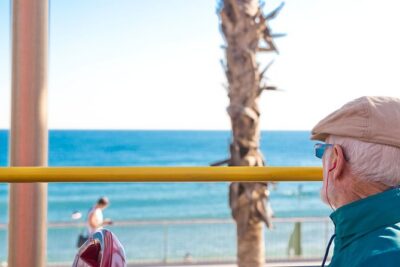
Barcelona City Tour Hop-On Hop-Off with Optional Boat
Read our review →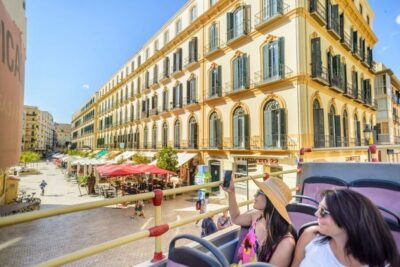
Browse the lists this tour appears in