
Review · FARMS
Valencia: Orange Farm and Orchard Trip with Tastings
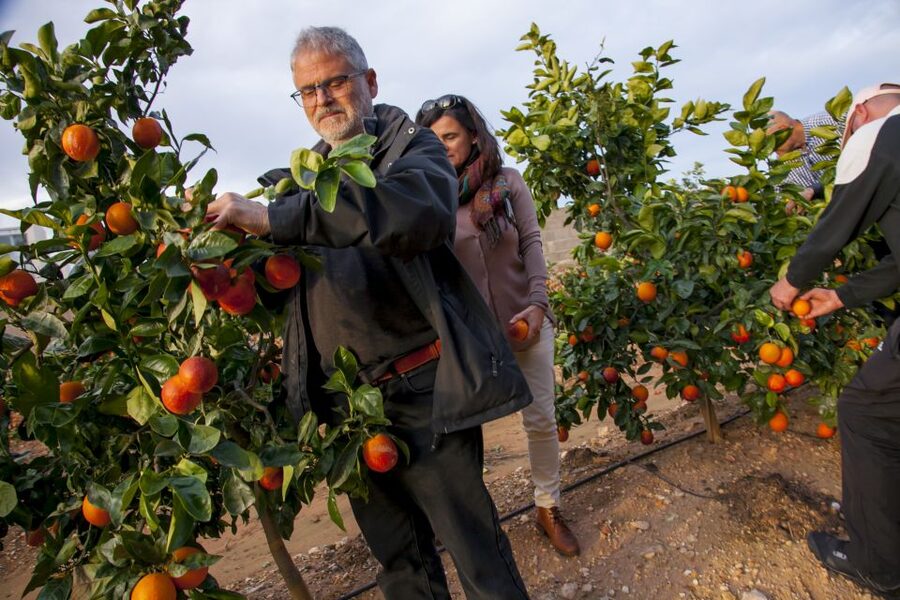
Fresh oranges taste better at the source. This two-hour visit to Huerto Ribera near Carcaixent gives you a close look at Valencia’s most famous crop, from old-fashioned orchard work to modern fruit sorting. I like the chance to pick a bag of oranges yourself, and I like the generous tasting of juices, jams, honey, liqueurs, and unusual citrus. The main drawback is transport: the farm is 35 kilometers from Valencia, and the walk from the train area can be awkward.
The setting adds real charm. You see the exterior of a 19th-century modernist house, gardens, working orange trees, and a family farm that has operated since 1870. Guides such as Teresa, Ana, Claire, Luis, and Mylene have been praised for making the visit warm and personal, though the orchard paths are not fully suitable for wheelchair users.
In This Review
- Five reasons this orchard visit earns a place in your Valencia plans
- Why Carcaixent makes sense for an orange tour
- Arriving at Huerto Ribera from Valencia
- The modernist house and gardens set the mood
- Learning how citrus is grown
- Picking oranges in season
- The warehouse shows what happens after harvest
- The orchard well and Valencian irrigation
- A tasting that earns its place in the ticket price
- How the guides shape the experience
- Is $35 a fair price?
- Who should book this Valencia day trip?
- Should you book Huerto Ribera?
- FAQ
- How far is Huerto Ribera from Valencia?
- Can I pick oranges during the tour?
- What is included in the $35 price?
- What can I taste at the farm?
- Is the tour available in English?
- Is Huerto Ribera accessible for wheelchair users?
Five reasons this orchard visit earns a place in your Valencia plans
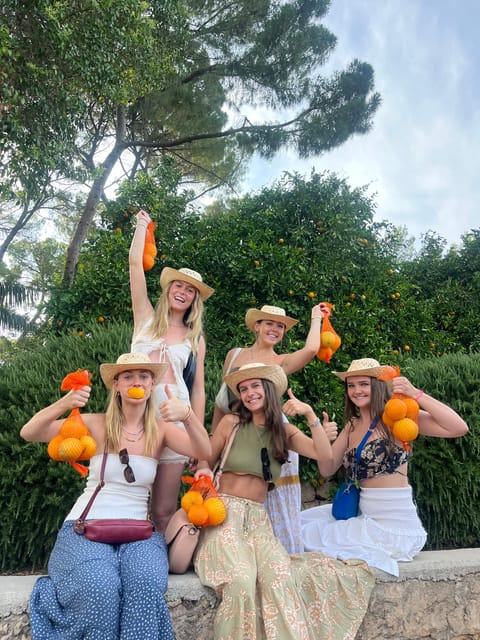
- Pick your own oranges: From February through June, each person receives a bag to fill from the trees and take home.
- See how oranges are prepared for Europe: The warehouse visit shows how fruit is calibrated, selected, and packed for shipment.
- Taste far beyond ordinary oranges: Depending on the season, you may try mandarins, blood oranges, kumquats, grapefruit, lemon, lime, citrus caviar, and more.
- Visit Carcaixent, Valencia’s orange cradle: The town sits outside the city and offers a more rural side of the Valencian Community.
- Meet guides with family and farming experience: Teresa and other guides explain pruning, grafting, flowering, varieties, and the changing citrus trade in clear English.
- Good value at $35: The price includes the guided visit, tastings, and a bag of oranges when picking is in season.
Why Carcaixent makes sense for an orange tour
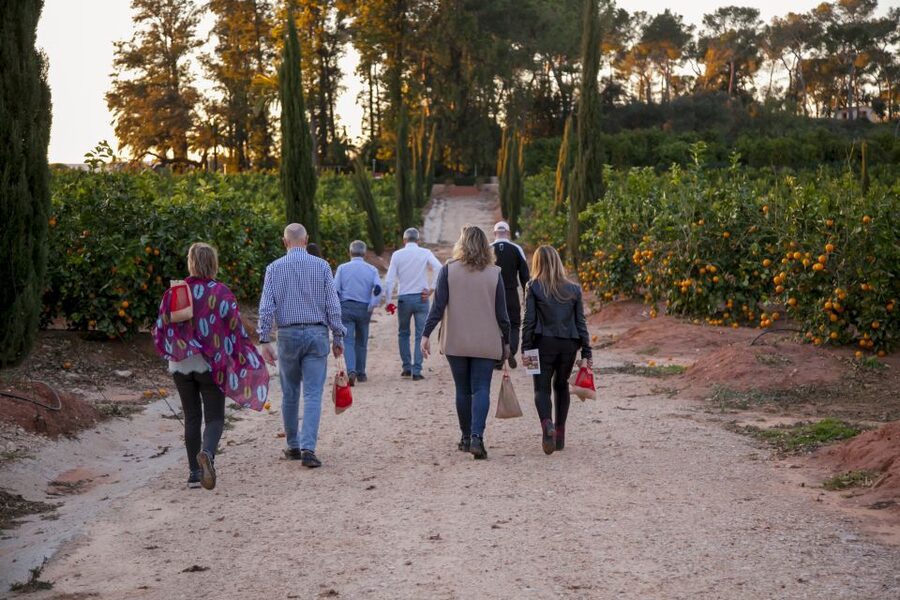
Valencia is famous for oranges, but the city itself is not where you get the clearest look at citrus farming. For that, you head south to Carcaixent, about 35 kilometers away. The town has long been linked with orange growing, and Huerto Ribera gives you a chance to see that tradition in a working setting rather than in a city museum.
The farm dates to 1870. That age matters because the experience connects present-day production with the older methods that shaped the region. You hear about cultivation, pruning, grafting, flowering, irrigation, and the varieties planted on the property.
I especially like that the visit does not treat the orchard as a mere photo stop. You learn how citrus trees are cared for, then see what happens after fruit leaves the branches. That link between field and warehouse makes the visit more useful than a simple fruit tasting.
The farm also grows more than standard Valencia oranges. The grounds include oranges, mandarins, avocados, Buddha’s hand, citrus caviar, lemons, kumquats, grapefruit, pomegranates, papayas, and medlars. Yuzu and Sanguinelli are among the more unusual varieties listed for the orchard.
You should not assume every fruit will be ripe on every visit. Citrus follows the seasons, and the picking opportunity is specifically included from February through June. The wider farm experience runs across more of the year, with seasonal fruit and different tasting possibilities changing over time.
A few more Spain trips worth a look
- Ría de Arousa: Boat Ride to Mussel Farm with Tasting
★ 4.7 · 845 reviews - La Herradura Coffee Farm: tour in Europe’s only plantation
★ 4.8 · 430 reviews - Alicante : E-Bike Coast Tour, Roman Fish Farm and Snorkeling
★ 4.8 · 250 reviews
Arriving at Huerto Ribera from Valencia
If you have a car, the meeting point is Huerto Ribera, Polígono Nº 53, 5, 46740 Carcaixent, Valencia. That is the simplest option for timing, especially if you are traveling with children, carrying luggage, or booking an early tour.
The train is also practical, but you need to plan it carefully. The stated journey from Valencia Nord Station takes about 35 minutes. Some people have reached the area by train to Alzira and then taken a taxi to the property. Others have walked from the station area, with the walk taking around 30 minutes and passing through less attractive surroundings.
Train frequency and ticket details need attention. One arrival found that trains ran about every hour rather than at the expected interval, and the ticket had to be obtained from the station counter. Check the departure schedule before booking your tour time, and leave a proper margin. Missing one train could make you late.
A taxi can make the final connection easier. One useful option is to arrange pickup in advance, since taxis may not be waiting at the station. The farm team has helped visitors with transport questions, but transportation itself is not included in the $35 price.
The countryside can also be warmer than Valencia. In summer, wear light clothing and bring water. Hats have been provided during hot visits, but comfortable shoes remain essential because the tour includes outdoor walking.
The modernist house and gardens set the mood
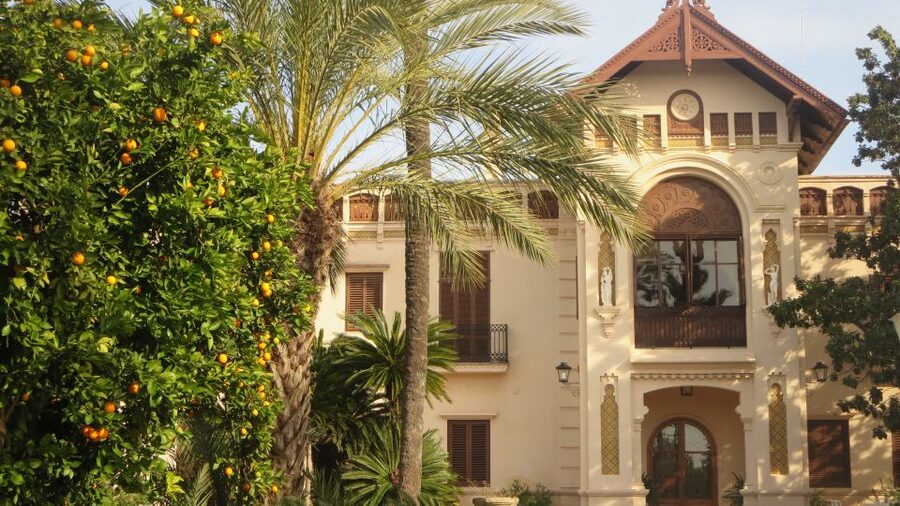
The tour begins at the exterior of Huerto Ribera’s eclectic 19th-century modernist house. You do not come here for a full interior house tour, but the building gives the farm a sense of place and makes the arrival more interesting than a plain agricultural site.
From there, the route continues through the gardens and orange groves. The grounds have been described as beautiful, well kept, and peaceful. In spring, the orange blossoms can be the star of the visit. Their scent fills the air, and arriving during full bloom adds a memorable sensory detail that no photograph can provide.
The gardens also help you understand how varied citrus growing can be. You may see familiar trees beside less common fruit, including Buddha’s hand, kumquats, grapefruit, and citrus caviar. The guide explains what makes each variety different, rather than simply pointing at a collection of trees.
The pace is one of the strengths here. The tour lasts about two hours, long enough to cover the farm and tasting without becoming an exhausting half-day commitment. Families have found the length manageable, and children can stay involved through fruit tasting, picking, and the warehouse demonstration.
Still, this is an outdoor agricultural visit. Paths and access points are not fully suitable for wheelchair users. A wheelchair user was accommodated with care on one visit, but the experience is not classed as suitable for wheelchair users, so contact the provider before booking if access is important.
Learning how citrus is grown
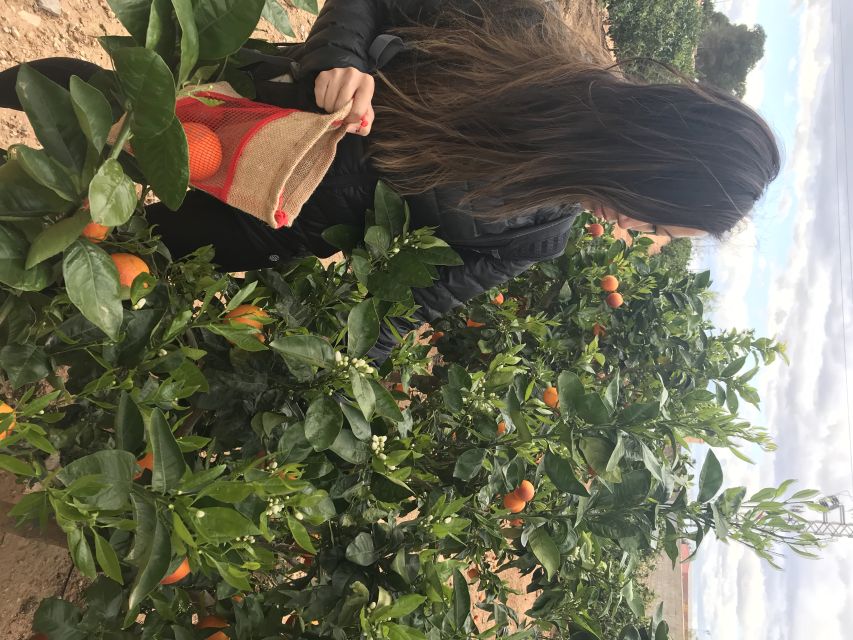
The guide explains both traditional cultivation and newer farming methods. You may hear about pruning, grafting, flowering, and irrigation, along with the work needed to keep trees productive.
This is where the quality of the guide matters most. Teresa has led many visits and is part of the family connected with the farm. Ana, Claire, Luis, and Mylene have also been praised for clear English, patience, humor, and first-hand understanding of the orchard and citrus trade.
The information is pitched well for a general audience. You do not need a farming background to follow it, and the explanations are not so technical that children lose interest. At the same time, the visit gives you more than a basic explanation of how an orange grows.
You also get a look at the economic side of citrus production. Valencian orange growing has changed, and the guide discusses the current situation of the industry. That context helps explain why a local farm may grow a wide mix of varieties and why sorting and export standards matter.
One small limitation is that the visit may not answer every possible question about citrus history. If you want a detailed account of where citrus fruit first originated or an exhaustive study of every variety, you may find the discussion more introductory. For most visitors, though, the balance between facts and easy conversation works well.
A completely different kind of day out in Valencia:
- Valencia: Oceanogràfic Entry Ticket
★ 4.7 · 9,893 reviews - Valencia: 24 or 48-Hour Hop-on Hop-off Bus Ticket
★ 3.9 · 5,611 reviews - Valencia: Palosanto Flamenco Show Ticket
★ 4.8 · 3,876 reviews - Valencia: Catamaran Cruise with Sunset Option
★ 4.0 · 3,566 reviews
Picking oranges in season
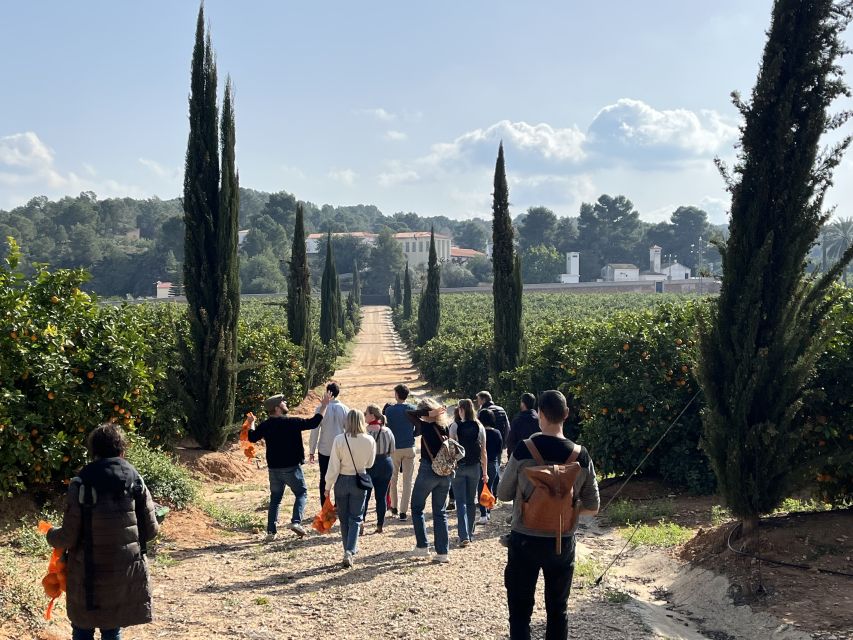
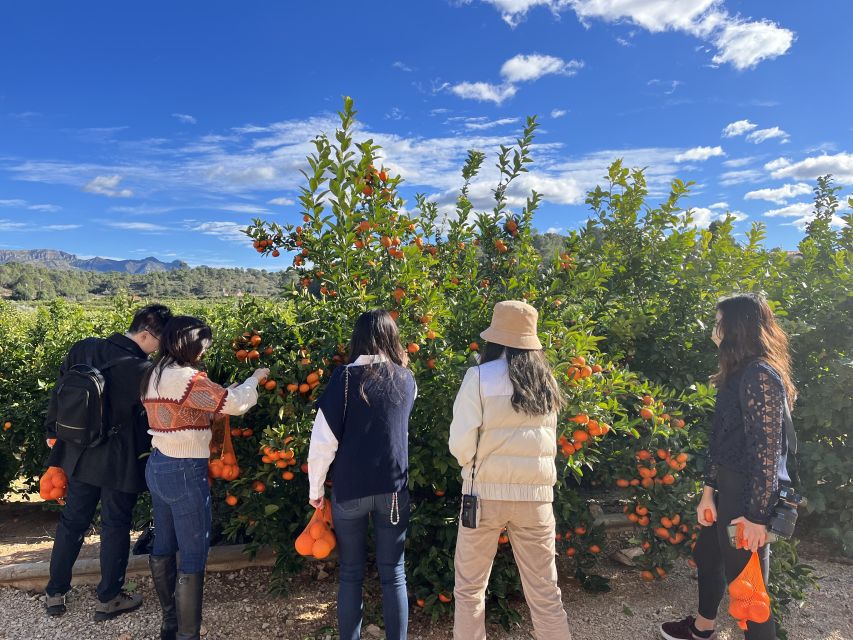
Picking your own fruit is the most hands-on part of the visit. When oranges are available, you head into the orchard, choose fruit from the trees, and fill a bag to take home.
The included bag is available from February through June. The wider description gives the orange season as October through June, but you should treat the included pick-your-own portion as February through June when planning your visit. Seasonal conditions can affect what is ready.
This activity works especially well for families. Children can take part in a real farm task instead of simply watching an explanation. Adults get the pleasure of choosing fruit directly from the tree, and the bag turns the memory into something edible rather than another souvenir that sits in a drawer.
The oranges are also generous in quantity. Several visits describe leaving with a substantial bag, and the fruit is repeatedly praised for being sweet and juicy. Bring a reusable bag or make sure you have a way to carry the oranges comfortably afterward.
If you are visiting outside the picking window, the tour can still be worthwhile because the orchard, warehouse, and tasting remain central parts of the experience. Just do not book in the hope of picking fruit if your dates fall outside February through June.
The warehouse shows what happens after harvest
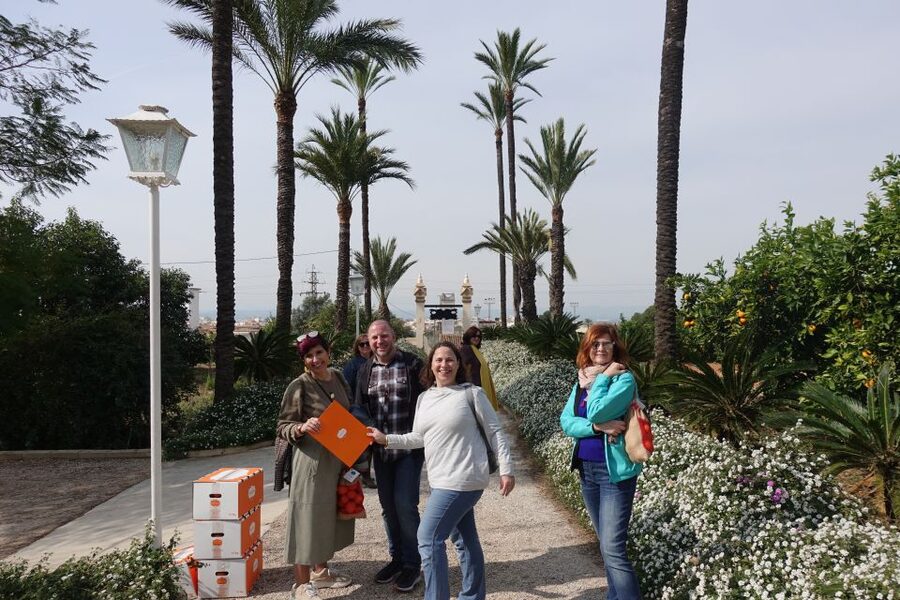
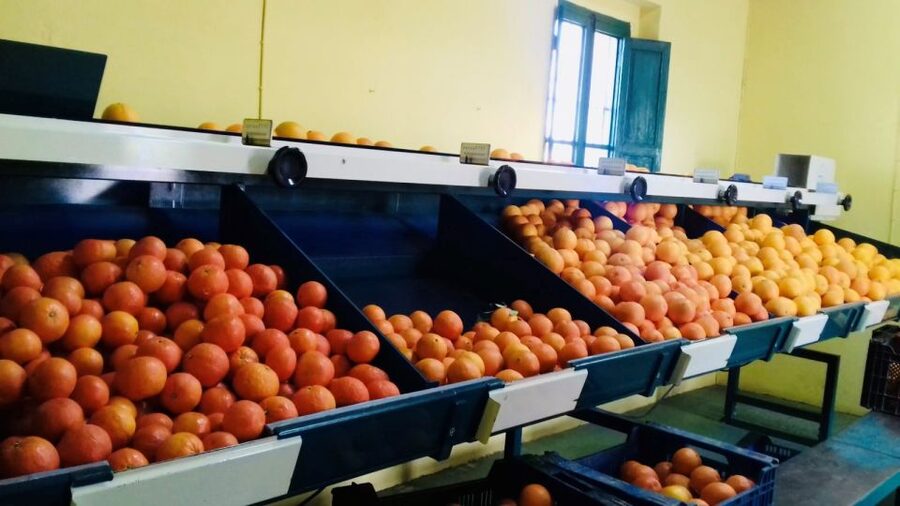
The visit to the Naranjas Ribera warehouse adds an important practical layer. Here you see how oranges are calibrated and selected before being packed into boxes for delivery across Europe.
Calibration means sorting fruit by size and quality. Seeing this process helps you understand that the orange in your breakfast juice has passed through a series of decisions before it reaches a shop or restaurant.
The warehouse demonstration also gives the tour a useful before-and-after structure. First you see trees, fruit, and farming methods. Then you see the commercial process that prepares the crop for customers. It is a simple lesson, but it makes the work behind an everyday orange much clearer.
Some visitors particularly enjoy having a go with the sorting machine. That turns a technical step into something you can see and handle. The experience remains educational without becoming a factory tour in the industrial sense.
The warehouse may be less picturesque than the gardens, but it is one of the parts that gives the visit substance. Without it, the day would lean heavily toward scenery and tasting. With it, you get a clearer picture of how a family orchard connects to a wider European market.
The orchard well and Valencian irrigation
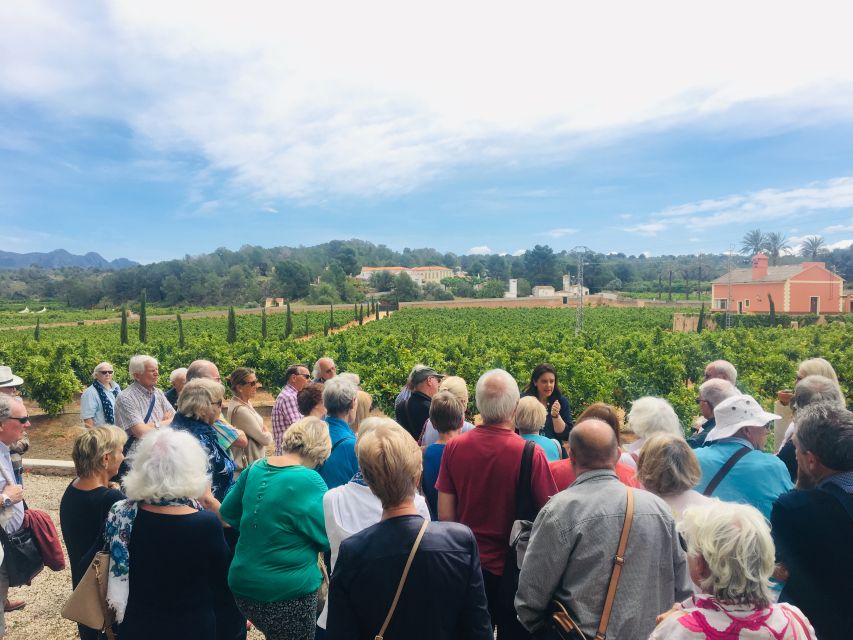
The tour also visits the well used to irrigate the orange orchard. Water is easy to take for granted when you see a healthy grove, so this stop helps explain the practical systems supporting citrus farming.
The well is not presented as a grand attraction. Its value comes from showing a working part of the farm and connecting the trees to the resources they need. Along with the discussion of traditional and modern cultivation, it gives you a better sense of the daily demands of agriculture.
This is another reason to wear shoes you can walk in. The experience moves between gardens, orchard paths, and working areas rather than staying in one polished visitor room.
A tasting that earns its place in the ticket price
The final tasting is generous for a $35 activity. Depending on the season and availability, you may try fresh orange juice, lemonade, mandarins, other citrus fruit, Valencian liqueurs, homemade jams, and orange blossom honey.
Some visits begin with lemonade, coffee, biscuits, or orange blossom cookies. The exact welcome can vary, but the general approach is hospitable and relaxed. You are given time to taste rather than rushed through a single sample.
The fresh juice is a highlight. Oranges picked or handled close to the orchard often taste brighter than fruit that has spent days in transit. Blood oranges, fresh mandarins, lemon, lime, kumquats, grapefruit, and unusual items such as citrus caviar can make this feel like a small lesson in flavor.
The tasting is not limited to fruit. Jams, honey, and liqueurs show how the crop becomes local pantry goods and drinks. A small shop at the end sells products such as marmalade, homemade preserves, honey, and liqueurs. There is no need to buy, and the tasting gives you a chance to decide what is worth carrying home.
If you are flying with limited luggage, plan ahead. Several products make useful gifts, but bottles and jars take space and add weight. An orange bag is also much more enjoyable to carry straight to your accommodation than across several train changes.
How the guides shape the experience
The farm’s strongest feature is the human welcome. Teresa is associated with the family that owns the farm, which gives her stories a personal connection to the property. Ana has been praised for her excellent English, humor, and warmth. Claire, Luis, and Mylene have also led engaging visits.
That family connection matters because the tour feels tied to a real working place. You are not just hearing a generic speech about oranges. You are learning about the property, its methods, its products, and the pressures facing Valencian citrus growers.
The best guides keep the tone conversational. They answer questions, involve children, and adjust to the group. A school group of 22 students found the visit both educational and fun, while families with young children appreciated the hands-on parts.
Guide assignments can change, so you cannot guarantee a particular person. The important point is that the English-language guiding has been consistently well received, with repeated praise for clear explanations and kindness.
Is $35 a fair price?
At $35 per person, I consider this strong value if you want more than a standard city tour. The price includes two hours with a live English-speaking guide, the farm and warehouse visit, local tastings, and a bag of oranges to pick from February through June.
Transportation is the one extra cost. The train from Valencia is inexpensive, but a taxi may be needed for the final stretch. If you walk, allow about 30 minutes and expect an ordinary town route rather than a scenic orchard approach.
The value improves for families and food lovers because the tour combines several activities: history, agriculture, nature, hands-on picking, machinery, and tasting. A simple orchard walk would not justify the price as well. Huerto Ribera gives you a fuller visit.
Free cancellation up to 24 hours before the activity and the option to reserve now and pay later also make the booking less rigid. Starting times vary, so you need to check availability and then work backward from the train schedule.
Who should book this Valencia day trip?
I would recommend it to families, curious food lovers, garden enthusiasts, and anyone who has already seen Valencia’s main sights and wants a change of pace. Children have plenty to do, and adults get useful insight into farming and local products.
It is also a good choice if you want a personal experience rather than a large commercial attraction. The setting is calm, the group experience has been described as intimate, and the guides make time for questions.
You may want to skip it if you have very little time in Valencia, dislike outdoor walking, or cannot manage the transport connection. It is also not the right choice for wheelchair users without advance discussion, since the site is not fully accessible.
The best months for orange picking are February through June. April can be especially appealing if the blossoms are in full bloom, while summer visits may be hotter but still offer fruit, juice, shade breaks, and provided hats.
Should you book Huerto Ribera?
Yes, if you can spare the half-day travel time around a two-hour visit. The orchard is beautiful, the fruit picking is genuinely hands-on, and the warehouse gives the experience useful depth. The tasting is generous, and $35 is fair for what is included.
Plan your transport before you book. Check the train time from Valencia Nord, confirm the arrival station, and arrange a taxi if you do not want the long walk. With that detail handled, Huerto Ribera offers one of the more distinctive ways to understand Valencia: through its trees, its growers, and a very good glass of fresh orange juice.
FAQ
How far is Huerto Ribera from Valencia?
Huerto Ribera is about 35 kilometers from Valencia. By train from Valencia Nord Station, the journey is described as taking about 35 minutes, though you should check the exact route and onward connection before departure.
Can I pick oranges during the tour?
Yes, orange picking is included from February through June. The wider orange season is described as running from October through June, but the included pick-your-own bag is specified for February through June.
What is included in the $35 price?
The price includes the two-hour guided tour, local product tastings, and a bag of oranges to pick and take home when picking is in season. Transportation is not included.
What can I taste at the farm?
The tasting may include orange juice, seasonal mandarins, other citrus fruit, Valencian liqueurs, homemade jams, and orange blossom honey. Lemonade, biscuits, or orange blossom cookies may also be offered.
Is the tour available in English?
Yes. The tour includes a live English-speaking guide.
Is Huerto Ribera accessible for wheelchair users?
The experience is listed as not suitable for wheelchair users because the site is not fully accessible. One wheelchair user was accommodated with care, so you should contact the provider before booking to discuss your specific needs.
Recently added around Valencia
- Valencia: Top 25 Highlights Guided Bike Tour★ 5.0 · 175 reviews
- Valencia Private Walking Tour with Official Valencian Guide★ 5.0 · 176 reviews
- From Valencia: Caves of San José Guided Tour & Boat Ride★ 4.5 · 179 reviews
- Valencia: Pobla de Farnals JetSki Rental, photos &BeachClub★ 4.8 · 179 reviews
- From Valencia: Montanejos Thermal Spring & Girlfriend Waterfall★ 4.5 · 182 reviews
- Valencia: Port Saplaya Boat Tour with Free Drink & Swimming★ 4.4 · 183 reviews
- Pub Crawl Tour in Valencia★ 5.0 · 183 reviews
- City of Arts and Sciences Private Segway Tour★ 5.0 · 196 reviews
Farms, compared.

Ría de Arousa: Boat Ride to Mussel Farm with Tasting
Read our review →
La Herradura Coffee Farm: tour in Europe’s only plantation
Read our review →
E-Bike Coast Tour, Roman Fish Farm and Snorkeling
Read our review →
Browse the lists this tour appears in