
Review · FARMS
Guided Tour to the only coffee farm in Europe
Tropical fruit grows where coffee should not. Near La Herradura, this small farm turns a warm corner of southern Spain into an unusual mix of coffee trees, mangoes, avocados, lychees, bananas, and other plants from warmer parts of the world. I like the tour’s rare coffee-growing setting and its friendly, personal feel, especially with guide Manolo Mateos sharing the farm’s story in several languages. I also like the low price: at $18.15, you get a short outdoor visit with plenty to see.
The main catch is simple: this is a coffee farm tour, but coffee is only one part of it. Much of your time is spent among tropical fruit trees, and the coffee crop is small. The route includes a steep slope, so closed shoes, water, and a sensible choice of visiting time matter.
In This Review
- Key points to know before booking
- Why this coffee farm is such an unusual stop
- Walking through La Herradura’s tropical fruit trees
- The coffee plants are the headline, but not the whole show
- Manolo Mateos brings the farm to life
- Sustainable farming explained without a lecture hall
- Keep an eye out for wild animals
- A steep walk changes how you should plan the visit
- What the $18.15 price really gets you
- Getting there and getting back
- Who will enjoy this farm visit most
- Should you book the only coffee farm tour in Europe?
- FAQ
- Where is the coffee farm tour located?
- How long does the tour last?
- What language is the tour offered in?
- How much does the tour cost?
- Is the tour suitable for children?
- What should I bring?
- Can I cancel for a full refund?
Key points to know before booking
- Europe’s northernmost coffee setting: The farm is promoted as the only coffee plantation in Europe and the most northern coffee plantation in the world.
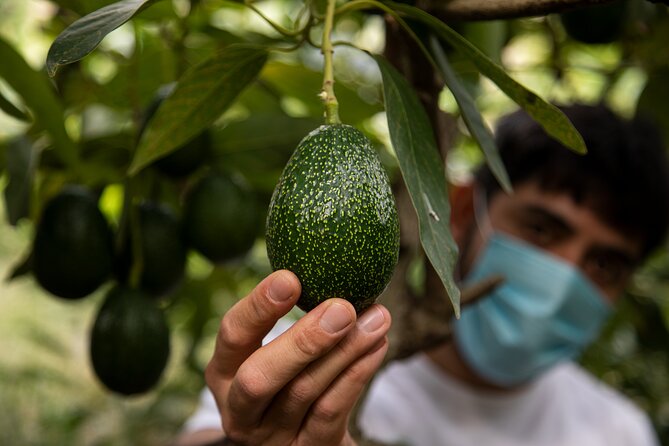
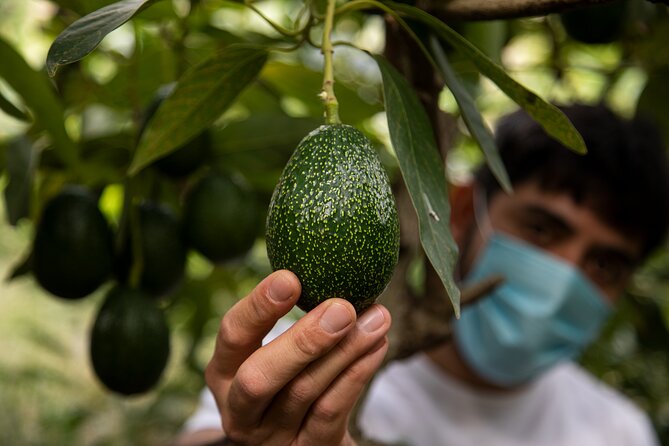
- Up to 30 tropical fruit types: You may see mangoes, avocados, custard apples, lychees, red bananas, macadamias, pitayas, and more.
- Manolo Mateos leads the experience: He is praised for his humor, warmth, and ability to speak English, French, German, Spanish, and at least some other languages.
- A short but active walk: The visit lasts about 1 hour 10 minutes to 1 hour 30 minutes and includes a steep section.
- Small group size: The maximum is 15 people, which suits a more personal farm visit.
- Good value with a shopping perk: The tour includes 15 percent off fruit purchases, while local wine, tapas, and any optional tasting cost extra.
Why this coffee farm is such an unusual stop
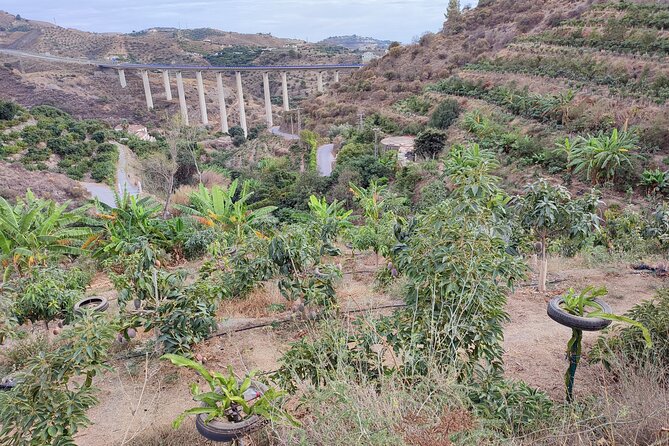
Spain is famous for olives, grapes, oranges, and other Mediterranean crops. Coffee is a different story. Coffee plants generally need warm conditions, protection from cold, and enough moisture to grow well. The coastal area near La Herradura benefits from a mild climate, which allows this experimental and unusual coffee plantation to exist.
That setting gives the visit its real appeal. You are not simply walking past rows of coffee bushes and hearing a standard explanation of roasting. You are seeing how coffee fits into a broader farm system that also includes tropical fruits and water-conscious agriculture.
The farm describes itself as the only coffee plantation in Europe. It is also presented as the world’s most northern coffee plantation. Those claims are the hook, but the wider story is just as interesting: this is a working attempt to grow crops that feel more Caribbean than Andalusian.
I would book this experience if you enjoy seeing how local conditions shape farming. If your only goal is a long, technical lesson about coffee production, you may find the visit lighter and broader than expected.
A few more Spain trips worth a look
- La Herradura Coffee Farm: tour in Europe’s only plantation
★ 4.8 · 430 reviews
Walking through La Herradura’s tropical fruit trees
The tour begins in the La Herradura area and continues as a private open-air walk through the plantation. The route takes you past up to 30 types of tropical fruit and other unusual plants.
The list is impressive for a farm in southern Spain. You might see:
- Avocados
- Mangoes
- Custard apples
- Lychees
- Red bananas
- Macadamia trees
- Pitayas
- Coffee plants
The fruit trees give the tour a hands-on quality, especially for children. Several families have found it especially enjoyable because young visitors could see where fruit grows and, when available, taste it directly from the plant. That is a useful difference between this visit and a standard botanical garden tour. The plants are part of an active agricultural project, not just arranged for display.
I like the way the fruit selection adds variety. If coffee alone held your attention for 70 to 90 minutes, the walk might feel limited. Mangoes, bananas, avocados, and dragon fruit create a changing rhythm as you move through the property.
The farm also sells fruit and other products at the end. The 15 percent discount on fruit purchases is included with the tour, so leave room in your day, and perhaps in your luggage, for a few edible souvenirs.
The coffee plants are the headline, but not the whole show
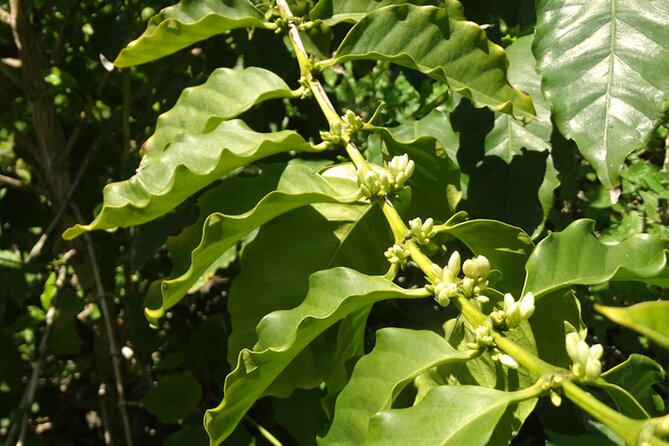
The coffee section is the most unusual part of the visit, but you should set realistic expectations. This is not described as a huge industrial plantation, and one critical assessment felt that the visit focused more on fruit trees than coffee. That concern is worth taking seriously.
The coffee crop is best understood as a small and unusual part of a mixed farm. You will learn about the plantation’s origins and the conditions that make coffee possible here, but the overall visit also covers tropical agriculture, ecology, and the history of the land.
That mix will suit you if you enjoy the story behind a project. Manolo’s family connection to the property, which has been described as extending back 300 years, adds a personal dimension to the farming story. The tour is not only about what grows here. It is also about why the family continues to work this land and how they are trying to do so responsibly.
If you expect a detailed lesson on coffee varieties, harvesting, bean processing, roasting, and brewing, check the current tour details before booking. The information provided emphasizes cultivation, the farm’s setting, and sustainable practices rather than a full coffee production workshop.
Manolo Mateos brings the farm to life
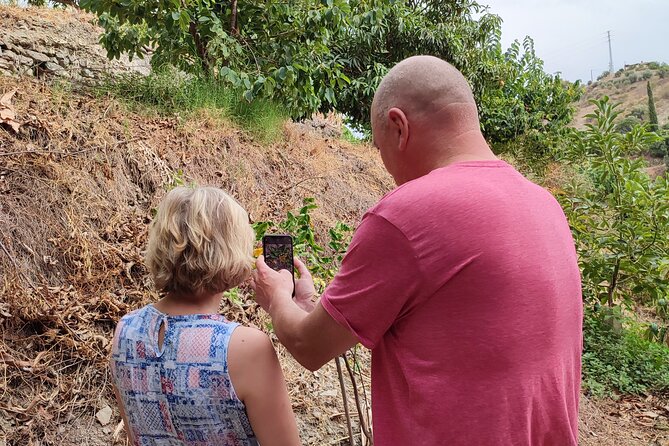
The guide can make or break a small farm visit. Here, Manolo Mateos is one of the strongest reasons to book. He is repeatedly praised for being warm, funny, and generous with his time.
His style seems to combine practical information with jokes and personal stories. That matters on a walk where some plants may look similar to an untrained eye. A good guide helps you notice the differences between a mango tree, a lychee tree, a custard apple, and a coffee plant instead of simply leading you past them.
Language is another major advantage. Manolo speaks English, Spanish, French, and German, along with at least one additional language according to the tour information. Some tours have also included another guide, Sonia, who worked hard to explain the visit in French while leading in English.
You should still confirm your preferred language when booking. The experience is officially offered in English, but the guide’s wider language ability may make communication easier for mixed-language families and groups.
The maximum group size is 15 people. That is large enough to provide some social energy but small enough for questions and direct conversation. For a private open-air visit, this size feels more suitable than a large coach group.
A completely different kind of day out in Malaga:
- Málaga: Caminito del Rey Guided Tour with Transportation
★ 4.8 · 12,183 reviews - Caminito del Rey: Guided Tour and Entry Ticket
★ 4.6 · 11,286 reviews - El Chorro: Caminito del Rey Guided Tour with Shuttle Bus
★ 4.7 · 7,091 reviews - Caminito del Rey: Tour with Official Guide and Drink
★ 4.7 · 6,190 reviews
Sustainable farming explained without a lecture hall
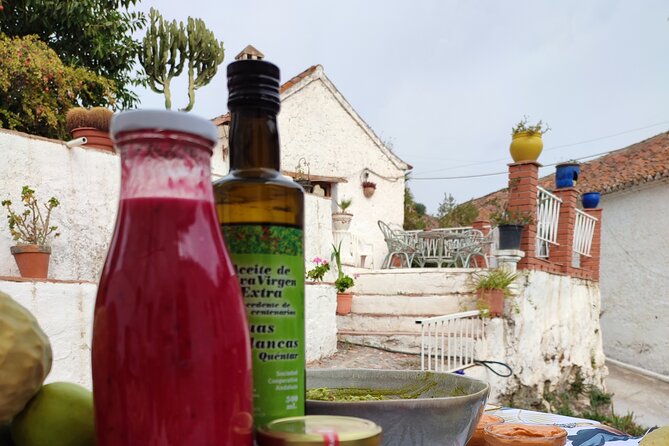
The farm shares its approach to sustainable agriculture, including biological balance and the effort to close the circle of water and matter. Those phrases point to the practical side of farming: reducing waste, making better use of water, and keeping the farm’s natural systems working together.
This part gives the walk more substance. You are not just seeing rare crops in a warm coastal climate. You are also hearing about the problems involved in growing them responsibly.
Tropical fruit farming can demand significant water, especially in a dry region. The farm’s focus on water use and ecological balance helps explain why growing these crops is not as simple as planting a mango tree and waiting for fruit.
I would pay close attention here if you are interested in food systems, small-scale agriculture, or environmental choices. The farm’s approach may not answer every question, but it gives you a clearer view of the work behind the produce you see at the end.
Keep an eye out for wild animals
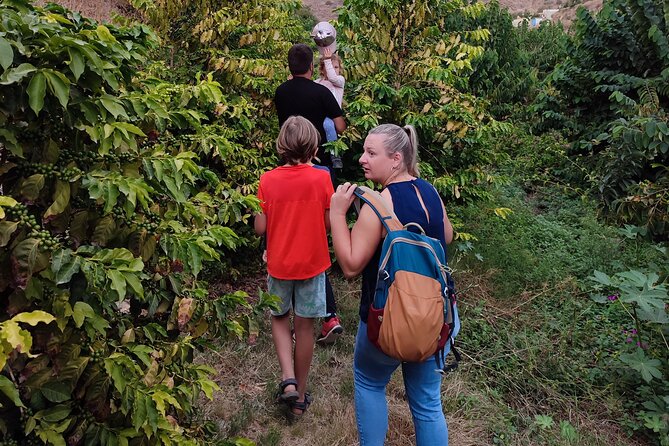
The farm may also offer glimpses of local wildlife. Chameleons, eagles, partridges, owls, wild goats, and wild boars are all mentioned as possible sightings.
The wording matters: these animals are not guaranteed. Think of wildlife as an extra, not a scheduled part of the tour. You might see nothing beyond the trees and farm paths, or you might get lucky with a chameleon or a bird overhead.
This possibility adds interest to the walk, particularly for children. It also reinforces the idea that the farm is part of a wider natural area rather than a sealed attraction. Keep your eyes open, but do not book the tour as a wildlife excursion.
A steep walk changes how you should plan the visit
The route includes a steep slope. That is the most important practical point in the description, and you should not skip over it.
Wear comfortable, closed shoes with a secure sole. Sandals and smooth casual shoes are poor choices on an incline. Bring water and avoid the hottest hours of the day. The visit is short, but southern Spain can make even a short uphill walk feel demanding in strong sun.
The tour requires a moderate level of physical fitness. It is not presented as suitable for everyone, and seasonal pollen allergy sufferers are specifically advised against booking. If you have plant or pollen allergies, contact the provider before committing.
Service animals are allowed. The information does not provide detailed accessibility guidance, so you should ask directly about the slope and walking surface if you have mobility concerns.
Families can do well here. Children as young as one, three, and five have been included in family visits, and a two-year-old has also taken part. Still, the steep section means adults should plan carefully for young children and any needed carrying equipment.
What the $18.15 price really gets you
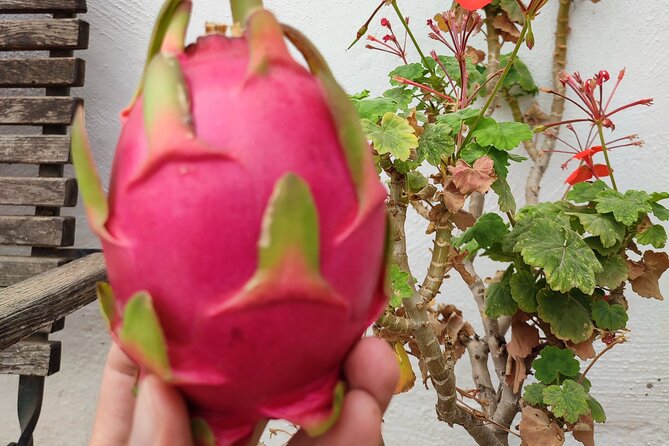
At $18.15 per person, this is an inexpensive guided activity for the Malaga and Costa Tropical area. The experience lasts roughly 70 to 90 minutes, includes a guide, and offers a 15 percent discount on fruit purchases.
The value is strongest if you treat it as a personal introduction to an unusual farm rather than a full coffee tasting or half-day agricultural course. You are paying for the setting, the guide’s stories, the unusual crop mix, and the chance to see coffee growing in Europe.
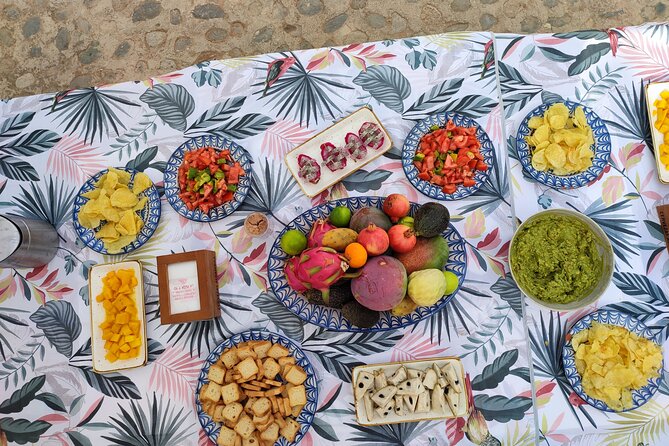
The price does not include local wine or tapas. Some visitors have also arranged an optional tasting for about €5, with fruit juice and farm products served at the end. Because extras and prices can change, confirm the current tasting arrangements before you arrive.
Coffee and other farm or regional specialties may be available for purchase. Fruit, coffee, jams, olive oil, and flavored rum have all been associated with the shopping stop. The 15 percent fruit discount makes buying produce more appealing, while the other products provide additional choices if fresh fruit is not practical to carry.
For a family, the cost remains reasonable, especially if your children enjoy food, plants, and animals. For a couple already planning a beach day in La Herradura or Almuñécar, it makes an easy educational stop before or after time by the water.
Getting there and getting back
The meeting point is listed at Q723+V5 in La Herradura, while the end point is on Diseminado Rio Jate, Pol 21, 162, 18690, Granada. These details suggest you should study the map carefully before setting out.
The access road and hillside location deserve extra planning. If you arrive by taxi, tell the provider in advance. The guide may be able to meet you and help bring you up the hill.
Do not assume that an app-based car will be available for the return. Uber service is not available for the return journey according to the practical information provided, so arrange a lift back to La Herradura, Almuñécar, or another onward destination, or book a local taxi.
This is one of those tours where transport planning matters almost as much as the activity itself. A little preparation keeps a pleasant farm visit from ending with a long wait beside the road.
The location also works well as part of a larger outing. You could combine the farm with La Herradura or Almuñécar, both useful choices for a coastal day. The tour itself is short enough to fit into a wider plan, though you should allow extra time for getting up to the property and arranging your return.
Who will enjoy this farm visit most
I would recommend the experience to:
- Families who want children to learn about fruit and farming through direct observation
- Food lovers interested in unusual produce and small agricultural projects
- Coffee fans who are curious about where coffee can grow in Europe
- Gardeners and plant enthusiasts
- Visitors staying around Malaga, La Herradura, or Almuñécar
- Anyone who enjoys meeting an owner-guide with a personal connection to the land
I would be more cautious if you have seasonal pollen allergies, dislike uneven or steep walks, or want a long coffee-focused tasting session. The experience is broad, friendly, and agricultural. It is not a polished coffee museum or a large commercial plantation.
The overall rating is 4.8 from 174 ratings, and 95 percent of customers recommend it. That strong response fits the tour’s main strengths: a rare setting, a personable guide, an appealing range of fruit, and a price that does not ask much of your budget.
Should you book the only coffee farm tour in Europe?
Yes, if you want something different from the usual Malaga sights. The farm offers a pleasant change from monuments and beaches, and the combination of coffee, tropical fruit, sustainable farming, and local wildlife gives the visit more range than its title suggests.
Book it with the right expectations. You will spend much of the walk among fruit trees, not only coffee plants. You will need closed shoes, water, and a plan for getting back down the hill. If that sounds fine, the $18.15 price is strong value, especially for families and curious food lovers.
I would also contact Manolo Mateos before arrival if you need French, German, or another language, have allergies, require mobility information, or want to arrange a taxi. A few minutes of planning should help you enjoy this rare and very personal corner of Andalusian agriculture.
FAQ
Where is the coffee farm tour located?
The tour is in La Herradura, Spain, near Malaga and the Costa Tropical. The listed starting point is Q723+V5 La Herradura, and the ending point is Diseminado Rio Jate Pol 21, 162, 18690, Granada, Spain.
How long does the tour last?
The visit takes approximately 1 hour 10 minutes to 1 hour 30 minutes.
What language is the tour offered in?
The tour is offered in English. Manolo Mateos is also described as speaking French, German, Spanish, and other languages, but you should confirm language arrangements before booking.
How much does the tour cost?
The listed price is $18.15 per person.
Is the tour suitable for children?
Families with children have taken part, including children aged one, two, three, five, and seven. The route has a steep slope, so children and adults should be prepared for an active outdoor walk.
What should I bring?
Wear comfortable closed shoes and bring enough water. Avoid the hottest hours of the day. If you have plant or seasonal pollen allergies, consult the provider before booking.
Can I cancel for a full refund?
Yes. You can cancel at least 24 hours before the start time for a full refund. If poor weather or an insufficient number of bookings causes the provider to cancel, you will be offered another date or a full refund.
Recently added around Malaga
- Half-Day Luxury Catamaran Sailing Cruise in Granada★ 5.0 · 165 reviews
- Guided Tour to Caminito del Rey from Malaga★ 4.5 · 165 reviews
- Málaga: Traditional Andalusian Tapas and Wine Tour★ 4.7 · 167 reviews
- Malaga: Boat Rental without a License for Dolphin Watching★ 4.9 · 169 reviews
- Sunset Sailing along the Marbella coast from Puerto Banus★ 4.5 · 172 reviews
- Málaga: Off-Road 2-Seater Quad Tour through Land and River★ 4.6 · 175 reviews
- Tour to Gibralfaro★ 4.7 · 182 reviews
- Al Andalus Hammam in Malaga: Relaxing Bath★ 4.5 · 186 reviews
Farms, compared.
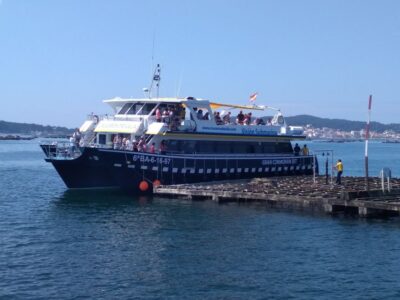
Ría de Arousa: Boat Ride to Mussel Farm with Tasting
Read our review →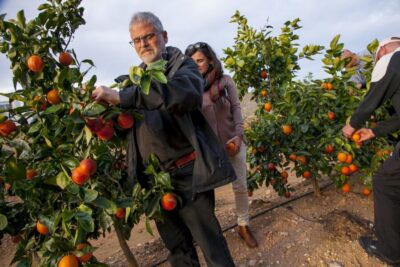
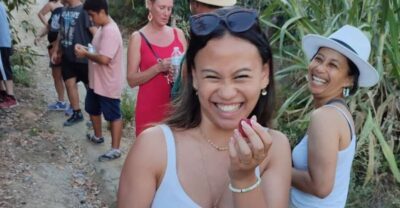
La Herradura Coffee Farm: tour in Europe’s only plantation
Read our review →
E-Bike Coast Tour, Roman Fish Farm and Snorkeling
Read our review →Browse the lists this tour appears in