
Review · PRADO MUSEUM TOURS
Tour ‘Best of Prado Museum’ (Skip the line ticket. 7 people max.)
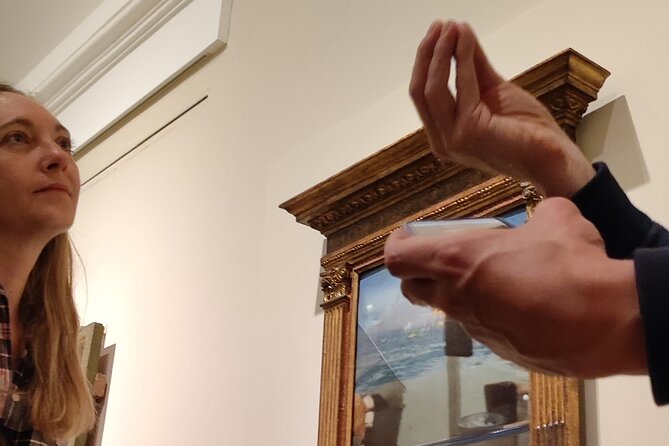
Art makes more sense with the right guide. This two-hour Prado tour takes you straight to major works by Bosch, Goya, El Greco, Caravaggio, Brueghel, Rafael, and Velázquez, with a licensed guide trained in art history. I especially like the seven-person maximum and the included skip-the-line entry, two details that can make a crowded museum far easier to handle.
I also like the tour’s teaching method. Instead of racing past dozens of paintings, guide Pablo often focuses on roughly eight to ten important works and shows how artists changed painting over time. The main drawback is the fixed two-hour limit: the Prado is enormous, so you will see a carefully chosen portion rather than the whole collection.
In This Review
- Key points at a glance
- Why the Prado needs a focused plan
- Meeting at the Goya monument
- A two-hour route through major turning points
- Bosch, Brueghel, and the strange world of early masterpieces
- Las Meninas and the art of seeing
- Goya’s light, darkness, and modern edge
- What makes Pablo’s guiding style different
- Is $60.49 a fair price?
- The two-hour limit: helpful focus, real compromise
- Who should book this Prado experience?
- Final verdict: a smart first visit to the Prado
- FAQ
- Where does the Prado tour begin?
- Where does the activity end?
- Is the Prado admission ticket included?
- Does the tour skip the ticket-office line?
- How long does the tour last?
- How many people can join the tour?
- Is the tour offered in English?
- Is the guide officially licensed?
- Is the meeting point near public transportation?
- Can I cancel for a full refund?
Key points at a glance
- A seven-person maximum keeps the tour personal: You can hear the guide clearly, ask questions, and get close enough to study the paintings.
- Skip the ticket-office line: Your museum admission is included, saving time at one of Madrid’s busiest art museums.
- Pablo’s art-history approach is the star: His explanations connect technique, politics, history, emotion, and the influence artists had on one another.
- The route builds toward Las Meninas: You follow key changes in European painting before reaching Velázquez’s celebrated masterpiece.
- Goya receives special attention: The tour includes major works and the unsettling Dark Paintings.
- The price buys focus, not just entry: At $60.49 per person, you are paying for a small group and a guided way to understand art that can otherwise feel overwhelming.
Why the Prado needs a focused plan
The Prado is not a museum you casually finish in an hour. Its collection includes centuries of European painting and many works that deserve more than a quick glance. Without a plan, you may spend too long in one room, miss major paintings, or walk past important works without understanding why they matter.
That is where this tour earns its place. The guide selects a manageable group of masterpieces and uses them to explain how painting developed. You are not simply given dates and names. You are shown what to look for: composition, brushwork, perspective, light, symbolism, and the ways later artists challenged older rules.
I like this approach because it helps you keep your bearings. A famous painting can be hard to appreciate when you are surrounded by hundreds of other famous paintings. A good guide gives each work a role in the larger story.
The museum visit also works well for people with different levels of interest. If you already enjoy art, you can ask about technique and interpretation. If you normally walk through museums wondering what you are supposed to notice, the guide gives you a practical starting point.
More Museums in Madrid
- Madrid: Prado Museum Entry Ticket
★ 4.6 · 17,509 reviews - Madrid: Reina Sofía Museum Entrance Ticket
★ 4.5 · 6,889 reviews - Madrid: Small Group of Prado Museum Tour & Optional Tapas
★ 4.6 · 2,437 reviews
Meeting at the Goya monument
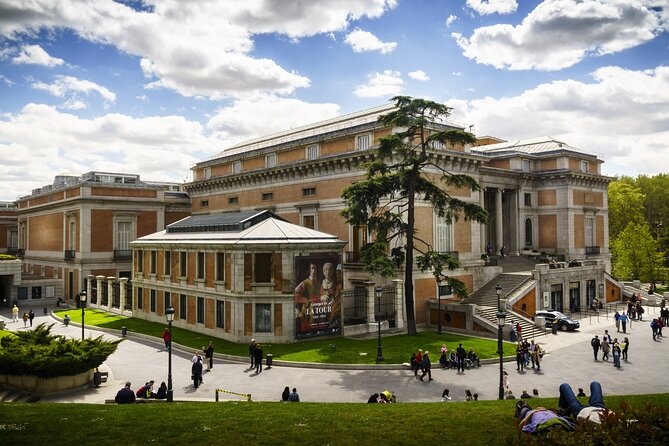
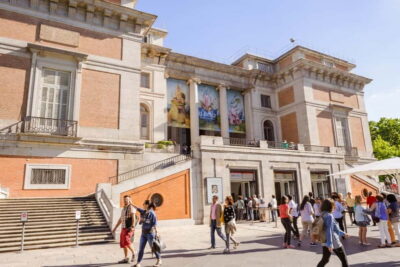
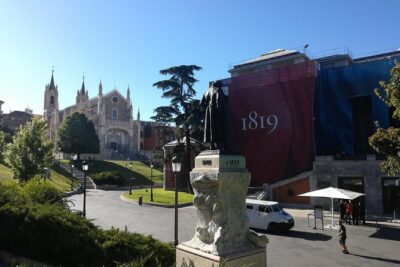
The tour begins at the Monument to Goya on Calle de Felipe IV, near the Prado and Retiro area. The activity also ends back at this meeting point, so you should allow time to return there after the museum visit.
The meeting point is near public transportation, which makes it practical to reach from other parts of Madrid. Still, arrive with enough time to locate the monument without rushing. Museum entrances and city streets can feel confusing when you are watching the clock, and a small group tour works best when everyone is ready to move together.
Your admission ticket is included. You do not need to stop at the ticket office to purchase entry, which is the useful meaning of skip the line here. It does not turn the museum into a private space, and the galleries may still be busy, but it removes one avoidable wait.
A two-hour route through major turning points
The guide’s usual method is chronological. You may begin with Flemish Renaissance painters and then move through later artists until arriving at Velázquez, followed by a look at Goya. This order matters because each section prepares you for the next.
You will likely spend time with artists such as Hieronymus Bosch, Pieter Brueghel the Elder, El Greco, Caravaggio, Rafael, and Velázquez. The aim is not to provide a full catalog of every artist in the museum. Instead, the guide uses selected paintings to show how artists borrowed from, reacted to, and moved beyond the work that came before them.
That makes the tour feel like a short art lesson rather than a procession of famous names. You learn why a painting was unusual in its own period and how it helped change later art. You also get a better sense of why the Prado’s collection is so important: it brings together works that show major changes in style and ideas.
The experience is especially useful if you have limited time in Madrid. Two hours gives you a clear introduction without asking you to spend an entire day inside the museum. Afterward, you can return on your own to paintings that caught your attention, assuming museum access and your schedule allow it.
Bosch, Brueghel, and the strange world of early masterpieces
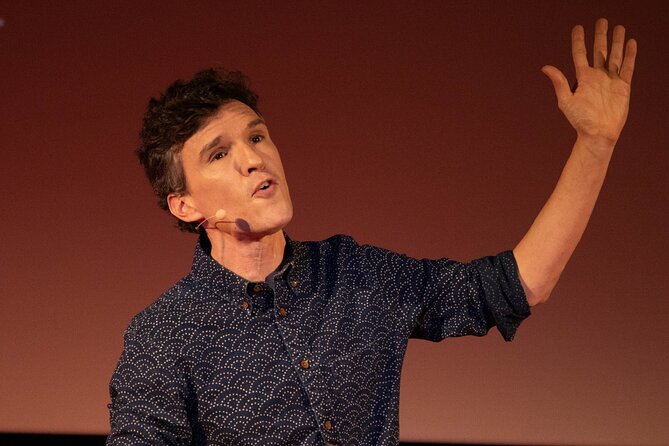
One major attraction is The Garden of Earthly Delights by Hieronymus Bosch. The painting is famous for its crowded scenes, strange creatures, moral suggestions, and details that invite close inspection. It is also the sort of work that can leave you unsure where to begin.
A guide can help you look beyond the spectacle. You may examine how Bosch fills the surface, how the scenes relate to one another, and how the painting reflects the concerns of its time. You do not need to arrive with a background in religious art or European history. The value comes from having someone point out a visual path through the painting.
Brueghel the Elder and other Flemish painters help set up the story of careful observation, layered scenes, and new ways of representing the world. The tour’s chronological structure lets you see how later painters worked from earlier ideas while also pushing in new directions.
This is one of the strongest reasons to choose a guide. You can admire Bosch or Brueghel alone, but it is harder to connect them to the later masterpieces elsewhere in the building without some structure.
More Prado Museum tickets:
- Madrid: Prado Museum Guided Tour with Skip-the-Line Ticket
★ 4.5 · 2,018 reviews - Madrid: Prado Museum Guided Tour With Fast Access
★ 4.8 · 1,785 reviews - Prado Museum Small Group Tour with Skip the Line Ticket
★ 5.0 · 1,738 reviews - Royal Palace & Prado Museum Skip the Line Guided Tour
★ 4.5 · 1,347 reviews
Las Meninas and the art of seeing
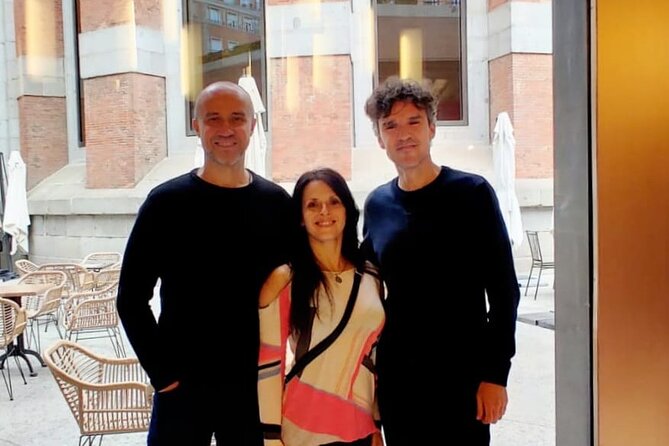
The tour builds toward Las Meninas by Diego Velázquez, the Prado’s most famous painting and one of the central works in Western art. You will not just hear that it is important. The guide’s job is to help you see why.
Velázquez plays with viewpoint, space, the position of the viewer, and the act of painting itself. The work can seem mysterious at first because it asks you to think about who is looking at whom. A strong explanation helps you notice how the figures, mirror, doorway, and painter create a complicated visual situation.
Several people who took the tour found this progression especially helpful. By seeing earlier developments first, you can better understand how remarkable Velázquez’s choices were. The painting becomes more than a royal portrait. It becomes a lesson in perception and in the power of painting to question its own limits.
This is also where the small group matters. The Prado can be crowded around Las Meninas. With only seven people at most, the guide can position the group more carefully and keep the explanation audible. Some sessions use headsets, which makes it easier to follow without standing shoulder to shoulder with the guide.
Goya’s light, darkness, and modern edge
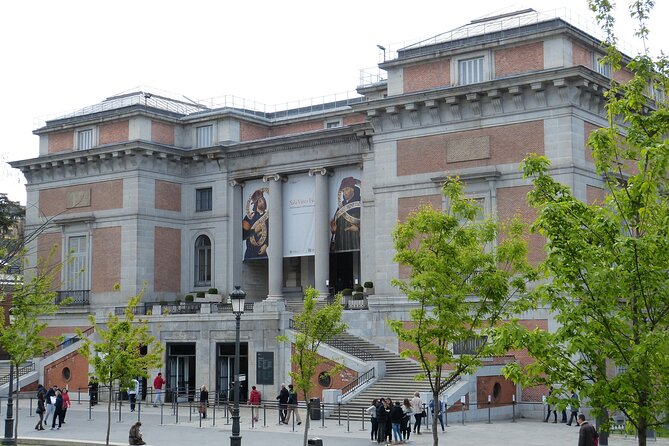
The Prado has the world’s strongest collection of works by Francisco de Goya, and this tour gives him an important place. Goya is often described as the first great modern artist because his work moves beyond polished royal images and confronts fear, war, irrationality, and human weakness.
You may see key paintings from different stages of his career, including examples from the Dark Paintings. These works are unsettling, and they reward a slower look. The guide can help you compare Goya’s public commissions with his more personal and disturbing images.
The Goya section also shows why a chronological tour is useful. You can follow the shift from official portraiture and court life toward a much more direct treatment of anxiety and suffering. That change makes Goya feel connected to later modern art rather than locked in the past.
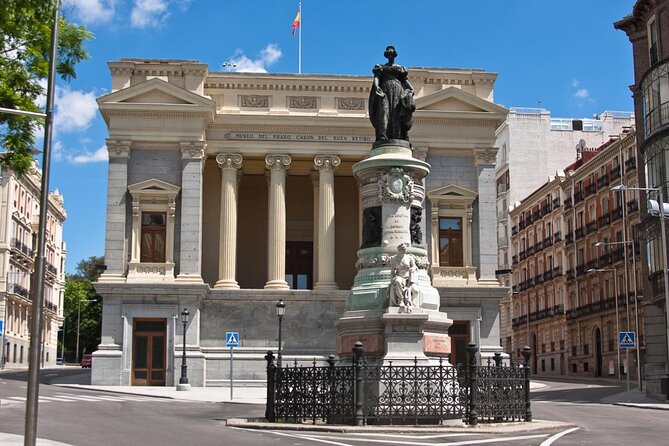
Pablo’s particular background adds another layer. He has been described as working in journalism and art therapy as well as art history. His method includes asking how a painting makes you feel and what your response might reveal. That is not the same as a standard lecture, and it may appeal to you if you enjoy discussing the emotional side of art.
If you prefer only dates, titles, and technical facts, this approach may feel more personal than expected. The guide still covers history and technique, but he also encourages you to trust your own reaction.
What makes Pablo’s guiding style different
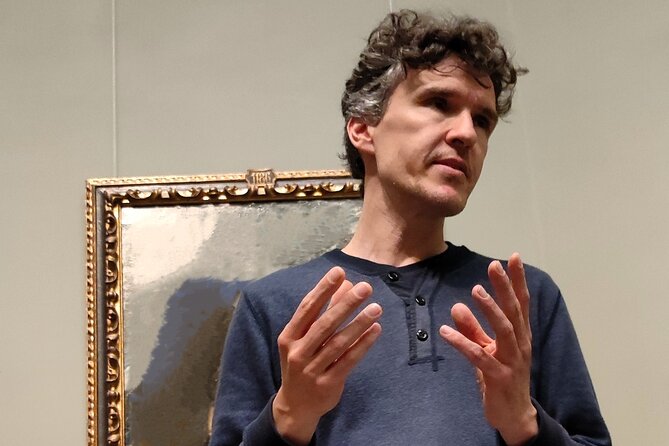
The strongest praise for this experience centers on Pablo. His explanations are described as clear, warm, humorous, and emotionally engaged. He is not simply pointing out the famous works. He is teaching you how to look at them.
A repeated strength is his ability to make art accessible to people who do not consider themselves art fans. He uses plain explanations and connects one painting to the next. Even a teenager or a person who normally feels lost in museums can follow the story.
He also leaves room for questions. In a group of seven, there is a real chance to pause and discuss a painting instead of listening to a one-way speech. That personal contact is difficult to get in a large group.
His background in art therapy may be especially appealing if you want to explore your own response to paintings. You may discuss why one image attracts you, why another feels uncomfortable, or how a painter guides your eye. For some visitors, that makes the museum experience more memorable than a list of facts.
The guide’s skill in navigating the museum also matters. The Prado can be crowded, and the route needs to balance good viewing spots with the need to keep moving. A small group is easier to guide through busy rooms than a large crowd.
Is $60.49 a fair price?
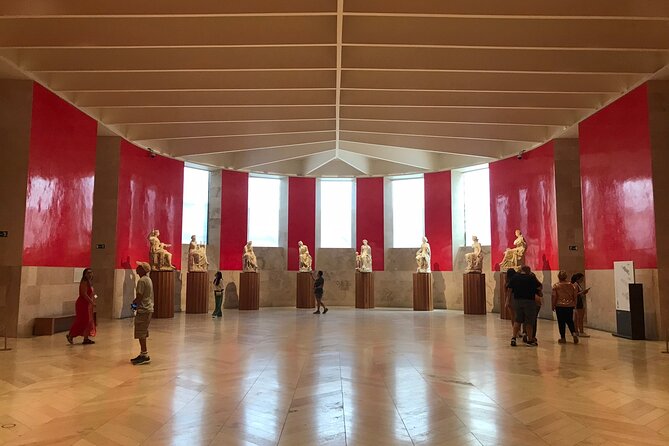
The price is $60.49 per person. That is more than the cost of simply entering a museum, but this is not just an admission purchase. Your fee includes the ticket, a licensed official guide, skip-the-line access at the ticket office, and a group capped at seven people.
The value depends on how you use museums. If you are happy wandering alone and reading labels, you may prefer to buy entry separately and spend several hours exploring at your own pace. The Prado rewards independent visits, especially if you already know which artists you want to see.
If you have only a short time, feel unsure where to start, or want a clear explanation of major works, the price is easier to justify. You are paying for selection and interpretation. The guide saves you from trying to make sense of an enormous collection while tired or distracted.
I also think the small group improves the value. A cheap large-group tour can leave you struggling to hear, waiting for people to catch up, or standing too far from the painting. Seven people is still a group, but it is small enough to feel close to a private visit.
Group discounts may be available, though the exact savings are not specified. The tour is offered in English.
The two-hour limit: helpful focus, real compromise
Two hours is a sensible length for a guided museum visit. You get a concentrated introduction without reaching the point where every painting begins to blur together. The route appears to focus on a selected set of major works rather than trying to cover the entire Prado.
Still, you should understand what you are giving up. You will not see everything, and you may wish for more time with the museum’s lesser-known works. One person who enjoyed the tour wished there had been more time to remain in the galleries afterward.
Think of the experience as your foundation. It teaches you what to notice and gives you a list of paintings to revisit. If you have a full day for the Prado, book the guided visit early in your museum time, then return to your favorite rooms afterward.
If your schedule allows only the two-hour appointment, accept that you are getting the highlights and the story behind them. That is a strength, not a flaw, as long as you do not expect a complete museum tour.
Who should book this Prado experience?
I would recommend it most strongly to:
- First-time Prado visitors who want a clear route
- Couples or families with different levels of art interest
- People who have limited time in Madrid
- Museum visitors who want historical context, not just labels
- Anyone curious about how to look at a painting
- Returning visitors who want fresh interpretations of familiar works
It is also a good choice if you normally feel intimidated by major museums. The guide gives you permission to ask basic questions and helps you see that appreciating art is not a test.
You may want to skip it if you strongly prefer total independence, want to study one artist for hours, or already have a detailed personal plan for the Prado. The two-hour route will not replace a full museum day.
The activity is near public transportation, service animals are allowed, and most people can participate. Confirmation is provided at booking. You can cancel for a full refund up to 24 hours before the start time, but changes or cancellations inside that window are not accepted.
Final verdict: a smart first visit to the Prado
Book this tour if you want the Prado to feel understandable rather than overwhelming. The best features are not only the included ticket or the shorter line. They are the small group, the careful selection of paintings, and the way Pablo connects artistic technique with history and personal response.
The main caution is simple: two hours cannot cover the Prado. Treat this as a focused introduction, not your entire museum day. If you can return afterward, you will get the best value by using the tour to learn the museum’s visual language, then exploring at your own pace.
For first-time visitors, non-specialists, and anyone who wants more than a quick look at famous paintings, this is a strong choice at $60.49. If Pablo leads your group, expect an especially thoughtful session built around learning how to see.
FAQ
Where does the Prado tour begin?
It begins at the Monument to Goya on C. de Felipe IV, in the Retiro area of Madrid.
Where does the activity end?
The activity ends back at the meeting point.
Is the Prado admission ticket included?
Yes. The museum admission ticket is included in the tour price.
Does the tour skip the ticket-office line?
Yes. The tour includes skip-the-line access so you do not have to wait at the museum ticket office.
How long does the tour last?
The tour lasts approximately two hours.
How many people can join the tour?
The maximum group size is seven travelers.
Is the tour offered in English?
Yes. The experience is offered in English.
Is the guide officially licensed?
Yes. The tour includes a licensed official guide qualified in art history.
Is the meeting point near public transportation?
Yes. The meeting point is near public transportation.
Can I cancel for a full refund?
Yes. You can cancel at least 24 hours before the experience start time for a full refund. Cancellations or changes made less than 24 hours before the start time are not accepted.
More Skip the Line
- Madrid: Royal Palace Expert Guided Tour with Skip-the-Line
★ 4.7 · 6,986 reviews - Madrid: Royal Palace Skip-the-line Guided Tour
★ 4.9 · 3,146 reviews - Madrid: Royal Palace Skip-the-Line Guided Tour
★ 4.5 · 2,140 reviews - Madrid Old Town & Royal Palace Walking Tour Skip the Line Ticket
★ 4.5 · 1,829 reviews
More Museums
- Madrid: Sweet Space Museum Entry Ticket
★ 3.9 · 1,227 reviews - Madrid: Prado Museum Ticket with In-App Audio Guide
★ 3.6 · 1,154 reviews - Prado Museum Guided Tour with Skip-the-Line Ticket
★ 4.5 · 1,146 reviews - Madrid: Wax Museum Entry Ticket
★ 4.4 · 718 reviews
Recently added around Madrid
- Madrid: Thyssen Museum Guided Tour with Skip-the-Line Entry★ 4.5 · 165 reviews
- Axe Throwing 1 hour session★ 5.0 · 166 reviews
- Madrid Food Walking Tour with Tapas and Vermouth★ 5.0 · 167 reviews
- Toledo Full-Day Walking Tour with Guide from Madrid★ 4.5 · 170 reviews
- Madrid: Top Pub Crawl Madrid & Party★ 5.0 · 173 reviews
- Madrid Gourmet Tapas Small Group Tour★ 5.0 · 175 reviews
- Street Art Guided Tour in Madrid★ 5.0 · 175 reviews
- Iberian Ham and Wine Small Group Tour in Madrid★ 5.0 · 176 reviews
Prado Museum Tours, compared.

Small Group of Prado Museum Tour & Optional Tapas
Read our review →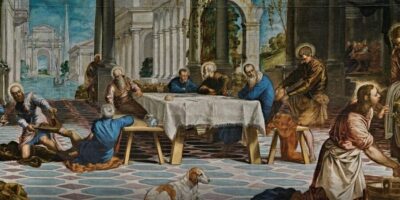
Prado Museum Guided Tour with Skip-the-Line Ticket
Read our review →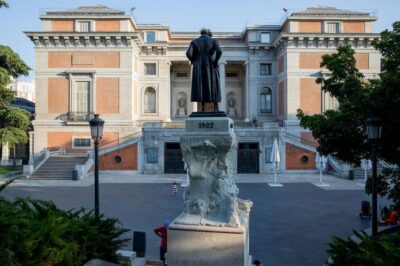
Prado Museum Small Group Tour with Skip the Line Ticket
Read our review →
Royal Palace & Prado Museum Skip the Line Guided Tour
Read our review →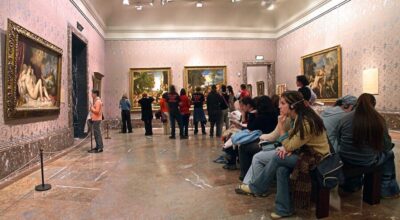

Prado Museum Guided Tour with Skip-the-Line Ticket
Read our review →Browse the lists this tour appears in