
Review · TEIDE NATIONAL PARK TOURS
Teide National Park: Stargazing Experience
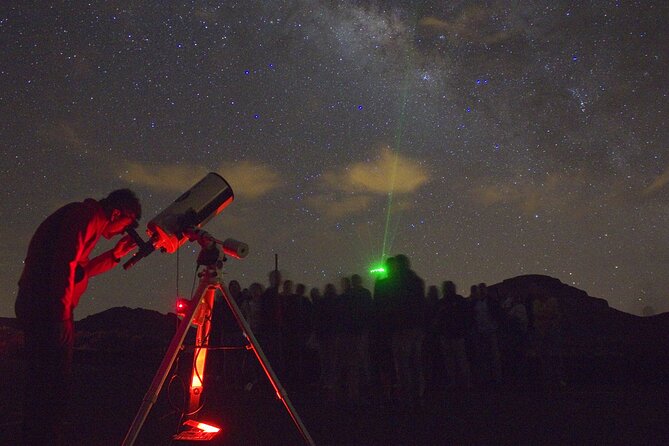
The sky puts on a quiet show. This 80-minute evening outing in Teide National Park combines naked-eye star watching, constellation stories, and telescope views in one of Tenerife’s best settings for astronomy. At $41 per person, I like the mix of practical sky guidance and proper equipment. I also like that guides such as Miguel and Manuel make the science friendly rather than turning it into a lecture.
The main catch is the cold. You can be comfortable at lower elevations and still find the national park bitterly chilly after sunset, especially in autumn and winter. A second consideration is the moon: its cycle affects how many faint stars you can see, so the date matters. Still, with a rating of 4.7 from 220 bookings, this is a strong choice for couples, families with older children, and anyone who wants more than a quick look at the stars.
In This Review
- Key points at a glance
- Why Teide is such a good place for stargazing
- The meeting point at Minas de San José
- The first 20 minutes: learning to read the sky
- Greek myths turn star shapes into stories
- The telescope portion: planets, clusters, and galaxies
- How the moon changes the experience
- The cold is not a minor detail
- Price, duration, and overall value
- Who will enjoy this most
- Language, communication, and planning
- Should you book the Teide stargazing tour?
- FAQ
- Where does the stargazing tour meet?
- How do I find the correct parking area?
- How long does the activity last?
- What languages are available?
- Is hotel pickup included?
- What does the tour include?
- Is dinner included?
- What should I wear?
- Can children join the activity?
- Can I cancel for a full refund?
Key points at a glance
- Teide’s dark sky: The national park’s distance from town lights gives you a clear setting for seeing stars and the Milky Way.
- Starts with the naked eye: You first learn the main stars, constellations, Polaris, the celestial north pole, and the zodiac line before using telescopes.
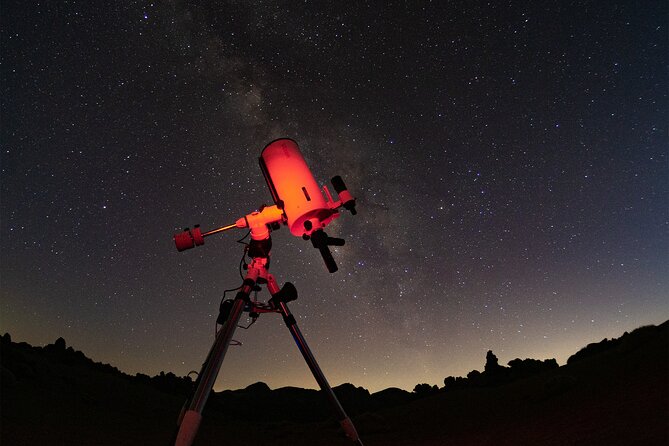
- High-grade telescopes: The equipment brings planets, star clusters, galaxies, and other night-sky objects closer.
- Greek mythology adds character: Constellation stories help you remember the shapes and positions overhead.
- Astrophoto telescope: Depending on the session and objects visible, you may receive images of things observed, such as a star cluster or galaxy.
- Bring serious winter clothing: Warm shoes and thick layers are essential, even when Tenerife feels mild elsewhere.
Why Teide is such a good place for stargazing
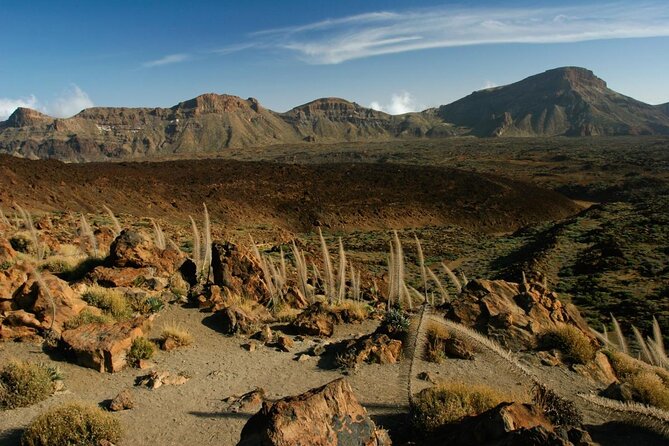
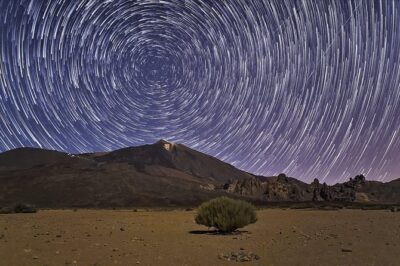
Teide National Park gives this activity its main advantage: darkness. Away from the town lights, the sky can reveal far more stars than you usually see from a hotel balcony or city beach. The park’s high setting also adds to the chill, so the same conditions that help the stars can make you shiver.
I like that the evening does not begin with a telescope pointed randomly at the sky. First, the guide helps you understand what you are looking at. You learn to identify important stars and constellations, then use them to find your way around the night sky.
That simple orientation makes a real difference. Instead of seeing a mass of bright points, you begin to recognize patterns. Polaris and the celestial north pole become useful reference points, while the ecliptic and zodiac line explain the route followed by the Sun, Moon, and planets across the sky.
The references to Greek mythology give the session a human touch. You are not only memorizing names. You are hearing the stories attached to the shapes and learning why particular constellations appear where they do. The result is part science lesson, part old-fashioned storytelling.
More Teide National Park trips:
- Tenerife: Mount Teide Tour with Cable Car Ticket & Transfer
★ 4.3 · 5,094 reviews - Tenerife: Sunset and Stargazing at Teide National Park
★ 4.7 · 2,826 reviews - Teide National Park Sunset & Stargazing with Dinner (Star Safari)
★ 5.0 · 2,601 reviews
The meeting point at Minas de San José
You meet in the parking area directly in front of the natural environment of Minas de San José. The directions depend on your approach. From the south, it is the second car park on the right. From the north, it is the first car park on the left.
This is an important detail because Teide National Park is broad, and a vague meeting instruction would be unhelpful after dark. Give yourself enough time to locate the correct parking area before the scheduled start. The activity does not include hotel pickup or drop-off, so you need to arrange your own transport to the park.
The location is chosen for safe access as well as good sky conditions. You are not being led onto a difficult route or asked to walk far into an isolated area. Even so, comfortable shoes matter. You will be outside, standing and looking upward, so flimsy footwear is a poor match.
The provider confirms the exact schedule through WhatsApp or email, especially if you book months ahead. Start times can change, so check your messages rather than relying only on the time shown when you first reserve.
The first 20 minutes: learning to read the sky
The session begins after sunset with the naked eye. This is one of the strongest parts of the experience because it gives you something useful to take home. Once you know how to recognize a few stars and constellations, you can continue looking up during the rest of your holiday.
The guide points out major constellations and important stars, then explains how to orient yourself. Polaris and the celestial north pole provide a fixed point for understanding the sky’s apparent movement. The guide also traces the ecliptic and zodiac line, helping you see why planets appear in a particular band rather than anywhere overhead.
You do not need previous astronomy experience. The session is suitable for beginners, but it also offers enough detail for people who already enjoy looking at the night sky. One guest described the balance as a mix of practical information, star watching, and a little astrology. In accurate terms, this is an astronomy experience, with zodiac references and mythology used to make the sky easier to understand.
The quality of the guide matters here. Miguel has been praised for being clear, funny, and passionate, while Manuel has been singled out for making the mythology and star explanations interesting. Other sessions have been led in English or Spanish, so select the language that suits your group.
Greek myths turn star shapes into stories
Constellations can be hard to remember when they are presented as a list of names. The mythology gives them a plot. As the guide explains the shapes and their positions, the stars become easier to place and recall.
This is especially useful for families and first-time stargazers. Children may not remember every technical term, but they often remember a story linked to a constellation. Adults get a more enjoyable way to connect the science with the culture of ancient Greece.
The tone appears to be relaxed rather than formal. Guides have been described as funny, friendly, and easy to understand. That matters during an outdoor activity because a long technical talk can feel cold in every sense. Here, the explanations are broken up by looking, pointing, and sharing the sky as a group.
More stargazing nights:
- Teide by Night: Sunset & Stargazing with Telescopes Experience
★ 4.5 · 1,492 reviews - Sunset & Stargazing Experience From Teide
★ 4.5 · 1,129 reviews - Teide National Park: Guided Large Telescope Stargazing Tour
★ 4.9 · 319 reviews - Tenerife: Sunset Night Tour and Stargazing at Teide + Dinner
★ 3.8 · 316 reviews
The telescope portion: planets, clusters, and galaxies
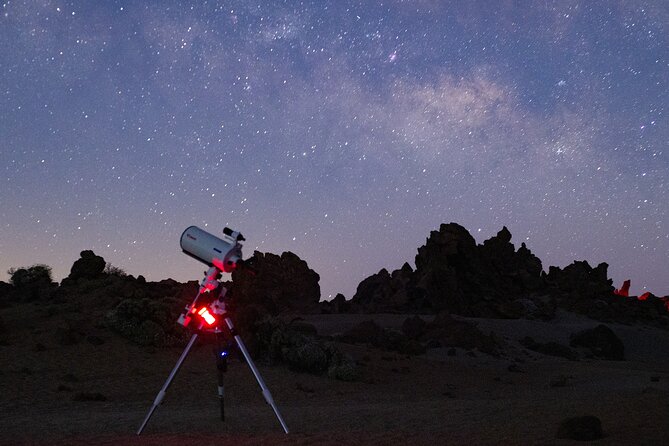
Once you have your bearings, the group moves to telescope observation. The exact objects depend on the season, the moon, and what is visible that night, so you should not treat the examples below as a guaranteed program.
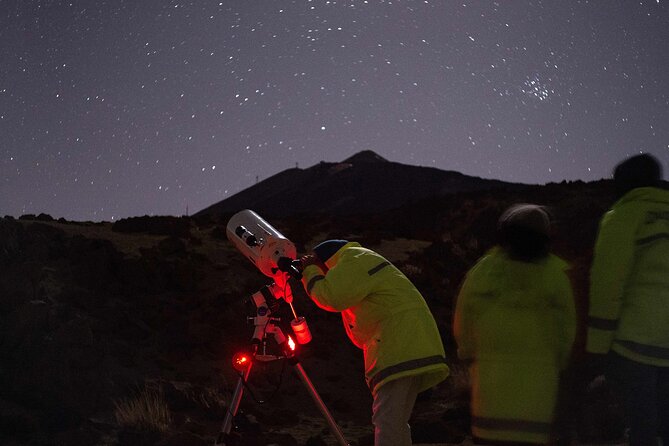
Past sessions have included Saturn and its moons, Jupiter and its moons, Mars, the Moon, Orion’s Nebula, the Andromeda Galaxy, the Milky Way, and star clusters. Seeing these through a proper telescope changes the experience from simply admiring a bright point to understanding what that point actually is.
Jupiter with its moons can be especially satisfying because the arrangement is clear and immediate. Saturn is memorable for the same reason: its form is much more meaningful when you see it through the instrument rather than only hearing about it. Orion’s Nebula and Andromeda offer a different kind of appeal, showing that the night sky contains both nearby planets and objects far beyond our own solar system.
The tour uses advanced telescopes, including an astrophoto telescope. In at least one session, images of a star cluster and a galaxy were sent afterward. That is a useful extra because a quick look through an eyepiece can be hard to capture in your memory, especially when several people are waiting for their turn.
Do keep expectations sensible. An astronomy outing is controlled by natural conditions. Clouds, visibility, the moon’s brightness, and the season can affect what you see. The activity promises observation of the most notable objects available that night, not a fixed list of planets and galaxies.
How the moon changes the experience
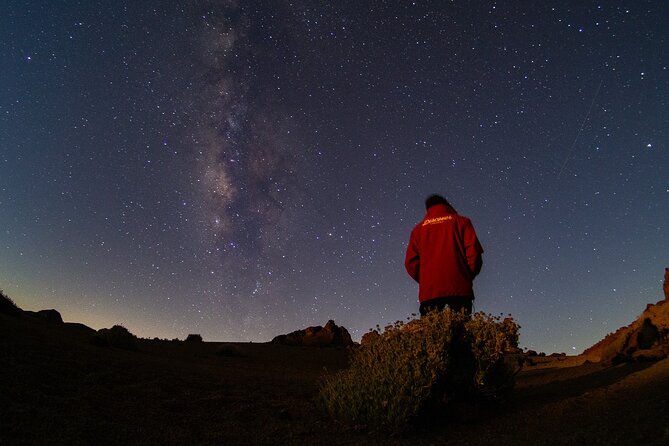
The moon has a cyclical nature, and this is worth considering before you book. A bright moon can be beautiful in its own right, but it also washes out many faint stars. A darker sky usually helps with seeing the Milky Way and less brilliant deep-sky objects.
I would check the moon phase when choosing your date if you have flexibility. If you particularly want to see the Moon through the telescope, a brighter lunar period may suit you. If your main goal is a dense field of stars, galaxies, and faint clusters, a darker night may be preferable.
The guide can still make the session worthwhile under different moon conditions because the program includes constellation navigation and telescope viewing. The key is to match your expectations to the sky rather than assuming every night will look identical.
The cold is not a minor detail
Nearly every practical warning points to the same issue: it gets cold. The park can feel very different from the coast, and once you spend a long period outdoors after sunset, the temperature becomes part of the experience.
Bring warm clothing, warm shoes, and comfortable footwear. In autumn and winter, heavy layers are essential. Even in summer, take more insulation than you think you need. A past session in August had temperatures around 14 degrees Celsius with strong wind while it was 25 degrees lower down the mountain.
The total activity is advertised as 80 minutes, but one participant referred to spending about two hours outside and feeling frozen. That may reflect the full evening experience, waiting, or time around the session, but it is a useful warning. Plan for more outdoor time than the headline duration suggests.
I would pack a warm coat, extra layers, and covered shoes. Do not rely on Tenerife’s daytime weather report. The stars may be spectacular, but cold fingers make telescope viewing much less enjoyable.
Price, duration, and overall value
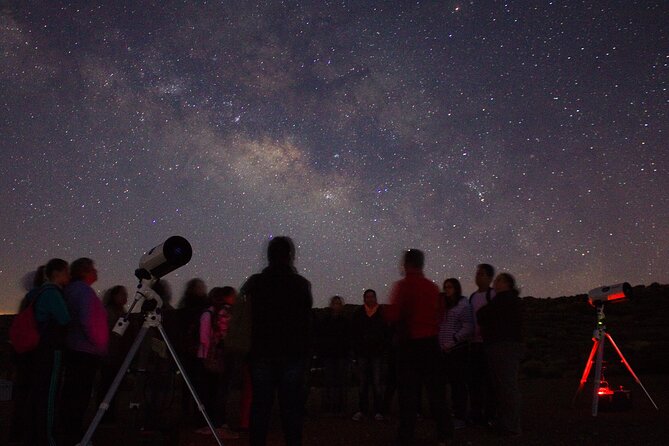
At $41 per person, the cost is reasonable for a guided astronomy activity in a protected national park setting. You are paying for an 80-minute program, a professional astronomical guide, telescope access, naked-eye instruction, and insurance during the activity.
The value is strongest if you do not already have access to a dark sky or a quality telescope. A free look at the stars from a resort cannot offer the same help with constellations or the same chance to view planets and deep-sky objects through proper equipment.
The duration is also long enough to provide a clear beginning, middle, and end. You start with orientation, move into stories and explanations, then observe through the telescopes. Still, one participant felt the price was slightly high for the time spent. If your interest in astronomy is mild, you may find 80 minutes outdoors a little short for the cost, especially if the cold affects your patience.
For someone who actively wants to understand the sky, $41 is easier to justify. The guides add value by showing you how to navigate rather than simply pointing out a few bright objects.
Who will enjoy this most
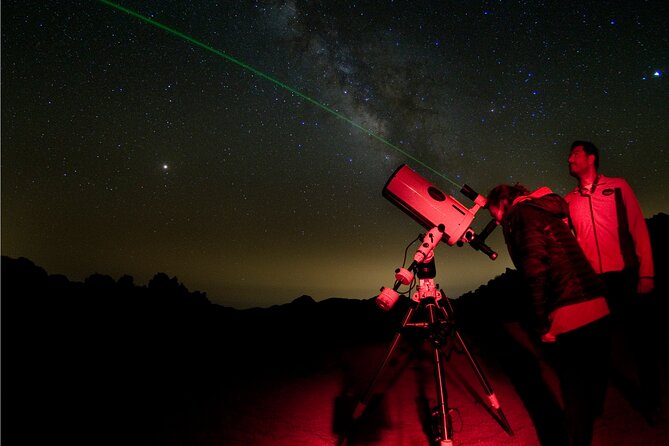
I would recommend the tour to first-time stargazers, couples looking for a memorable evening, and families with children who can manage the late timing and cold. It also suits people who like a blend of science, mythology, and visual discovery.
You do not need technical knowledge. The explanations begin with basic orientation, but the telescope session can still interest more experienced hobbyists. The strongest match is someone who wants to learn what they are seeing, not just take a scenic nighttime trip.
It is less suitable if you dislike cold outdoor activities or want a guaranteed list of specific planets. People with heart problems or respiratory issues should not book, according to the stated restrictions. The activity also excludes unaccompanied minors, and pets are not allowed.
You should also avoid the experience if you have gone underwater diving within the previous 24 hours, as this is listed as a restriction. If any health condition concerns you, check before booking.
Language, communication, and planning
The tour is offered in Spanish and English. The provider uses WhatsApp or email to confirm the schedule and send reminders, which is useful when start times can vary for advance bookings.
There is no dinner included, so plan your evening around that. You also need to arrange your own way to the Minas de San José meeting point. This is not a hotel pickup excursion.
Free cancellation is available up to 24 hours before the activity for a full refund, and you can reserve now and pay later. Those options are helpful if your Tenerife plans depend on weather or other outings, though the sky itself remains beyond anyone’s control.
Should you book the Teide stargazing tour?
Book it if you want a clear introduction to the night sky with real telescope time, friendly guides, and a dark setting far from town lights. The best parts are the naked-eye orientation, the mythology, the chance to see objects such as Jupiter, Saturn, Orion’s Nebula, or Andromeda, and the occasional follow-up astrophoto.
Think twice if you are poorly prepared for cold, need hotel transport, or expect a fixed astronomical lineup. Check the moon phase, confirm the start time through WhatsApp or email, and bring much warmer clothing than Tenerife’s daytime weather suggests.
For $41, I consider this a good-value choice for curious beginners and families with older children. The sky is the star of the evening, but a good guide helps you understand what you are seeing. That makes the experience more lasting than a simple look upward.
FAQ
Where does the stargazing tour meet?
The meeting point is the parking area directly in front of the natural environment of Minas de San José in Teide National Park.
How do I find the correct parking area?
If you arrive from the south, use the second car park on the right. If you arrive from the north, use the first car park on the left.
How long does the activity last?
The stated duration is 80 minutes. You should still plan for extended time outdoors because the full evening around the activity may take longer.
What languages are available?
The live guide is available in Spanish and English.
Is hotel pickup included?
No. Hotel pickup and drop-off are not included, so you must arrange your own transport to and from the meeting point.
What does the tour include?
It includes a naked-eye explanation of the sky, astronomical observation with telescopes, a professional astronomical guide, and insurance during the activity.
Is dinner included?
No. Dinner is not included.
What should I wear?
Wear comfortable shoes, warm clothing, and warm shoes. Extra layers are especially important in autumn and winter because temperatures can be low after sunset.
Can children join the activity?
Unaccompanied minors are not allowed. The supplied information does not specify a minimum age for children accompanied by an adult.
Can I cancel for a full refund?
Yes. You can cancel up to 24 hours in advance for a full refund. A reserve-now, pay-later option is also available.
More National Parks
- Tenerife: Snorkeling Tour in a Marine Protected Area
★ 4.9 · 636 reviews - Small Group Teide National Park Volcanic and Forest Wonders
★ 5.0 · 402 reviews - Tenerife: Teide National Park Guided Buggy Tour
★ 4.6 · 299 reviews - Tenerife Grand Tour: including Teide National Park and Masca
★ 4.0 · 191 reviews
Recently added around Tenerife
- Jeep Safari to Teide and Masca★ 4.5 · 165 reviews
- Tenerife Sunset Catamaran tour with transfer – Food and Drinks included.★ 5.0 · 166 reviews
- Tour with Whale and Dolphin Watching plus food included★ 4.5 · 166 reviews
- Costa Adeje: Tuk Tuk Tour★ 4.6 · 167 reviews
- Private Surfing Lesson at Playa de las Américas★ 5.0 · 167 reviews
- Sunset and Stars at Teide National Park★ 4.5 · 168 reviews
- Tenerife Snorkeling Tour in turtle habitat★ 4.0 · 168 reviews
- Tenerife: Hard Rock Cafe Set Menu Lunch or Dinner & Drink★ 4.1 · 169 reviews
Teide National Park Tours, compared.
Mount Teide Tour with Cable Car Ticket & Transfer
Read our review →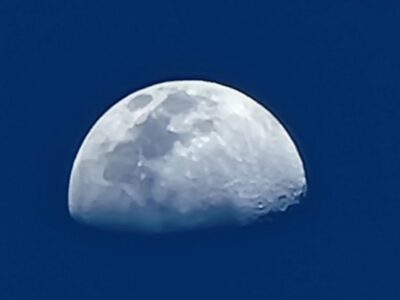
Teide National Park Sunset & Stargazing with Dinner (Star Safari)
Read our review →
Teide by Night: Sunset & Stargazing with Telescopes Experience
Read our review →
Mount Teide Summit Hiking Adventure with Cable Car
Read our review →
Teide, Icod de los Vinos & Garachico Full Day Tour
Read our review →Browse the lists this tour appears in