
Review · SEVILLE TOURS
Sevilla: Ramón Sánchez Pizjuán Stadium Entry Ticket
Football history lives here. Ramón Sánchez-Pizjuán Stadium gives you a close look at Sevilla FC, from its earliest days to major trophies and famous matches. I like the freedom to move at your own pace, and I especially like the chance to walk through the players’ tunnel and onto the pitch.
The audio guide adds useful context without tying you to a group. The museum is rewarding even if you are not a serious football fan, thanks to its jerseys, photos, trophies, and club stories. The main drawback is that this is a self-guided visit, so anyone hoping for a lively local guide or a highly detailed stadium production may find it a little plain.
In This Review
- Key points to know before you go
- Entering Ramón Sánchez-Pizjuán Stadium
- Starting with Sevilla FC’s story since 1890
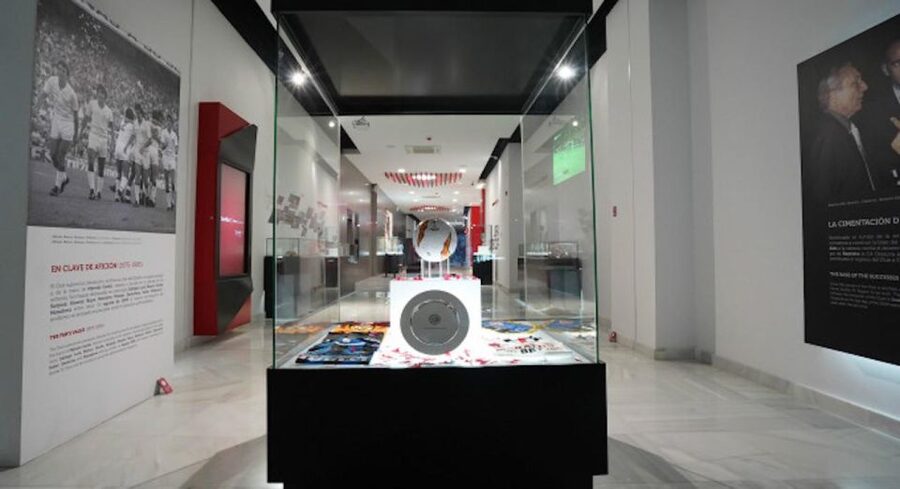
- Seeing the trophies, shirts, and photographs
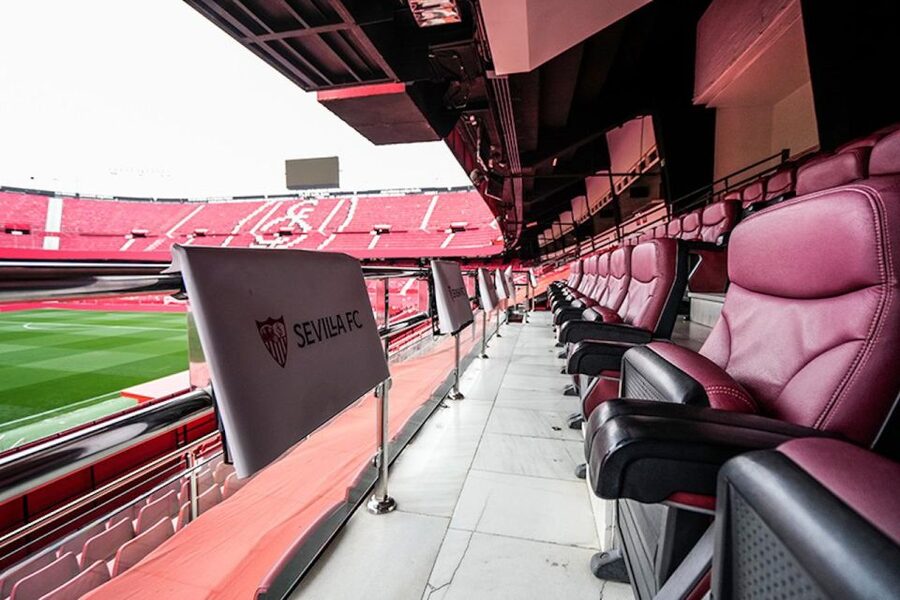
- The VIP box and media room
- The locker room and player tunnel
- Stepping onto the pitch at a famous venue
- Is $16 good value for 90 minutes?
- Timing, ticket use, and practical preparation
- Who will enjoy this stadium visit most?
- Should you book Ramón Sánchez-Pizjuán Stadium?
- FAQ
- How long does the stadium visit last?
- What is included in the ticket?
- Is a live tour guide included?
- Which languages are available for the audio guide?
- What should I bring?
- Where does the visit begin?
- Where does the visit end?
- Is the activity suitable for wheelchair users?
Key points to know before you go
- A 90-minute self-guided visit: You explore the museum and stadium areas at your own speed, with no tour group to follow.
- The pitch access is the big moment: Walk from the locker room tunnel onto the field while the audio guide supplies fan noise and the Sevilla anthem.
- The museum covers football from 1890: Exhibits trace Sevilla FC’s origins, players, coaches, presidents, jerseys, photographs, and major trophies.
- You enter behind-the-scenes spaces: The route includes the locker room, VIP box, media room, and player entrance tunnel.
- The $16 price is reasonable: It offers more than a museum visit, though it is less detailed than some large guided stadium tours.
- Bring your own equipment: You need a charged smartphone and headphones. The tour is not suitable for wheelchair users.
Entering Ramón Sánchez-Pizjuán Stadium
Your visit begins at the stadium entrance turnstiles. Show the ticket sent in a separate email, then begin the route inside Ramón Sánchez-Pizjuán Stadium, a football ground built in 1958.
That opening detail matters. You are not arriving at a distant training complex or a generic sports museum. You are entering the home ground of Sevilla FC, in the middle of Seville, with the stadium’s football identity all around you.
The ticket includes an audio guide app rather than a live guide. That makes the visit simple and flexible. You can pause, spend extra time with a display, or move on when an exhibit does not hold your interest. You should download or access the app as instructed before starting, and bring headphones and a fully charged phone.
The audio guide is available in Spanish, English, Arabic, Chinese, Japanese, German, Italian, Portuguese, and French. That broad language choice is useful for international visitors, though you should not expect the back-and-forth questions and personal stories that come with a human guide.
A few more Spain trips worth a look
- Seville: Royal Alcázar Entry Ticket
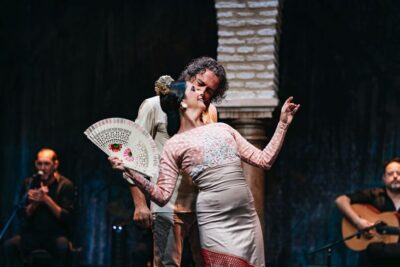
★ 4.6 · 28,378 reviews - Seville: Live Flamenco Dancing Show Ticket at the Theater
★ 4.7 · 16,396 reviews - Seville: 1-Hour Guadalquivir River Sightseeing Eco Cruise
★ 4.2 · 10,281 reviews
Starting with Sevilla FC’s story since 1890
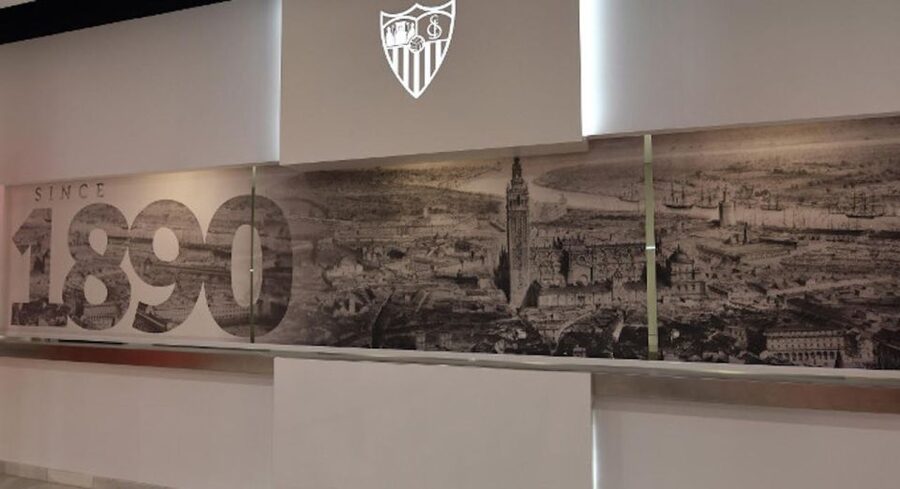
The museum sets the stage for the rest of the visit. It traces Sevilla FC back to 1890 and covers the club’s early origins, including the first documented football match in Spain.
This is one of the best parts for visitors who know little about Spanish football. Instead of seeing only shirts and silverware, you get a basic sense of how the club developed and how its players, coaches, and presidents shaped its identity.
The displays use jerseys, photographs, and club material to connect different eras. A football shirt can tell you more than a date on a wall. It shows changing styles, famous players, and the way a club presents itself over time.
I would give the museum enough attention before rushing into the stadium areas. The pitch is the obvious photo opportunity, but the museum explains why that pitch matters to Sevilla supporters.
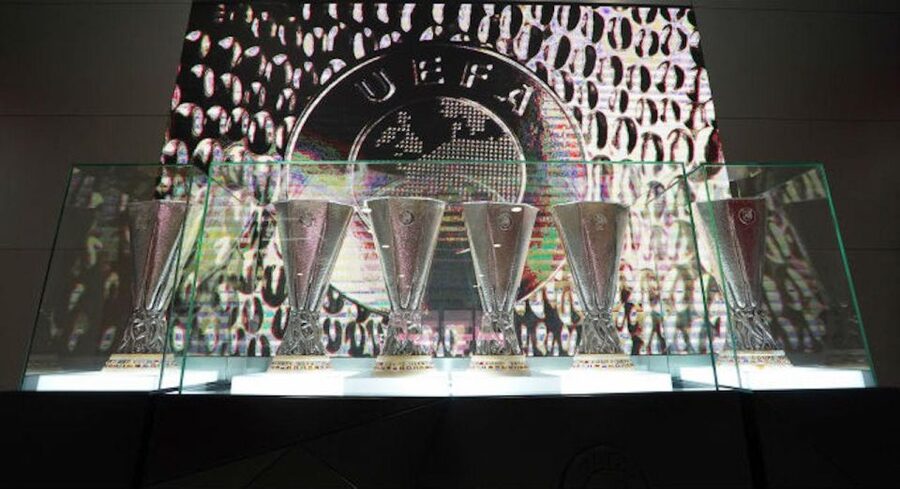
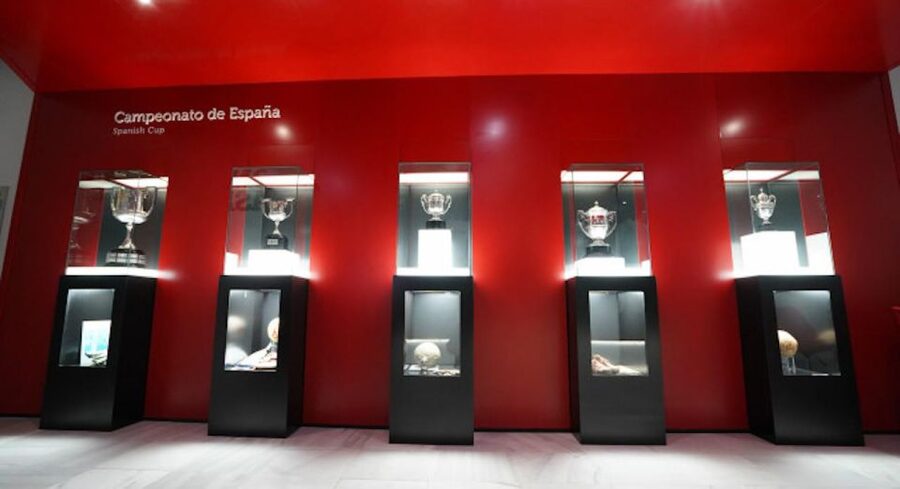
You will also see the club’s major trophies, including La Liga, five Copa del Rey titles, the Supercopa de España, and the Supercopa de Europa. The silverware provides a quick visual record of Sevilla FC’s success, while the photographs help put those victories into a human setting.
The museum is not presented as an academic football archive. It is designed to create a feeling for the club. If you already follow Sevilla FC, you will likely want more time here. If you are only mildly interested in football, the displays still give you enough context to make the rest of the tour more meaningful.
Seeing the trophies, shirts, and photographs
The trophy displays are the museum’s most obvious attraction, but do not skip the jerseys and photographs. They help turn a list of titles into a story about people and moments.
You can look at the shirts worn across different periods and see how the club’s visual identity changed. Photographs add faces to the players, coaches, and presidents introduced in the museum. Together, the exhibits make the club feel more personal than a simple cabinet of awards.
The museum also aims for a sensory experience. The audio guide brings in match atmosphere and supporter energy, so you are not simply walking through a silent display room.
This approach works best if you let the audio play rather than treating it as background noise. It supplies the emotional link between the objects in the museum and the stadium waiting outside.
Still, keep your expectations sensible. This is a self-guided audio visit, not a fully staged theatrical show. Some people will appreciate the chance to wander freely. Others may prefer a guide who points out details, answers questions, and keeps the pace moving.
The VIP box and media room
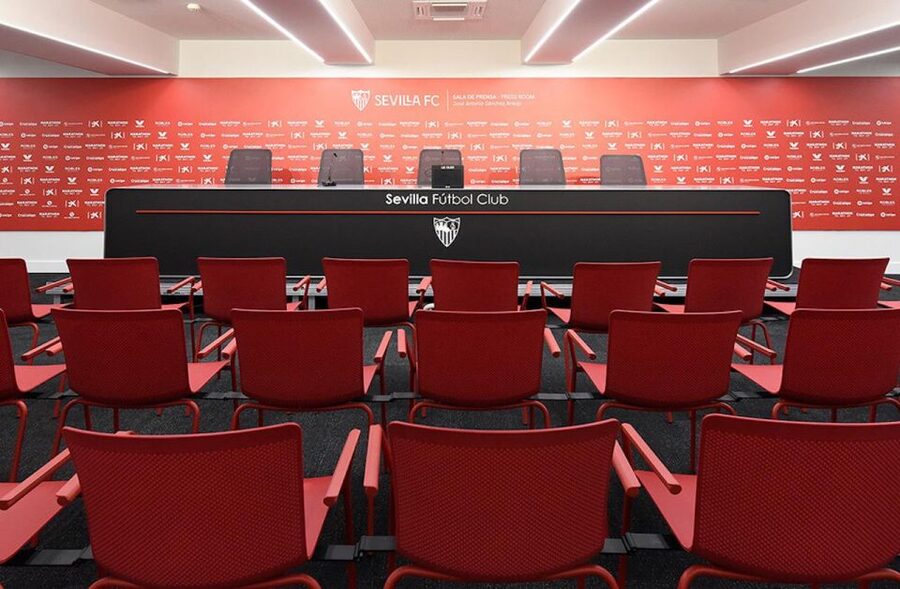
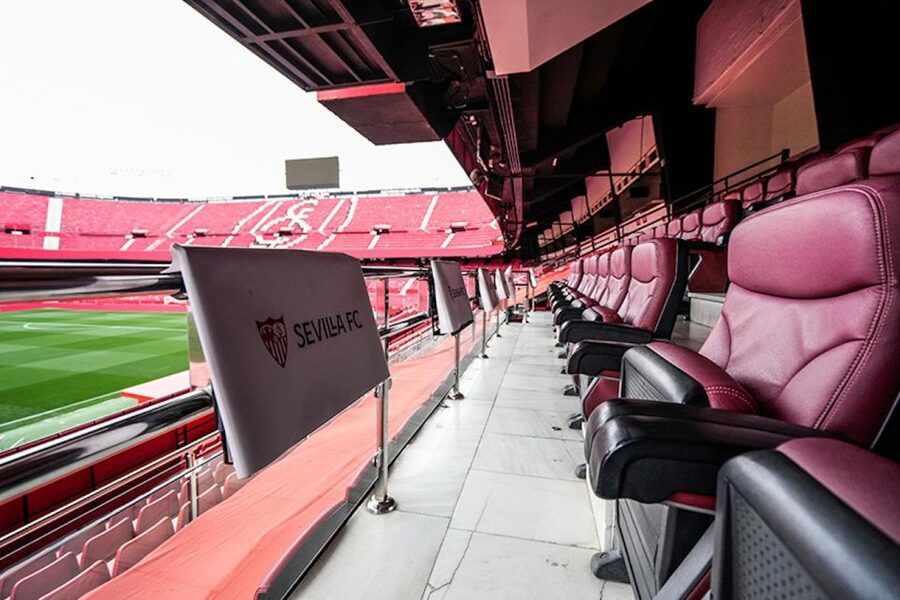
After the museum, the route takes you into more exclusive parts of the stadium. The VIP box gives you a different angle on the club, away from the ordinary seating areas.
From there, you can imagine the match from the perspective of club officials and invited guests. The experience plays with that idea, letting you picture yourself as the president of Sevilla FC. It is a light, playful part of the route rather than a serious lesson in club management.
The media room adds another change of mood. You can take part in a press conference-style experience and answer questions as if you were a player.
That feature may appeal most to families and football fans who enjoy taking photos. It also breaks up the museum route with something more interactive. The visit is not only about reading captions and looking at objects.
Do not expect a full professional media event. The attraction is the chance to step into the setting and pretend for a moment. If you prefer quiet historical displays, you can move through this section quickly.
A completely different kind of day out in Seville:
- Seville: Cathedral, Giralda, and Royal Alcázar Guided Tour
★ 4.7 · 9,165 reviews - Seville: Setas de Sevilla Entry Ticket
★ 4.6 · 8,901 reviews - Seville: Cathedral, Giralda & Alcazar Entry With Guided Tour
★ 4.6 · 8,560 reviews - Seville: Priority Access Cathedral, Giralda & Alcázar Tour
★ 4.8 · 7,563 reviews
The locker room and player tunnel
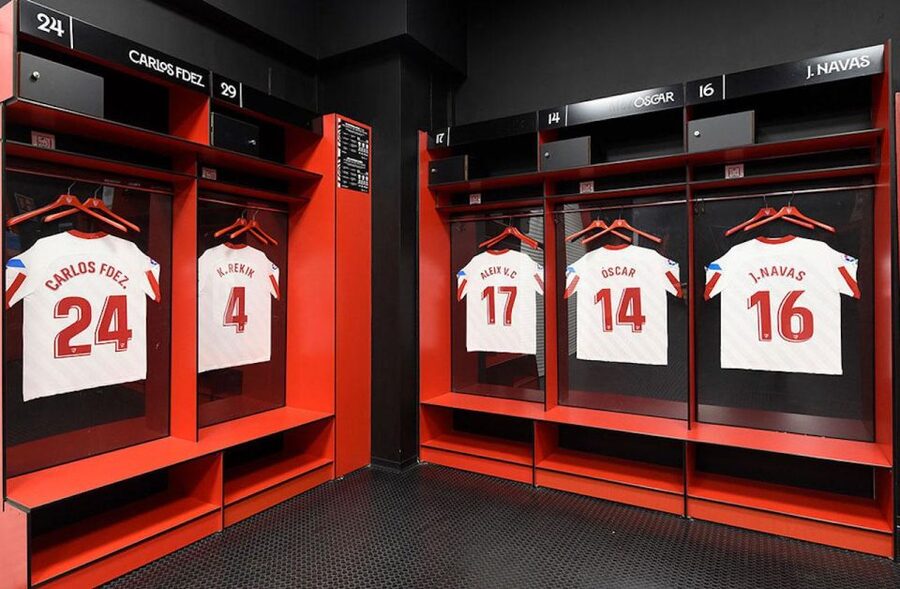
The locker room is one of the more valuable stops because it gives you access to a space normally reserved for the team. You see where Sevilla FC players hang their jerseys and prepare before going onto the field.
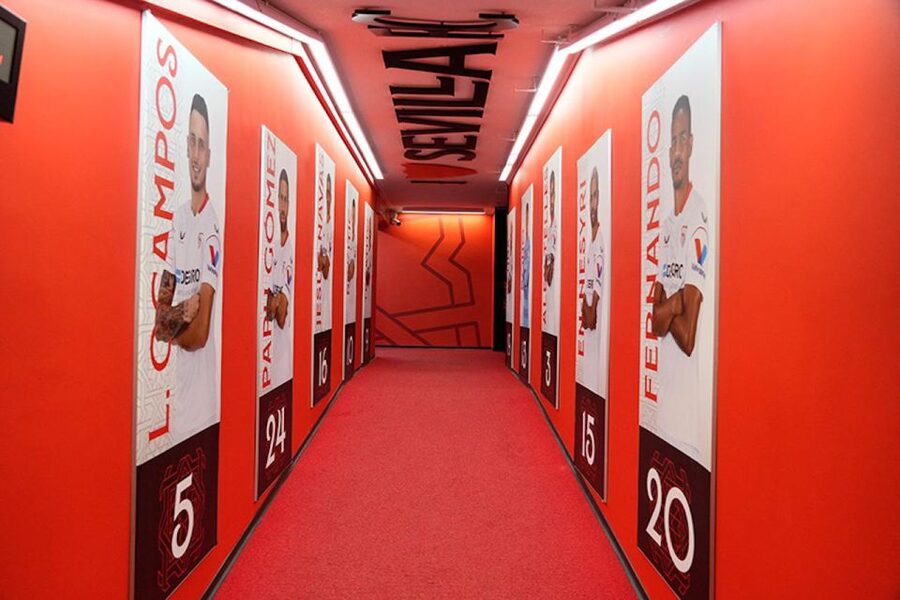
The tunnel is the emotional center of the visit. You walk from the locker room toward the pitch through the same route connected with match-day arrivals. The audio guide adds the sound of enthusiastic fans and the Sevilla anthem, helping you picture the pressure and excitement of entering before a match.
I like this section because it connects the tidy museum exhibits with the physical routine of football. A trophy case tells you what a club has won. The tunnel suggests what players feel before the contest begins.
The audio effect will not replace the noise of a real match, of course. The stadium may be quiet during your visit, and the artificial crowd sound is part of the presentation. Even so, it gives the route a clear sense of occasion.
If you are visiting with children, this is likely to be the moment they remember. If you are not a football follower, it still offers a strong look at how a stadium changes when you move through spaces that are usually off-limits.
Stepping onto the pitch at a famous venue
Walking onto the pitch gives you the broadest sense of Ramón Sánchez-Pizjuán Stadium. From field level, the scale of the seating bowl becomes clearer, and the stadium feels very different from the museum rooms.
The venue has hosted major football events, including the 1982 World Cup semifinal. That fact adds weight to the visit. You are not only seeing Sevilla FC’s home ground. You are standing in a place connected with one of football’s biggest international competitions.
The pitch access is also where the audio guide’s crowd sounds make the most sense. Hearing supporters and the anthem while looking up at the seats creates a brief match-day illusion.
The route may not provide a long period on the field, so use the opportunity well. Look around before focusing only on photos. Notice the view toward the stands and consider how different the atmosphere would be with a full crowd.
Photography is clearly part of the appeal. One optional photo shoot has been available for an extra €10, which can be a pleasant add-on if you want a souvenir. That cost is separate from the entry price, so budget for it only if the image matters to you.
Is $16 good value for 90 minutes?
At $16 per person, this is a fairly priced stadium visit in Seville. You receive access to the museum, several behind-the-scenes spaces, the pitch route, and an audio guide in nine languages.
The value comes from the combination. A basic football museum might offer trophies and shirts but no locker room or tunnel. A stadium walk might show you the pitch but offer little historical background. This visit joins both parts in one 1.5-hour experience.
The price is especially reasonable for football fans who want to see Sevilla FC’s home ground without paying for a longer premium production. It is also a sensible choice for couples or families looking for an activity that takes up part of an afternoon.
There is one fair comparison to make. If you have taken large stadium tours in the United Kingdom, you may find this route less detailed and less guided. You are left to explore on your own, and the audio app carries most of the storytelling.
That is not automatically a weakness. I prefer self-paced visits when the exhibits are easy to follow. You can linger over a favorite jersey or trophy and avoid being hurried along. But if you want lively commentary, staff interaction, or a tightly organized narrative, the $16 ticket may feel more basic.
Timing, ticket use, and practical preparation
The stated duration is 1.5 hours, with starting times available according to the selected date. That makes it easy to fit into a Seville sightseeing plan, though you should allow enough time to reach the stadium and find the entrance.
Go directly to the stadium turnstiles and show the ticket delivered in a separate email. Keep that message accessible on your phone. The visit ends back at the same general meeting point.
There is no live guide included. Your ticket covers the stadium entry and the audio guide app. Bring headphones because listening from a phone speaker would be less comfortable and could make it harder to follow the commentary in busy areas.
A charged smartphone is essential. If your battery is low, charge it before arriving rather than relying on the stadium. The audio guide is a central part of the experience, not an optional extra.
The activity is non-refundable, so choose your date carefully. It is also listed as not suitable for wheelchair users. If step-free access is important for you, this is not the right visit based on the available information.
Who will enjoy this stadium visit most?
This experience is an easy choice for Sevilla FC supporters. You will see the club’s jerseys, trophies, photographs, and major achievements, then enter spaces linked with the team’s match-day routine.
It also works well for general football fans who want to compare a Spanish stadium with grounds they have visited elsewhere. The 1982 World Cup connection adds interest beyond the club itself.
I would also recommend it to people who are only moderately interested in football but want a different Seville activity. The museum gives you cultural and sporting context, while the pitch and tunnel provide a memorable physical experience. One useful strength is that you are not forced to listen to every audio stop or follow a guide’s pace.
Families may appreciate the media-room activity and the chance to step onto the pitch. The photo option can make the visit more appealing for children, although it costs an additional €10.
I would hesitate to recommend it to anyone seeking a fully guided, highly detailed stadium production. You should also think twice if you need wheelchair access, since the activity is not suitable for wheelchair users.
Should you book Ramón Sánchez-Pizjuán Stadium?
Book it if you want a flexible football visit that combines a club museum with real stadium access. For $16, the museum, trophies, VIP box, media room, locker room, tunnel, pitch, and multilingual audio guide offer solid value in 90 minutes.
The strongest reason to go is the progression from club history to match-day spaces. You start with Sevilla FC’s origins and achievements, then follow the route toward the pitch, hearing supporters and the anthem along the way.
Skip it if you need a live guide, a long technical tour, or fully accessible facilities. For everyone else, this is a well-organized way to see one of Seville’s most important football venues without giving up an entire day.
FAQ
How long does the stadium visit last?
The visit lasts 1.5 hours. Starting times depend on availability for the date you select.
What is included in the ticket?
The ticket includes entry to Ramón Sánchez-Pizjuán Stadium and an audio guide app.
Is a live tour guide included?
No. This is a self-guided visit with an audio guide app rather than a live tour guide.
Which languages are available for the audio guide?
The audio guide is available in Spanish, English, Arabic, Chinese, Japanese, German, Italian, Portuguese, and French.
What should I bring?
Bring headphones and a charged smartphone so you can use the audio guide app.
Where does the visit begin?
Go to the entrance turnstiles at the stadium and show the ticket sent in a separate email.
Where does the visit end?
The activity ends back at the meeting point at the stadium.
Is the activity suitable for wheelchair users?
No. The activity is listed as not suitable for wheelchair users.
Recently added around Seville
- From Seville: Granada & Alhambra Tour with Optional Ticket★ 4.2 · 383 reviews
- A Fantastic Visit To The Museum Of Illusions Seville★ 4.5 · 390 reviews
- Skip the Line Seville Alcázar, Cathedral & Giralda Guided Tour★ 5.0 · 396 reviews
- Horse-Drawn Carriage Ride Through Seville★ 4.3 · 404 reviews
- 1 Hour Jet Ski Experience in Isla Canela★ 5.0 · 408 reviews
- White Villages and Ronda Guided Day Tour from Seville★ 4.5 · 415 reviews
- Authentic Flamenco Show at the Teatro Flamenco Sevilla★ 5.0 · 414 reviews
- Historical Italica: Half-Day Guided Tour from Seville★ 4.5 · 416 reviews
Seville Tours, compared.


Live Flamenco Dancing Show Ticket at the Theater
Read our review →
Cathedral, Giralda & Alcazar Entry With Guided Tour
Read our review →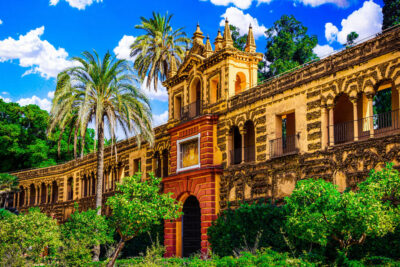
Priority Access Cathedral, Giralda & Alcázar Tour
Read our review →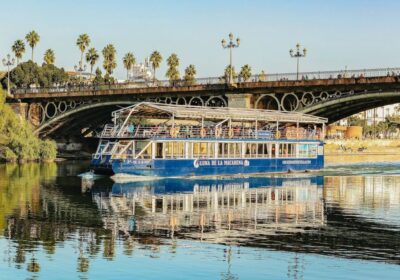
Puro Flamenco Show with Optional Museum Ticket
Read our review →
Browse the lists this tour appears in