
Review · CAVE TOURS
Sacromonte Caves Museum Admission Ticket
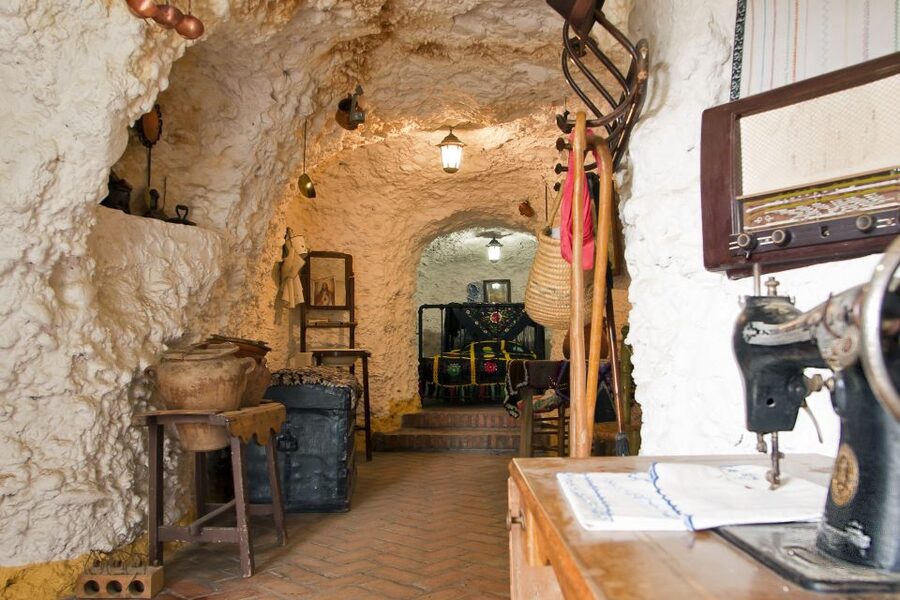
Granada has more than palace walls. The Sacromonte Caves Museum lets you walk through 11 recreated cave homes, furnished to show how people lived and worked in this hillside district. I like the clear look at kitchens, stables, tools, crafts, and flamenco culture, and I especially like the outdoor garden, where the Alhambra, Granada, and the Rio Darro Valley come into view.
The museum is small, so you may finish in 30 to 45 minutes, though the films and displays can easily stretch your visit to an hour or more. The main drawback is the climb: getting there involves steep steps and a hillside walk that can be tiring in hot weather and difficult for some people with limited mobility.
In This Review
- At a glance
- Why Sacromonte’s cave homes matter
- Walking through the 11 cave dwellings
- Flamenco, crafts, and daily life
- The outdoor garden and its Alhambra view
- Getting there from central Granada
- How long should you allow?
- Is the $7 price good value?
- The uphill route is the real practical issue
- Best time to visit and what to bring
- Who will enjoy this museum most?
- Should you book the Sacromonte Caves Museum?
- FAQ
- Where is the Sacromonte Caves Museum?
- How do I reach the museum by bus?
- How long does a visit usually take?
- What does the ticket include?
- Can I see the Alhambra from the museum?
- Is the museum open at the same time all year?
- Is the walk to the museum difficult?
At a glance
- Eleven cave dwellings: Walk through furnished cave rooms showing kitchens, stables, work areas, and domestic life.
- A different view of Granada: The garden looks across to the Alhambra and down toward the city and Rio Darro Valley.
- More than old rooms: Displays cover geology, plants, cave homes around the world, traditional crafts, flamenco, and the people who lived in Sacromonte.
- A short, flexible visit: Most people need around 30 to 60 minutes, but films and detailed displays reward a slower pace.
- Good value at about $7: It is an inexpensive way to add context to a visit focused mainly on the Alhambra.
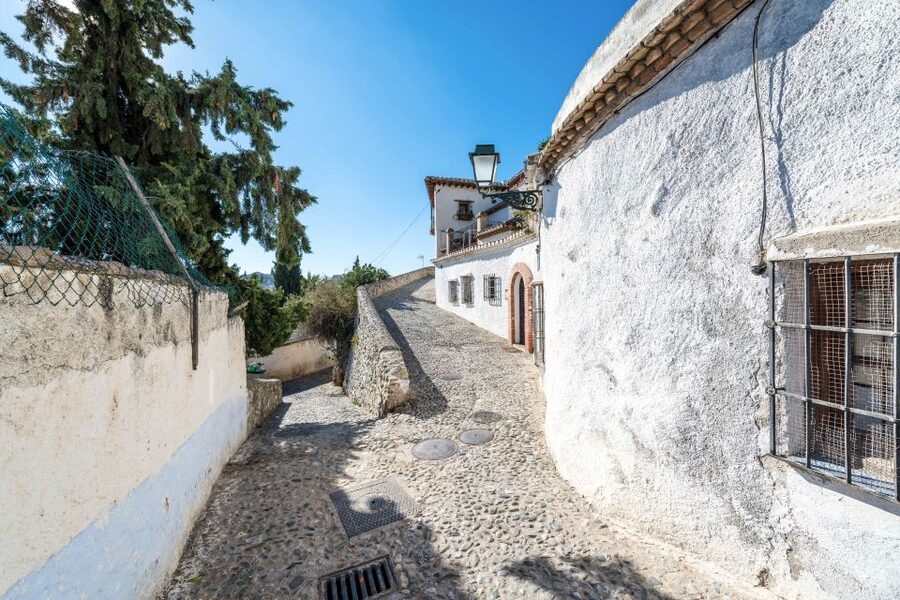
- Plan for uphill walking: The C2 bus reduces the climb, but you still need to walk up steps from the road to the museum.
Why Sacromonte’s cave homes matter
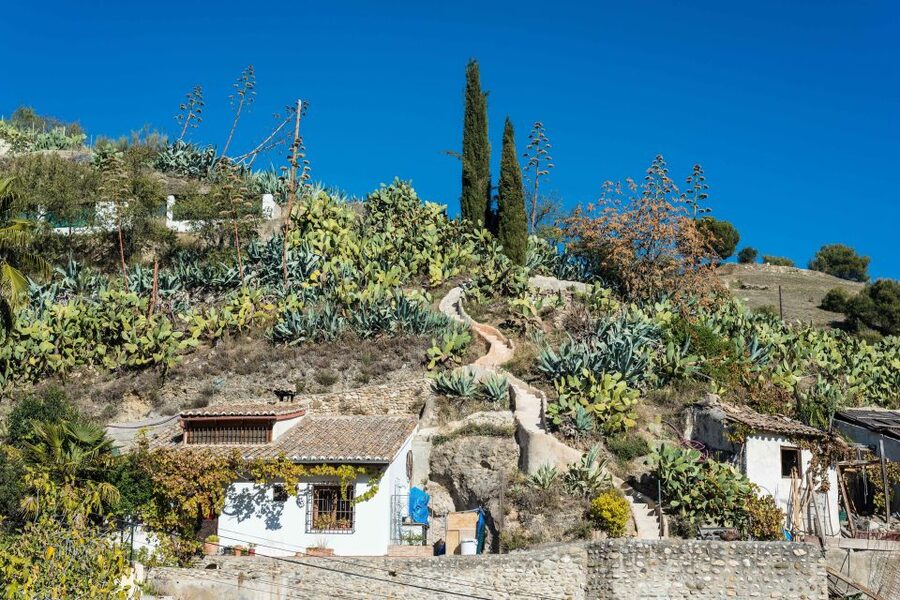
Sacromonte is one of Granada’s most distinctive districts. Its whitewashed cave homes were cut into the hillside, creating rooms inside the rock rather than building every wall from the ground up. The museum presents this way of living through a series of recreated homes, giving you a physical sense of the compact spaces and practical routines involved.
I find this useful because Granada can easily become an Alhambra-only destination. The palace and fortress complex is spectacular, but the caves show another side of the city: everyday housing, work, family life, local trades, and the connection between people and the hillside itself.
The museum also explains the district’s links with gitano culture and flamenco. The displays do not treat the caves as a strange curiosity. Instead, they connect the homes to the people who lived there and to the wider, multi-ethnic story of Granada.
That context gives the visit more weight than a simple walk through old rooms. You are not just looking at a bed, a cooking area, or a tool. You are seeing how a community adapted its homes and work to the rock, climate, and available materials.
More cave trips:
- Porto Cristo: Caves of Hams Entry Ticket
★ 4.2 · 6,548 reviews - Mallorca: Caves of Drach Day Trip & Optional Caves of Hams
★ 4.3 · 2,720 reviews - From Málaga: Caves of Nerja, Nerja and Frigiliana Day Tour
★ 4.7 · 2,187 reviews
Walking through the 11 cave dwellings
The heart of the visit is the route through 11 separate caves. Each space is set up as a traditional cave-house area, allowing you to look closely at furniture, household objects, work tools, and other items used in daily life.
The kitchens are particularly helpful for understanding how the homes functioned. Stables and working areas show that these were not simply sleeping quarters. They were places where families lived, stored items, prepared food, and carried out practical tasks.
You will also see examples of traditional trades and crafts, including basketry, ceramics, and weaving. These displays make the museum more engaging than a row of empty rooms. They show the skills and work that helped support life in Sacromonte.
The spaces are compact, and the visit is self-paced. You can move quickly if you are adding the museum between other Granada plans, or stop to study the objects and written information. Some displays include film footage, including material connected with flamenco and the history of the district.
If you want only a quick look, 30 to 45 minutes is reasonable. I would allow about an hour if you like reading the information, watching the films, and taking photographs from the outdoor areas. One visitor spent closer to an hour and a half, largely because the flamenco videos and newsreel material held their attention.
Flamenco, crafts, and daily life
The flamenco section adds an important cultural layer. Sacromonte is strongly associated with flamenco, and the museum explains that connection through film and displays rather than leaving you to guess why the district matters.
This is a good stop if you are interested in how music, place, and community fit together. The museum does not replace a live flamenco performance, but it can help you understand the setting and traditions before attending one elsewhere in Granada.
The craft displays also help keep the visit grounded. Basketry, weaving, and ceramics are easy to understand when you see them as part of household and working life. They make the caves feel inhabited rather than staged as a collection of unusual rooms.
The museum also presents information about cave homes in other parts of the world. That wider comparison is a pleasant extra, especially if you are curious about how different communities have used natural rock for shelter.
The outdoor garden and its Alhambra view
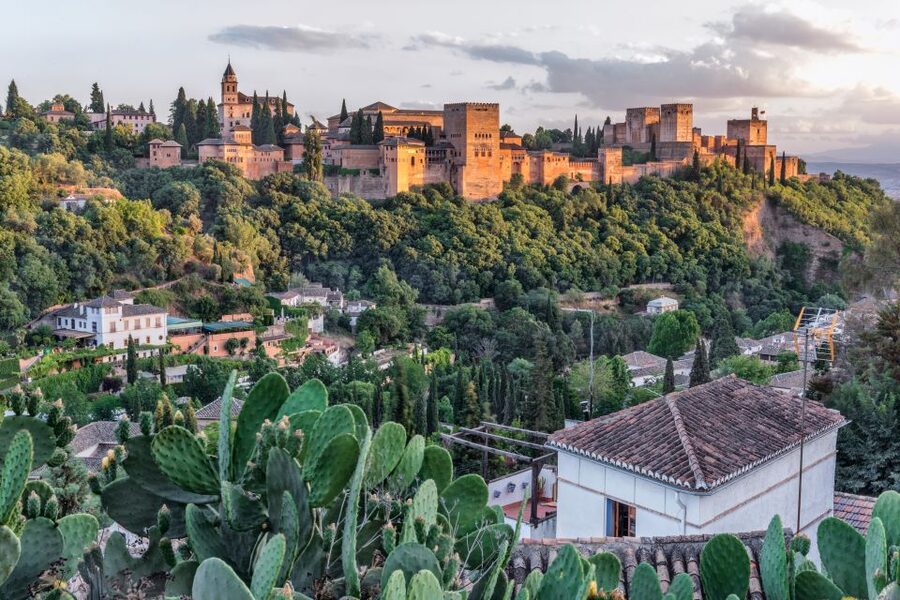
Do not rush past the garden. The outdoor area explains the plants, geology, and natural setting of Sacromonte, and it offers one of the best reasons to make the uphill trip.
From here, you get a less familiar view of the Alhambra. The palace and fortress complex appears across the valley, with Granada and the Rio Darro Valley below. The view is especially useful for understanding how the city’s hills and districts relate to one another.
Many of Granada’s famous viewpoints look toward the Alhambra from the Albaicín. Sacromonte gives you another angle, with the cave hillside in the foreground and the Alhambra opposite. The contrast between the two sides of the valley makes for strong photographs.
The garden also gives you space to pause after the cave rooms. There is shaded seating, and toilets are available. In summer, that matters. A visit in temperatures around 39 degrees Celsius can make the approach and the return walk much harder, so use the garden as a proper rest stop rather than treating it as a quick pass-through.
More museums:
- Madrid: Prado Museum Entry Ticket
★ 4.6 · 17,509 reviews - Barcelona: FC Barcelona Museum “Barça Immersive Tour” Ticket
★ 4.4 · 10,944 reviews - Madrid: Reina Sofía Museum Entrance Ticket
★ 4.5 · 6,889 reviews - Barcelona: Park Güell and Gaudí House Museum Entry Ticket
★ 4.5 · 6,326 reviews
Getting there from central Granada
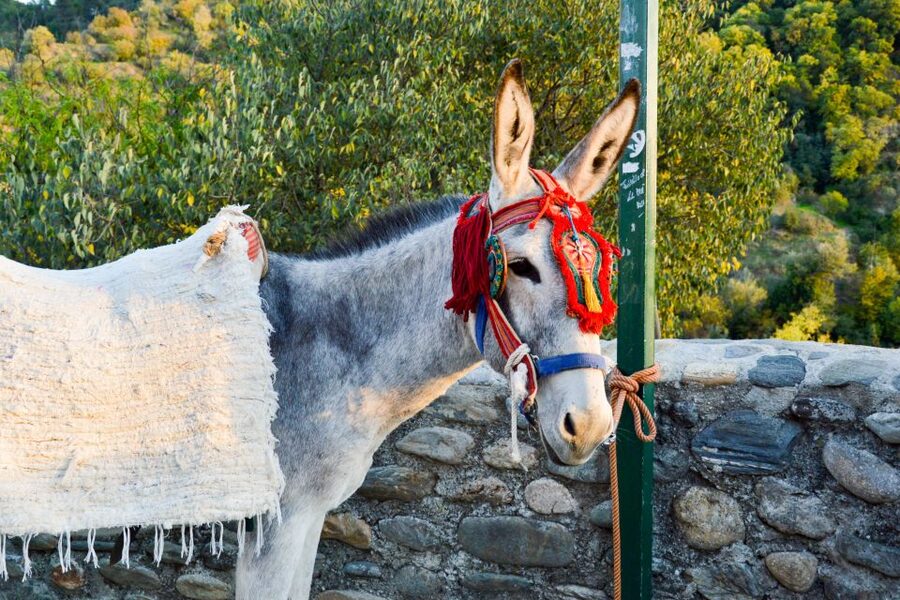
The museum is at Barranco de los Negros, s/n, in Sacromonte. From Plaza Nueva, you can take the C2 bus and get off at Sacromonte. This is the simplest option if you do not want to make the full uphill walk from the center.
After getting off the bus, follow the museum signs and expect steps leading up to the entrance. The bus cuts out much of the approach, but this is not a completely flat arrival. Wear comfortable shoes and allow extra time if you are walking slowly.
Walking from the Cathedral area is possible, and the route can be part of the pleasure. You pass through the Sacromonte district and may find places to stop for a drink along the way. Still, it is a proper uphill walk, not a gentle stroll. In hot weather, start early or use the bus.
Access by private vehicle is limited during hours set by municipal regulations. If you plan to drive, check with Granada Town Hall before setting out. The information provided does not give the permitted hours, so do not assume you can reach the entrance by car whenever you wish.
How long should you allow?
The advertised duration is one day, meaning the admission is valid for the selected date rather than forcing you into a long guided schedule. The actual museum visit is much shorter.
I would plan:
- 30 to 45 minutes for a quick but worthwhile visit
- About one hour for the caves, displays, garden, and photographs
- Up to 90 minutes if you watch the films and read the information carefully
The museum works well as part of a Sacromonte outing. You can combine it with a walk through the district, a drink at a cave bar, or a viewpoint stop. It is also a sensible afternoon activity after a larger Alhambra visit, when you may want something informative but less demanding.
There is no need to rush through the entrance. The ticket includes admission, and the museum is designed for you to explore at your own speed.
Is the $7 price good value?
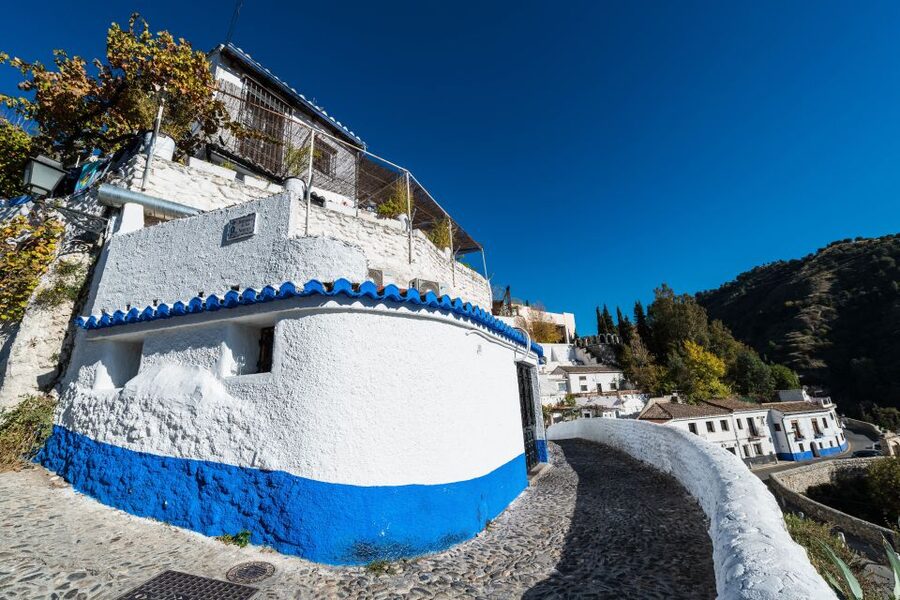
At about $7 per person, this is one of Granada’s easier sightseeing decisions. The museum is not large, but the price reflects the visit length and still gives you a lot to see: 11 cave spaces, furnishings, tools, traditional trades, flamenco material, geology, plants, and a major viewpoint.
The value is strongest if you already plan to visit Sacromonte. You are paying a small amount to enter a well-presented museum while also gaining access to the garden and its Alhambra view.
It is less compelling if you expect a large museum with hours of galleries. This is a compact attraction, and you should not arrive expecting the scale of the Alhambra or a full-day cultural center. Its strength is focus. It explains one district and one distinctive form of housing in a clear, approachable way.
The admission can be canceled up to 24 hours in advance for a full refund, and you can reserve now and pay later. The ticket is valid for one day, with starting times shown according to availability. Skip-the-line entry is included, though the museum itself is small enough that the main benefit is convenience.
The uphill route is the real practical issue
The most repeated caution is the climb. You may encounter steep steps between the road and the museum, and the walk from central Granada is harder than a map may suggest.
Families with children have managed the route without trouble, but that does not make it easy for everyone. Older visitors, people with limited mobility, and anyone dealing with heat should consider the C2 bus and take the approach slowly.
This is also not the ideal stop for anyone expecting fully step-free access. One visitor specifically noted that the steep path would not suit some disabled people. The available information does not provide detailed accessibility arrangements inside the museum, so contact the museum directly if you need specific access advice.
Take water in warm weather. A small bar along the route may offer a place to stop for a cold drink, and there is shade at the museum, but you should not count on the walk being effortless.
Best time to visit and what to bring
Spring and autumn should make the uphill approach more comfortable than the hottest summer days. Early morning can also be a good choice, especially if you want quieter rooms and softer light for photographs.
Opening times change with the season. Last admission is 20 minutes before closing, at 5:40 p.m. in fall and winter and 7:40 p.m. in spring and summer. Check the current starting time before you go, and do not arrive at the last minute if you want time for the garden.
Bring:
- Comfortable shoes with a firm sole
- Water, especially in summer
- A phone or camera for the Alhambra view
- Extra time if you plan to walk from central Granada
- Sun protection for the exposed hillside and garden
The cave interiors provide a change from the bright streets, but the approach and outdoor areas can still be hot.
Who will enjoy this museum most?
I would recommend the Sacromonte Caves Museum to anyone who wants a break from Granada’s grand monuments. It suits families, couples, solo visitors, and anyone interested in housing, crafts, local culture, or flamenco.
It is particularly good for:
- Visitors who want to understand Sacromonte beyond its picturesque streets
- Families looking for a short educational stop
- History fans who enjoy everyday life more than royal interiors
- Photographers seeking a different Alhambra viewpoint
- Anyone looking for an inexpensive Granada activity
- Visitors with time before dinner or after a morning at the Alhambra
You may want to skip it if steep paths are a serious problem, if you have only a few hours in Granada, or if you prefer large museums with extensive collections. The attraction is modest in size, and its value comes from its focus and setting.
Should you book the Sacromonte Caves Museum?
Yes, if you can manage the climb and have even an hour to spare. For about $7, you get an informative look at 11 cave homes, a thoughtful introduction to Sacromonte’s people and traditions, and a memorable view toward the Alhambra.
I would pair it with the C2 bus, comfortable shoes, and a relaxed walk through the district afterward. Do not judge the museum by its small size. It gives you a useful human-scale view of Granada, and that is exactly why it works so well.
FAQ
Where is the Sacromonte Caves Museum?
It is located at Barranco de los Negros, s/n, 18010 Granada, in the Sacromonte district.
How do I reach the museum by bus?
Take the C2 bus from Plaza Nueva and get off at Sacromonte. From the stop, follow the signs and walk up the steps to the museum.
How long does a visit usually take?
A quick visit takes about 30 to 45 minutes. Allow around an hour for a fuller visit, or up to 90 minutes if you watch the films and read the displays carefully.
What does the ticket include?
The ticket includes admission to the Sacromonte Cave House Museum. Meals and drinks are not included.
Can I see the Alhambra from the museum?
Yes. The outdoor garden provides views of the Alhambra, Granada, and the Rio Darro Valley.
Is the museum open at the same time all year?
No. Last admission is 20 minutes before closing, at 5:40 p.m. in fall and winter and 7:40 p.m. in spring and summer. Check the available starting times for your date.
Is the walk to the museum difficult?
The approach includes a hillside walk and steep steps. The C2 bus can reduce the distance, but the final route still requires walking uphill. It may not be suitable for some people with limited mobility.
Recently added around Spain
- Half-Day Luxury Catamaran Sailing Cruise in Granada★ 5.0 · 165 reviews
- Jeep Safari to Teide and Masca★ 4.5 · 165 reviews
- Madrid: Thyssen Museum Guided Tour with Skip-the-Line Entry★ 4.5 · 165 reviews
- Visit in Spanish to the Cathedral Mosque. Does not include entrance ticket★ 5.0 · 165 reviews
- Canyoning in Andalucia: Rio Verde Canyon★ 5.0 · 165 reviews
- Guided Tour to Caminito del Rey from Malaga★ 4.5 · 165 reviews
- VIP Private Segway Tour of Palma★ 5.0 · 165 reviews
- Las Palmas: Private Old City Guided Walking Tour with Tapas★ 4.6 · 166 reviews
Cave Tours, compared.

Caves of Drach Day Trip & Optional Caves of Hams
Read our review →
Caves of Nerja, Nerja and Frigiliana Day Tour
Read our review →
Caves of San José Guided Excursion and Ticket
Read our review →

Dinosaurland and Caves of Hams Combined Ticket
Read our review →

Snorkeling and SUP Paddle, Beach and Cave Boat Tour
Read our review →Browse the lists this tour appears in