
Review · MADRID TOURS
Royal Site of San Lorenzo de El Escorial Entrance Ticket
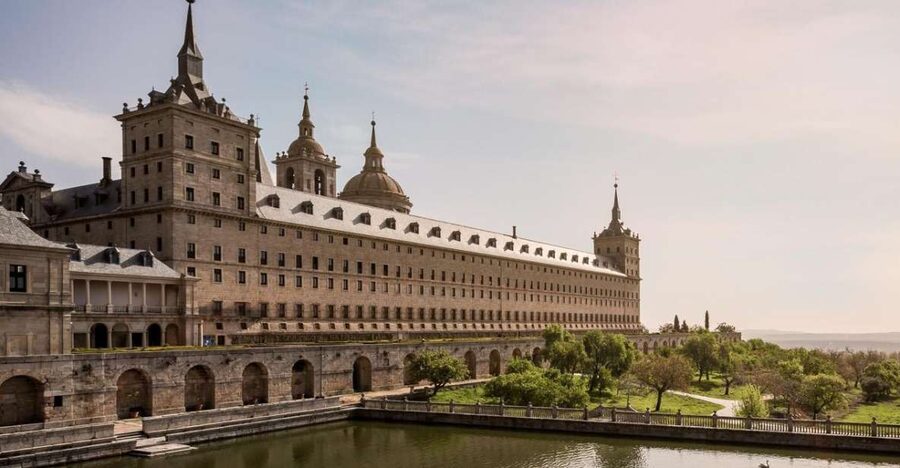
Austere walls hide a royal world. I like this ticket for its access to Spain’s most remarkable Renaissance complex and for the freedom to explore the palace, monastery, library, basilica, gardens, and royal crypt at your own speed. I also like that the $21 price includes admission and an express security check, which can save time at a busy entrance.
The main drawback is the lack of a guide. El Escorial is full of political, religious, and artistic meaning, but a self-guided visit gives you little help connecting the rooms. You should also know that the site is not suitable for people with mobility impairments, and the ticket is non-refundable.
In This Review
- Key points to know before you go
- Why El Escorial matters beyond its grand rooms
- The journey from Madrid to San Lorenzo
- Entering the monastery and palace complex
- The library, basilica, and religious heart of the site
- Royal tombs and the memory of Spain’s rulers
- Gardens and views toward the mountains
- Art by Juan de Villanueva
- What the $21 ticket is really worth
- Who will enjoy this visit most
- Should you book the El Escorial ticket?
- FAQ
- Where is the Royal Site of San Lorenzo de El Escorial?
- How much does the entrance ticket cost?
- How long is the ticket valid?
- What does the ticket include?
- Is a guide included?
- What can I see inside El Escorial?
- Can I see the Valley of the Fallen from El Escorial?
- How far is El Escorial from Madrid by train?
- How long is the walk from the train station?
- Is the ticket refundable?
Key points to know before you go
- A royal monastery with several identities: El Escorial combines a monastery, palace, basilica, library, royal burial place, gardens, and ceremonial spaces in one large complex.
- Philip II is central to the story: The building reflects the religious and political goals of the Spanish Golden Age and the reign of Philip II.
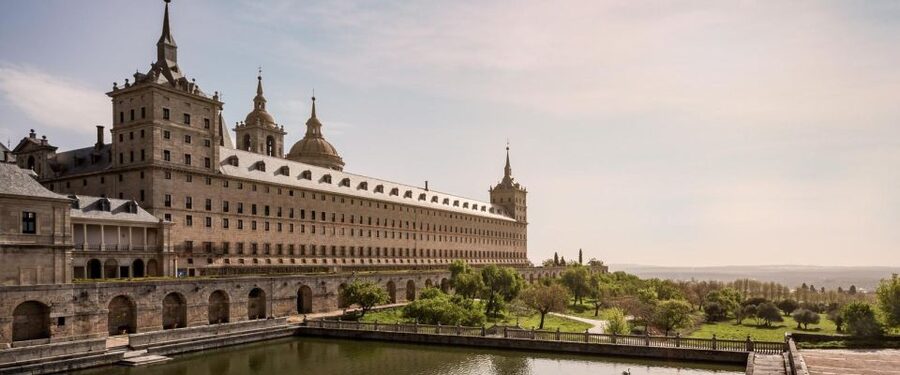
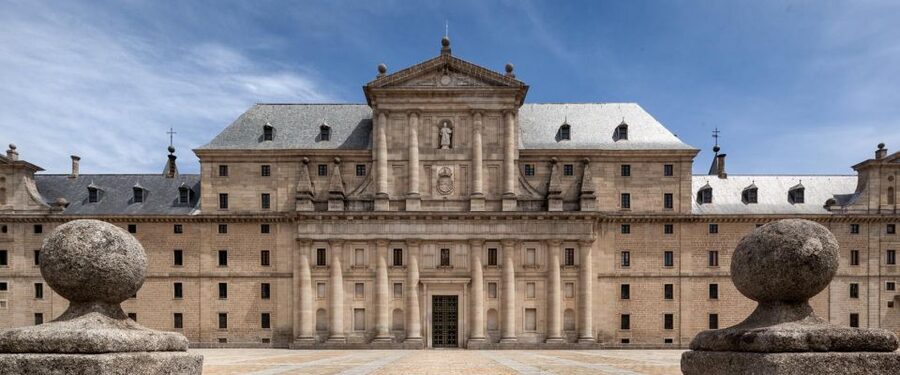
- The outside is deliberately severe: Plain stone walls can look almost fortress-like, but the interior brings frescos, royal decoration, chapels, and art.
- Expect a self-guided visit: A guide is not included, so you will need to read the displays and set your own pace.
- The journey from Madrid is manageable: The train trip takes under an hour, followed by a pleasant but uphill walk of about 25 to 30 minutes from the station.
- Clear weather matters: The gardens can offer wide views toward the Valley of the Fallen basilica and the Sierra de Guadarrama mountain range.
Why El Escorial matters beyond its grand rooms
El Escorial is not simply a palace with a monastery attached. It was built to express the ideals of Philip II, a ruler who wanted faith, monarchy, learning, and Spanish power gathered into one place.
The complex was created for the monks of the Order of St. Jerome. At the same time, it served royal purposes and included spaces connected with the Spanish monarchy. Emperor Charles V and his wife also lived there, adding another layer to the site’s royal story.
That combination makes the visit more interesting than a standard palace tour. You are not moving from one decorated room to another without context. You are seeing a building designed to show how religion and government worked together in sixteenth-century Spain.
The layout has remained largely unchanged. That matters because you are seeing the structure as an intact historical setting rather than a modern reconstruction. The corridors, chapels, palace areas, library, and basilica still work together as one carefully planned place.
I find that the building makes most sense if you think of it as a statement in stone. Its scale and order reflect Philip II’s ambitions, while the art inside reveals the wider European influences of the period.
A few more Spain trips worth a look
- Madrid: Tour Bernabéu Entry Ticket
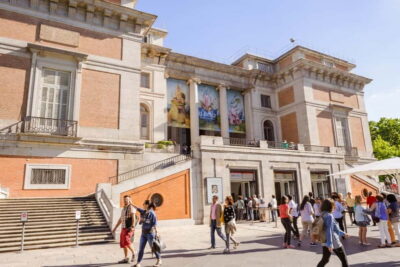
★ 4.5 · 21,573 reviews - Madrid: Prado Museum Entry Ticket
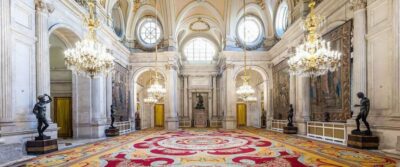
★ 4.6 · 17,509 reviews - Madrid: Royal Palace Fast-Access Admission Ticket
★ 4.6 · 13,856 reviews
The journey from Madrid to San Lorenzo
Getting to El Escorial does not require a full day of complicated transport. The train journey from Madrid takes under an hour, according to the practical experience shared by a recent visitor. From the station, you can expect a 25 to 30 minute walk uphill to the monastery.
That final walk is worth planning for. It is not a quick step from the train platform to the entrance, and the uphill route may be tiring if you have limited mobility. The activity specifically states that it is not suitable for people with mobility impairments.
You should allow extra time for finding the entrance. One visitor had difficulty with the meeting address and ended up waiting in a long line and paying again. Since this is an admission ticket rather than a guided tour, check the exact entrance instructions before setting off and keep your booking confirmation available.
The express security check is a useful benefit, but it does not mean every part of the arrival will be effortless. The ticket can help you avoid some waiting, yet a wrong meeting point or unclear entrance can cancel out that advantage.
Entering the monastery and palace complex
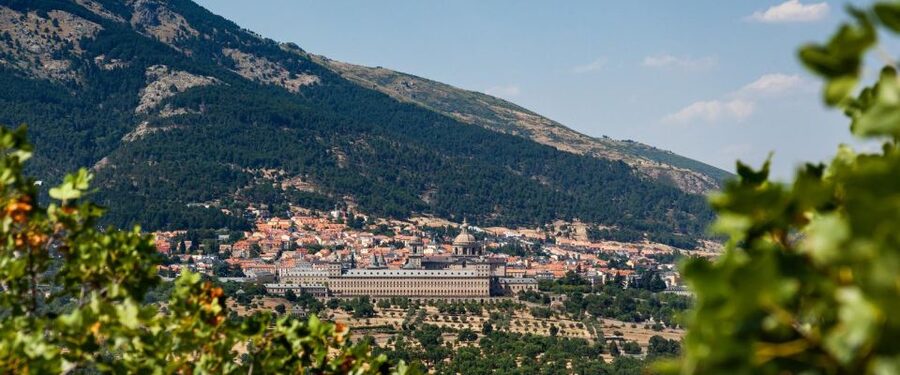
From the outside, El Escorial can look plain and heavy. One visitor compared its appearance to a prison, which may sound harsh but captures the first impression well. The exterior does not prepare you for the decoration inside.
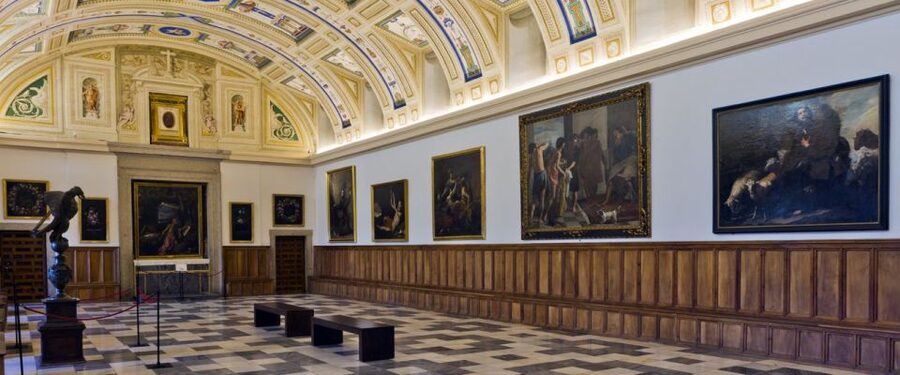
That contrast is part of the pleasure. Once inside, you find frescos, royal ornament, religious art, chapels, and carefully planned spaces. The plain exterior reflects restraint and authority, while the interior shows the artistic and spiritual ambitions of the people who built and used the complex.
The building houses several different functions, so the visit has a steady sense of discovery. You are not simply following one palace corridor. You move between monastic spaces, royal areas, religious rooms, and art-filled interiors.
Pay attention to the way Italian and Flemish artistic forms come together. This mixture reflects the international character of sixteenth-century Spain. The complex was Spanish in purpose, but its art belonged to a wider European world.
Since there is no guide included, I suggest taking your time rather than rushing from room to room. Read the information available on site and pause in the spaces that interest you most. Without a guide, you may miss some connections, but you also have the freedom to linger over details that a group might pass quickly.
The library, basilica, and religious heart of the site
The library is one of the parts that gives El Escorial its intellectual weight. It reminds you that the building was meant to represent learning as well as royal power and religious devotion.
The basilica was erected in 1574 and took years to complete. Its scale and artwork provide a strong center for the complex. Even if religious architecture is not your main interest, the basilica helps explain the purpose of the entire site.
The chapels add smaller, more focused spaces to the visit. After the large royal and ceremonial rooms, these areas can feel more intimate. They show how daily worship and formal power existed side by side.
The religious sections also help explain why the monastery was built for the Order of St. Jerome. El Escorial was not an empty royal showpiece. Monastic life was part of its original purpose, and that purpose remains visible in the arrangement of the building.
You may find the religious art easier to appreciate if you look for the relationship between room, ritual, and decoration. The artwork was not placed only to fill walls. It helped create a setting for worship and reinforce the authority of the monarchy.
A completely different kind of day out in Madrid:
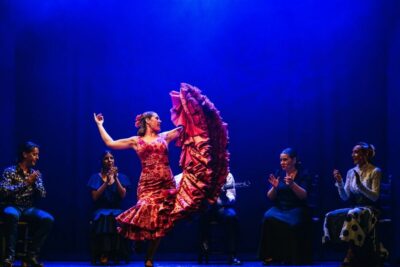
- Madrid: “Emociones” Live Flamenco Performance
★ 4.8 · 12,866 reviews - Madrid: Panoramic Route City Tour
★ 4.1 · 12,259 reviews - Madrid: Live Flamenco Show with Food and Drinks Options
★ 4.5 · 9,901 reviews - Avila & Segovia Tour with Tickets to Monuments from Madrid
★ 5.0 · 9,762 reviews
Royal tombs and the memory of Spain’s rulers
The crypt is another important stop. It houses royals who once lived in the complex, turning the visit into a walk through the memory of the Spanish monarchy.
The royal burial place adds emotional weight to the grand architecture. Palace rooms show how rulers lived and represented themselves, while the crypt shows the final destination of that power. The contrast is simple but effective.
This is also where the building’s many roles come together. El Escorial was a monastery, royal residence, political symbol, and burial place. The crypt makes it clear that Philip II’s vision extended beyond his own lifetime.
If you prefer a lighter palace visit focused only on decoration, this section may feel solemn. If you want to understand how Spanish kings and queens were remembered, it is essential.
Gardens and views toward the mountains
The gardens offer a change of pace after the enclosed rooms. They are carefully maintained and give you room to look back at the building from outside.
On a clear day, you may see toward the Valley of the Fallen basilica and the Sierra de Guadarrama mountain range. Weather can make a major difference. A foggy or cold day may hide the wider scenery, but the monastery remains worthwhile because so much of the visit takes place indoors.
The gardens also help you understand the scale of the complex. Inside, the building can feel like a sequence of separate rooms. Outside, the layout becomes easier to read as one large planned site.
Give yourself time here instead of treating the gardens as a quick exit route. The views, when visible, add context to El Escorial’s location near the mountains. They also offer a quieter counterpoint to the formal interiors.
Art by Juan de Villanueva
The experience includes the chance to see notable work connected with architect and artist Juan de Villanueva. His work gives the visit an additional artistic focus beyond the older royal and monastic story.
You should not expect this ticket to function as a dedicated art tour. There is no guide included, and the available information does not promise a special presentation about Villanueva. Still, his presence in the complex gives you a useful thread to follow as you move through the building.
Look for the way architecture controls your movement and attention. Doorways, courtyards, chapels, and formal rooms are not random. They create a sequence that links religious practice, royal ceremony, and artistic display.
The complex also reflects the blend of Italian and Flemish styles mentioned in the visit description. That mix is worth keeping in mind as you examine paintings, decoration, and the structure itself.
What the $21 ticket is really worth
At $21 per person, this is a reasonable choice if you want direct admission to a major historical site near Madrid. The ticket covers entry for one day and includes an express security check, so you are paying for access rather than transport, guiding, or a packaged day trip.
The value depends on how you like to sightsee. If you are comfortable reading signs and finding your own route, the price is fair. You can spend time in the areas that matter most to you without being tied to a group schedule.
The value is weaker if you need detailed explanation. A guide is not included, and El Escorial has enough history to make some rooms hard to understand without background. You may want to read about Philip II, the Order of St. Jerome, and the Spanish Golden Age before arriving.
One visitor felt the ticket cost more than buying admission locally. That is worth considering. The online ticket may save effort and provide express security, but you should compare the price with the on-site admission available on your chosen date.
Because the activity is non-refundable, check your plans carefully before paying. Confirmation is sent by the activity provider within 48 hours of purchase, so do not leave the booking until the last possible moment if you need the ticket for a fixed travel day.
Who will enjoy this visit most
I would recommend El Escorial to you if you enjoy royal history, religious buildings, Renaissance art, architecture, or places where several eras and purposes meet.
It suits independent sightseers especially well. You can explore without a formal tour and decide how much time to give the palace, basilica, library, crypt, and gardens.
It is also a good choice for anyone who has already seen Madrid’s central museums and palaces and wants a different side of the region. The setting outside the city gives you a sense of Spain beyond the capital’s crowded streets.
You may want to skip this ticket if you need step-free access or find uphill walks difficult. You should also think twice if you dislike reading your way through large historic buildings. The site has plenty to see, but the ticket does not provide a guide to explain it all.
For the best experience, plan for a clear day if the mountain views matter to you. For the interiors, weather is less important. A cold or foggy day can still work well, as the main rooms, art, basilica, and crypt remain the focus.
Should you book the El Escorial ticket?
Book it if you want to explore one of Spain’s most important royal and religious buildings independently, and if the $21 price feels worthwhile for convenience and express security. I especially recommend it to visitors who enjoy architecture and can supply their own historical background.
Before booking, confirm the entrance location, allow time for the uphill walk from the station, and do not assume a guide will meet you. If you want a fully explained visit, look for a separate guided option instead.
El Escorial rewards patience. Its exterior may seem severe, but the inside reveals art, ceremony, faith, and royal ambition. The gardens and mountain views add a welcome final note, while the crypt gives the visit a serious sense of time. For an easy independent day from Madrid, this ticket is a solid choice, provided you are ready to explore on your own.
FAQ
Where is the Royal Site of San Lorenzo de El Escorial?
It is in the Community of Madrid, Spain, at San Lorenzo de El Escorial.
How much does the entrance ticket cost?
The listed price is $21 per person.
How long is the ticket valid?
The ticket is valid for one day.
What does the ticket include?
It includes admission to the Royal Site of San Lorenzo de El Escorial and an express security check.
Is a guide included?
No. A guide is not included with this activity.
What can I see inside El Escorial?
You can explore the monastery, palace, library, basilica, chapels, royal crypt, gardens, Renaissance buildings, and artworks connected with Juan de Villanueva.
Can I see the Valley of the Fallen from El Escorial?
The experience includes views toward the Valley of the Fallen’s basilica, along with the Sierra de Guadarrama mountain range. Visibility depends on conditions.
How far is El Escorial from Madrid by train?
The train journey from Madrid takes under an hour.
How long is the walk from the train station?
The walk from the station to the monastery takes about 25 to 30 minutes and is uphill.
Is the ticket refundable?
No. The activity has a non-refundable cancellation policy.
Recently added around Madrid
- Madrid: Thyssen Museum Guided Tour with Skip-the-Line Entry★ 4.5 · 165 reviews
- Axe Throwing 1 hour session★ 5.0 · 166 reviews
- Madrid Food Walking Tour with Tapas and Vermouth★ 5.0 · 167 reviews
- Toledo Full-Day Walking Tour with Guide from Madrid★ 4.5 · 170 reviews
- Madrid: Top Pub Crawl Madrid & Party★ 5.0 · 173 reviews
- Madrid Gourmet Tapas Small Group Tour★ 5.0 · 175 reviews
- Street Art Guided Tour in Madrid★ 5.0 · 175 reviews
- Iberian Ham and Wine Small Group Tour in Madrid★ 5.0 · 176 reviews
Madrid Tours, compared.



Live Flamenco Show with Food and Drinks Options
Read our review →
Avila & Segovia Tour with Tickets to Monuments from Madrid
Read our review →
Three Cities in One Day: Segovia, Avila and Toledo from Madrid
Read our review →Browse the lists this tour appears in