
Review · WINE TOURS
Ribera del Duero Wineries Guided Tour & Wine Tasting from Madrid
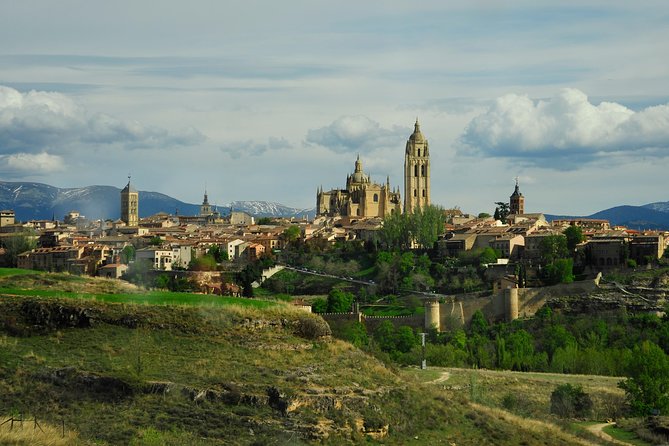
Wine country begins after the city fades. This full-day trip takes you from Madrid into Ribera del Duero, one of Spain’s leading red-wine regions, with three winery visits, at least nine tastings, local snacks, and a stop in ancient underground cellars. I like the way the tour compares small, family-run producers with modern wineries, and I also like that it adds villages, Castilian food, and wine history instead of treating the day as one long tasting session.
The biggest consideration is the length. You will leave Madrid at 9:15 a.m., spend roughly two hours each way on the road, and return around 8 p.m., traffic permitting. The van ride is part of the price, but this is a serious day trip, not a quick excursion.
Guide quality is a major strength. Ismael is especially praised for his clear English, wine knowledge, friendly manner, and safe driving, while guides such as Cosmin, Antonio, Alfonso, Mina, Muna, and Kos have also led highly regarded departures. The exact guide and winery order can change, but the tour consistently aims to show you three contrasting sides of Ribera del Duero.
In This Review
- Key points to know before you book
- Why Ribera del Duero makes a fine day trip from Madrid
- The 9:15 a.m. departure from Conde de Casal
- The first winery: learning Tempranillo from grape to bottle
- The modern winery: architecture with a purpose
- Lunch in Roa or another Castilian town
- The underground cellar: the most memorable stop
- Wine tasting, snacks, and how much you actually receive
- The guide can shape the entire day
- Is $223.82 a fair price?
- Who should book this wine tour?
- Final verdict: a strong choice for a full wine day
- FAQ
- Where does the Ribera del Duero wine tour start?
- What time does the tour depart?
- How do I reach the meeting point by Metro?
- How long does the tour last?
- How many wineries do you visit?
- How many wines are included in the tastings?
- Is food included during the tastings?
- How much should I budget for lunch?
- Can children join the tour?
- What should I wear for the winery visits?
- Is the tour conducted in English?
- What happens if the tour does not reach its minimum group size?
- Can I cancel for a full refund?
- Where does the tour end?
Key points to know before you book
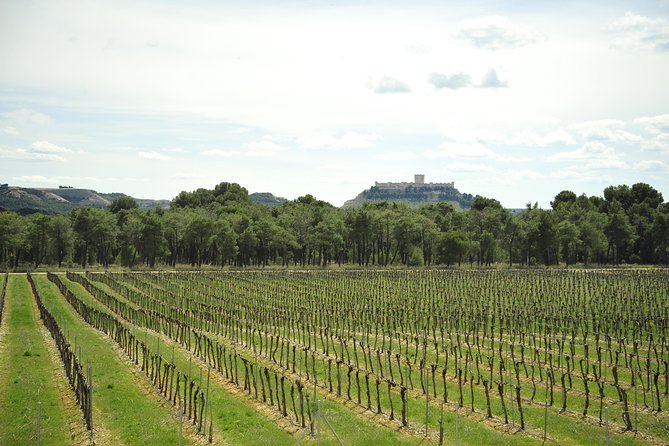
- Three very different wineries: The route may include a new boutique producer, a large modern facility, and an old cellar with underground tunnels.
- At least nine wine tastings: Each winery serves a minimum of three wines, usually with crackers, cheese, salami, or other snacks.
- A long but rewarding day: The drive takes about two hours each way, and the full experience lasts roughly 10 to 11 hours.
- Lunch is your choice: You get free time in a local town, but lunch is not included. Plan on about €12 to €15 for tapas or roughly €30 for a full three-course meal.
- Underground cellars are a highlight: One stop may include medieval caves and tunnel networks about 40 feet below ground.
- Small-group feel is possible: The maximum is 20 people, though some departures have been much smaller, including groups of six or eight.
Why Ribera del Duero makes a fine day trip from Madrid
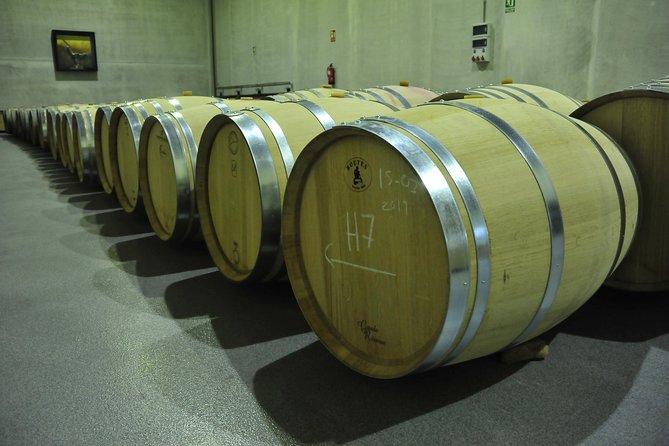
Ribera del Duero follows the Duero River and is best known for Tempranillo, the grape behind many of Spain’s full-bodied red wines. The region’s wines are often associated with dark fruit, structure, and aging, and the tour gives you a useful look at how soil, weather, producers, and cellar methods shape the final bottle.
The setting also gives you a sharp change of pace from Madrid. After leaving the city, you pass through open countryside and vineyard country, with villages and old buildings replacing apartment blocks and traffic. The scenery is not just a backdrop. It helps explain why the region has developed its own wine culture and food traditions.
I like this trip because you are not simply driven to one famous bodega, shown a barrel room, and sent home. The day is built around comparison. A newer winery may focus on experimentation and limited production, while a large facility may show modern scale and polished design. An old underground cellar offers something entirely different: cool stone, hand-shaped tunnels, and a sense of how wine was stored before modern equipment.
More Food Tours in Madrid
- Madrid: Live Flamenco Show with Food and Drinks Options
★ 4.5 · 9,901 reviews - Toledo Tour & Vineyard Walk with Wine Tasting from Madrid
★ 5.0 · 2,546 reviews - Madrid: Tapas & Wine Tasting Tour with Local Guide
★ 4.8 · 2,171 reviews
The 9:15 a.m. departure from Conde de Casal
The meeting point is at the front door of the cafeteria at Hotel Claridge, beside the hotel’s main entrance, at Plaza del Conde de Casal 6. The closest Metro stop is Conde de Casal on Line 6.
Take the departure time seriously. The vehicle leaves on time, and the practical advice is to allow an extra 10 to 20 minutes beyond the journey shown on a map. Checking your route the night before is wise, especially if you are unfamiliar with Madrid’s Metro system.
You can use the hotel cafeteria only if you are a customer, so do not plan on arriving early to sit there with a coffee unless that arrangement applies to you. The operator recommends a regular taxi rather than Uber for reaching the meeting point.
The vehicle is air-conditioned, and the group size can reach 20. Some departures have been much more intimate, but you should not assume you will always get a tiny group or a luxury vehicle. One account found a Mercedes Sprinter comfortable enough for the day but somewhat cramped, particularly with nine people aboard.
The first winery: learning Tempranillo from grape to bottle
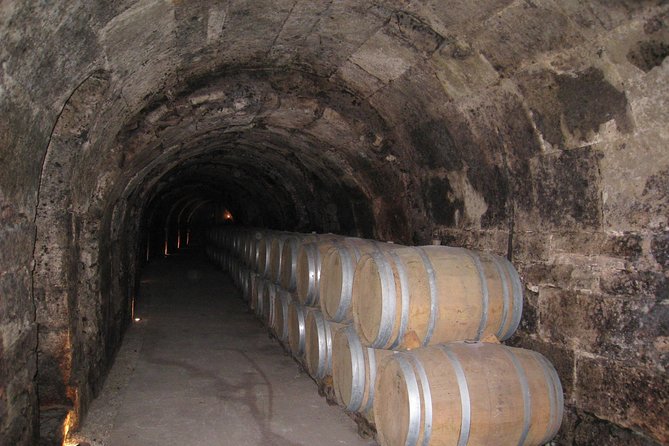
The first winery visit is usually the most detailed introduction to Ribera del Duero winemaking. You can expect an explanation of how grapes are grown, harvested, fermented, aged, and bottled, along with a closer look at what makes Tempranillo from this area distinctive.
The setting can vary. One departure included Territorio Luthier, a young boutique producer operating since 2018. Another may feature a more established bodega known for aged wines and a formal cellar visit. This variation is important: the experience is not a fixed museum route, and the names and order of the bodegas can change by date.
What remains consistent is the effort to show you the wine behind the label. You are likely to hear about the region’s extreme weather, the work required in the vineyards, and the difference between a young wine and one that has spent time aging. The tastings are generous enough to make the comparison worthwhile, and food is served so you are not drinking on an empty stomach.
This is also where a good guide matters. Ismael has been praised for explaining Spanish wine history during the drive and then making the winery information easy to follow. If your guide is one of the other named leaders, the same bilingual format applies, with explanations in English and Spanish as needed.
The modern winery: architecture with a purpose
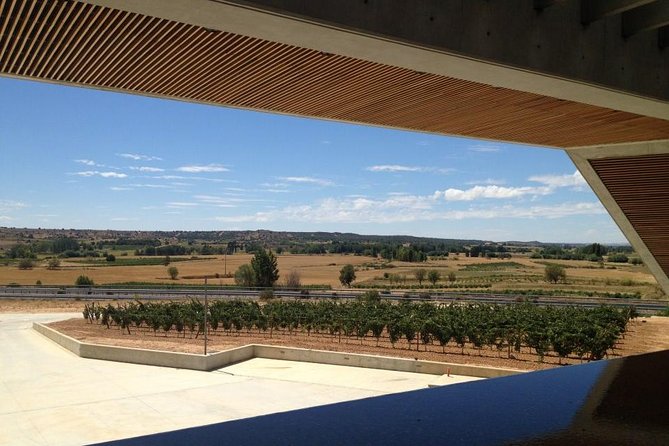
The second winery is chosen to contrast with the first. It may be a large, polished facility or a newer building designed to connect the working areas with the vineyards outside.
The architecture is part of the lesson. Modern wineries need practical spaces for receiving grapes, controlling fermentation, storing wine, and moving bottles, but the better examples also use the building to frame the surrounding countryside. You get a sense of how Ribera del Duero producers are combining current equipment with an older wine identity.
One reported route included Bela, described as a large producer, alongside smaller bodegas. That sort of contrast is useful for you as a buyer. A big winery can show how wine is made at scale, while a small producer may offer a more personal look at limited production and individual decisions in the cellar.
You will taste at least three wines here as well. The wines may differ in style from the first stop, giving you a chance to compare fruit, oak, age, and finish without needing to be a wine expert. You do not need advanced tasting skills. Pay attention to what the staff explains, then notice which wines you prefer.
The schedule usually allows about 90 minutes at each winery. That is long enough for a guided visit and tasting, but not so long that the day becomes repetitive.
More Wine Tours in Madrid
- Madrid Tapas & Wine Tour with Rooftop Views and Local Guide
★ 5.0 · 2,047 reviews - Paella Cooking Class in Madrid with Bottomless Wine Pairing
★ 5.0 · 985 reviews - Madrid Historic Centre Food Tour with Authentic Tapas & Wines
★ 5.0 · 814 reviews - Madrid Countryside Wineries Guided Tour with Wine Tasting
★ 5.0 · 740 reviews
Lunch in Roa or another Castilian town
The midday stop gives the day a welcome change of rhythm. You have free time to choose lunch in a traditional restaurant or tapas bar, with the guide helping direct the group toward a local option.
Lunch is not included, and the tour does not impose a set menu. A tapas meal may cost about €12 to €15, while a full three-course lunch is estimated at around €30. That flexibility is a real advantage if you prefer a light meal, but you should budget for it separately.
A local tavern lunch can be one of the most enjoyable parts of the day. Several departures included shared plates and authentic Castilian cooking in a place away from the standard tourist circuit. The food also gives you a break from tasting wine and helps make the region feel like a place where people live, not just a collection of wineries.
You may want to keep lunch moderate. The day still includes a third winery and a long drive home, and the tasting schedule can be generous. The combination of wine, food, and a warm vehicle can make the return journey pleasantly quiet.
The underground cellar: the most memorable stop
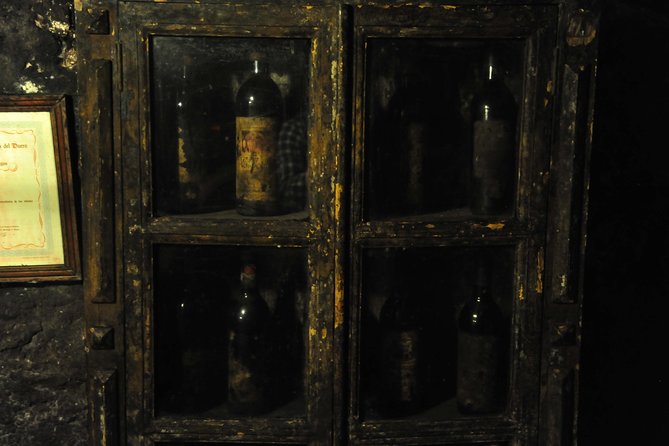
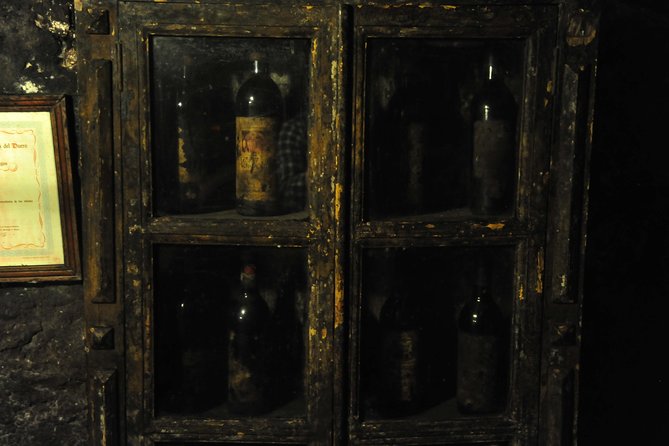
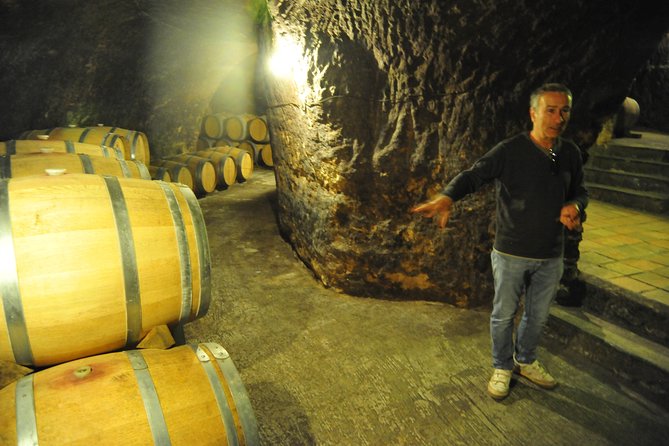
The final bodega is often the most unusual. At Curiel de Duero, the tour may visit a medieval underground cellar, part of a network of tunnels carved roughly 40 feet below the town.
The tunnels were used to preserve wine over centuries. Their cool, enclosed conditions made them practical long before modern temperature control. Walking through them gives the day a physical connection to the past that a standard barrel room cannot match.
This stop has earned especially strong praise because it feels unlike the other wineries. You are not just looking at stainless-steel tanks or modern architecture. You are entering old passages beneath the town and learning how wine storage shaped local life.
Bring a warm layer. The cellars can be cold even when the weather outside is pleasant. Wear shoes that feel secure on potentially uneven underground surfaces, although the supplied information does not specify the exact conditions inside every cellar.
The tasting here completes the comparison among producers and methods. By this point, you have seen modern production, smaller-scale work, and traditional subterranean storage. That variety is the heart of the tour.
Wine tasting, snacks, and how much you actually receive
The package includes a minimum of three wines at each of the three wineries. That means at least nine samples during the day, and the pours can be generous, with one account describing them as close to half a glass each.
You also receive food at the wineries. Crackers, cheese, salami, and similar snacks are used to keep the tastings comfortable. This is more than a small convenience. With a long day and several red wines, having something to eat at every bodega makes the experience easier to enjoy.
The tour is suitable for adults who are curious about wine, not only dedicated enthusiasts. You can learn the basics of Spanish wine production, ask about aging and grape varieties, and compare styles without feeling that you need to speak like a sommelier.
The legal tasting age is 18. Children under 12 cannot join this shared tour, and the supplied rules also state that children must be accompanied by an adult. If you are planning a private tour with younger children, you need to contact the operator because the standard outing does not accept them.
The guide can shape the entire day
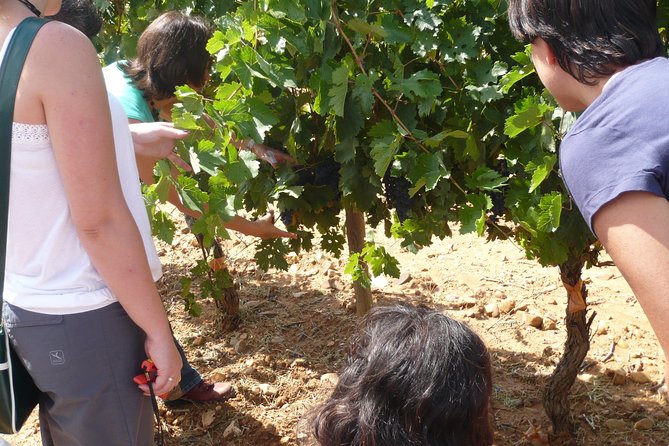
The guide is not just a driver between tasting rooms. The best departures use the road time to explain Spain’s wine traditions, point out the region, manage timing, and help with lunch.
Ismael receives the strongest praise for his English, clear explanations, humor, and care with the group. Several accounts describe him as making the long day feel easy and well organized. Cosmin is also praised as a safe driver who selected a good local lunch, while Antonio is noted for his explanations of wine production, tasting, and regional history.
Other named guides include Mina, Muna, Alfonso, and Kos. You should understand that you may not receive a particular guide, but the repeated praise for several members of the team suggests that guide quality is central to the operator’s approach.
The tour is bilingual and operates with an English and Spanish speaking guide. If you want every explanation in English, confirm the language arrangement when booking, since a mixed-language group may affect how commentary is delivered.
Is $223.82 a fair price?
At $223.82 per person, this is not a budget bus outing. The value comes from what is bundled together: round-trip transport from Madrid, a full-day guide, three winery visits, at least nine tastings, snacks, and access to places that are difficult to connect by public transport in one day.
You still pay for lunch, and you may want to budget for wine purchases if a particular bottle catches your attention. Some people have bought wine from the smaller producers, though shipping arrangements and costs are not specified, so ask the bodega directly before assuming bottles can be sent home.
For me, the price makes the most sense if you want to visit three different wineries without renting a car or planning a complicated route. It is less compelling if you are only interested in one specific bodega, dislike long road journeys, or prefer to set your own pace.
The trip is often booked well ahead, around 58 days in advance on average. That suggests you should not leave it until the last moment if it is important to your Madrid plans, especially during busy travel periods.
Who should book this wine tour?
I would choose this outing if you want a structured introduction to Ribera del Duero and value access over independence. It suits wine beginners, experienced wine drinkers, couples, small groups, and anyone who wants a full day outside Madrid without arranging a rental car.
It is also a good choice if you care about more than tasting. The old villages, castles, vineyard scenery, local food, and underground cellars give the day cultural weight. You are learning how the region lives with wine, not simply sampling bottles in a tasting room.
I would hesitate if you have limited time in Madrid, get uncomfortable on long drives, or want a late start. The trip takes 10 to 11 hours, and the return time depends on traffic. The van can also feel tight on a fuller departure.
Final verdict: a strong choice for a full wine day
This Ribera del Duero tour offers a satisfying mix of wine, history, food, architecture, and countryside. Its finest feature is the contrast among the three bodegas, especially the chance to move from a modern production site to old tunnels beneath a medieval town.
You should book it if you want to taste at least nine wines, learn how Tempranillo is made, and let a bilingual guide handle the roads and timing. Skip it if you need a short excursion or want complete control over the schedule.
With free cancellation up to 24 hours before departure, the booking terms are reasonably flexible. The tour requires at least four participants, and a cancellation for low enrollment brings an alternative date or a full refund. For a long, wine-focused day from Madrid, the combination of access, variety, and guide support makes the cost defensible.
FAQ
Where does the Ribera del Duero wine tour start?
The tour starts at the front door of the cafeteria at Hotel Claridge, next to the hotel’s main entrance, at Plaza del Conde de Casal 6 in Madrid.
What time does the tour depart?
The scheduled departure time is 9:15 a.m. You should arrive early because the vehicle leaves on time.
How do I reach the meeting point by Metro?
The closest Metro station is Conde de Casal on Line 6.
How long does the tour last?
The experience lasts about 10 to 11 hours, depending mainly on traffic in Madrid. Return is expected around 8 p.m.
How many wineries do you visit?
The tour includes three winery visits. The exact wineries, towns, and order can change depending on the day.
How many wines are included in the tastings?
Each winery includes a minimum of three wine tastings, for at least nine samples across the full tour.
Is food included during the tastings?
Yes. Snacks are provided at the wineries, including items such as crackers, cheese, and salami. Lunch is not included.
How much should I budget for lunch?
The suggested budget is about €12 to €15 for tapas or approximately €30 for a full three-course lunch.
Can children join the tour?
Children under 12 cannot take part in the standard shared tour. The minimum age for wine tasting is 18, and children must be accompanied by an adult.
What should I wear for the winery visits?
Bring warm clothing because the cellars can be cold. The tour also includes walking through underground cellar areas.
Is the tour conducted in English?
The tour is operated by a bilingual guide in English and Spanish. The language arrangement may depend on the group.
What happens if the tour does not reach its minimum group size?
The tour requires at least four participants. If it is canceled because that minimum is not met, you will be offered another date or experience, or receive a full refund.
Can I cancel for a full refund?
Yes. You can cancel at least 24 hours before the start time for a full refund. Cancellations or changes made less than 24 hours before departure are not accepted for a refund.
Where does the tour end?
The tour returns to the original meeting point in Madrid.
More Food & Drink Tours
- Madrid Ultimate Spanish Cuisine Food Tour
★ 5.0 · 1,010 reviews - Madrid: Tapas Food Tour with Drinks and Food
★ 4.9 · 651 reviews - From Madrid: Toledo City Tour and Wine Tasting Experience
★ 4.8 · 240 reviews - De Mercados: A Neighborhood Market and Food Tour
★ 5.0 · 237 reviews
More Wine Tours
- Madrid: Guided Tapas and Wine Tour with Terrace Visit
★ 4.8 · 566 reviews - Old Madrid Tapas and Fine Wine Small Group Tour
★ 5.0 · 415 reviews - Taste of Spain: Tapas Cooking Class with Bottomless Wine Pairing
★ 5.0 · 414 reviews - Madrid Tapas, Wine and History Tour
★ 5.0 · 283 reviews
Recently added around Madrid
- Madrid: Thyssen Museum Guided Tour with Skip-the-Line Entry★ 4.5 · 165 reviews
- Axe Throwing 1 hour session★ 5.0 · 166 reviews
- Madrid Food Walking Tour with Tapas and Vermouth★ 5.0 · 167 reviews
- Toledo Full-Day Walking Tour with Guide from Madrid★ 4.5 · 170 reviews
- Madrid: Top Pub Crawl Madrid & Party★ 5.0 · 173 reviews
- Madrid Gourmet Tapas Small Group Tour★ 5.0 · 175 reviews
- Street Art Guided Tour in Madrid★ 5.0 · 175 reviews
- Iberian Ham and Wine Small Group Tour in Madrid★ 5.0 · 176 reviews
Wine Tours, compared.
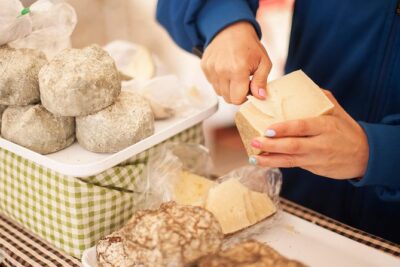
Montserrat Half-Day Tour with Tapas and Gourmet Wines
Read our review →
Montserrat & Cogwheel Train, Gourmet Wine Tasting & Tapas/Lunch
Read our review →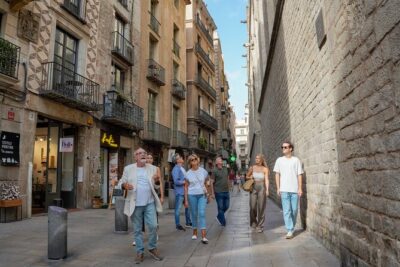
Barcelona Tapas and Wine Experience Small-Group Walking Tour
Read our review →
Montserrat with Black Madonna & Medieval Winery with Tapas/Lunch
Read our review →
Montserrat and Winery Tour with Tapas or Lunch
Read our review →
Tapas Walking Tour with Food, Wine, and History
Read our review →
Ronda+Setenil de las Bodegas with Little Train
Read our review →
Browse the lists this tour appears in