
Review · MUSEUMS
Reina Sofia Museum Guided Tour in Madrid
Guernica changes the whole visit. This 75-minute Reina Sofia tour gives you a clear path through Madrid’s modern-art museum, with an art historian explaining cubism, surrealism, abstractionism, and modernism. I like the focus on Picasso, Dalí, Miró, and Guernica, and I also like that you can remain inside after the guided portion. The main caution is time: some guides cover only a small number of works, and late starts have caused some visitors to lose valuable museum time.
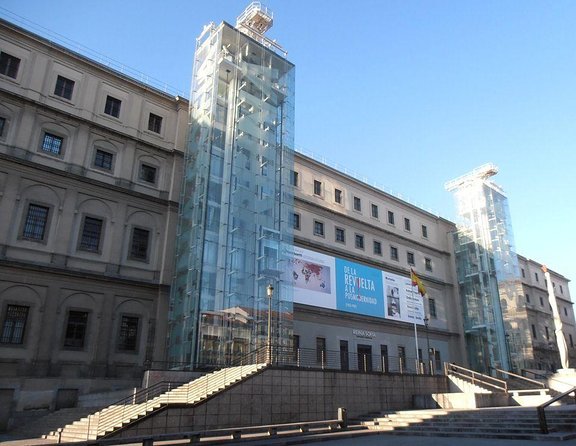
The museum itself adds character. It occupies a former hospital, so you are exploring an old civic building as well as a major collection of 20th-century art. Guides such as Flor, Gabriela, Helena, and Borja have earned especially warm praise for making difficult paintings easier to understand, but the tour can feel rushed if access procedures run slowly or if you want to see more than a handful of works.
In This Review
- Key points at a glance
- Why the Reina Sofia feels different from Madrid’s Prado
- Meeting at the tall statue outside the museum
- Inside a former hospital building
- Picasso, Dalí, Miró, and the Spanish story
- Seeing Guernica with a guide
- A compact route, with real tradeoffs
- Which guides make the biggest difference
- Price, group size, and what you receive for $34.99
- Practical details inside the galleries
- Who should book this Reina Sofia visit
- Should you book it?
- FAQ
- How long is the Reina Sofia guided tour?
- What time does the tour start?
- Where do I meet the guide?
- Is museum admission included?
- Is the tour offered in English?
- Can I stay inside the museum after the tour?
- Can I take photographs inside the museum?
Key points at a glance
- Guernica is the main event: The tour builds toward Picasso’s vast antiwar painting and explains its symbols, setting, and political force.
- A former hospital houses the art: The building gives the visit an unusual sense of place before you even reach the galleries.
- The guide supplies the museum’s missing map: The collection is spread through the building, so a planned route helps you find major works.
- Expect art history, not a quick photo stop: The guide explains cubism, surrealism, abstractionism, modernism, and Spain’s place in those movements.
- The 75-minute format is compact: You may study fewer than 10 works, with detailed discussion rather than a broad sweep.
- Meet at the statue outside the main entrance: The meeting point can be confusing, so arrive early and stay by the tall statue until the guide appears.
Why the Reina Sofia feels different from Madrid’s Prado
The Prado is the place for older European painting. The Reina Sofia takes you into Spain’s modern century, where art becomes more fragmented, political, personal, and sometimes deliberately difficult.
That contrast is one reason I like this tour for a second museum day in Madrid. You are not simply seeing another grand collection of portraits and religious paintings. You are looking at artists trying to respond to war, social change, new technology, and the changing nature of perception.
The museum occupies an old hospital building, which gives the visit a slightly unusual tone. Long corridors, institutional spaces, and modern art make an interesting combination. The architecture is not just a container for the collection. It helps you feel the change from a traditional hospital to a public art museum.
The collection is not arranged in a simple, visitor-friendly march from room one to room two. Important artists and movements are spread through different parts of the building. Without a plan, you might wander past a work you hoped to see or spend too much time trying to find a particular painter.
That is where this guided visit earns its keep. A good guide gives you a route and a reason for each stop. You are less likely to spend your limited museum time studying a minor room while missing Picasso, Dalí, or Miró.
More Museums in Madrid
- Madrid: Prado Museum Entry Ticket
★ 4.6 · 17,509 reviews - Madrid: Reina Sofía Museum Entrance Ticket
★ 4.5 · 6,889 reviews - Madrid: Small Group of Prado Museum Tour & Optional Tapas
★ 4.6 · 2,437 reviews
Meeting at the tall statue outside the museum
The tour begins at 12:45 pm at C. de Sta. Isabel, 52, in central Madrid. You meet the guide by the statue outside the main entrance, then enter as a group.
Give yourself extra time for this part. The museum has more than one side and more than one entrance, and the statue can be easy to misidentify. The safest approach is to arrive early, check the exact meeting instructions, and remain beside the tall statue until the scheduled start time.
This is not a minor point. A few people have gone to the wrong side of the building, waited by a different statue, or failed to find the guide. Since the group may move inside promptly, a misplaced meeting point can mean missing the entire visit.
The operator uses a group of no more than 15 people, which is a reasonable size for a museum tour. It is small enough for questions, though the experience still depends on how well the guide manages the group and the museum’s audio equipment.
The tour uses headsets, according to the information supplied and several comments about sound quality. They are useful in crowded galleries, but one visitor found the audio unclear and another found the guide’s English difficult to follow. The equipment is helpful, not magic, so stand near the guide and speak up if the sound cuts out.
Inside a former hospital building
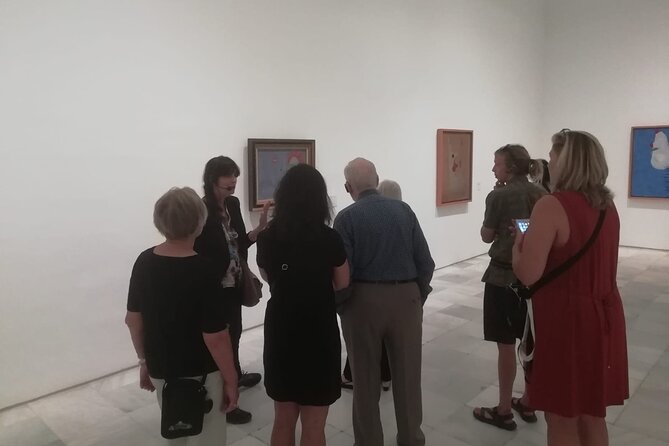
Once inside, the guide introduces the museum and its setting before leading you through the art-filled halls. This opening matters because the Reina Sofia can feel scattered if you enter alone without knowing how its rooms connect.
You will hear about several modern-art movements:
- Cubism, with its broken forms and shifting viewpoints
- Surrealism, where dreams, symbols, and strange combinations challenge ordinary logic
- Abstractionism, which moves away from direct pictures of people and places
- Modernism, the wider period of artistic experimentation that shaped the collection
I like this structure because it gives you tools for looking. Modern art can seem like a wall of odd shapes when nobody explains what artists were trying to change. A guide can show you how one movement responds to another and how Spanish artists fit into wider European and international developments.
The strongest guides use questions rather than simply reciting dates. One praised guide asked the group to think about what they saw before explaining the artist’s intention. That method gives you a chance to form your own response instead of being handed a single approved answer.
Still, you should set realistic expectations. The tour may discuss fewer than 10 paintings. This is not a complete visit to every major room. It is a guided introduction built around selected works and the ideas connecting them.
Picasso, Dalí, Miró, and the Spanish story
Pablo Picasso receives the most attention, especially because of Guernica. You will also be introduced to Salvador Dalí and Joan Miró, two artists whose styles are very different from Picasso’s.
That variety is useful. Picasso can open a discussion about fractured space and political art. Dalí can lead toward dream imagery and surrealist thinking. Miró offers another path, with simplified forms and signs that invite personal interpretation.
The best part of this tour is not just seeing famous names. It is learning why these artists mattered in Spain and beyond Spain. A guide praised for connecting art to Spanish history can help you understand that these paintings are not isolated objects. They belong to a country shaped by political conflict, social upheaval, and competing ideas about identity.
The museum also presents work by artists from outside Spain, including the Mexican painter Diego Rivera. International names are not the main focus, but their presence helps place Spanish art in a larger setting.
The tour’s emphasis remains national. If you want a broad survey of modern art from around the world, this is not the best match. If you want Spanish artists explained within their cultural and political setting, the focus works well.
More museums:
- Madrid: Prado Museum Guided Tour with Skip-the-Line Ticket
★ 4.5 · 2,018 reviews - Madrid: Prado Museum Guided Tour With Fast Access
★ 4.8 · 1,785 reviews - Prado Museum Small Group Tour with Skip the Line Ticket
★ 5.0 · 1,738 reviews - Royal Palace & Prado Museum Skip the Line Guided Tour
★ 4.5 · 1,347 reviews
Seeing Guernica with a guide
The tour’s central stop is Picasso’s Guernica. Even people who know the painting from books and posters often find its scale and force different in person.
The guide explains the painting’s background, artistic style, and major themes. Several guides have received strong praise for breaking the work into manageable parts, especially its imagery and connection to the Spanish Civil War. That explanation can make a major difference. Without context, the painting may look like a chaotic arrangement of screaming faces, distorted bodies, animals, and sharp shapes. With context, its violence and grief become easier to read.
The guide may also connect Guernica to cubism and Picasso’s broader method. You are not simply told that the work is important. You learn how its style carries its message and why the painting became a symbol of civilian suffering.
This is the section where the tour is most likely to justify its price. A museum admission ticket gets you into the room, but it does not necessarily help you understand what you are seeing. If Guernica is one of your main reasons for visiting Madrid, a focused explanation can be worth more than a long, unguided stroll.
There is one practical restriction: photography is not allowed inside the museum. Plan to look rather than record. The painting’s meaning is not improved by trying to capture it on a phone, and the rule keeps the gallery quieter.
A compact route, with real tradeoffs
The advertised duration is about one hour and 15 minutes. That sounds generous until you account for meeting the guide, collecting tickets, entering the museum, moving between rooms, managing headsets, and handling questions.
Some people found the tour too short and wished for two hours, especially for the second floor. Another visitor said a tour advertised as longer ended in about half the expected time. A separate complaint involved a 35-minute late start, which forced the visitor to leave before the planned finish.
These problems do not define every departure, but they matter when you are building a Madrid schedule. Do not place a timed lunch, train, or another attraction immediately after the tour. Give yourself breathing room.
The guided portion ends inside the museum, so you can stay longer if you wish. This is a useful feature. If the guide spends most of the time on a few major paintings, you can continue alone and find more Picasso, Miró, Dalí, Rivera, or temporary exhibitions.
The catch is that the museum’s layout may make solo follow-up work less simple than expected. If you have a particular artist in mind, ask the guide where to find that artist before the tour ends.
Which guides make the biggest difference
The operator assigns different guides, so the tone can vary. The most praised names include Flor, Gabriela, Helena, Borja, Alicia, Elena, Lisa, and Narea.
Flor was praised for combining art with Spanish history. Gabriela received strong marks for explaining cubism and surrealism before finishing with Guernica. Helena was singled out for clear English and for explaining modern art in simple terms, making her a good fit if you are new to the subject.
Alicia was appreciated for explaining why the artists mattered both to art and to Spain. Borja handled a Spanish-language visit for an older parent and used the supplied earpiece effectively. Other guides were described as lively, warm, thoughtful, and willing to answer questions.
That pattern tells you what this tour does best: it turns a difficult museum into a conversation. It does not tell you exactly which guide you will receive, so you should not book it expecting a specific person unless the reservation confirms that detail.
There have also been weak departures. One guide reportedly spent too much time on entry logistics, introduced herself late, and ended abruptly after a restroom delay. Another visitor encountered a guide who did not appear at all, while a separate departure was canceled close to the start time.
Those incidents are serious because the museum admission is part of the package. If you miss the group, you may not be able to enter on your own through this booking. Arrive early, keep the meeting instructions handy, and contact the operator promptly if the guide is not present at the exact meeting point.
Price, group size, and what you receive for $34.99
At $34.99 per person, the tour sits in the affordable range for a guided museum visit. The fee includes admission to the Reina Sofia, a professional art historian guide, and a guided visit in English or Spanish.
I think the value depends on your museum habits. If you already know modern art well and are happy to find works on your own, the short duration may feel expensive. One person specifically felt that the price was high for an hour-long introduction.
If you want help understanding Guernica, modern Spanish art, and the museum’s confusing arrangement, the price is more defensible. You are paying for selection and explanation, not simply for extra time inside.
The group limit of 15 is another positive. A smaller group makes it easier to hear, ask questions, and stay close to the guide. The tour is conducted bilingually, simultaneously in English and Spanish, so confirm the language setup when booking if you want to know exactly how the explanations will be handled.
Food, drinks, hotel pickup, and hotel drop-off are not included. The museum is near public transportation, so you need to make your own way there.
Practical details inside the galleries
Wear comfortable shoes. You will be walking through museum corridors and standing while the guide explains the paintings. There may not be a place to sit in the galleries during the discussion.
Large bags and drinks are not allowed in the gallery areas, and lockers are available. Keep your belongings manageable so entry does not eat into the short tour.
Children must be accompanied by an adult. Service animals are allowed, and most people can participate. Since the visit includes standing, listening through a headset, and moving through galleries, anyone who needs frequent rest should plan carefully.
Free cancellation is available up to 24 hours before the start time. Cancellations or changes made less than 24 hours before the local start time are not refundable.
Who should book this Reina Sofia visit
I would choose this tour if you have limited time in Madrid and want a clear introduction to Spanish modern art. It is also a good fit if Guernica is your priority and you want more than a quick glance at a famous painting.
It suits first-time modern-art visitors especially well. The guide’s explanations can give you enough background to look at abstract or surreal work without feeling shut out by it.
Families may also like the question-based approach, provided children can manage a 75-minute museum visit. The tour is less suitable if you want a quiet, self-paced experience, if you plan to study dozens of paintings, or if your schedule cannot tolerate a late start.
My advice is simple: book it for interpretation, not volume. You will probably see a small selection of major works, then have the chance to remain inside and continue alone.
Should you book it?
Yes, if you want Guernica explained, need help finding the museum’s major works, and appreciate an art-focused guide who connects painting with Spain’s past. The strongest guides, including Flor, Gabriela, Helena, and Alicia, can make modern art feel far less forbidding.
Think twice if you expect a two-hour survey or a complete tour of the collection. The 75-minute format is tight, access delays can happen, and a few departures have had serious meeting or cancellation problems.
For the best chance of a smooth visit, arrive early, wait at the tall statue outside the main entrance, allow extra time afterward, and plan to explore independently once the guide finishes. At $34.99, that combination of guided context and extra museum time makes this a sensible choice for many first-time visitors, but not for people seeking a full-day art study.
FAQ
How long is the Reina Sofia guided tour?
The tour lasts approximately 1 hour and 15 minutes.
What time does the tour start?
The scheduled start time is 12:45 pm.
Where do I meet the guide?
Meet the guide at C. de Sta. Isabel, 52, in central Madrid, by the tall statue outside the museum’s main entrance.
Is museum admission included?
Yes. Entrance to the Reina Sofia is included in the tour price.
Is the tour offered in English?
Yes. The experience is offered in English, and the tour information also describes the visit as bilingual, with English and Spanish used simultaneously.
Can I stay inside the museum after the tour?
Yes. The guided visit ends inside the museum, and you can remain longer if you wish.
Can I take photographs inside the museum?
No. Photography is not allowed inside the museum.
Recently added around Madrid
- Madrid: Thyssen Museum Guided Tour with Skip-the-Line Entry★ 4.5 · 165 reviews
- Axe Throwing 1 hour session★ 5.0 · 166 reviews
- Madrid Food Walking Tour with Tapas and Vermouth★ 5.0 · 167 reviews
- Toledo Full-Day Walking Tour with Guide from Madrid★ 4.5 · 170 reviews
- Madrid: Top Pub Crawl Madrid & Party★ 5.0 · 173 reviews
- Madrid Gourmet Tapas Small Group Tour★ 5.0 · 175 reviews
- Street Art Guided Tour in Madrid★ 5.0 · 175 reviews
- Iberian Ham and Wine Small Group Tour in Madrid★ 5.0 · 176 reviews
Museums, compared.

FC Barcelona Museum “Barça Immersive Tour” Ticket
Read our review →
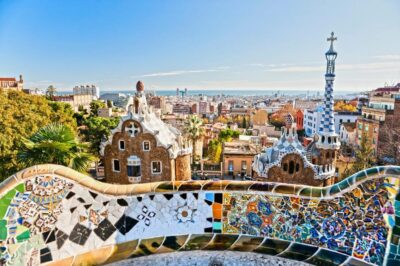
Park Güell and Gaudí House Museum Entry Ticket
Read our review →
Puro Flamenco Show with Optional Museum Ticket
Read our review →
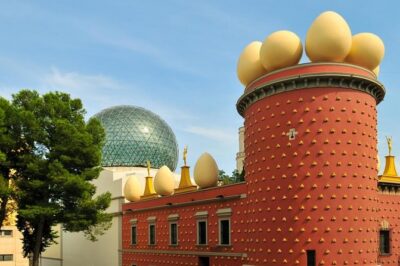
Girona & Dali Museum Small Group Tour with Pick-up from Barcelona
Read our review →
Oceanogràfic, Hemisfèric & Science Museum Combo
Read our review →Browse the lists this tour appears in