
Review · PAELLA EXPERIENCES
Málaga: Spanish Cooking Workshop with Paella and Sangria
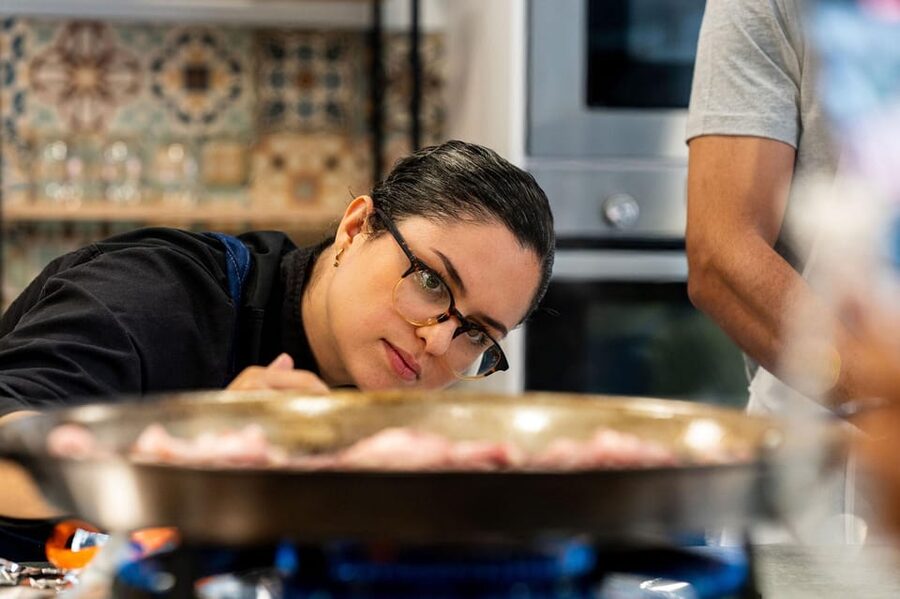
Come hungry, leave with a paella plan. This three-hour workshop puts you in a modern kitchen in Málaga’s historic center, where you cook paella, ajoblanco, remojón malagueño, and a surprise dessert with guidance from Laura or Diego. I like the fully participatory format and the excellent location, just five minutes from Atarazanas Market. The main consideration is that the class needs at least four participants, so availability may depend on the date you choose.
Laura brings Le Cordon Bleu training and experience in Michelin-starred restaurants, while Diego specializes in Málaga and Andalusian cooking. Both teach in English and add food stories, market advice, and restaurant tips. I also like that high stools with backs are available, but you should still expect to spend part of the three hours working at a counter.
In This Review
- Key points
- A Málaga cooking class with a local point of view
- Finding the kitchen near Atarazanas Market
- Meeting Laura and Diego
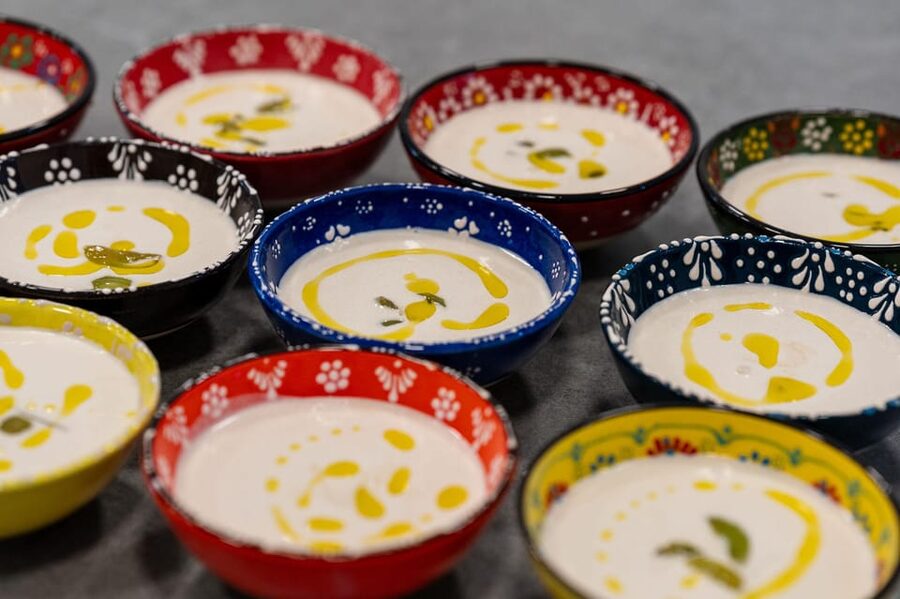
- Starting with ajoblanco and local flavor
- Preparing remojón malagueño
- Learning the secrets of paella
- Making sangria, then sitting down to eat
- The surprise dessert and recipes for home
- Dietary needs and comfort during the three hours
- Is $78 a fair price?
- Timing, reservations, and cancellation
- Who should book this Málaga workshop?
- FAQ
- How much does the Málaga cooking workshop cost?
- How long does the cooking class last?
- Where does the class take place?
- Which dishes are included?
- Is the class taught in English?
- Who teaches the workshop?
- Are vegetarian, vegan, or allergy-friendly options available?
- Is the cooking workshop wheelchair accessible?
- Can I cancel or pay later?
Key points
- Paella with real technique: Learn the details behind rice texture, ingredients, and traditional preparation from chefs trained in Spanish cooking.
- More than one dish: Prepare ajoblanco, a chilled almond soup, remojón malagueño, a Málaga salad, paella, and a surprise dessert.
- Central Málaga setting: The kitchen is in the historic center, about five minutes from Atarazanas Market.
- A social, hands-on class: You prepare ingredients and dishes yourself instead of watching a chef do all the work.
- Strong local guidance: Laura and Diego share food traditions, shopping advice, restaurant suggestions, and places to visit.
- Good practical value: The $78 price includes three hours of instruction, a full meal, sangria, and recipes to use at home.
A Málaga cooking class with a local point of view
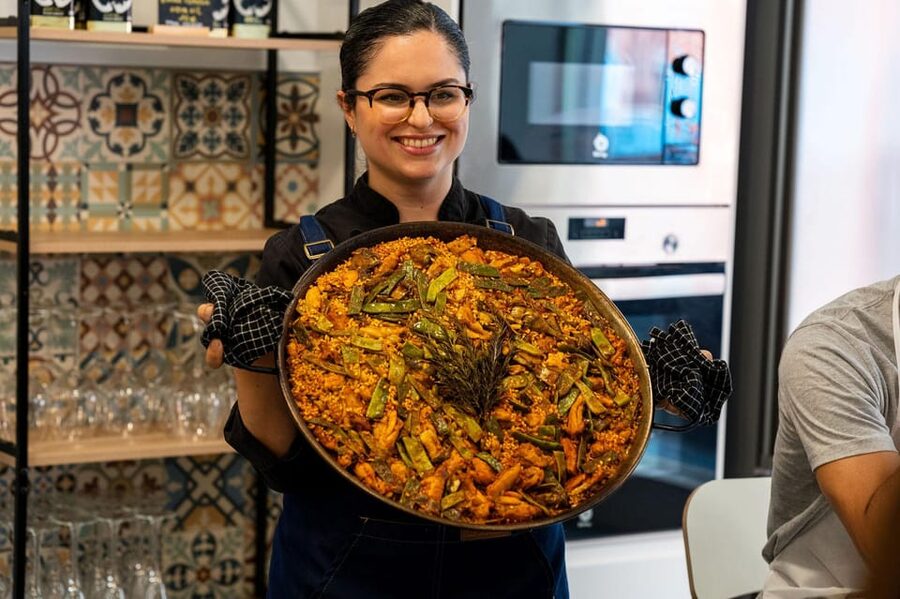
Many cooking classes reduce Spanish food to paella and sangria. This one gives you a wider taste of Málaga. You work with ajoblanco, remojón malagueño, paella, dessert, and sangria, so the meal reflects both Andalusian cooking and Spain’s best-known rice dish.
That matters because Málaga has its own food traditions. Ajoblanco is a cold almond soup associated with Andalusia, while remojón malagueño is a local salad. These dishes give you a better feel for the region than a class built around paella alone.
I also like the way the chefs connect recipes to daily life. Laura discusses ingredients, Spanish customs, and local markets. Diego brings experience from traditional Andalusian kitchens and more exclusive restaurants in Málaga. The result is part cooking lesson and part food orientation for the rest of your stay.
The class is taught in English. That makes the technical parts easier to follow, especially when you are learning rice timing, seasoning, and kitchen terms. You can ask questions as you work, rather than trying to remember a long demonstration afterward.
More paella experiences:
- Malaga: Sailing Catamaran with Swimming and Paella Lunch
★ 4.1 · 578 reviews - Paella Cooking Class in Malaga
★ 5.0 · 209 reviews - Barcelona: Paella Cooking Experience & Boqueria Market Tour
★ 4.8 · 3,661 reviews
Finding the kitchen near Atarazanas Market
The workshop takes place in Málaga’s historic center, about five minutes from Atarazanas Market. That is a useful location for two reasons. You can reach it without arranging a special excursion, and you can pair the class with a visit to one of the city’s main food markets.
I would plan to arrive in the area early enough to walk around before class. The market connection also gives Laura a natural place to point you toward local ingredients and shops. The supplied information does not promise that the class shops at the market, so think of it as a convenient nearby landmark and a source of recommendations, not part of the scheduled activity.
The kitchen itself is described as modern and comfortable. High stools with backs were available in at least one class, which is useful if you worry about standing for several hours. The workshop is wheelchair accessible as well.
You should still wear something comfortable and practical. This is not a restaurant meal where you sit from start to finish. You will be preparing ingredients and working at the counter, although the stools make the pace easier for many people.
Meeting Laura and Diego
Your instructor may be Laura or Diego. Both have clear strengths, and the class seems to benefit from their different backgrounds.
Laura studied at Le Cordon Bleu in London and worked in Michelin-starred restaurants. She also trained with a Valencian chef who specializes in paella. That combination gives her a useful balance: formal kitchen training, high-level restaurant experience, and a direct connection to the dish you came to learn.
Laura’s teaching style includes food history, ingredient explanations, and practical comparisons. She has also been praised for taking time with individuals who need extra help. If you are nervous about your cooking skills, that patient instruction is more valuable than a flashy demonstration.
Diego grew up and trained in Málaga after beginning his culinary path at age nine. His experience includes traditional Andalusian kitchens and high-end restaurants in the city. He has a particular interest in Málaga-style dishes and desserts, so he adds a strong regional angle to the class.
Diego is also known for a playful, relaxed teaching style. His humor helps the class feel social rather than formal, but he still explains each step carefully. He has been especially praised for paella tips, the history of dishes, and suggestions about where to eat in Málaga.
Some classes also include support from Nahuel. The exact staff arrangement can vary, but the focus remains the same: clear instruction, conversation, and plenty of time for questions.
Starting with ajoblanco and local flavor
The menu begins with ajoblanco, a chilled almond soup. It is a smart choice for this workshop because it introduces you to a classic Andalusian flavor profile before you tackle paella.
The soup has received especially warm praise, with some participants calling it the best dish of the meal. That does not mean paella is an afterthought. Instead, the soup gives the class a chance to show how local cooking can be simple, fresh, and built around a few carefully handled ingredients.
You will cook from scratch and learn about the ingredients as you go. The instructors explain the background of the dish and show you how the preparation fits into Andalusian food culture.
This part of the class is also friendly to less experienced cooks. The lesson is designed to be easy to follow, and the instructors help individual participants when needed. You do not need to arrive with professional kitchen skills.
More cooking classes:
- Barcelona Paella Cooking Class with Market Visit, Tapas & Sangria
★ 5.0 · 2,531 reviews - Barcelona Interactive Spanish Cooking Experience
★ 4.5 · 2,155 reviews - Spanish Cooking Class Paella Tapas and Sangria in Madrid
★ 5.0 · 1,340 reviews - Paella Cooking Class, Wine Tasting & Central Market in Valencia
★ 5.0 · 1,150 reviews
Preparing remojón malagueño
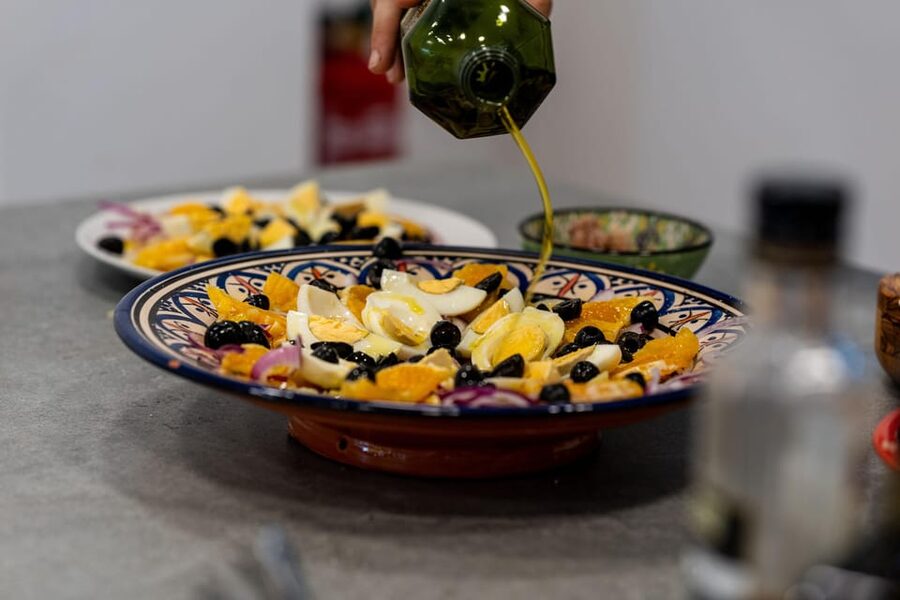
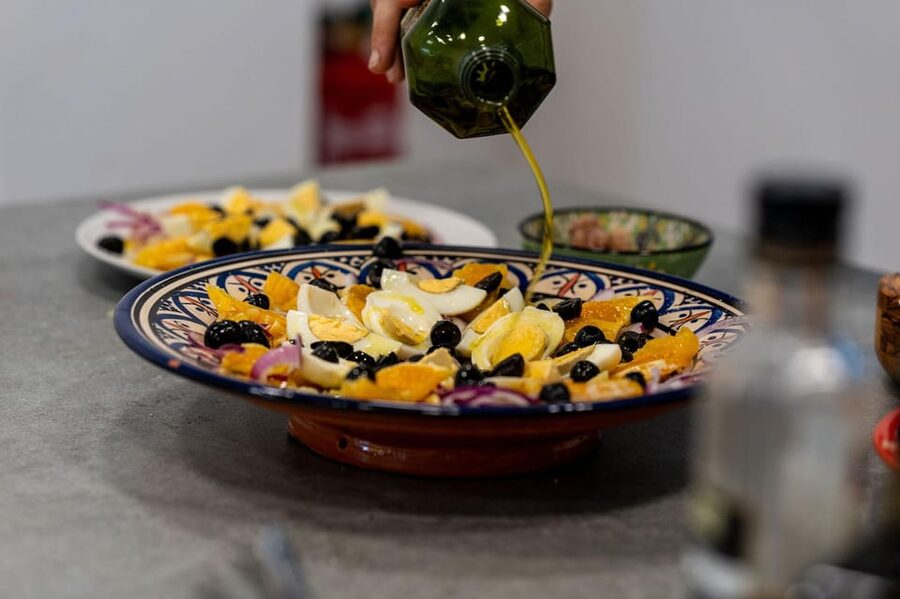
Next comes remojón malagueño, a typical Málaga salad. It gives you a local dish that many visitors might not know before arriving in the city.
The salad adds freshness and contrast to the meal. It also helps explain how Málaga cooking is not just about rich rice dishes or fried seafood. Regional food can include cold soups, salads, almonds, fruit, vegetables, and simple dressings that suit the warm Andalusian climate.
You take part in the preparation rather than simply receiving a finished plate. That is one of the strongest features of the workshop. The class keeps you busy enough to feel involved, but the three-hour schedule allows time for explanations and conversation.
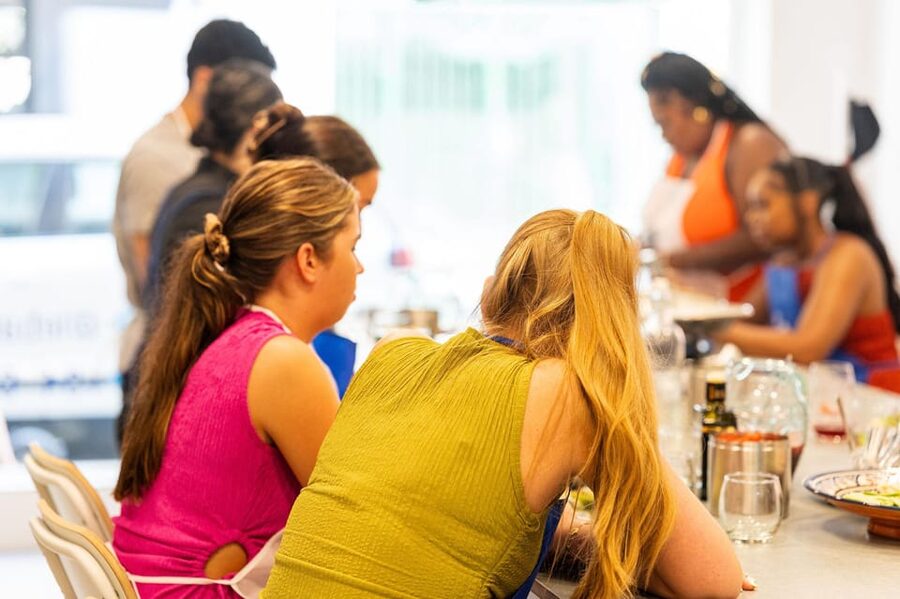
The dishes are prepared together, so the exact rhythm may depend on the group. In a small class, you may receive more direct help. Several sessions have had around nine or ten participants, a size that allows plenty of shared conversation without making the room feel like a lecture hall. The provider only guarantees a minimum of four participants, not a fixed maximum.
Learning the secrets of paella
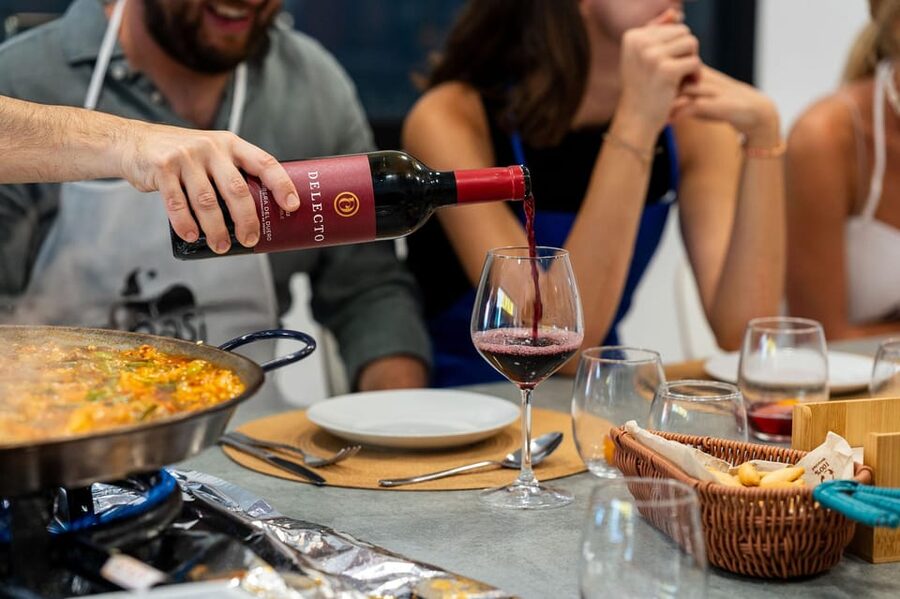
Paella is the main event, and this is where Laura’s Valencian training becomes particularly useful. She focuses on the traditional method and the small decisions that affect the finished rice.
You learn how to prepare the ingredients and cook the dish yourself. The instructors explain the origins of paella, regional differences, and the techniques needed to get the rice right. One of the most useful lessons is knowing how to manage the rice so it cooks properly without turning soft or uneven.
That practical guidance is what separates this class from a simple demonstration. You are not just watching someone make a beautiful pan. You are involved in the process, so you leave with a better chance of repeating it at home.
Several participants have singled out the rice tips as especially helpful. That makes sense. Paella often looks easy until you try to control the liquid, heat, timing, and texture yourself. The instructor’s corrections during the cooking process can save you from repeating the usual home-kitchen mistakes.
The class also explains the cultural side of paella. You learn why the dish matters, how it developed, and how it fits into Spanish cooking. This background gives the meal more meaning without turning the workshop into a history lecture.
Making sangria, then sitting down to eat
Sangria is prepared as part of the social side of the class. You learn how the drink is made, then enjoy it with the meal. Sangria is included, with additional servings described as part of the offering according to your choice.
The alcohol is worth noting. Alcohol and drugs are not allowed outside the intended activity rules, but sangria is included as part of the cooking experience. If you do not drink, you should ask about alternatives when booking because the supplied information only specifically confirms sangria.
Once the dishes are ready, you eat together. This shared meal is an important part of the value. You get to taste the food you helped prepare, compare results with the other participants, and continue talking with the chefs.
The group setting attracts couples, families, solo visitors, and small groups. I think solo visitors can fit in particularly well because the work naturally creates conversation. Families also have a good reason to choose it, since the activity combines cooking, culture, and a meal in one place.
The surprise dessert and recipes for home
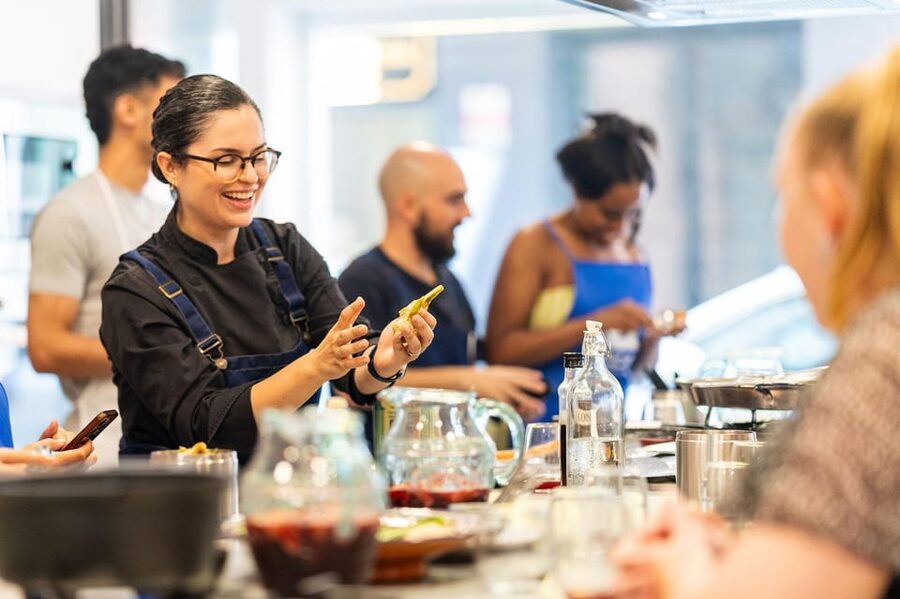
The menu includes a surprise dessert, with Diego’s background in Málaga-style and Andalusian desserts adding a regional touch. The exact dessert is not specified in advance, so you should treat it as part of the fun rather than choosing the class for a particular sweet.
Recipes are sent afterward or provided to take home, according to the class arrangements described by participants. That is an important benefit. A cooking workshop is poor value if you remember only the taste but cannot repeat the meal.
You also leave with more than a recipe card. The chefs explain where to buy ingredients and offer suggestions for restaurants, bars, markets, and places to visit around Málaga and Andalusia. Some of the best practical advice may come after the formal cooking is finished, when you can ask about your own plans.
If you are continuing to Valencia or another Spanish destination, Laura has also offered food recommendations beyond Málaga. That kind of personal advice can help you avoid a generic tourist meal and find dishes that fit the region you are visiting.
Dietary needs and comfort during the three hours
The menu can be adapted for food allergies and intolerances. Vegan and vegetarian options are available with advance notice. You should provide those details when reserving, rather than expecting a last-minute change once cooking has begun.
The class is a good choice for people who want activity without a physically demanding excursion. It takes place indoors, and comfortable high stools with backs are available. Still, you will work at a counter and participate in food preparation, so anyone who cannot stand or reach a work surface for any length of time should confirm the arrangement before booking.
The workshop is wheelchair accessible. That is a clear advantage, although the supplied details do not explain every feature of the kitchen or restroom facilities. If you need a particular setup, contact the provider ahead of time.
Is $78 a fair price?
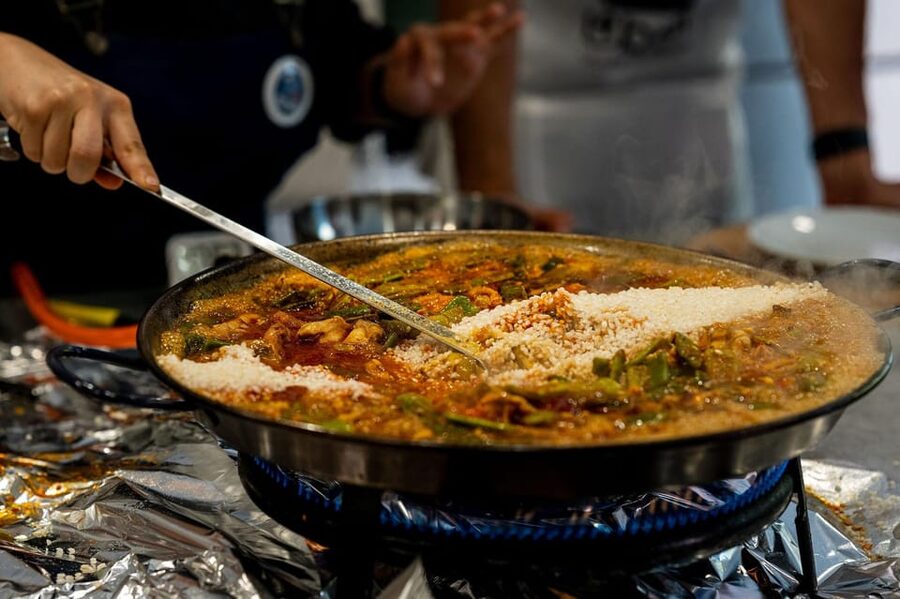
At $78 per person, this is not the cheapest meal in Málaga. You can eat well in the city for much less if your only goal is lunch or dinner.
The value improves when you count what is included: three hours, an English-speaking chef, hands-on instruction, several dishes, dessert, sangria, and recipes for home. You are also paying for local food guidance and the chance to ask questions about Málaga while you cook.
The meal includes enough variety to feel like a full food experience rather than a single-dish lesson. Ajoblanco, remojón malagueño, paella, dessert, and sangria cover several parts of Andalusian dining. For a couple or family that wants one organized cultural activity, the price is reasonable.
I would not choose it if you dislike group activities or want an advanced professional course. The tone is social and welcoming, not strict or exam-like. The chefs teach useful technique, but the goal is enjoyment and confidence, not restaurant certification.
Timing, reservations, and cancellation
The workshop lasts three hours, with starting times available according to the date you select. Since classes need at least four participants, check the date carefully before arranging the rest of your evening.
You can cancel up to 24 hours in advance for a full refund. The reserve-now, pay-later option also helps if your Málaga plans are still shifting. Those policies are useful for a short city break, where weather, day trips, and arrival times can change quickly.
I would schedule the class early enough in your stay to use the advice afterward. If Laura or Diego recommends a market, restaurant, or regional dish, you will still have time to follow up during your visit.
Who should book this Málaga workshop?
I would recommend it to you if you want to understand Spanish food by preparing it, not just eating it. It suits curious beginners, couples, families, solo visitors, and small groups who enjoy meeting other people over a shared meal.
It is particularly good for anyone who has tried making paella at home and failed to get the rice right. The class gives you a chance to watch the process, practice it, and ask questions while the dish is cooking.
You should think twice if you want a quiet, private dinner, dislike alcohol-centered activities, or need a fully seated class. The workshop is interactive, and the social element is part of the appeal.
With a 4.9 rating from 613 reviews, the strongest pattern is clear: people value the friendly instruction, delicious food, small-group feel, and useful local advice. I would book this class if you want a practical Málaga memory you can recreate after returning home, not just another meal checked off your itinerary.
FAQ
How much does the Málaga cooking workshop cost?
The price is $78 per person.
How long does the cooking class last?
The workshop lasts three hours.
Where does the class take place?
It takes place in Málaga’s historic center, about five minutes from Atarazanas Market.
Which dishes are included?
You prepare ajoblanco, paella, remojón malagueño, a surprise dessert, and sangria.
Is the class taught in English?
Yes. The live tour guide language is English.
Who teaches the workshop?
The main chefs are Laura and Diego. Laura trained at Le Cordon Bleu in London and has Michelin-starred restaurant experience. Diego specializes in Málaga and Andalusian cooking.
Are vegetarian, vegan, or allergy-friendly options available?
Food allergies and intolerances can be accommodated. Vegan and vegetarian options are available with advance notice.
Is the cooking workshop wheelchair accessible?
Yes, the activity is wheelchair accessible.
Can I cancel or pay later?
You can cancel up to 24 hours in advance for a full refund. You can also reserve now and pay later.
More Workshops
- Madrid: Paella and Sangria Workshop in the City Center
★ 4.9 · 1,264 reviews - Group Surfing Lesson at Playa de las Américas, Tenerife
★ 5.0 · 1,072 reviews - Seville: Flamenco Dance Class with Optional Costume
★ 4.9 · 1,032 reviews - Paella Cooking Class in Madrid with Bottomless Wine Pairing
★ 5.0 · 985 reviews
Recently added around Malaga
- Half-Day Luxury Catamaran Sailing Cruise in Granada★ 5.0 · 165 reviews
- Guided Tour to Caminito del Rey from Malaga★ 4.5 · 165 reviews
- Málaga: Traditional Andalusian Tapas and Wine Tour★ 4.7 · 167 reviews
- Malaga: Boat Rental without a License for Dolphin Watching★ 4.9 · 169 reviews
- Sunset Sailing along the Marbella coast from Puerto Banus★ 4.5 · 172 reviews
- Guided Tour to the only coffee farm in Europe★ 5.0 · 174 reviews
- Málaga: Off-Road 2-Seater Quad Tour through Land and River★ 4.6 · 175 reviews
- Tour to Gibralfaro★ 4.7 · 182 reviews
Paella Experiences, compared.
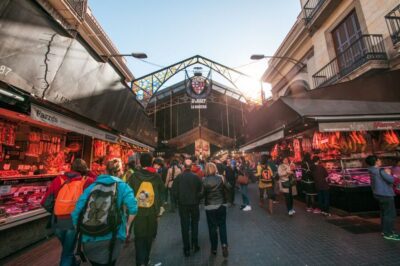
Paella Cooking Experience & Boqueria Market Tour
Read our review →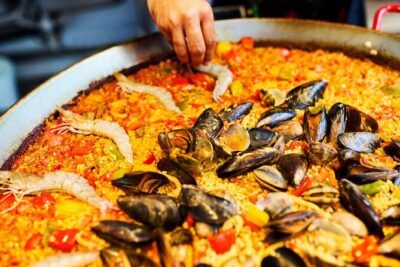
Barcelona Paella Cooking Class with Market Visit, Tapas & Sangria
Read our review →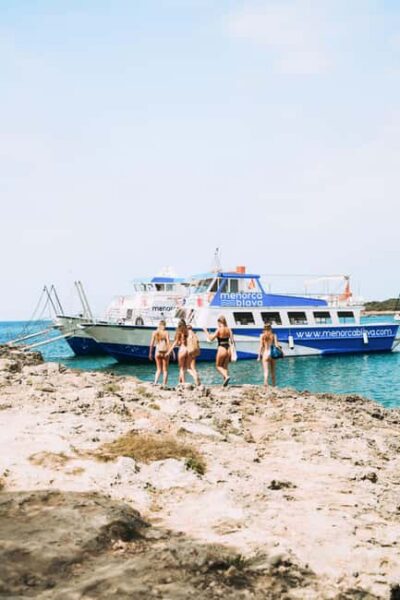
Natural Coves and Beaches Boat Trip & Paella Lunch
Read our review →
Spanish Cooking Class Paella Tapas and Sangria in Madrid
Read our review →
Barcelona Food Tour: Tapas, Paella, Sangria & 8+ Local Tastings
Read our review →
Paella and Sangria Workshop in the City Center
Read our review →
Paella Cooking Class, Wine Tasting & Central Market in Valencia
Read our review →
Girona & Costa Brava Small Group Tour From Barcelona with Paella!
Read our review →Browse the lists this tour appears in