

Review · MALAGA TOURS
Málaga: Museo del Automóvil y la Moda Ticket
Cars can tell a story about an era. At Málaga’s Automobile and Fashion Museum, polished vehicles share the floor with period clothing, art, posters, and design pieces. I like the way the collection connects car shapes with the clothes people wore at the time, and I also like the range, from rare early models to mighty Cadillacs, Rolls Royce, Jaguar, and everyday classics.
The main drawback is its location. The museum sits outside Málaga’s historic center in the former La Tabacalera tobacco factory, so you may need extra time to reach it. Still, the $14 admission price is fair for a well-kept collection, especially if you enjoy design, fashion, or family outings as much as automobiles.
In This Review
- Key points to know before you go
- Inside La Tabacalera, Málaga’s unusual museum setting
- The first galleries: cars as design, not just transport
- American dream cars and the mighty Cadillac collection
- Rolls Royce, Jaguar, and the English sense of style
- The everyday classics: Austin Seven, Morris Minor, and Velorex
- Fashion, Dior, and the museum’s artistic side
- Experimental vehicles and the road ahead
- Sunday’s Running the Engines activity
- How long to allow and how to plan your visit
- Is the $14 ticket good value?
- Who will enjoy this museum most?
- Should you book the Málaga Automobile and Fashion Museum?
- FAQ
- Where is the Málaga Automobile and Fashion Museum?
- How long does a visit take?
- How much does admission cost?
- Is parking available?
- Can I visit the museum without a guide?
- Is the guided tour included with museum admission?
- When can I hear some of the engines running?
- Is the museum accessible for seniors and people with disabilities?
- What should I bring, and what is not allowed?
Key points to know before you go
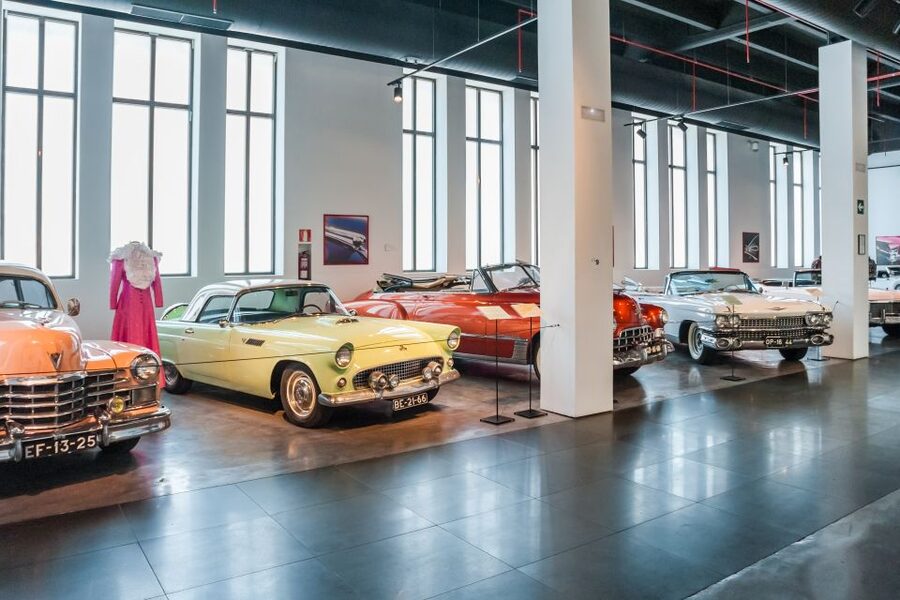
- A 1923 tobacco factory provides the setting: La Tabacalera gives the museum spacious halls and an unusual sense of place.
- Cars are paired with fashion: Couture dresses and period clothing help explain the style of each automotive era.
- The collection covers more than luxury cars: You will see American dream cars, English marques, popular small cars, experimental designs, and alternative-energy vehicles.
- Sunday at 12:30 has extra noise: The Running the Engines activity starts some vehicles and lets you hear their power.
- Free on-site parking helps: This is useful if you are exploring Málaga by car.
- Allow about 50 minutes to an hour: The official visit lasts 50 minutes, though many people linger longer around the displays.
Inside La Tabacalera, Málaga’s unusual museum setting
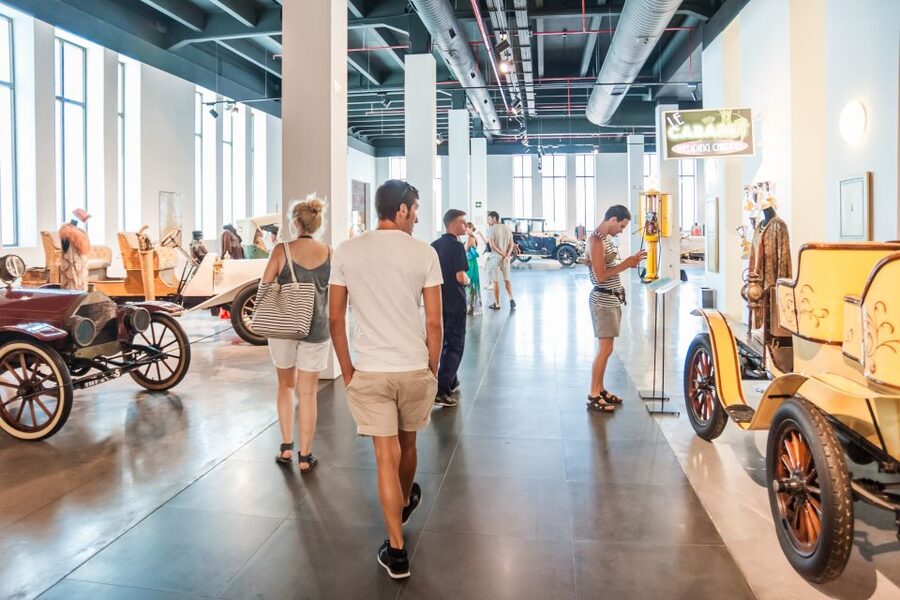
The building is part of La Tabacalera, a former tobacco factory built in 1923. That setting matters. You are not walking into a plain modern showroom. The old industrial building gives the visit a spacious, slightly theatrical feel, while the cars and fashion create a sharp contrast with the original purpose of the site.
I appreciate the practical side of the building, too. The museum is described as cool, well lit, and easy to walk around. Several people found the halls comfortable and peaceful, with enough room to look at the vehicles without feeling squeezed into a crowd.
The museum is at Avenida Sor Teresa Prat 15, around 29003 Málaga. It is a little outside the central sightseeing area, and that distance is the one repeated caution I would keep in mind. If you are staying in the old town, this is not an attraction you simply pass on the way to the cathedral. Plan it as a separate stop.
If you are driving, free parking on site improves the value considerably. There is also a small coffee shop outside, though it may have queues during the summer. The site includes rest areas, free WiFi, and facilities adapted for seniors and people with disabilities.
A few more Spain trips worth a look
- Málaga: Caminito del Rey Guided Tour with Transportation
★ 4.8 · 12,183 reviews - Caminito del Rey: Guided Tour and Entry Ticket
★ 4.6 · 11,286 reviews - El Chorro: Caminito del Rey Guided Tour with Shuttle Bus
★ 4.7 · 7,091 reviews
The first galleries: cars as design, not just transport
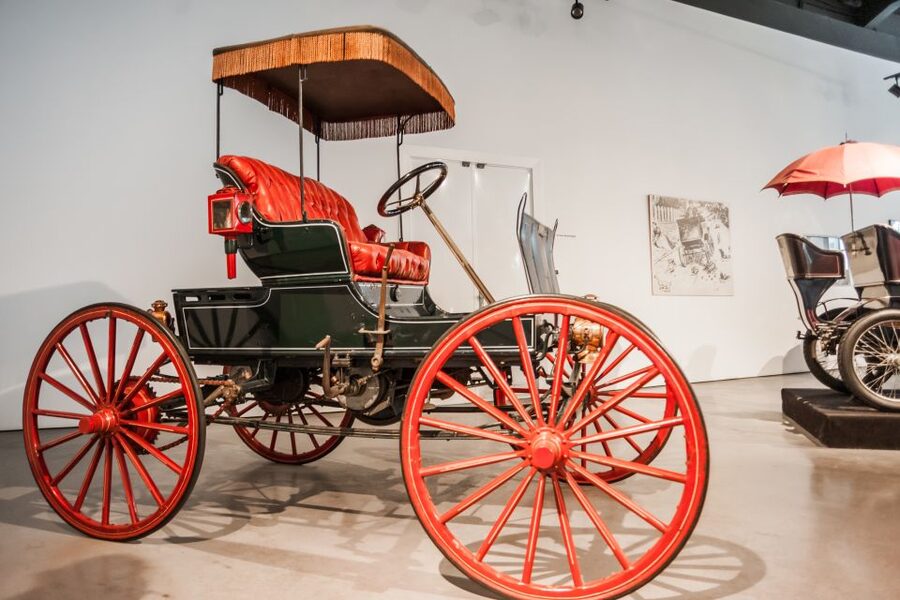
The museum works best when you treat it as a design collection rather than a garage full of old cars. Its displays are divided into themed areas that move through the past, present, and future of automobile design.
You can expect a mix of:
- Rare late 19th-century vehicles
- Cars from the stylish 1920s
- Avant-garde designs
- American models from the 1950s
- English heritage brands
- Popular cars that became part of everyday life
- Vehicles built to use alternative energy sources
That range keeps the visit from becoming a parade of expensive marques. One moment you may be looking at a dramatic luxury body, and the next you are considering a small, practical car that had a much wider place in ordinary life.
Short information panels beside the vehicles give the year of manufacture and background details. I find that useful because the visual differences between eras can otherwise blur together. A simple date and a few facts help you see how quickly body shapes, technology, and social taste changed.
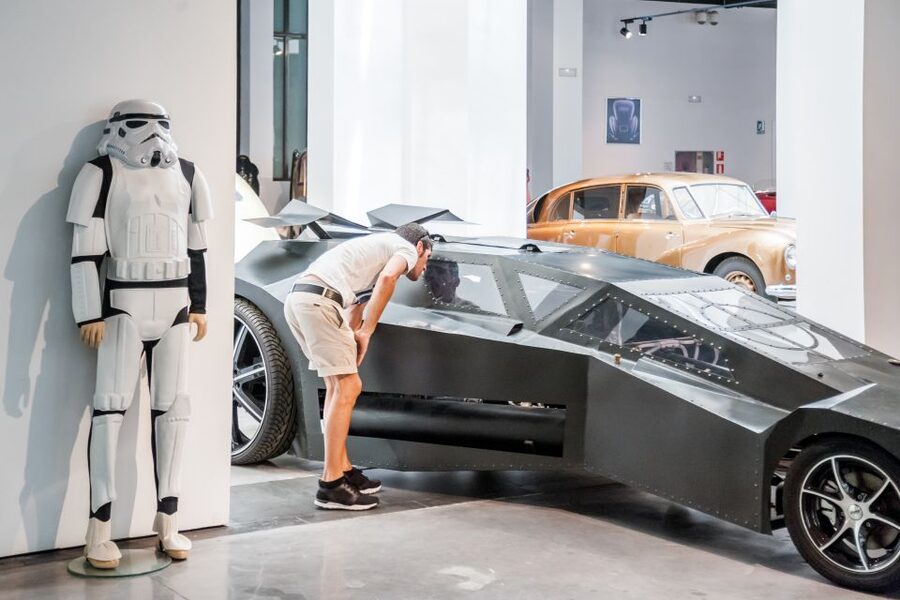
The cars are presented in very good condition. Their paint, chrome, interiors, and unusual mechanical features are part of the attraction, but the displays also give you enough context to understand why each example matters.
American dream cars and the mighty Cadillac collection
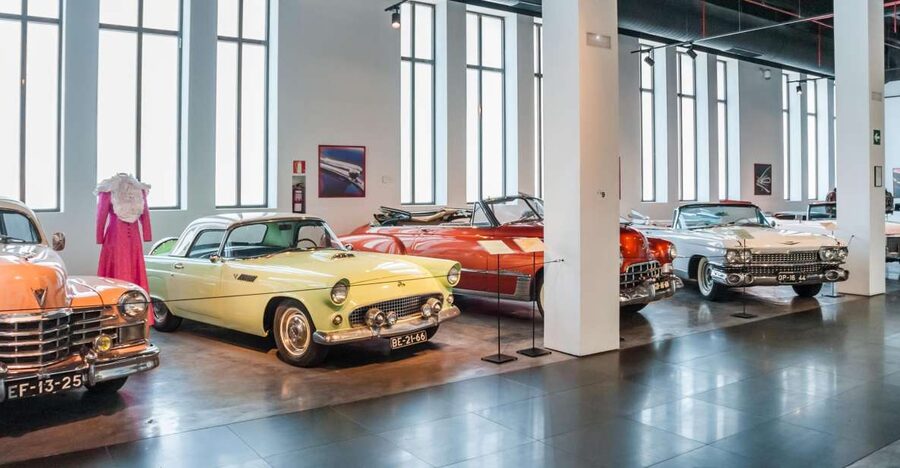
The American section is likely to be one of the most eye-catching parts of the museum. The collection includes large American models and a group of Cadillacs, giving you a clear sense of the postwar appetite for size, shine, and theatrical styling.
These cars are not modest machines. They represent an era when a vehicle could be a public statement, with long bodies, bold details, and an almost furniture-like presence. Even if you do not know much about engines, you can appreciate the cultural message: these were cars designed to be noticed.
The displays work especially well when you compare American styling with the more restrained lines of English cars elsewhere in the museum. I like this kind of comparison because it turns the visit into a conversation between countries and periods, rather than a simple list of brands.
Look carefully at the nearby fashion. The clothing helps explain the mood of the cars, from formal elegance to the confidence of mid-century American style. This pairing is one of the museum’s strongest ideas.
Rolls Royce, Jaguar, and the English sense of style
The English section offers a different kind of appeal. Rolls Royce and Jaguar represent polished craftsmanship and formal elegance, but their presence also shows how national ideas about luxury can differ.
The value here is not only in identifying famous badges. It is in seeing how proportions, materials, and details create a certain character. A Rolls Royce suggests ceremony and status. A Jaguar brings a more athletic note. The museum uses fashion and artwork to reinforce those distinctions.
Many displays include clothing from the same period as the vehicle. Some pieces are genuine vintage garments, and visitors have particularly enjoyed the way the outfits match the cars and the surrounding artwork. That makes the exhibits more approachable for people who are not focused on mechanical specifications.
If one person in your group loves cars and another prefers fashion or art, this is where the museum earns its keep. You have more than one way into the display.
A completely different kind of day out in Malaga:
- Caminito del Rey: Tour with Official Guide and Drink
★ 4.7 · 6,190 reviews - Málaga: Alcazaba and Roman Theatre Guided Tour With Entry
★ 4.8 · 5,792 reviews - Caminito del Rey: Entry Ticket
★ 4.8 · 4,710 reviews - Malaga: Teatro Flamenco Malaga Live Flamenco Show
★ 4.7 · 4,254 reviews
The everyday classics: Austin Seven, Morris Minor, and Velorex
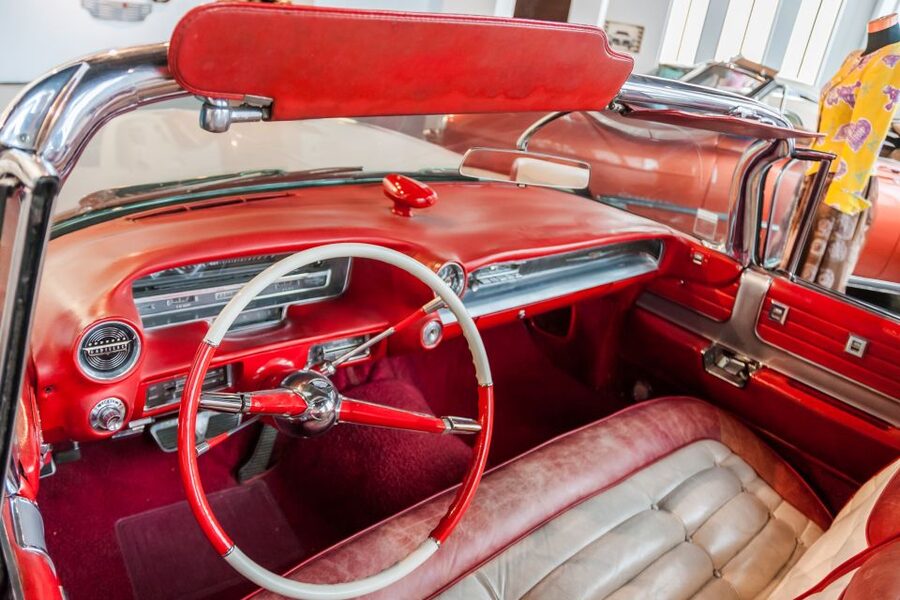
The collection does not stay with grand automobiles. One themed area brings you back to more familiar and practical vehicles, including an Austin Seven, a Morris Minor, and a 1960s Velorex.
This section is important because it broadens the story. Automobile design is not only about rare luxury cars. Small and popular vehicles changed how ordinary people moved around, worked, shopped, and spent their leisure time.
The Austin Seven and Morris Minor may appeal to you precisely because they feel less remote than a giant Cadillac or formal Rolls Royce. The Velorex adds a particularly unusual note. Its shape and construction make it one of the displays likely to prompt questions, even from someone who is not an enthusiast.
I would spend time here with children. A young visitor may not care about the name of a coachbuilder, but a small, strange, or familiar-looking car can spark more interest than a polished luxury model. One family visit included a 13th birthday, with both the classical cars and fashion displays helping make the outing work for different ages.
Fashion, Dior, and the museum’s artistic side
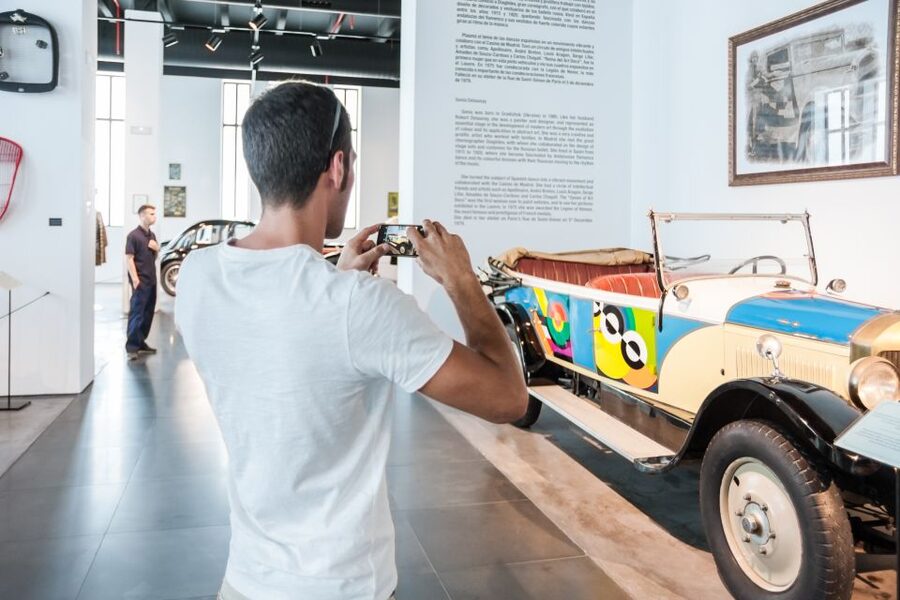
The fashion collection is not an afterthought. It is one of the main reasons this museum feels different from a standard automobile exhibition.
Clothing is placed beside cars from matching eras, helping you connect automotive design with silhouettes, fabrics, color, and social style. Dresses, designer pieces, vintage garments, posters, and artwork add visual clues to each period.
The displays have included Dior dresses, and there is a virtual room where you can experiment with the dresses digitally. That playful feature gives the museum a lighter moment after the more formal car displays. It is especially useful for children and for anyone who likes fashion but does not want a purely technical museum.
Some visitors have found the use of mannequins inside cars a little distracting. I can understand the concern. They add atmosphere, but they may also compete with the vehicle itself. The museum’s occasional theatrical touches, including skulls and Halloween-themed decoration at one point, may not suit every taste.
Still, the central idea is strong. Clothing gives the cars a human setting. Instead of seeing an object alone under lights, you get a better sense of the world in which it was used.
Experimental vehicles and the road ahead
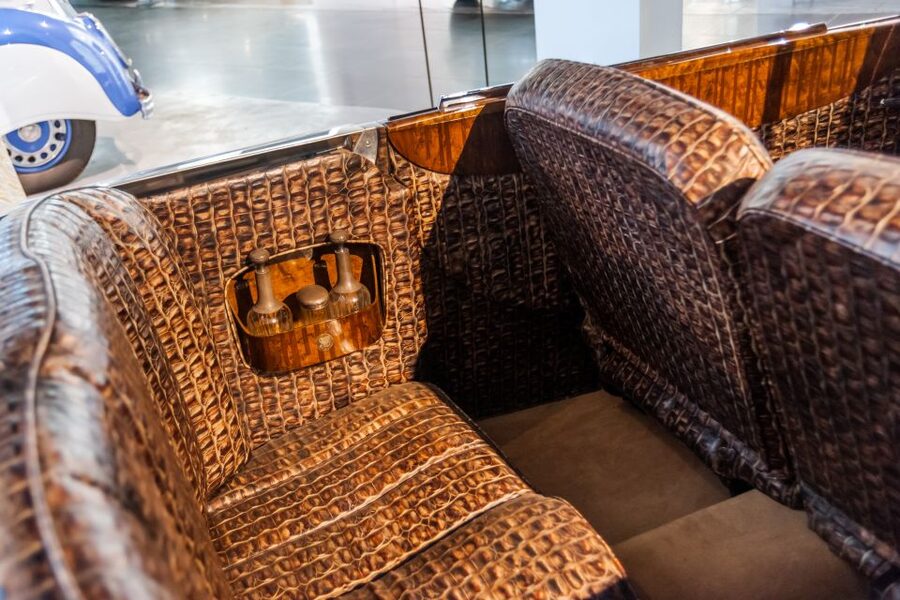
The museum also looks toward the future with vehicles designed to run on alternative energy sources. This part adds useful balance to the display of historic automobiles.
It reminds you that car design has always involved problem-solving. Engineers and designers have repeatedly tried new ways to improve performance, reduce limits, or respond to changing needs. The experimental vehicles may look unusual compared with the familiar classics, but that is exactly their role.
The avant-garde cars are also worth your attention. Some were ahead of their time in shape or concept, and they show how designers imagined the future before the public was ready for it. You may not agree that every design is beautiful, but the museum encourages you to ask why it was made that way.
Decorated or rebuilt engines appear around the exhibition as well. These are not quiet technical displays. Some have been painted and presented in highly dramatic ways, adding a playful art-school quality to the halls.
Sunday’s Running the Engines activity
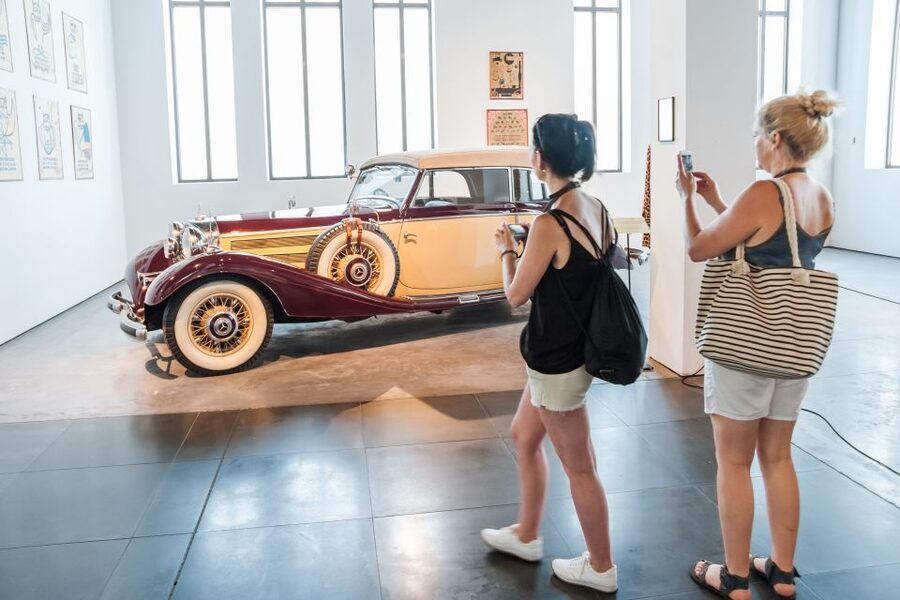
If your schedule allows, Sunday at 12:30 is the most distinctive time to visit. The Running the Engines activity starts some vehicles in the collection, giving you the chance to hear their engines and learn about their power.
That changes the experience. A stationary car can be admired as sculpture, but sound reminds you that these machines were built to move. The activity is particularly useful if you have a keen interest in mechanics or if children need more than a silent display to hold their attention.
The timing is fixed, so check availability before planning around it. The visit itself is listed as 50 minutes, and the engine activity may become the natural center of your schedule. I would avoid rushing through the galleries just to reach it. Arrive with enough time to see several sections first.
How long to allow and how to plan your visit
The stated duration is 50 minutes, which gives you enough time for a clear look at the principal displays. In practice, I would allow about an hour if you want to read the information panels, compare the fashion with the cars, and stop for photographs.
People who love automobiles may want longer. The museum is not huge, but the collection has enough variety to reward a slower pace. If you are visiting as part of a busy Málaga day, 50 minutes is a workable block. If you are bringing a family, add time for pauses and the coffee shop outside.
You can explore independently with the entrance ticket. A guided tour is available as an option for professional commentary, but check the booking details carefully because the museum admission ticket must also be purchased if you choose the guided tour.
Bring a passport or ID card if required for your booking, and carry a student card or disability card if you intend to use one. Large bags and luggage are not allowed, and smoking is prohibited indoors. Swimwear is also not permitted, which is worth noting if you are combining the museum with a beach day.
Is the $14 ticket good value?
At $14 per person, I consider the museum good value for a short cultural stop. You are paying for a broad collection, a distinctive historic building, fashion and art displays, free parking, and access to vehicles that are not all of the same familiar type.
The price is especially fair for mixed groups. A dedicated car museum can leave non-enthusiasts cold, but the clothing, artwork, and period settings give everyone something to inspect. The fashion displays are not filler. They are central to the museum’s appeal.
The main limitation is scale. If you expect a huge national collection that requires half a day, you may feel there could be more to see. One visitor liked the cars but thought the exhibition could contain more, while another found the setup occasionally less creative than expected.
For a 50-minute visit, though, the ticket works well. Free parking adds practical value, and the Sunday engine activity gives you an extra reason to choose this museum over a quick look at a conventional display.
Who will enjoy this museum most?
I would recommend it to:
- Car enthusiasts who want classic, luxury, popular, and experimental vehicles in one place
- People interested in fashion and 20th-century design
- Families with children or teenagers
- Couples with different museum interests
- Visitors looking for an indoor activity in Málaga
- Anyone who enjoys unusual buildings and visual displays
You do not need to know the difference between a Jaguar model and a Cadillac model to enjoy the visit. The information panels are short, and the visual pairing of cars, clothing, and art does much of the explaining.
I would be more cautious if you have very limited time in Málaga and are staying far from La Tabacalera. The museum is worthwhile, but it is not beside the city’s central monuments. I would also avoid promising a long, technical museum visit to someone who wants detailed engineering information above all else.
Should you book the Málaga Automobile and Fashion Museum?
Book it if you want a stylish, manageable museum with broad appeal. The best features are the excellent condition of the cars, the unusual mix of automobiles and fashion, the 1923 tobacco factory setting, and the range from Cadillacs and Rolls Royce to everyday classics and alternative-energy designs.
Choose Sunday at 12:30 if hearing old engines matters to you. Drive if possible to make use of the free parking, or set aside extra time for the trip from central Málaga.
I would not make this your only museum stop in Andalusia, but I would gladly add it to a Málaga itinerary. At $14, it offers more than a quick collection of shiny cars. You get a lively look at how transport, clothing, art, and changing ideas of style have influenced one another.
FAQ
Where is the Málaga Automobile and Fashion Museum?
It is located at Avenida Sor Teresa Prat 15, 29003 Málaga, Spain, in the La Tabacalera building.
How long does a visit take?
The stated duration is 50 minutes. You may want to allow about an hour if you plan to read the displays and spend time with the fashion exhibits.
How much does admission cost?
The listed price is $14 per person.
Is parking available?
Yes. Free parking is available on site.
Can I visit the museum without a guide?
Yes. You can explore the collections independently with an entrance ticket. A guided tour is available as an optional choice.
Is the guided tour included with museum admission?
The guided tour is included only if you select that option. If you choose the guided tour, you also need to buy the museum ticket.
When can I hear some of the engines running?
Running the Engines takes place every Sunday at 12:30. Some vehicles are started so you can hear their engines and learn about their power.
Is the museum accessible for seniors and people with disabilities?
The facilities are adapted for seniors and people with disabilities, with easy parking and rest areas. Special tours are available for people with sensory limitations.
What should I bring, and what is not allowed?
Bring a passport or ID card. You may also need a student card or disability card where relevant. Luggage and large bags are not allowed, and smoking indoors and swimwear are prohibited.
Recently added around Malaga
- Half-Day Luxury Catamaran Sailing Cruise in Granada★ 5.0 · 165 reviews
- Guided Tour to Caminito del Rey from Malaga★ 4.5 · 165 reviews
- Málaga: Traditional Andalusian Tapas and Wine Tour★ 4.7 · 167 reviews
- Malaga: Boat Rental without a License for Dolphin Watching★ 4.9 · 169 reviews
- Sunset Sailing along the Marbella coast from Puerto Banus★ 4.5 · 172 reviews
- Guided Tour to the only coffee farm in Europe★ 5.0 · 174 reviews
- Málaga: Off-Road 2-Seater Quad Tour through Land and River★ 4.6 · 175 reviews
- Tour to Gibralfaro★ 4.7 · 182 reviews
Malaga Tours, compared.

Caminito del Rey Guided Tour with Transportation
Read our review →
Caminito del Rey: Guided Tour and Entry Ticket
Read our review →
Caminito del Rey Guided Tour with Shuttle Bus
Read our review →
Caminito del Rey: Tour with Official Guide and Drink
Read our review →
Alcazaba and Roman Theatre Guided Tour With Entry
Read our review →


Ronda+Setenil de las Bodegas with Little Train
Read our review →Browse the lists this tour appears in