
Review · MADRID TOURS
Madrid: Museo de la Luz Entry Ticket
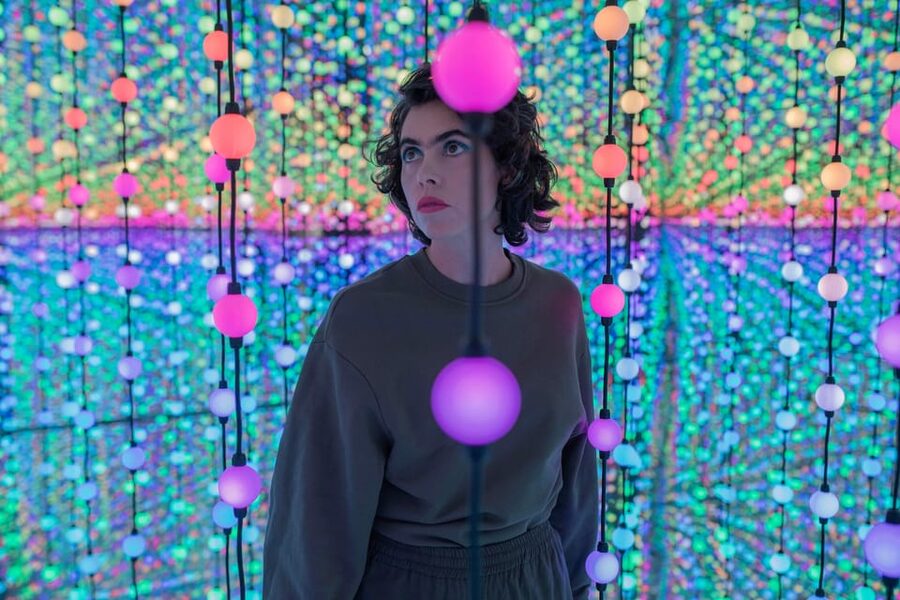
Light turns a short museum visit into play. Madrid’s Museo de la Luz uses projections, lasers, sculptures, mirrors, and colored light to make art you can see, photograph, and sometimes influence. I like the hands-on design and the friendly staff, who help with photos and suggest good poses. I also like that it works for families, couples, and solo visitors.
The main drawback is size. At $17 per person, the ticket can feel costly if you spend only 20 minutes inside. Plan your timing carefully, though, because some people stay longer taking photos and trying the interactive displays.
In This Review
- Key points to know before you go
- What the Museo de la Luz is really about
- Entering the first light installations
- Lasers, projections, and colored light games
- The mirror room and the art of the photograph
- A realistic look at the 20-minute visit
- Why staff assistance improves the experience
- Visiting with children, friends, or by yourself
- Timing, late arrival, and useful planning advice
- Is $17 good value?
- Who should book the Museo de la Luz?
- My final booking advice
- FAQ
- How much does entry to the Museo de la Luz cost?
- How long does the Museo de la Luz visit last?
- What is included with the ticket?
- Is the Museo de la Luz wheelchair accessible?
- Can children visit the museum?
- What happens if I arrive late?
- Can I cancel the booking?
- Do I have to pay when I reserve?
- Does the museum have temporary exhibitions or special events?
Key points to know before you go
- Color and mirrors create the biggest photo opportunities: The colorful mirror room and laser displays are especially popular for striking pictures.
- This is a short, playful museum: The official duration is 20 minutes, but some people spend close to an hour taking photos and enjoying the exhibits.
- Staff add real value: Employees welcome you, explain the spaces, offer pose ideas, and may help take pictures.
- It suits many ages: Children, adults, couples, and solo visitors can all take part, though children must remain with an adult.
- Arrive on time: Entry may not be guaranteed more than 20 minutes after your scheduled time.
- The $17 price depends on your pace: It is better value if you use the rooms for creative photos rather than rushing through them.
What the Museo de la Luz is really about
The Museo de la Luz is not a traditional museum filled with framed paintings and long historical labels. It is a cultural space built around light as an artistic tool.
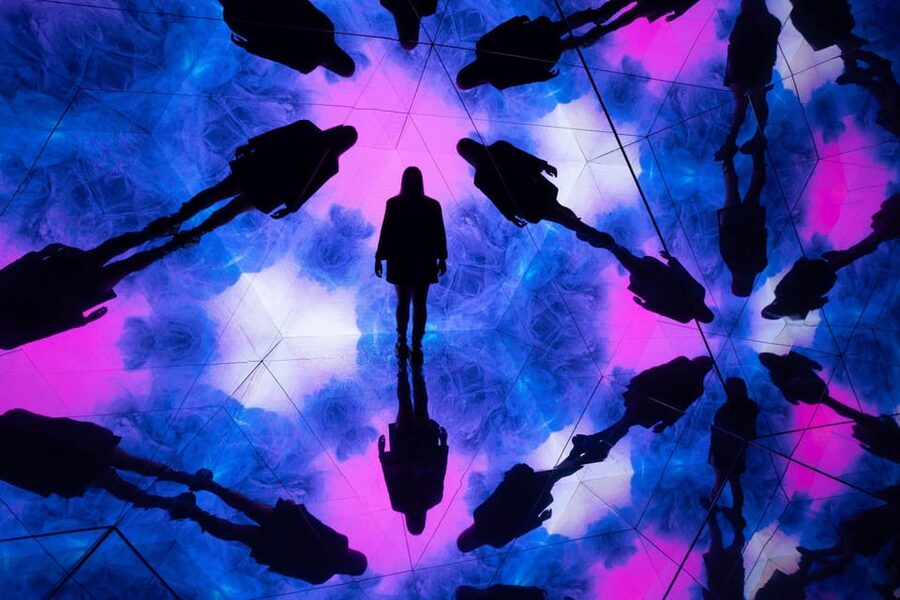
You move through installations, projections, sculptures, and interactive areas where light does the work normally handled by paint, stone, or ink. A beam can change the mood of a room. A projection can make a wall appear to move. Colored light can alter how you see your own face, clothing, or surroundings.
That makes the museum easy to enjoy even if you know little about contemporary art. You do not need a background in physics or art theory to appreciate the effect. The basic idea is clear: light can shape space, create emotion, and turn a simple room into something strange and memorable.
I would describe the experience as part art museum, part photo studio, and part family activity. It has an educational side, since you see how light affects color, reflection, shadow, and perception. But it never asks you to sit quietly and study a label for ten minutes. The point is to look, experiment, laugh, and take part.
A few more Spain trips worth a look
- Madrid: Tour Bernabéu Entry Ticket
★ 4.5 · 21,573 reviews - Madrid: Prado Museum Entry Ticket
★ 4.6 · 17,509 reviews - Madrid: Royal Palace Fast-Access Admission Ticket
★ 4.6 · 13,856 reviews
Entering the first light installations
Your visit begins with an introduction from the reception team. This small moment matters because the museum’s spaces make more sense when you know how to approach them. The staff have been praised for being welcoming, helpful, and good at explaining what to do.
You might be shown how to interact with certain displays or where to stand for the best effect. Staff members also help with photographs, which is useful if you arrive alone or want a picture with everyone in your group.
The early installations introduce the museum’s central idea: light is not just something that helps you see art. Here, light is the art. Projections and illuminated forms can change the appearance of a room without adding any permanent object to it.
This opening section is likely to appeal most to curious adults and older children. It gives you enough context to understand what follows, but the museum keeps the explanation light and accessible.
Lasers, projections, and colored light games
The most playful part of the visit comes through the projections, laser displays, and colored light activities. These are designed to produce visual effects rather than offer a long, formal exhibition.
The laser elements have made a strong impression on many people, and they give the museum a sharper, more energetic feel. In contrast, the colored lighting creates softer and more dreamlike effects. Moving from one type of display to another helps keep the short visit from feeling repetitive.
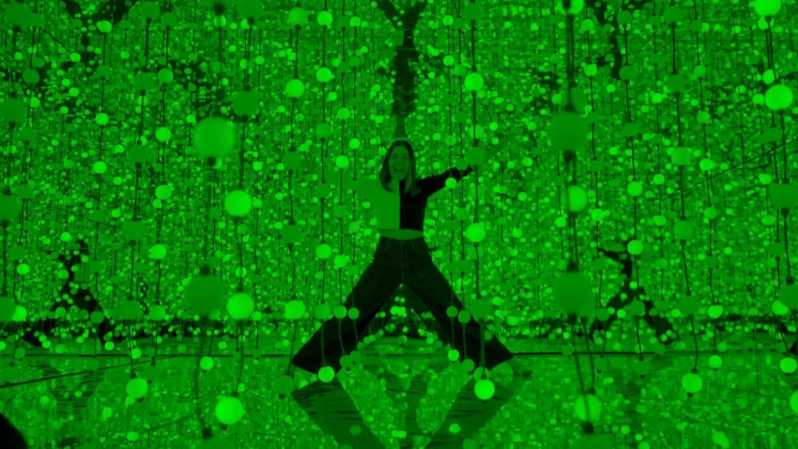
Interactive areas let you experiment with light instead of simply looking at it. You might change your position, move through a space, or watch how color and reflection alter the scene. The exact displays can change because the museum also hosts temporary exhibitions and special events.
That changing program is useful if you are spending several days in Madrid or return to the city later. You should not assume every visit will look exactly the same. The experience is built around current installations, so part of its appeal is seeing what is on display during your visit.
The mirror room and the art of the photograph
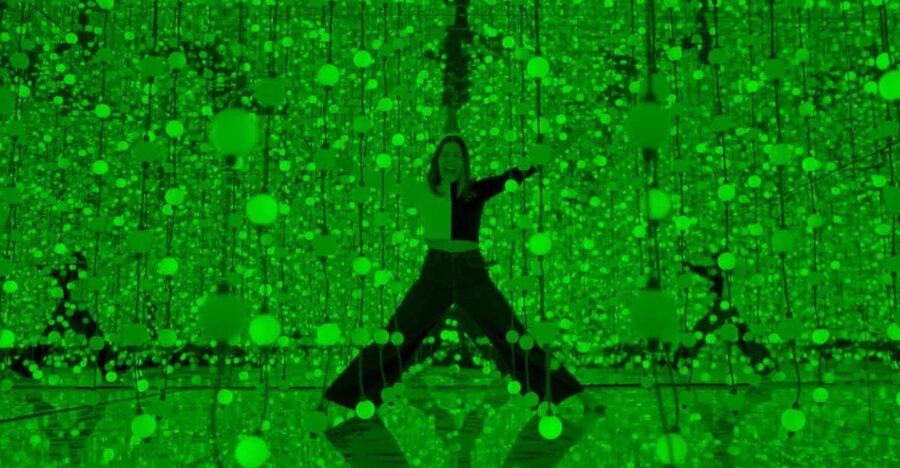
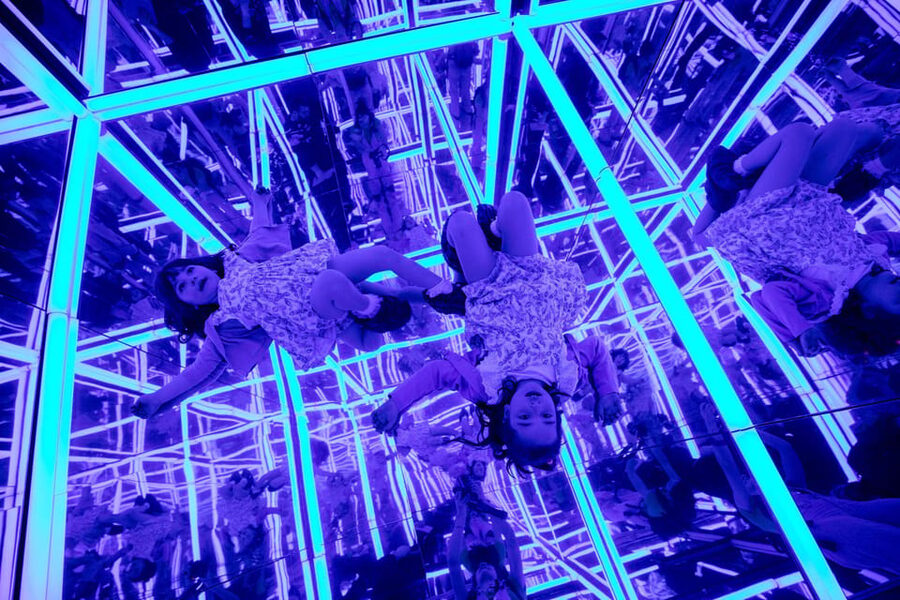
The colorful mirror room is one of the clearest reasons to bring your phone. Reflections multiply the light and create layered images that can look far more elaborate than the room itself.
This is not a place where you simply snap one picture and move on. Try different angles, group poses, and distances. The staff can suggest poses, and several people have found their help particularly valuable when trying to capture the right image.
If you are visiting alone, do not assume you will miss out on the photo side of the experience. Staff may help take pictures, and one solo visitor described the activity as enjoyable without a companion.
You should also expect some pictures to work better than others. Low light, bright color, and reflections can make framing tricky. Give yourself time to try again rather than treating the museum as a quick series of selfies.
The photo opportunities are a strength, but they also explain why the experience can feel shorter or longer depending on your habits. Someone who only looks at each display may finish quickly. Someone who wants polished, artistic photographs can spend much longer in the same room.
A completely different kind of day out in Madrid:
- Madrid: “Emociones” Live Flamenco Performance
★ 4.8 · 12,866 reviews - Madrid: Panoramic Route City Tour
★ 4.1 · 12,259 reviews - Madrid: Live Flamenco Show with Food and Drinks Options
★ 4.5 · 9,901 reviews - Avila & Segovia Tour with Tickets to Monuments from Madrid
★ 5.0 · 9,762 reviews
A realistic look at the 20-minute visit
The stated duration is 20 minutes, and you should use that as the safe planning figure. The museum is small enough that you can see the main spaces in a short visit.
At the same time, the practical experience can stretch beyond that. Some people have spent around an hour taking photographs, trying poses, and enjoying the displays at a relaxed pace. Others have left after about 20 minutes because they felt they had seen everything.
Neither approach is wrong. The museum does not offer the scale of Madrid’s major art institutions, and you should not compare it with a half-day visit to the Prado or Reina Sofía. This is a compact activity that fits neatly into a busy day.
For me, the key question is how you like to visit museums. If you prefer large collections, historic objects, and detailed interpretation, the Museo de la Luz may feel limited. If you enjoy interactive art and want something light between larger sights, the short format works well.
The ticket is also easier to justify when you treat the museum as an experience rather than a collection. You are paying for access to designed rooms, visual effects, and the chance to make photographs. At $17 per person, that is reasonable for a lively indoor activity, but less appealing if you plan to rush through it.
Why staff assistance improves the experience
A good interactive museum needs more than attractive lighting. Someone has to explain the spaces, help with practical questions, and make visitors feel comfortable experimenting.
That human touch appears to be one of the museum’s strongest points. The reception team gives a warm introduction, while staff around the exhibition can offer advice during the visit. Their help with photographs is especially useful for couples, families, and solo visitors.
You may also appreciate the relaxed tone. This is not a place where you worry about standing in the wrong spot or touching something you should not touch. The displays are meant to be experienced, and staff help you understand how to get the most from them.
The quality of assistance can affect the value of the ticket. If an employee helps you find a good pose or captures a picture that you could not take yourself, the visit feels more personal than a simple walk through illuminated rooms.
Visiting with children, friends, or by yourself
Families can expect a playful outing rather than a formal art lesson. The colors, reflections, and moving effects give children something immediate to watch and try. The museum is wheelchair accessible, which makes it a practical indoor option for a wider range of visitors.
Children must be accompanied by an adult at all times. That rule is straightforward, but it matters in interactive rooms where people may be moving around and taking photographs.
Couples and groups of friends may get the most social fun from the museum. Several displays work well for shared poses and silly pictures, and the short visit leaves plenty of time for another Madrid activity afterward.
Solo visitors can enjoy it too. You may need to ask staff for help with photographs, but that assistance is part of the museum’s service. If you enjoy taking creative pictures of yourself, the experience does not depend on arriving with a group.
Older adults are not left out. The museum’s appeal comes from visual play, not from speed or physical exertion. One particularly enthusiastic account described it as fun for all ages, including a 69-year-old visitor.
Timing, late arrival, and useful planning advice
Choose an entry time that fits your Madrid schedule, then treat it as a real appointment. The museum asks you to arrive five minutes before your scheduled time or exactly at that time.
Entry is not guaranteed if you arrive more than 20 minutes late. That policy is important if you are crossing Madrid by public transport or fitting the museum between meals and other sights. Build in a little extra time so a delayed metro, long lunch, or wrong turn does not cost you the ticket.
Because the visit is short, it works best as an add-on. You can place it before or after another activity rather than giving it an entire afternoon. The indoor setting also makes it useful when you want a break from walking or need a weather-proof plan.
Keep your phone charged. The museum’s visual effects and photo-friendly rooms are a major part of the experience, and you will enjoy it less if you spend the final minutes searching for a charger or deleting old pictures.
Is $17 good value?
At $17, the ticket sits in the range where expectations matter. You are not buying access to a huge building with hundreds of works. You are buying a compact, interactive light-art experience.
The price feels fair if you value three things: playful displays, personal photographs, and staff help. It also makes sense for families and friends who want an activity that creates shared memories without taking up half a day.
The value is weaker if you only want a quick look. A 20-minute visit can make the ticket seem expensive, especially if you do not take photographs or spend time testing the interactive spaces.
I would plan for more than the minimum. Move slowly, try several poses, look at how the light changes from different positions, and ask staff for help. That approach gives you a better chance of making the ticket worthwhile.
Free cancellation up to 24 hours before the visit adds useful flexibility, and the reserve-now, pay-later option can help if your Madrid schedule is still changing. Those policies do not improve the exhibits, but they reduce the risk of booking too early.
Who should book the Museo de la Luz?
I would recommend it most strongly to:
- Families wanting a simple indoor activity
- Couples and friends who enjoy taking creative photos
- Solo visitors who are comfortable asking staff for picture help
- Art lovers curious about light-based installations
- People looking for a short break between larger Madrid sights
- Visitors who enjoy playful, modern experiences more than traditional galleries
I would be more cautious if you are seeking a large museum, a long guided explanation, or a major collection of historic artworks. The Museo de la Luz is small by design, and its value comes from participation rather than volume.
My final booking advice
Book the Museo de la Luz if you want a short, cheerful Madrid activity with lasers, colored rooms, projections, and plenty of photo chances. The friendly staff and accessible design make it easy to enjoy, and you do not need specialist art knowledge.
Think twice if $17 feels high for a 20-minute attraction or if you prefer museums that take several hours to explore. To get the best value, arrive on time, bring a charged phone, ask staff for photo advice, and give yourself enough room to experiment instead of rushing from display to display.
FAQ
How much does entry to the Museo de la Luz cost?
The entry ticket costs $17 per person.
How long does the Museo de la Luz visit last?
The stated duration is 20 minutes. Some people spend longer inside, particularly when taking photographs and trying the interactive exhibits.
What is included with the ticket?
The ticket includes entry to the Museo de la Luz and access to the interactive exhibits.
Is the Museo de la Luz wheelchair accessible?
Yes, the museum is wheelchair accessible.
Can children visit the museum?
Yes. Children can visit, but they must be accompanied by an adult at all times.
What happens if I arrive late?
You should arrive five minutes before your scheduled entry time or exactly at that time. Entry may not be guaranteed if you arrive more than 20 minutes after your scheduled time.
Can I cancel the booking?
Yes. You can cancel up to 24 hours in advance for a full refund.
Do I have to pay when I reserve?
No. A reserve-now, pay-later option is available, allowing you to book without paying immediately.
Does the museum have temporary exhibitions or special events?
Yes. The museum hosts temporary exhibitions and special events focused on new developments and approaches in light-based art.
Recently added around Madrid
- Madrid: Thyssen Museum Guided Tour with Skip-the-Line Entry★ 4.5 · 165 reviews
- Axe Throwing 1 hour session★ 5.0 · 166 reviews
- Madrid Food Walking Tour with Tapas and Vermouth★ 5.0 · 167 reviews
- Toledo Full-Day Walking Tour with Guide from Madrid★ 4.5 · 170 reviews
- Madrid: Top Pub Crawl Madrid & Party★ 5.0 · 173 reviews
- Madrid Gourmet Tapas Small Group Tour★ 5.0 · 175 reviews
- Street Art Guided Tour in Madrid★ 5.0 · 175 reviews
- Iberian Ham and Wine Small Group Tour in Madrid★ 5.0 · 176 reviews
Madrid Tours, compared.



Live Flamenco Show with Food and Drinks Options
Read our review →
Avila & Segovia Tour with Tickets to Monuments from Madrid
Read our review →
Three Cities in One Day: Segovia, Avila and Toledo from Madrid
Read our review →Browse the lists this tour appears in