
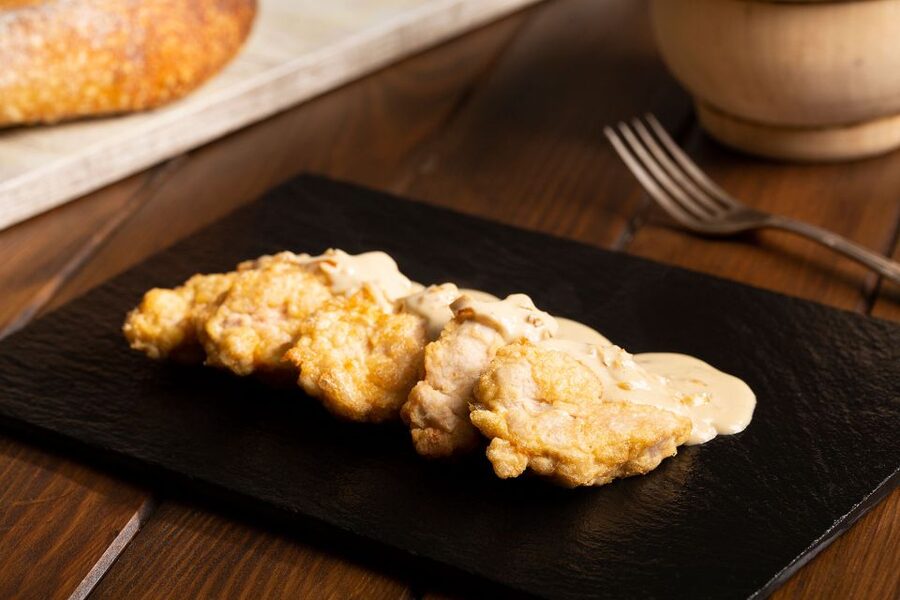
Review · TAPAS TOURS
Madrid: 10 Tapas 2.5-Hour Cooking Class
Come hungry, leave with Spanish recipes. This 2.5-hour class turns Madrid’s food culture into a shared meal, with hands-on work, regional context, and 10 tapas made in small groups. I like the warm, social format and the chance to learn dishes such as Basque gilda skewers and Catalan pan tumaca. The main consideration is that you will not personally cook every dish from start to finish.
I also like the practical souvenirs: you take home the recipes and an apron, not just a few photos. Chefs such as Gustavo, Homer, Omero, and Diego have earned praise for clear instruction and good humor. Since the menu is set and the class is conducted in English, you should check that its group format suits you, especially if you have strict dietary needs.
In This Review
- Key points at a glance
- Why this class works well in Madrid
- The first tasks: regional flavors in small portions
- Working in teams of three or four
- The chef makes the difference
- Sitting down to eat what you prepared
- What you take home
- Vegetarian and dietary considerations
- Is $80 a fair price?
- Who should book this Madrid cooking class?
- Final verdict: book it for food, company, and practical skills
- FAQ
- How long does the Madrid tapas cooking class last?
- How many tapas will I prepare?
- What tapas might be included?
- Will I cook every tapa myself?
- Is food included?
- Is sangría included?
- Is there a vegetarian option?
- Can children attend?
- What language is the class taught in?
- Where do I meet the group?
- What do I take home?
- Can I cancel the booking?
Key points at a glance
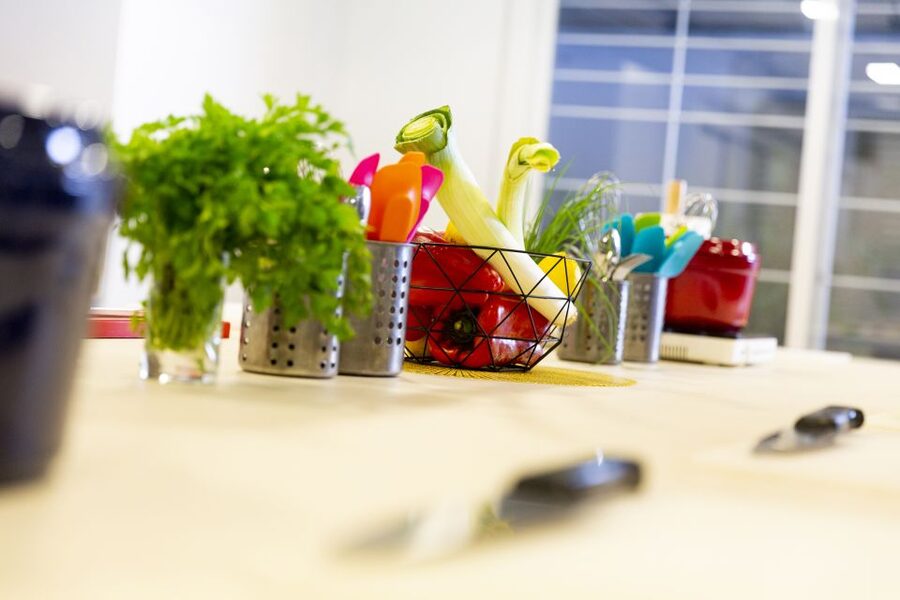
- Ten tapas from across Spain: Prepare small dishes linked to different Spanish regions, including gilda from the Basque Country and pan tumaca from Catalonia.
- A shared kitchen, not a private lesson: You work in teams of three or four, so the class feels social but your own cooking time is shared.
- A full meal at the end: The class finishes around a table with the dishes you prepared and Spanish sangría.
- Strong chef-led teaching: Gustavo is often praised for warmth, humor, and useful explanations, while other instructors have also received high marks.
- Good take-home value: The included apron and recipe booklet give you a practical way to repeat the dishes at home.
- Important age and food notes: Children under 14 are not allowed, and the fixed menu is partly vegetarian but cannot be changed.
Why this class works well in Madrid
Madrid is a fine place to learn tapas because the food is meant to be shared. Tapas are not one single recipe or cooking style. They can be simple bread with tomato, a skewer of peppers and anchovies, a tortilla, or another small plate tied to a particular part of Spain.
This class uses that variety as its basic lesson. Instead of teaching one large dish, it moves across the country through ten smaller preparations. That gives you a useful introduction to Spanish ingredients and customs in a short time.
I like this approach for a first visit to Spain. You get a meal, a cooking lesson, and a bit of food culture without giving up an entire day. The 2.5-hour length also fits neatly into an afternoon or evening in Madrid.
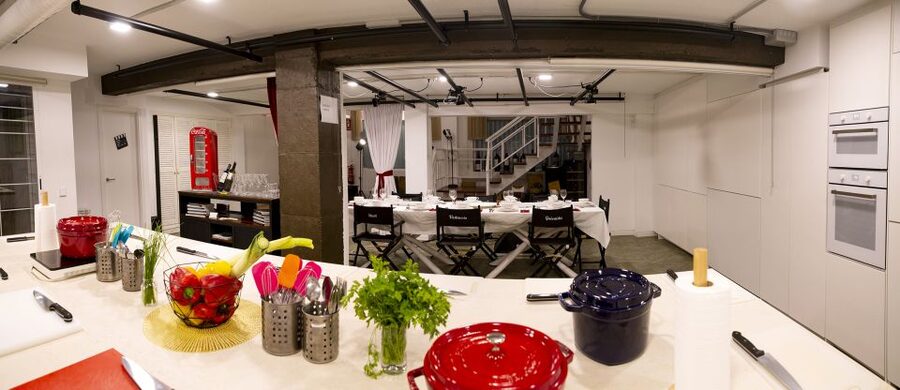
The class takes place in a fully equipped kitchen at A Punto Cooking School. You meet outside the shop at Calle de la Farmacia, 6, at street level. The directions are specific for a reason: you should wait outside the shop rather than walk inside the building looking for the classroom.
Transportation is not included, so you need to reach the meeting point on your own. The activity is conducted in English, making it an easy choice for English-speaking visitors who want more than a restaurant meal.
More Cooking Classes in Madrid
- Spanish Cooking Class Paella Tapas and Sangria in Madrid
★ 5.0 · 1,340 reviews - Paella Cooking Class in Madrid with Bottomless Wine Pairing
★ 5.0 · 985 reviews - Madrid Tapas & Paella Cooking Experience with Local Market Visit
★ 5.0 · 432 reviews
The first tasks: regional flavors in small portions
The class begins with instruction from a professional chef and an introduction to the dishes you will prepare. The available information does not promise a fixed minute-by-minute schedule, but the format is built around preparing several tapas at once, with different members of the group assigned different jobs.
That arrangement helps the class get through a long menu in a short time. It also means you should not expect ten separate cooking demonstrations where everyone makes every dish individually.
One example is the gilda, a Basque Country skewer made with pepper and anchovy. It is a small bite, but it shows how a few strong ingredients can create a classic tapa. You learn not only what goes on the skewer, but also how regional foods can reflect local tastes.
Another example is pan tumaca, associated with Catalonia. This is bread prepared with tomato, a simple dish that rewards attention to ingredients and technique rather than complicated equipment.
The class may also include Spanish tortilla, which one participant singled out as a highlight. Learning to make tortilla gives you a useful home-cooking skill, since the dish is both familiar and easy to get wrong if the texture or timing is off.
The chef explains traditional methods and local ingredients as you work. That cultural background gives the food more meaning than a bare recipe card. You are not only chopping and assembling. You are learning why these dishes belong to particular places and how they fit into Spanish eating habits.
Working in teams of three or four
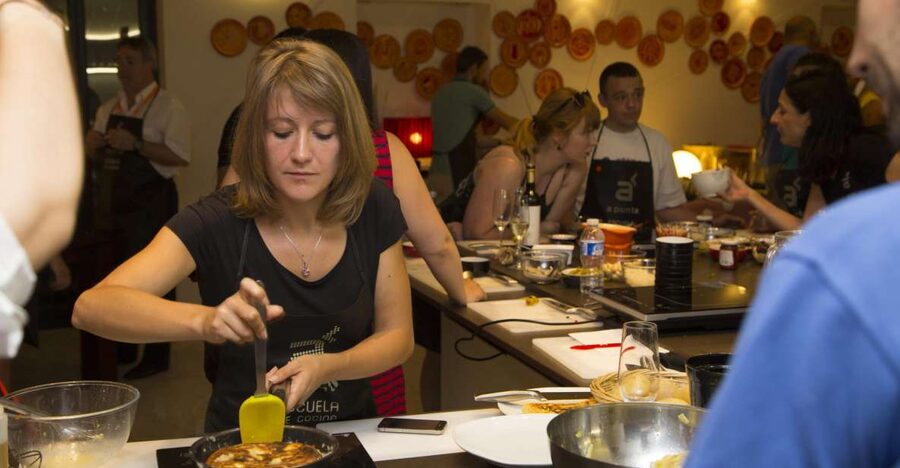
The biggest practical detail is the group setup. You prepare the tapas in small teams of three or four rather than making all ten dishes by yourself.
This has two clear benefits. First, it keeps the class lively. You can talk with people from different countries while sharing tasks, and several people specifically praised the easy social atmosphere. Second, it lets the chef move the class along without turning the session into a long, slow workshop.
There is a tradeoff. If you are focused on mastering every recipe, you may feel that you did not personally handle enough of the cooking. One participant found it difficult to follow the details of other dishes while working on an assigned task. Another felt that a larger group spread attention too thinly.
That is useful information when deciding what kind of class you want. This is a social tapas workshop, not a private chef lesson. You will likely perform some hands-on tasks, observe others, and then share the finished dishes.
Group size can vary. Past sessions have included around 12 to 16 people, while other descriptions refer to a small-group setting. The smaller the session, the easier it should be to ask questions and watch the chef. If close instruction matters most to you, arrive ready to stay engaged and ask for clarification when another team is working.
The cooking school setting helps here. You are not balancing a cutting board on a restaurant table or watching from across a large demonstration room. The kitchen is fully equipped for the class, with the tools needed for the work.
The chef makes the difference
A cooking class can succeed or fail on the instructor. Here, the teaching style has been one of the most praised parts of the experience.
Gustavo is often described as warm, funny, attentive, and clear. He has helped people feel comfortable quickly, answered questions, and added cultural details alongside cooking advice. Other highly rated sessions were led by Homer, Omero, Diego, Eosa, and Anette.
You should not assume that one particular chef will lead your date, but the pattern is encouraging. The instructors are presented as active hosts, not people who simply read instructions and watch the clock.
Several useful qualities come through in the class format. A good chef divides tasks so everyone has a role, explains what is happening, and keeps the pace moving while food is being prepared at different stations.
The best moments are likely to come from those small explanations. A chef can show you how a traditional family method affects a dish, explain where an ingredient comes from, or point out a common mistake. That kind of information is hard to pick up from a cookbook alone.
The class also seems to make room for humor and conversation. That matters if you are traveling alone or want an evening activity that naturally brings people together. Some past participants ended up exchanging contact details after the class, which tells you that the atmosphere can become quite friendly.
Still, one instructor may not be able to watch every person at every moment. If you want detailed correction of your knife work or individual technique, this may feel less focused than a private lesson.
More Tapas Tours in Madrid
- Madrid: Small Group of Prado Museum Tour & Optional Tapas
★ 4.6 · 2,437 reviews - Madrid: Tapas & Wine Tasting Tour with Local Guide
★ 4.8 · 2,171 reviews - Madrid Tapas & Wine Tour with Rooftop Views and Local Guide
★ 5.0 · 2,047 reviews - Madrid by Night Small Group Tour: Stories, Sights and Tapas Bites
★ 5.0 · 1,956 reviews
Sitting down to eat what you prepared
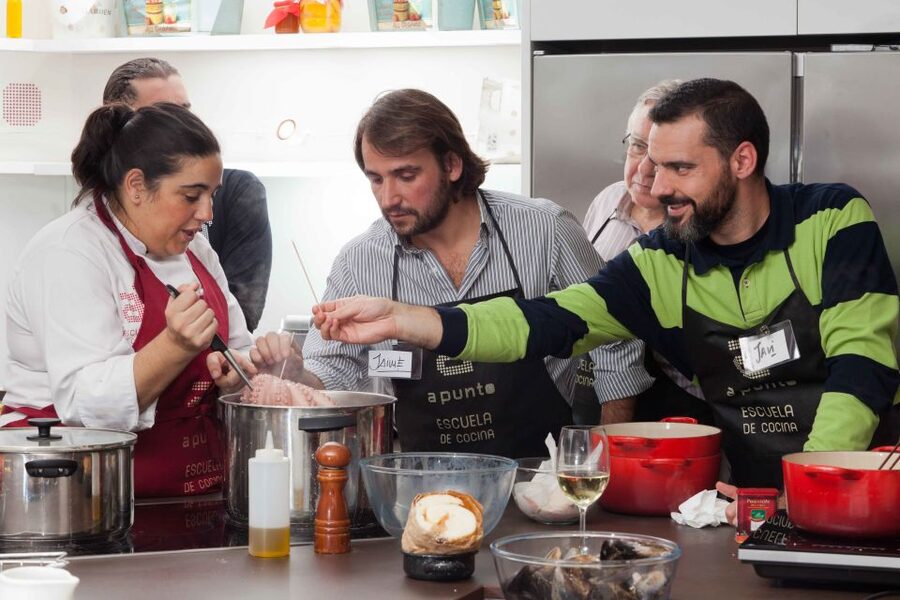
The payoff comes at the end, when the group sits down and eats the tapas together. The meal is included, as is Spanish sangría.
This is more satisfying than receiving a small sample at the end of a demonstration. The class is built around creating enough food for a shared dinner, and several participants found that there was plenty to eat. You should plan accordingly and avoid scheduling a heavy restaurant meal immediately afterward.
The shared table also completes the social side of the activity. You have worked beside the other participants, and now you can compare the dishes, talk about the class, and enjoy the results without rushing straight out the door.
Sangría is included, but wine is not. If you prefer wine with your tapas, budget separately for it. One past participant suggested buying a bottle, but that is an optional extra rather than part of the stated package.
The meal is also useful as a test of the recipes. You can taste how the dishes work together and decide which ones you want to repeat at home. Because tapas are small, you get variety rather than one large plate prepared by someone else.
What you take home
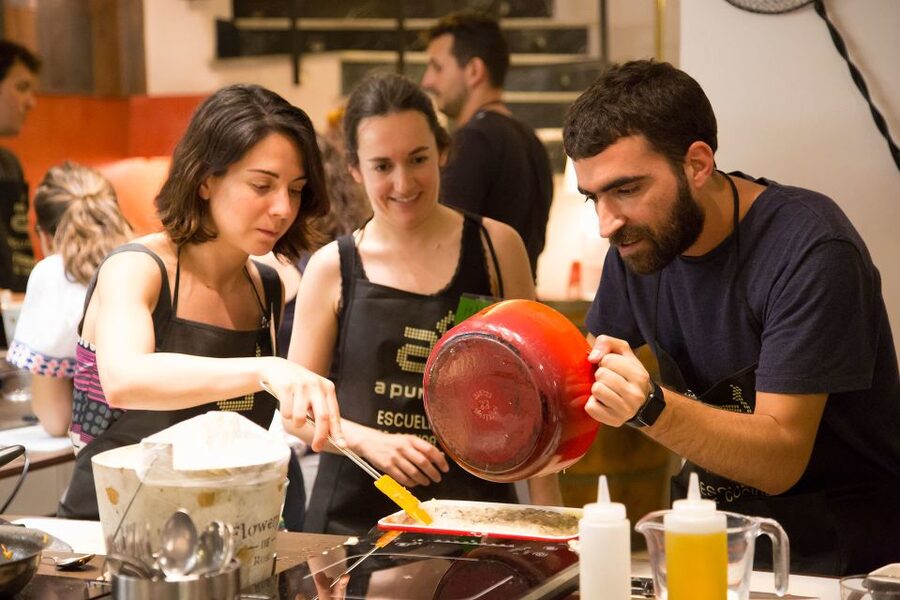
The included apron is a simple but useful souvenir. It marks the activity as more than a meal and gives you something practical to use in your own kitchen.
You also receive a copy of the recipes created during the class. That is a strong part of the value because the recipes connect directly to the techniques you have just practiced.
Several participants looked forward to making the dishes for family and friends at home. That is exactly the right test for a cooking class. If you can remember the process and use the recipe later, the experience keeps paying off after your Madrid trip.
The recipes may be especially helpful for simple Spanish meals. Pan tumaca and gilda do not require the elaborate setup of a restaurant kitchen, and a dish such as tortilla can become a useful addition to a home menu. The class is not only about collecting food memories. It gives you a small set of dishes you can realistically attempt again.
Vegetarian and dietary considerations
Half of the menu is vegetarian, so vegetarians have a reasonable basis for enjoying the meal. The fixed menu cannot be changed, however, and the plates are not individually swapped to meet every preference.
You should raise allergies or dietary restrictions before booking and confirm that the set menu works for you. One participant with food allergies had a positive experience, but that does not mean every restriction can be accommodated.
The supplied information specifically notes that the plates cannot be changed. That is the key point. This is not a flexible tasting where you can select each tapa from a list.
The class is also limited to people aged 14 and older. Baby strollers and baby carriages are not allowed, and smoking and audio recording are prohibited. These rules make the kitchen easier to manage, but families with younger children will need another Madrid activity.
Is $80 a fair price?
At $80 per person, this is not the cheapest way to eat tapas in Madrid. You could order several small plates in a bar for less, especially if you are eating quickly and skipping the lesson.
The value improves if you count the full package: 2.5 hours of instruction, a meal, sangría, recipes, an apron, and the chance to work in a professional kitchen. You are also paying for a chef to organize ten dishes, prepare ingredients, explain the food, and keep several teams moving at once.
I think the price makes sense for people who want an activity rather than just dinner. You get social time, useful cooking practice, and a meal that you helped create. It is also a good rainy-day or early-evening option when you want a break from museums and monuments.
The value is weaker if you mainly want to cook every dish yourself. Since the menu is shared across teams, you may leave with a broad introduction rather than deep practice in each recipe.
Free cancellation up to 24 hours before the class and a reserve-now, pay-later option add some planning flexibility. Starting times vary, so check the available session when choosing your date.
Who should book this Madrid cooking class?
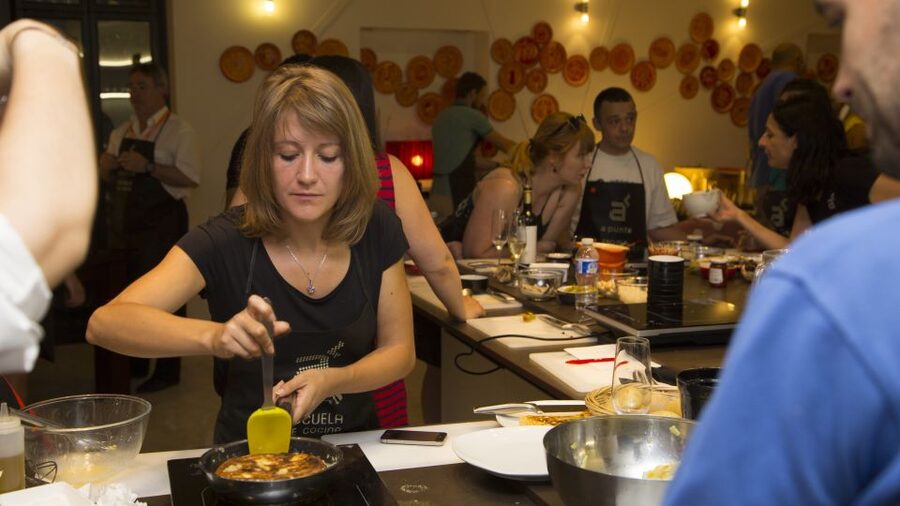
I would recommend it to couples, solo visitors, friends, and older families with children aged 14 or more. It is particularly suited to people who enjoy meeting others and want a relaxed activity with a clear food focus.
It also fits first-time visitors who want an introduction to the regions of Spain. The class gives you cultural context without turning into a formal lecture, and the recipes make the lesson useful after you return home.
You should think twice if you need a fully customized menu, dislike group activities, or want constant individual attention. The class depends on cooperation, and your cooking role will be shared with others.
It is also not ideal if you want to pair the meal with wine included in the price. Sangría is provided, but wine costs extra.
Final verdict: book it for food, company, and practical skills
Book this class if you want to eat a proper meal, learn a range of Spanish tapas, and spend an evening talking with people from around the world. The strongest features are the friendly chef-led teaching, the wide regional menu, the included sangría, and the recipes and apron you take home.
Go in with the right expectation: you are joining a cooperative workshop, not receiving ten private cooking lessons. If that sounds enjoyable, $80 is a reasonable price for a meal and a memorable Madrid activity. If your priority is detailed individual training, choose a smaller or private class instead.
FAQ
How long does the Madrid tapas cooking class last?
The class lasts 2.5 hours.
How many tapas will I prepare?
The class covers 10 different tapas connected with regions of Spain.
What tapas might be included?
Examples include gilda, pepper and anchovy skewers from the Basque Country, and pan tumaca, a Catalan tomato bread dish. Spanish tortilla has also been part of the cooking experience.
Will I cook every tapa myself?
No. You prepare the food in small groups of three or four, so you will not personally make every tapa from start to finish.
Is food included?
Yes. You eat a meal made from the tapas prepared during the class.
Is sangría included?
Yes, Spanish sangría is included. Wine is not included.
Is there a vegetarian option?
Yes. Half of the menu is vegetarian. The menu is fixed, and the plates cannot be changed.
Can children attend?
No. Children under 14 are not allowed.
What language is the class taught in?
The class is conducted in English.
Where do I meet the group?
Meet outside the A Punto shop at Calle de la Farmacia, 6. Wait at street level outside the shop, not inside the building.
What do I take home?
You receive a souvenir apron and a copy of the recipes prepared during the class.
Can I cancel the booking?
You can cancel up to 24 hours in advance for a full refund. A reserve-now, pay-later option is also available.
More Cooking Classes
- Taste of Spain: Tapas Cooking Class with Bottomless Wine Pairing
★ 5.0 · 414 reviews - Madrid: Half-Day Spanish Cooking Class
★ 5.0 · 345 reviews - Tapas & Paella Cooking Class in Madrid with a Professional Chef
★ 5.0 · 177 reviews - Barcelona: Paella Cooking Experience & Boqueria Market Tour
★ 4.8 · 3,661 reviews
More Tapas Tours
- Madrid: Highlights Guided Vintage Bike Tour and Tapas Option
★ 4.9 · 962 reviews - Madrid: Royal Palace Expert Guided Tour with Optional Tapas
★ 4.5 · 887 reviews - Madrid Historic Centre Food Tour with Authentic Tapas & Wines
★ 5.0 · 814 reviews - Madrid: Guided Tapas Tour with Tastings and Drinks
★ 4.9 · 697 reviews
Recently added around Madrid
- Madrid: Thyssen Museum Guided Tour with Skip-the-Line Entry★ 4.5 · 165 reviews
- Axe Throwing 1 hour session★ 5.0 · 166 reviews
- Madrid Food Walking Tour with Tapas and Vermouth★ 5.0 · 167 reviews
- Toledo Full-Day Walking Tour with Guide from Madrid★ 4.5 · 170 reviews
- Madrid: Top Pub Crawl Madrid & Party★ 5.0 · 173 reviews
- Madrid Gourmet Tapas Small Group Tour★ 5.0 · 175 reviews
- Street Art Guided Tour in Madrid★ 5.0 · 175 reviews
- Iberian Ham and Wine Small Group Tour in Madrid★ 5.0 · 176 reviews
Tapas Tours, compared.
Montserrat Half-Day Tour with Tapas and Gourmet Wines
Read our review →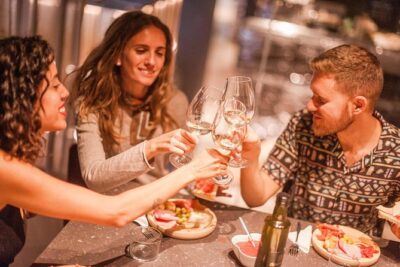
Montserrat & Cogwheel Train, Gourmet Wine Tasting & Tapas/Lunch
Read our review →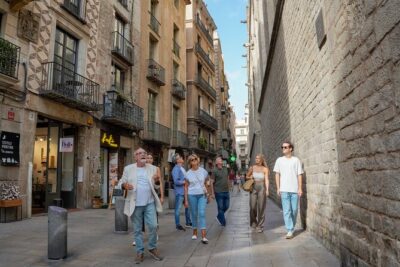
Barcelona Tapas and Wine Experience Small-Group Walking Tour
Read our review →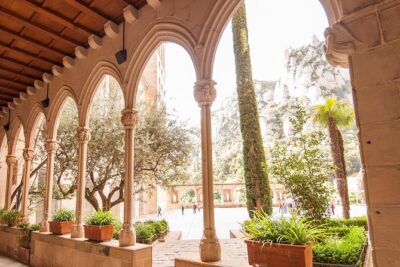
Montserrat with Black Madonna & Medieval Winery with Tapas/Lunch
Read our review →
Montserrat and Winery Tour with Tapas or Lunch
Read our review →
Tapas Walking Tour with Food, Wine, and History
Read our review →
Sevilla Food Tour: Tapas, Wine, History & Traditions
Read our review →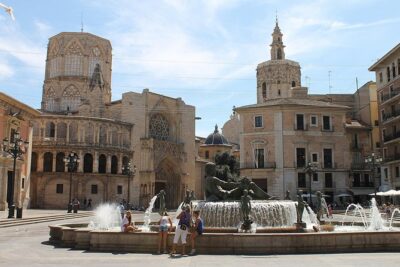
Valencia Old Town Tour with Wine & Tapas in 11th Century Historic Monument
Read our review →Browse the lists this tour appears in