
Review · MADRID TOURS
From Madrid: Escorial Monastery and the Valley of the Fallen
Spain’s grandest history lesson sits outside Madrid. This half-day trip pairs El Escorial’s royal monastery with the striking Basilica of the Valley of the Fallen, giving you a clear route through Felipe II’s Spain, the Golden Age, the Civil War, and modern democracy. I like the strong historical focus and the ease of visiting two difficult-to-reach sites without renting a car. The main drawback is pace: five hours is efficient, but you get limited free time, especially at the Valley of the Fallen.
I also like that the tour uses skip-the-line entry, an air-conditioned bus, headsets, and a live guide in English or Spanish. Guides such as Cristina, Beatriz, Sergio, Rafael, and Oscar have been praised for making dense material understandable and engaging. Still, expect plenty of walking and steps, and think twice if you have a mobility impairment.
In This Review
- Key points before you book
- Why El Escorial makes a strong first stop
- The rooms and artworks inside San Lorenzo
- What makes El Escorial different from a royal palace
- The short ride to the Valley of the Fallen
- Why the Valley of the Fallen deserves time and care
- How the five-hour schedule works
- Is $73 good value?
- Walking, weather, and who should book
- The guides are a major part of the experience
- Should you book this Madrid day trip?
- FAQ
- Where does the tour meet in Madrid?
- How long does the experience last?
- What languages are available?
- Is transportation included?
- Are entrance tickets included?
- Is food included?
- Is the tour suitable for wheelchair users?
Key points before you book
- Two major monuments in about five hours: You visit El Escorial and the Valley of the Fallen in one morning, with transportation handled for you.
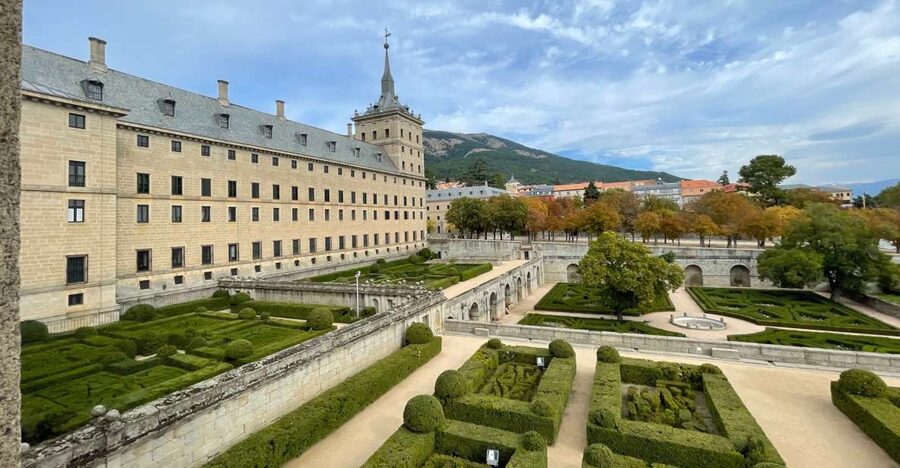
- El Escorial is more than a palace: The monastery combines royal apartments, a basilica, burial vaults, artwork, gardens, a cloister, and a famous library.
- The Valley of the Fallen is powerful and controversial: Its basilica is carved into granite and serves as the burial place of 33,847 people who died in the Spanish Civil War.
- Guides make the difference: The tour is built around explanation, not just transport. Cristina, Beatriz, Sergio, Rafael, and Oscar are among the guides praised for clear, lively talks.
- The $73 price is fair for a car-free visit: Tickets, round-trip transport, a guide, headsets, and Wi-Fi are included.
- Bring sensible shoes: Both sites involve walking and steps, and the tour is not suitable for wheelchair users or people with mobility impairments.
Why El Escorial makes a strong first stop
The tour leaves from Fun and Tickets outside the Commercial Gallery at San Bernardo Street 7 in central Madrid. From there, you ride north for roughly 45 to 50 minutes toward San Lorenzo de El Escorial.
That short ride matters. El Escorial is close enough for a half-day trip, but reaching both monuments by public transport would be awkward compared with simply boarding a coach. The bus is air-conditioned, has Wi-Fi, and gives you a chance to hear the guide set the scene before arriving.
The first practical stop is for the bathroom. This happens before the monastery visit, which is sensible because the guided portion lasts about 105 minutes. After that, you begin exploring the Monastery of San Lorenzo de El Escorial.
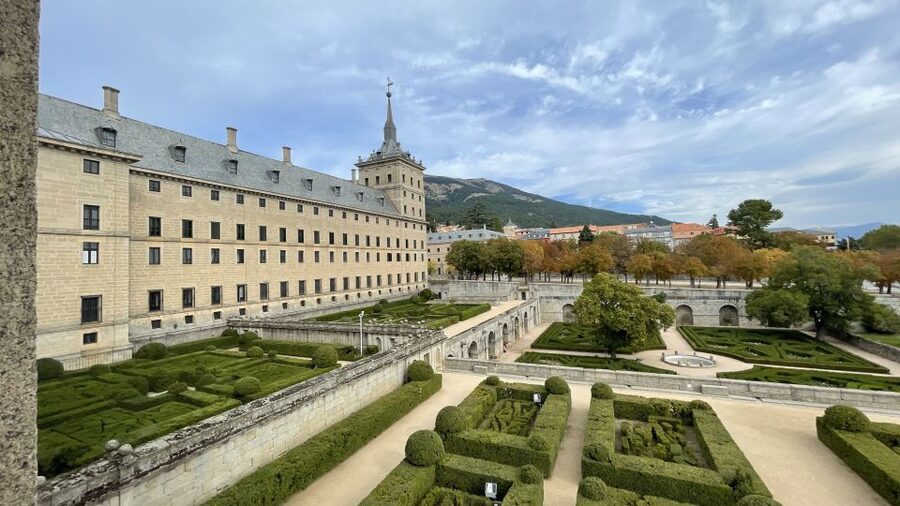
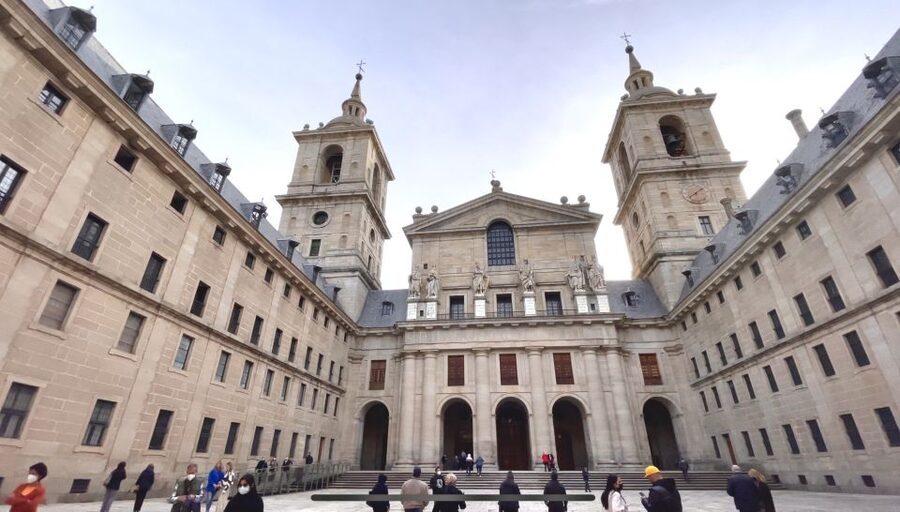
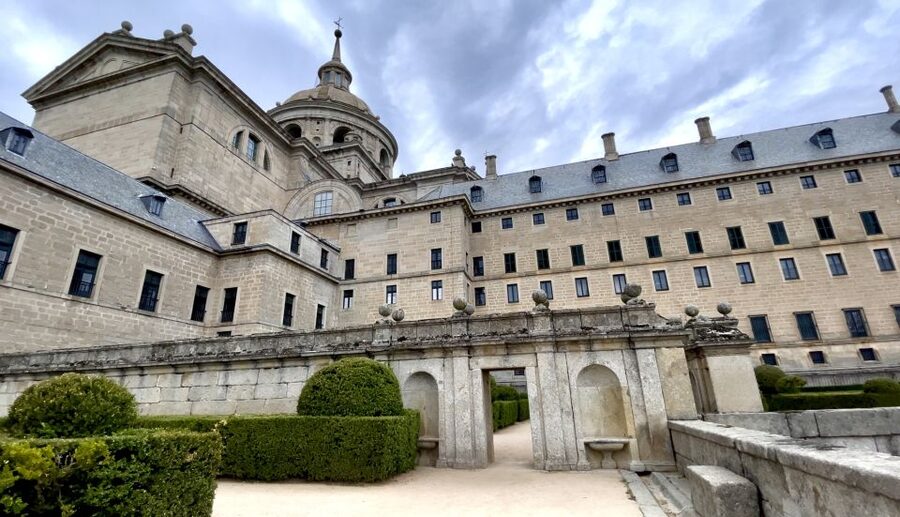
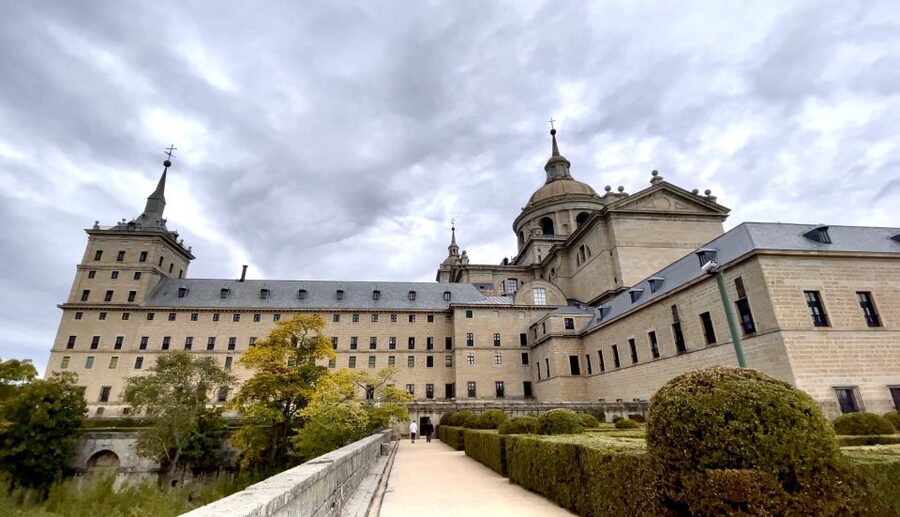
Felipe II ordered the complex as a royal residence, monastery, burial place, and statement of Spanish power. You do not need to arrive with a head full of dates to appreciate it. The guide links the rooms and artwork to the wider ambitions of Spain’s Golden Age, making the huge building easier to read.
This is the part of the tour where a good guide earns the ticket price. El Escorial can feel overwhelming if you walk through it alone, moving from one grand room to another without knowing why each space matters. The live commentary gives you a thread to follow, from royal devotion and monarchy to art, architecture, and Spain’s changing place in Europe.
A few more Spain trips worth a look
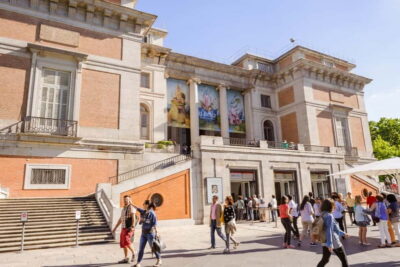
- Madrid: Tour Bernabéu Entry Ticket
★ 4.5 · 21,573 reviews - Madrid: Prado Museum Entry Ticket
★ 4.6 · 17,509 reviews - Madrid: Royal Palace Fast-Access Admission Ticket
★ 4.6 · 13,856 reviews
The rooms and artworks inside San Lorenzo
The route includes several of the monastery’s major areas. You see the Patio de Reyes, the main courtyard leading toward the basilica, and the cloister, where the scale of the complex becomes clear.
The Chapter Rooms add another layer. These spaces help show how the monastery functioned as a working religious institution rather than just a royal showpiece. The tour also includes the Royal Rooms, where the connection between the crown and the monastery becomes especially clear.
The Pantheon of Kings and Pantheon of Infants are among the most memorable stops. These burial places give El Escorial a solemn quality. The building is not simply a grand residence filled with paintings. It is also a monument to dynastic continuity and royal memory.
The basilica is included except on Sundays, when access may differ. That exception is important enough to check before booking if the church interior is a top priority for you.
Art lovers get plenty to see, especially paintings within the monastery. One guide, Cristina, is praised for discussing the site in both English and Spanish, while another visitor would have liked more detail about individual paintings. That is a useful expectation to set: this is primarily a history and architecture tour with art along the way, not a specialist art-history visit.
El Escorial is huge, so the 105-minute visit gives you a well-chosen introduction rather than unlimited exploration. You should have some time for photographs and a little independent looking, but do not expect to cover every room at leisure.
What makes El Escorial different from a royal palace
Many royal residences are designed to impress from the outside and entertain inside. El Escorial has a more serious purpose. Its religious spaces, tombs, royal rooms, artwork, and library all sit within one large plan.
That mix is what makes it so interesting. You can move from grand architecture to quiet devotional spaces, then into rooms tied to Spain’s monarchy. One description from the tour captures the feeling well: it can seem less like a typical royal residence and more like a spiritual retreat.
The setting also adds to the experience. San Lorenzo de El Escorial lies near the Sierra de Guadarrama, and the views around the complex give the visit a welcome change from Madrid’s city streets. The mountain setting is especially appealing on a clear day, although weather can affect the experience. Rain did not prevent people from enjoying the tour, but poor weather can reduce the pleasure of walking between the coach and the buildings.
The guide usually allows time for photographs and a short stop connected with the visit. There is no meal included, and this is not a food-focused outing. Eat before leaving Madrid or carry a small snack if you need one, but remember that the day is organized around monuments rather than a long break.
The short ride to the Valley of the Fallen
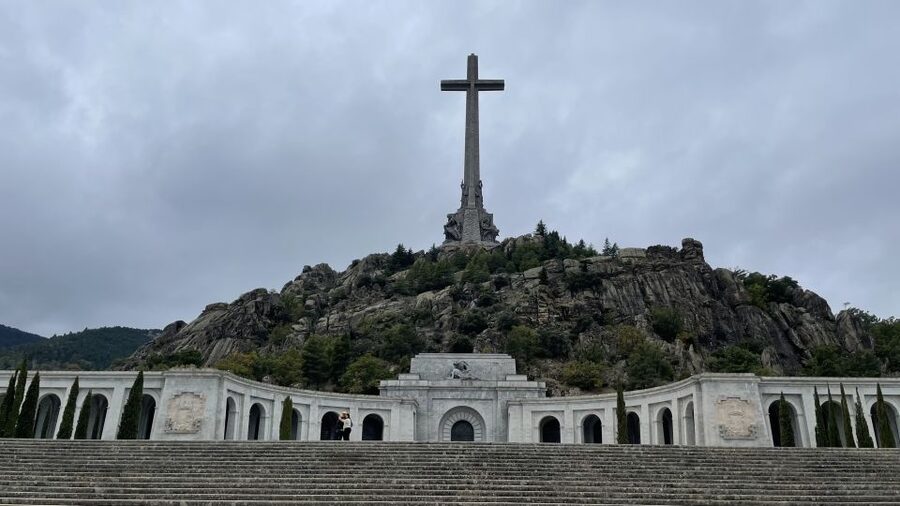
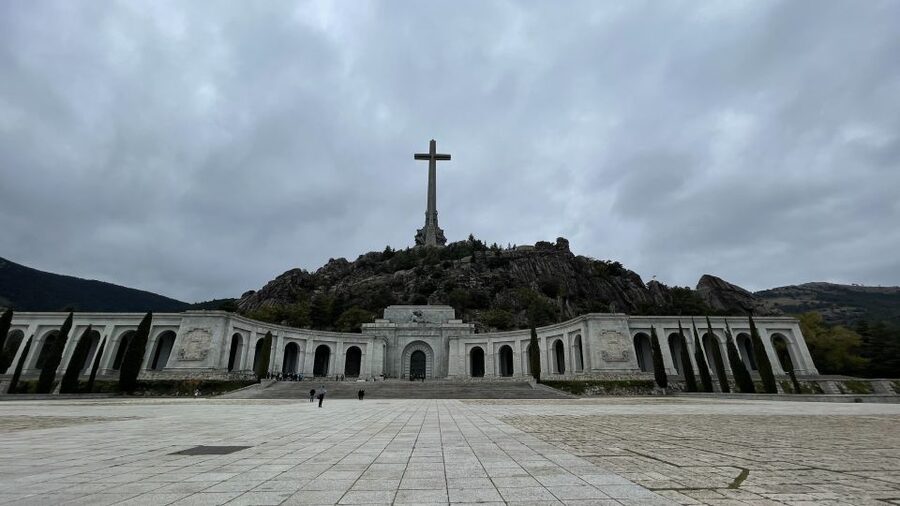
After El Escorial, the bus travels for about 15 minutes to the Valley of the Fallen, officially known in Spanish as Valle de los Caídos. The site is in the Peña de Cuelga Muros and is dominated by a giant granite cross visible from several kilometers away.
The change in mood is noticeable. El Escorial takes you into the world of monarchy, religion, and Spain’s Golden Age. The Valley of the Fallen brings you to the Spanish Civil War and the political history of the twentieth century.
The basilica is carved into the rock, which gives it a scale and atmosphere unlike the monastery. You approach a monumental structure cut into the mountainside, then enter a church built inside the granite. The physical design is striking even before you consider the history attached to it.
The basilica is also a burial place for 33,847 people who died in the Spanish Civil War. That fact makes this more than an architectural stop. It is a site connected to grief, political memory, and a continuing national debate.
A responsible guide is especially important here. The best tours explain the background without turning the visit into a political argument. Guides such as Cristina and Pilar have been praised for presenting difficult material clearly and respectfully, including when conversations become politically charged.
A completely different kind of day out in Madrid:
- Madrid: “Emociones” Live Flamenco Performance
★ 4.8 · 12,866 reviews - Madrid: Panoramic Route City Tour
★ 4.1 · 12,259 reviews - Madrid: Live Flamenco Show with Food and Drinks Options
★ 4.5 · 9,901 reviews - Avila & Segovia Tour with Tickets to Monuments from Madrid
★ 5.0 · 9,762 reviews
Why the Valley of the Fallen deserves time and care
The Valley of the Fallen can be uncomfortable, and that is part of its value. It asks you to look directly at how history is represented in stone, architecture, burial, and national memory.
You will spend about an hour here with the guide. That is enough to understand the main story and see the basilica, but it may feel short if you want to examine the surroundings, take photographs, or reflect quietly. One of the clearest practical complaints about the tour is that the second monument could use more personal exploration time.
Keep an eye on the clock. The group must return to the bus together, and the return journey to Madrid takes about 45 minutes. If you stop for photographs, do so early enough to avoid hurrying back.
Access to the basilica can also be affected by events. On one occasion, a wedding was in progress and the guide still managed to arrange entry. That suggests the guide may be able to handle interruptions, but you should not assume every special circumstance will be resolved in the same way.
The site is visually memorable because of the granite cross and the church cut into the rock. Yet the important point is not simply that it looks dramatic. The visit gives you a chance to think about the Spanish Civil War and how a monument can carry different meanings for different people.
How the five-hour schedule works
The published schedule is roughly:
- 45 minutes by coach from Madrid to San Lorenzo de El Escorial
- 105-minute guided visit to the monastery
- 15-minute coach ride to the Valley of the Fallen
- One-hour guided visit to the basilica and surrounding site
- 45-minute return to Madrid
The total is marketed as five hours, allowing for boarding, bathroom time, walking, and normal traffic. It is a tightly planned morning, but the pace is generally comfortable rather than frantic.
I like this format for a first visit because it removes the need to plan two separate connections. You see the essential rooms at El Escorial, then move directly to the Valley of the Fallen. The tradeoff is obvious: you cannot linger wherever you want.
The tour works best if you prefer a clear route and strong commentary. If you want long periods of silence, detailed painting study, or time to wander every garden and corridor, you may find the schedule restrictive.
Headsets are included, which helps when the guide is speaking to a group inside large rooms. The tour runs in English or Spanish, and an audio guide is included in those languages. Visitors have praised guides for switching between the two languages clearly, although any bilingual tour naturally takes longer than a single-language talk.
Is $73 good value?
At $73 per person, this is a reasonable price for what is included. You receive round-trip transportation, air conditioning, Wi-Fi on the bus, a live guide, headsets, and skip-the-line entry tickets for both sites.
The value is strongest if you do not have a car. The Valley of the Fallen and El Escorial are close enough to combine, but organizing both visits independently would require more planning. You would also lose the historical explanation that ties Felipe II, the Spanish Golden Age, the monarchy, and the Civil War into one day.
Skip-the-line access is useful at a major heritage site. It does not create extra hours inside the buildings, but it reduces uncertainty and keeps the itinerary moving.
Food and drinks are not included. That is not a serious problem for a five-hour morning, but you should plan around it. The first bathroom stop is useful, and you may have a brief chance to buy something, but do not book this expecting a leisurely café break.
The strong value also depends on your interests. History, architecture, religion, royal Spain, and Civil War memory are the main themes. If you mainly want shopping, food, or countryside views, another Madrid day trip may suit you better.
Walking, weather, and who should book
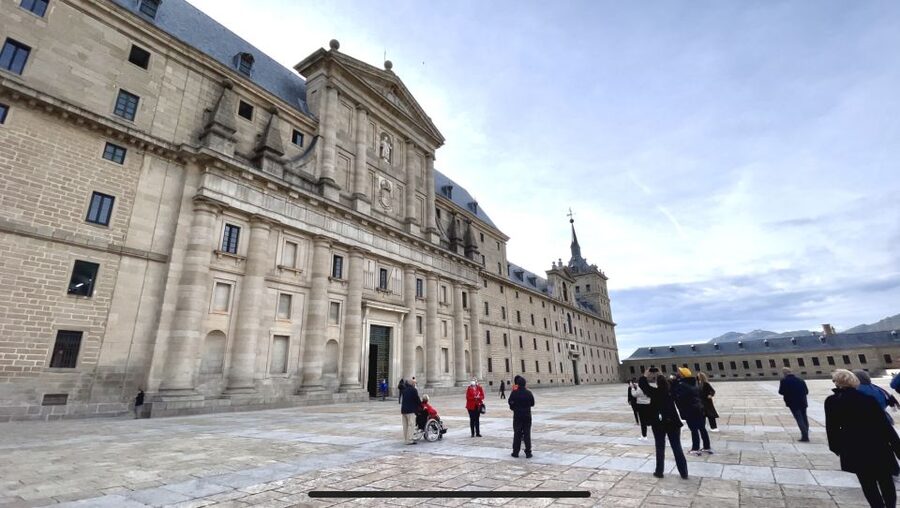
Wear comfortable shoes. The tour includes long indoor visits, walking between areas, and plenty of steps. One visitor specifically described both monuments as demanding for anyone with walking difficulties.
This experience is not suitable for wheelchair users or people with mobility impairments. That restriction should be taken seriously rather than treated as a minor note.
Bring comfortable clothing and prepare for changing conditions. The bus is comfortable, but outdoor portions at the Valley of the Fallen and around El Escorial can feel different from the temperature in Madrid. Rain does not necessarily ruin the trip, but it can make the outdoor sections less pleasant.
I would recommend this tour to:
- First-time visitors to Madrid who want a serious half-day excursion
- Anyone interested in Felipe II and the Spanish monarchy
- People who want to understand Spain’s Golden Age through buildings and art
- History-minded families, including older children and teenagers
- Visitors without a car
- Anyone who prefers a guide to explain complex political history
I would be more cautious if you need extensive free time, have limited mobility, or want a meal stop built into the schedule.
The guides are a major part of the experience
The tour depends heavily on the guide, and this is good news. Names repeatedly associated with warm, clear presentations include Cristina, Beatriz, Sergio, Rafael, Oscar, Pilar, María Sol, Gloria, and Arantxa.
Cristina is praised for fluent English and Spanish, detailed explanations, and a friendly manner. Beatriz receives similar praise for making both the monarchy and Civil War material easy to follow. Sergio is described as kind and well organized, while Rafael and Oscar are noted for combining humor with solid historical detail.
The specific guide on your departure may vary, so you should not book based on one person alone. Still, the pattern is clear: the company places real weight on the guide’s role, and that matters at places where context changes what you see.
The guides also help with practical matters. They keep the group together, make bathroom arrangements clear, answer questions, and handle small problems when they arise. That support is valuable on a compact schedule.
Should you book this Madrid day trip?
Book it if you want an efficient, history-centered outing that reaches two major sites with little planning. El Escorial is the stronger stop for art, monarchy, royal burial rooms, architecture, and the Spanish Golden Age. The Valley of the Fallen is the more emotionally charged stop, with its rock-cut basilica, enormous cross, and connection to the Civil War.
The $73 cost is fair for the transport and admission alone, and the guide adds the real value. Just accept the limits: no food is included, free time is short, the basilica at El Escorial may not be available on Sundays, and the walking can be demanding.
For a compact introduction to Spain’s royal past and difficult modern memory, I would book this tour. If you want to linger, sketch, study paintings, or spend a full day in each place, arrange separate visits instead.
FAQ
Where does the tour meet in Madrid?
Meet outside the Commercial Gallery at San Bernardo Street 7, at the Fun and Tickets meeting point.
How long does the experience last?
The tour lasts about five hours, including transportation from Madrid, the two guided visits, and the return to the city.
What languages are available?
The live guide and included audio guide are available in English and Spanish.
Is transportation included?
Yes. Round-trip transportation by air-conditioned bus is included, along with Wi-Fi on the bus.
Are entrance tickets included?
Yes. Skip-the-line entry tickets to the Monastery of San Lorenzo de El Escorial and the Valley of the Fallen are included.
Is food included?
No. Food and drinks are not included in the tour price.
Is the tour suitable for wheelchair users?
No. The experience is not suitable for wheelchair users or people with mobility impairments. Comfortable shoes and clothing are recommended.
Recently added around Madrid
- Madrid: Thyssen Museum Guided Tour with Skip-the-Line Entry★ 4.5 · 165 reviews
- Axe Throwing 1 hour session★ 5.0 · 166 reviews
- Madrid Food Walking Tour with Tapas and Vermouth★ 5.0 · 167 reviews
- Toledo Full-Day Walking Tour with Guide from Madrid★ 4.5 · 170 reviews
- Madrid: Top Pub Crawl Madrid & Party★ 5.0 · 173 reviews
- Madrid Gourmet Tapas Small Group Tour★ 5.0 · 175 reviews
- Street Art Guided Tour in Madrid★ 5.0 · 175 reviews
- Iberian Ham and Wine Small Group Tour in Madrid★ 5.0 · 176 reviews
Madrid Tours, compared.


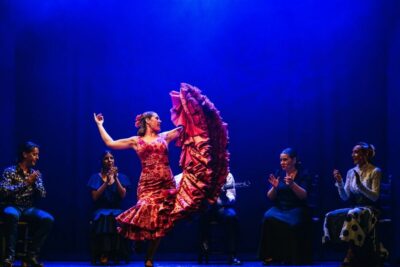


Live Flamenco Show with Food and Drinks Options
Read our review →
Avila & Segovia Tour with Tickets to Monuments from Madrid
Read our review →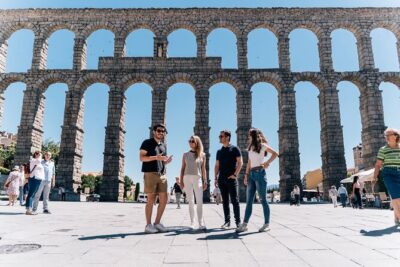
Three Cities in One Day: Segovia, Avila and Toledo from Madrid
Read our review →Browse the lists this tour appears in