
Review · GOTHIC QUARTER TOURS
Barcelona: Old Town and Gothic Quarter Walking Tour
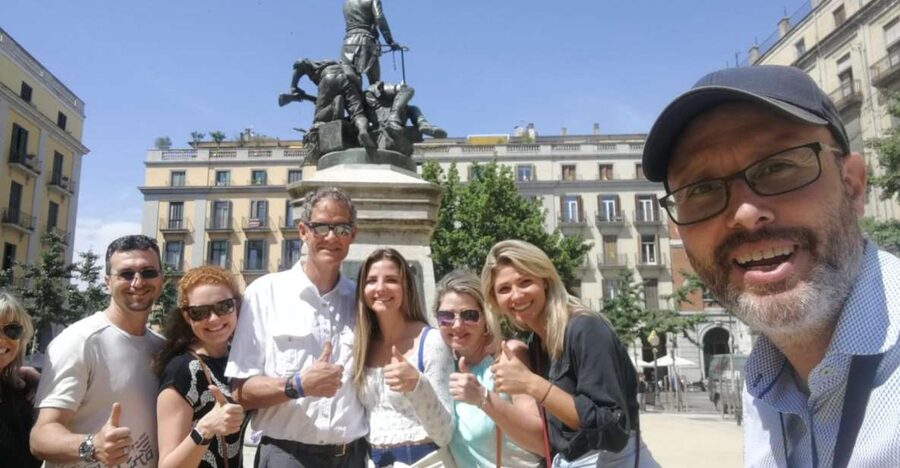
Barcelona’s oldest streets tell surprising stories. This walking tour links Roman ruins, medieval squares, La Rambla, La Boqueria, and El Born in one well-planned route. I especially like the small groups of up to 15 people and the way the guides mix dates, local stories, architecture, and food advice. At $21 per person, it is an inexpensive way to get your bearings before exploring the city on your own.
I also like that the walk goes beyond the postcard stops. You see Roman walls and baths, hear about Catalan Gothic design, and finish in El Born rather than simply circling the busiest part of the Old Town. The main drawback is that this is a long walking tour with many outdoor stops, and several major sights are viewed from the street rather than entered. Wear good shoes, leave large bags behind, and be ready for a steady pace.
In This Review
- Key points at a glance
- Starting with Barcelona’s Roman roots
- Roman walls and the Pati Llimona baths
- Plaça del Rei and medieval Barcelona
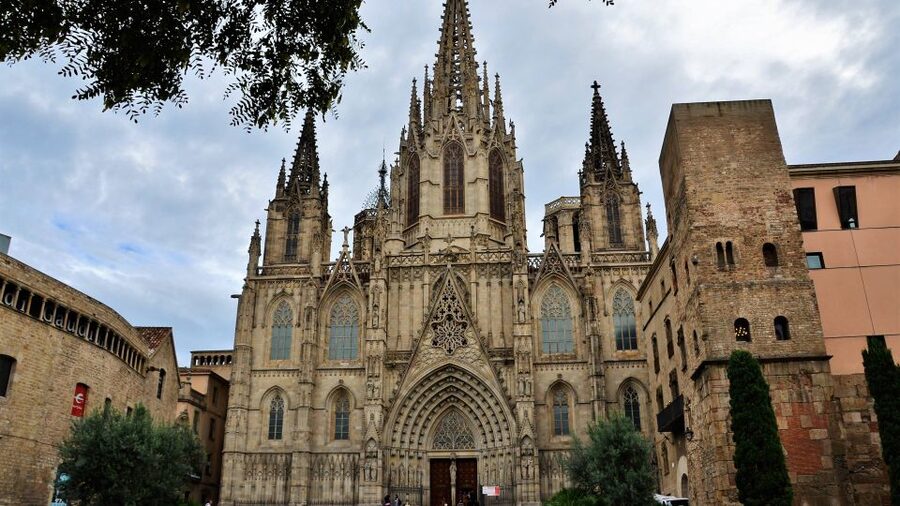
- Barcelona Cathedral and Catalan Gothic design
- Santa Maria del Mar and the city’s working past
- La Rambla, Barcelona’s famous public stage
- La Boqueria and Catalan food culture
- Plaça Reial and the city after dark
- El Born and the final stretch
- Guide style and what makes the tour work
- Is $21 a fair price?
- Who should book this Barcelona walking tour?
- Should you book it?
- FAQ
- How long does the Barcelona Old Town and Gothic Quarter tour last?
- What languages are available?
- Where does the tour start?
- Where does the tour finish?
- Does the tour enter Barcelona Cathedral or Santa Maria del Mar?
- How large is the group?
- What should I bring, and can I bring luggage?
Key points at a glance
- Roman Barcelona begins at Plaça de Sant Jaume: Learn why this square has remained a center of political life for more than 2,000 years.
- The Roman wall and Pati Llimona baths add real depth: These remains help you picture daily life in ancient Barcelona, not just its monuments.
- La Rambla and La Boqueria bring the city into the present: Street performers, flower stalls, cafés, and more than 300 market stalls give the walk a strong food and street-life element.
- Santa Maria del Mar reveals Catalan Gothic style: The guide explains how this remarkable church was built in an unusually short period.
- The route ends in El Born: Finishing at Passeig del Born places you near cafés, shops, and further Old Town exploring.
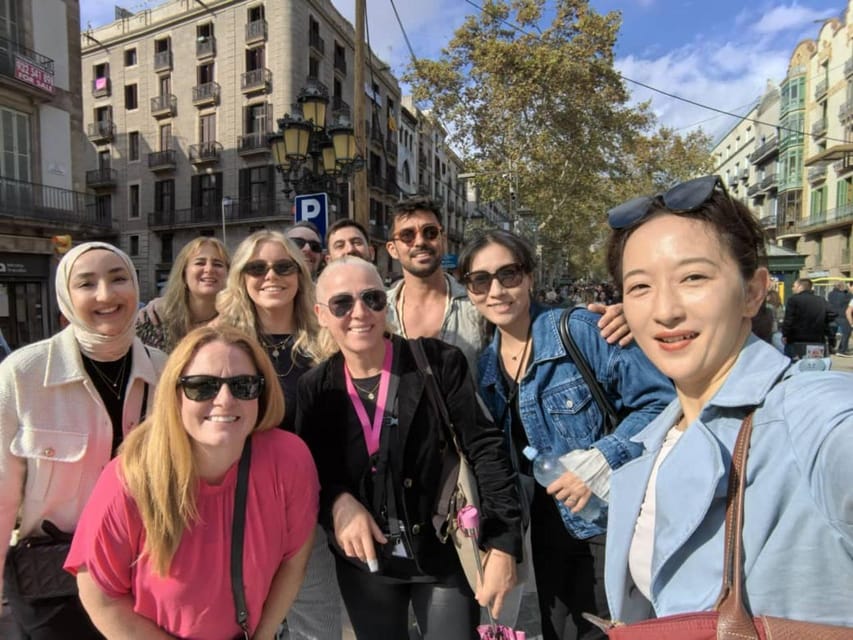
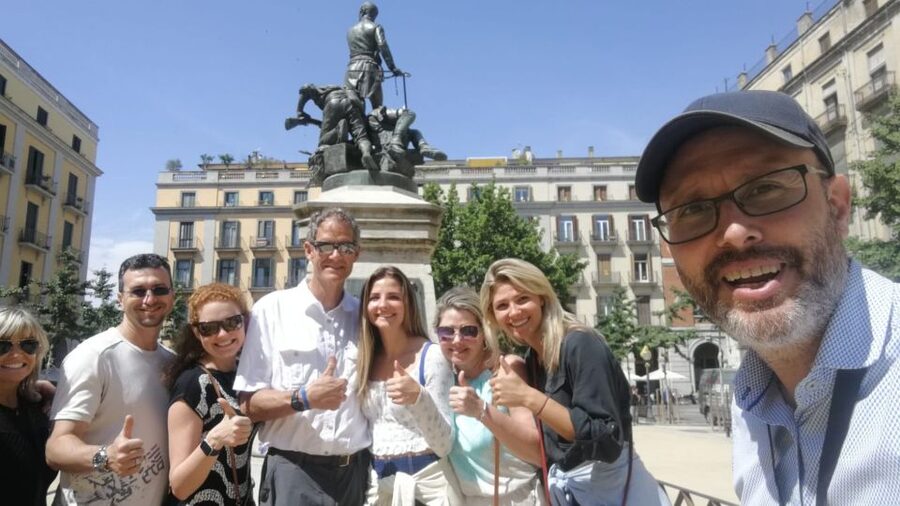
- Guide quality is a major strength: Alba, Joris, Nilo, Isabel, Steven, Ane, Laura, and others have been praised for warmth, humor, clear explanations, and strong local advice.
Starting with Barcelona’s Roman roots
The tour begins at Plaça de Sant Jaume, with the meeting point generally connected to the Movistar Centre. Check your booking carefully because the exact starting point can vary by option.
Plaça de Sant Jaume is an excellent place to begin. It is not just a broad civic square surrounded by important buildings. It occupies the area of Barcelona’s old Roman Forum, making it a useful starting point for understanding how the modern city grew from an ancient settlement.
Your guide explains Barcelona’s Roman beginnings and why this same area has remained central to Catalan public life for roughly two millennia. That long continuity gives the tour its backbone. Instead of seeing disconnected old buildings, you begin to understand the Old Town as a city built in layers.
This is where a live guide earns the $21 price. A map can show you a Roman wall, but a guide can explain how the wall relates to the street plan, the later medieval city, and Barcelona today. Alba, Joris, Nilo, Isabel, and other guides have been praised for making those connections clear without turning the walk into a lecture.
More Walking Tours in Barcelona
- Barcelona Tapas and Wine Experience Small-Group Walking Tour
★ 5.0 · 5,804 reviews - Barcelona: Tapas Walking Tour with Food, Wine, and History
★ 4.8 · 4,261 reviews - Barcelona Tapas Walking Tour: Food, Wine & History
★ 4.5 · 1,928 reviews
Roman walls and the Pati Llimona baths
One of the most useful early stops is along a well-preserved section of Barcelona’s Roman wall. The stones are easy to overlook when you are focused on cafés, shopfronts, and narrow lanes. Once the guide points out the wall, though, the age of the city becomes much more visible.
The nearby Roman baths at Pati Llimona add an everyday angle. This is not only a story about emperors or military power. The remains help explain how ordinary Roman residents bathed and spent time in the city.
I appreciate this part because it turns archaeology into something human. You are not simply told that Barcelona is old. You get a glimpse of how people used the city long before the Gothic churches and modern boulevards appeared.
The route through the oldest quarter also shows why comfortable shoes matter. The streets are compact and often uneven, and you will spend several hours standing while listening. The walk is suitable for people who enjoy exploring on foot, but it is not a sit-down sightseeing experience.
Plaça del Rei and medieval Barcelona
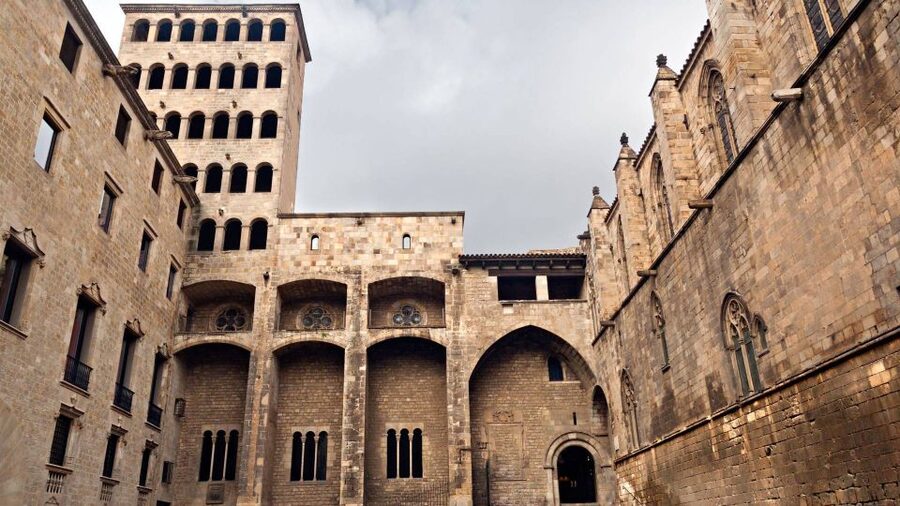
The Gothic Quarter is at its best when you slow down and look upward. Narrow lanes open into medieval squares, old façades reveal small details, and the route brings you to Plaça del Rei, one of the area’s most important historic spaces.
Here, the guide discusses the Palace of the Viceroy and the Palau Reial. The square is also linked to the famous welcome given to Christopher Columbus by Ferdinand and Isabella after his journey to the Americas. That episode is presented as part of Barcelona’s role in the political world of late medieval and early modern Spain.
A good guide makes this stop more than a quick photograph. The square brings together royal power, religious authority, trade, and the city’s changing place in Spanish history. Several people praised guides such as José Carlos and Isabel for explaining architecture and politics in a way that remained easy to follow.
You should keep expectations realistic. The tour is designed as a walking overview, so you should not expect long indoor visits at every landmark. The value comes from seeing the spaces in sequence and hearing how they fit together.
Barcelona Cathedral and Catalan Gothic design
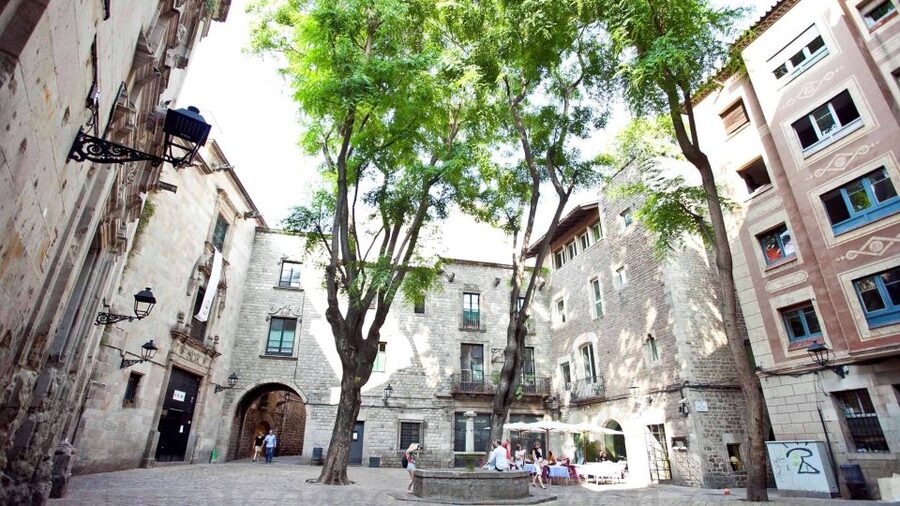
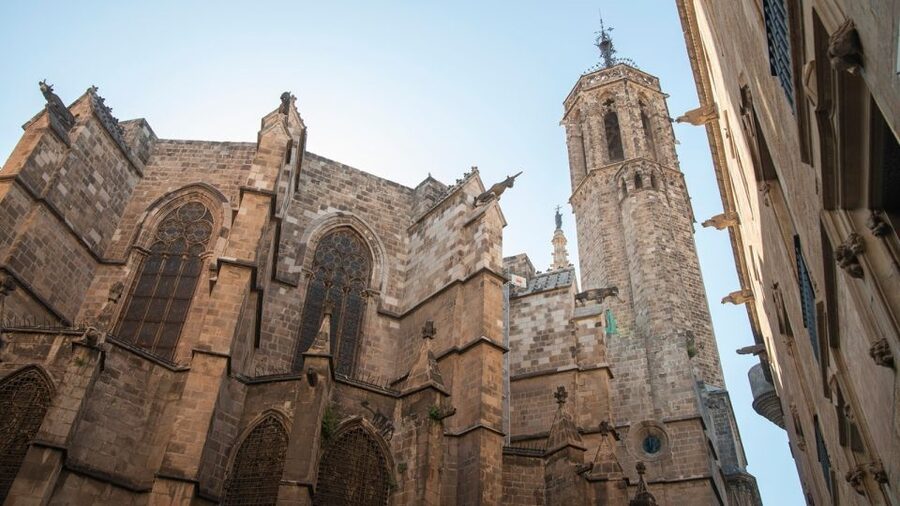
The Barcelona Cathedral is one of the route’s major visual highlights. Even when the tour only passes by, the building gives you a strong sense of the scale and detail of Catalan Gothic architecture.
Your guide helps you notice more than the pointed arches. You may hear about the cathedral’s place in the medieval city, its architectural features, and the wider religious and civic world that shaped Barcelona. The exact amount of time here depends on the guide, group, and pace, but it is an important stop for first-time visitors.
The tour also passes the Palace of Catalan Music. Since this is listed as a sightseeing stop rather than an interior visit, think of it as an exterior look at one of Barcelona’s major cultural buildings. It adds an artistic and modern note to a route otherwise focused on Roman and medieval history.
This balance is useful. Barcelona is not only a museum of old stones. Its identity also includes music, design, food, and daily life. The best guides, including Ane and Laura, have been praised for linking past events with the city you see around you now.
More Gothic Quarter walks:
- Barcelona Gothic Quarter Tapas & Taverns Food & Wine Tour
★ 5.0 · 1,470 reviews - Barcelona: Gothic Quarter Ghosts and Legends Walking Tour
★ 4.7 · 1,443 reviews - Barcelona Old Town & Gothic Quarter Small Group Tour
★ 5.0 · 1,308 reviews - Barcelona: El Born and Gothic Quarter Wine & Tapas Bar Tour
★ 4.8 · 674 reviews
Santa Maria del Mar and the city’s working past
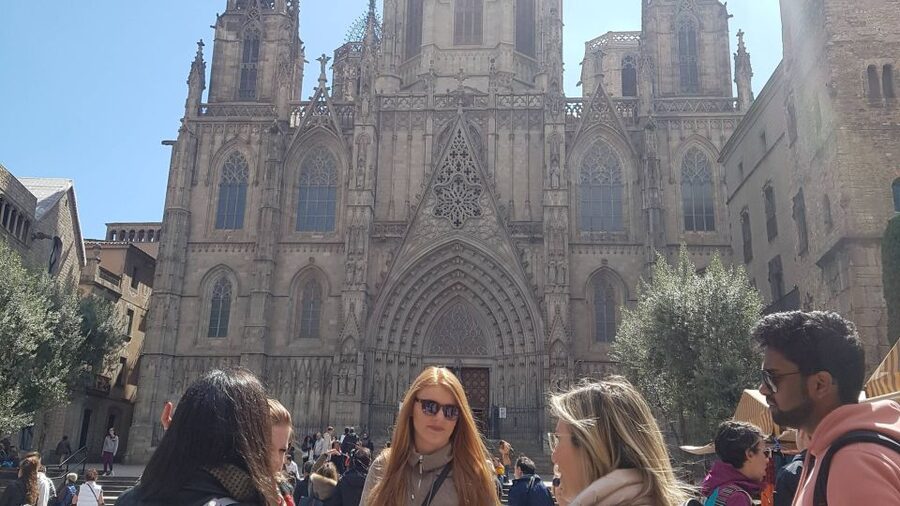
Santa Maria del Mar is another important stop, and it offers a contrast with Barcelona Cathedral. The church is widely admired as one of the finest examples of Catalan Gothic architecture. The guide explains how it was built in a remarkably short time, an achievement that says a great deal about medieval organization, engineering, and community effort.
The church also helps shift the focus away from royal Barcelona. Santa Maria del Mar is closely associated with the maritime district and the working life of the old city. Its broad structure and strong lines feel different from the more ornate character you may notice elsewhere.
You will generally pass by rather than receive a full interior tour, so consider returning later if you want to study the church in detail. The walk gives you the background and the location. You can then decide which buildings deserve a separate visit during your stay.
That is one of the tour’s practical strengths. It helps you sort Barcelona’s long list of sights. You finish with a clearer sense of where you want to spend more time, rather than trying to see every monument in one rushed morning.
La Rambla, Barcelona’s famous public stage
The route continues to La Rambla, the broad central boulevard that connects the Old Town with the waterfront area. This is where the tour becomes more about present-day Barcelona.
You will pass flower stalls, outdoor cafés, eateries, street performers, and a steady flow of people. La Rambla can feel crowded, especially at popular times, so keep your belongings secure and stay close enough to hear the guide. One guide, Alba, was specifically praised for paying attention to group safety and personal belongings.
The boulevard is famous for good reason, but it is also one of the places where expectations can be misleading. You are seeing a major public thoroughfare, not a quiet medieval lane. The charm comes from the mix of performance, commerce, architecture, and movement. The guide gives you context so the street feels like part of Barcelona’s daily life rather than just a place to take a quick photograph.
For some people, La Rambla will be the least intimate part of the walk. It is noisier and more exposed than the Gothic Quarter. Still, it provides a useful change of pace before the market stop.
La Boqueria and Catalan food culture
La Boqueria is one of the tour’s most appealing stops. More than 300 stalls sell local products, prepared food, fruit, sweets, seafood, meat, and other ingredients. The market is colorful, practical, and full of smells that make a short stop feel far too brief.
The guide helps you read the market as more than a collection of food stands. You get an introduction to Catalan eating habits and the way markets function as part of city life. Guides often share suggestions for places to eat after the walk, which is especially useful if you are visiting Barcelona for the first time.
I would treat La Boqueria as a place to observe and perhaps buy a small snack, not as a guaranteed seated meal. The group may need to keep moving, and the market can be crowded. If you want to return for a slower look, note the stalls and come back independently.
Food advice is one of the most repeated strengths of the guiding team. Alba, Ane, Stephen, Laura, and others have been praised for offering restaurant suggestions and ideas for the rest of the day. That practical help can be worth nearly as much as another historical fact.
Plaça Reial and the city after dark
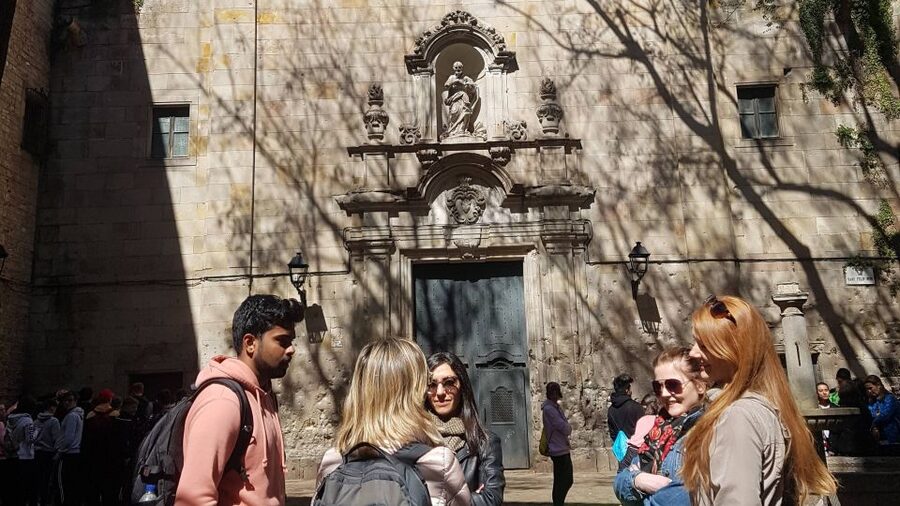
Plaça Reial brings you into one of Barcelona’s best-known gathering places. The arcaded square, cafés, and open space create a strong contrast with the tight lanes of the Gothic Quarter.
The guide places the square in its urban and social setting, helping you understand why it remains a popular meeting place. It is also a useful spot for noticing how Barcelona’s old districts have changed over time. Historic spaces now serve modern cafés, restaurants, and nightlife.
This stop can be lively, so listen carefully and watch where the guide stands. Groups of up to 15 are small enough for personal attention, but you still need to keep track of the group in busy areas.
A private group is available if you want a more tailored format. The standard small-group option should suit most people who want a friendly overview without paying private-tour prices.
El Born and the final stretch
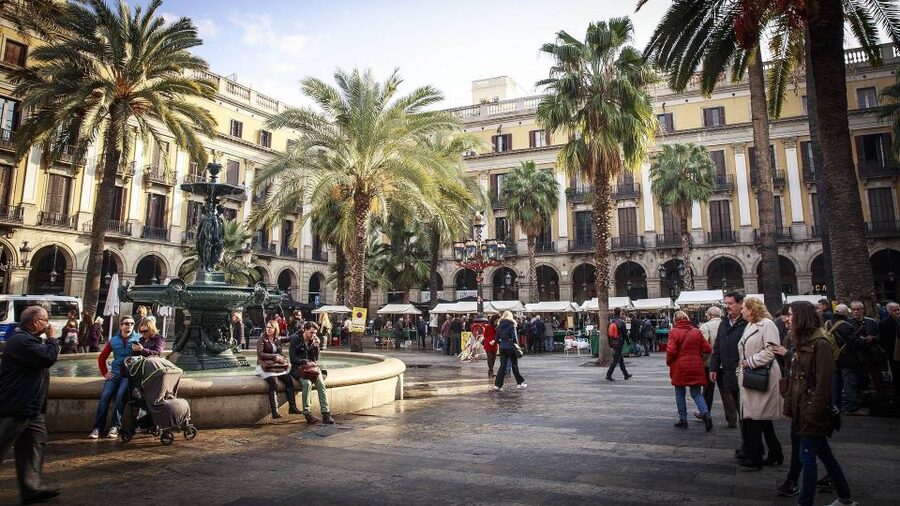
The walk continues through El Born and finishes at Passeig del Born. This ending works well because El Born feels distinct from the Gothic Quarter while remaining part of the same historic center.
You pass through an area associated with cafés, boutique shops, and lively streets. It is a good place to continue exploring after the guide leaves. You might stop for food, browse the shops, or return to one of the churches and buildings you saw earlier.
Finishing here also gives the route a pleasant sense of movement. You begin with Roman Barcelona, pass through medieval power and religion, walk down La Rambla, visit the market, and end in a fashionable old district that reflects the city’s modern character.
The route may also pass Santa Maria del Mar and the Palace of Catalan Music before reaching Passeig del Born. Since these are sightseeing stops rather than clearly advertised interior visits, plan separate admission visits if those buildings are priorities.
Guide style and what makes the tour work
The guide is the heart of this experience. The strongest feedback centers on enthusiasm, clear storytelling, humor, and the ability to answer questions without losing the group.
Alba has been praised repeatedly for her passion, excellent English, local stories, and care with group safety. Joris is noted for strong historical explanations and for responding well to random questions. Isabel is praised for making people imagine earlier periods and for connecting history with Spanish and Catalan culture.
Steven brings a lighter approach. His style includes humor, puzzles, and small visual details such as dragons and a double-tailed mermaid. That kind of observation is useful for families and anyone who finds a list of dates hard to remember.
Other guides, including Ane, Laura, Nilo, Mariah, Montse, José Carlos, and Stephanie, have also been praised for warmth and strong command of architecture, history, and local customs. Stephanie’s background in architecture was especially valued by one participant.
Of course, a walking tour can vary with the individual guide. The consistent pattern here is encouraging, but you should still expect different personalities and storytelling styles. Some guides may focus more on architecture, while others spend more time on food, politics, or local anecdotes.
Is $21 a fair price?
At $21, this is a strong value for a first look at central Barcelona. You receive a 2.5-hour guided walk, a route through several of the city’s most important historic districts, and a live guide in English or Spanish.
The advertised duration can range from 2.5 to 4 hours depending on the selected option and schedule, so check the exact time before booking. A longer version may suit you if you want more explanation and a slower pace. The shorter format is better if you have limited time.
The price does not include personal expenses, food, or entry to attractions. That keeps the basic cost low, but you should budget separately if you plan to buy something at La Boqueria or revisit a church or palace.
Free cancellation is available up to 24 hours before the tour, and you can reserve while paying later. Those terms are useful when your Barcelona plans are still shifting.
Who should book this Barcelona walking tour?
I would recommend it most strongly for first-time visitors, history fans, food lovers, and anyone who wants a useful orientation on the first day in town. The route introduces several districts without requiring local knowledge of Barcelona’s street plan.
It also suits people who prefer stories to silent sightseeing. The guide adds meaning to the Roman wall, explains why the Gothic Quarter looks the way it does, and points out details you could easily walk past.
Families can join, including children under two at no charge. Younger children may find the length demanding, though the supplied information does not specify a child-focused format. You should bring comfortable shoes and avoid large bags or luggage, which are not allowed.
This is less suitable if you want extensive time inside monuments, a food tasting tour, or a slow photographic walk. It is also not the right choice if several hours on foot sounds tiring. The route covers a lot, and the best experience comes from staying engaged as you move between stops.
Should you book it?
Book this tour if you want Barcelona’s Roman, medieval, Gothic, food, and street-life stories tied together in one affordable walk. The repeated praise for guides such as Alba, Joris, Isabel, Steven, Ane, and Laura suggests that the human side of the experience is its greatest strength.
Skip it if you prefer to explore at your own pace or plan to spend hours inside each major monument. For most first visits, though, $21 buys a practical introduction and a helpful list of places to revisit. Start early in your stay, wear comfortable shoes, and let the guide show you what deserves a closer look later.
FAQ
How long does the Barcelona Old Town and Gothic Quarter tour last?
The tour duration is listed as 2.5 to 4 hours. Check the available starting option for the exact length and time.
What languages are available?
The tour is offered with a live guide in English or Spanish.
Where does the tour start?
The meeting point may vary depending on the option booked. The Movistar Centre is listed as a starting location, so check your selected option for the precise meeting details.
Where does the tour finish?
The tour finishes at Passeig del Born, 08003 Barcelona, Spain.
Does the tour enter Barcelona Cathedral or Santa Maria del Mar?
The route includes sightseeing at Barcelona Cathedral and Santa Maria del Mar, but the supplied details do not promise interior visits or admission.
How large is the group?
The standard tour is a small-group experience with a maximum of 15 participants. A private group option is also available.
What should I bring, and can I bring luggage?
Bring comfortable shoes. Luggage and large bags are not allowed on the tour.
More Walking Tours
- Barcelona: Tapas Food Crawl Walking Tour with Tastings
★ 4.9 · 1,798 reviews - Barcelona Helicopter, Sailboat & Old Town Private Walking Tour
★ 5.0 · 1,395 reviews - Barcelona: Helicopter Flight, Boat Ride, and Walking Tour
★ 4.7 · 1,334 reviews - Barcelona: City Walking Tour with Local Guide
★ 4.9 · 980 reviews
Recently added around Barcelona
- Intro Segway Tour Barcelona 1h★ 4.9 · 166 reviews
- Barcelona: Bike or eBike Tour, Top Sights & Local Insights★ 4.9 · 166 reviews
- Instagram Photoshoot Tour in Barcelona★ 5.0 · 167 reviews
- Artisan Ceramic Making Experience★ 5.0 · 168 reviews
- Barcelona: Big Fun Museum Ticket★ 4.2 · 169 reviews
- Sagrada Familia Evening Private Tour with Expert Guide★ 4.5 · 170 reviews
- Gaudi’s Crypt in Colonia Güell with Audioguide★ 4.4 · 170 reviews
- Las Golondrinas Barcelona 60-min Boat Tour★ 4.0 · 170 reviews
Gothic Quarter Tours, compared.
Barcelona Gothic Quarter Tapas & Taverns Food & Wine Tour
Read our review →
Gothic Quarter Ghosts and Legends Walking Tour
Read our review →
Barcelona Old Town & Gothic Quarter Small Group Tour
Read our review →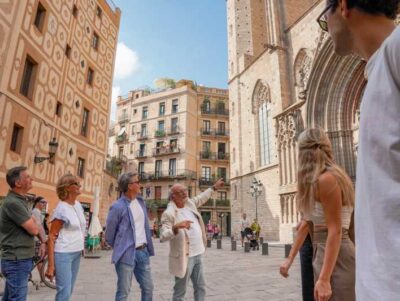
El Born and Gothic Quarter Wine & Tapas Bar Tour
Read our review →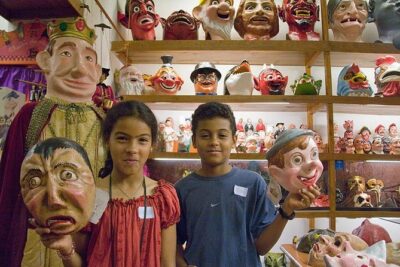
Kids and Family Gothic Quarter Walking Tour in Barcelona
Read our review →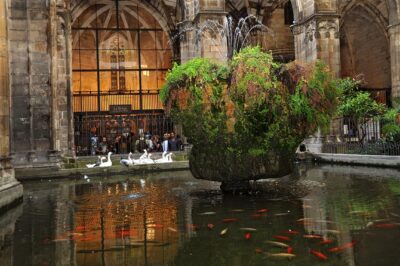
Barcelona Gothic Quarter VIP Tapas & Wine Tour
Read our review →Browse the lists this tour appears in