Review · TICKETS
Barcelona: Museu Nacional d’Art de Catalunya Entrance Ticket
Art comes with a city view here. The Museu Nacional d’Art de Catalunya fills the grand Palau Nacional on Montjuïc, combining world-class Romanesque mural paintings with Catalan Modernist works, European masterpieces, photography, and a memorable setting above Barcelona. I especially like the rescued church frescos displayed in ways that help you understand their original surroundings, and the chance to see artists such as Gaudí, Casas, Tiziano, and Velázquez under one roof.
The $14 admission is strong value if you spend at least two hours inside, and the ticket includes the permanent collection, temporary exhibition, and a smartphone audio guide. My main caution is simple: the museum is large, and the rooftop and terraces are currently closed because of health and management regulations. Check the latest status before you count on those views.
In This Review
- Key points to know before you go
- Reaching the Palau Nacional on Montjuïc
- Entering a palace built for 1929
- The Romanesque rooms and rescued church murals
- Gothic art, Renaissance masters, and Velázquez
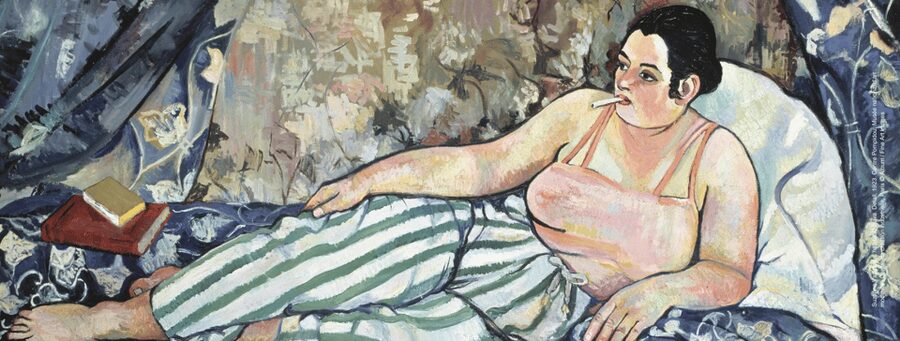
- Catalan Modernism with Gaudí and Casas
- Photography, temporary exhibitions, and the Spanish Civil War display
- The roof, terraces, and Montjuïc views
- How long to spend inside
- Is the $14 ticket good value?
- Practical tips for a better visit
- Who should book MNAC?
- Should you book this ticket?
- FAQ
- Where is the Museu Nacional d’Art de Catalunya?
- How much does admission cost?
- How long is the ticket valid?
- What does the admission ticket include?
- Which languages are available for the audio guide?
- Should I bring anything with me?
- Is the museum wheelchair accessible?
- Are the rooftop and terraces open?
- When is admission free?
Key points to know before you go
- Romanesque murals are the star attraction: MNAC holds one of the world’s finest collections of medieval mural paintings, many rescued from old Catalan churches.
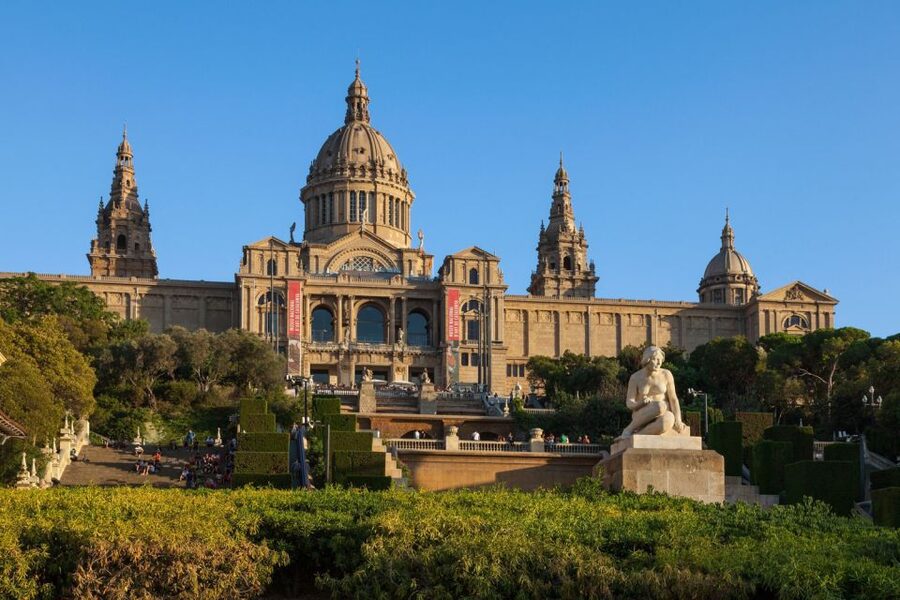
- The Palau Nacional is part of the experience: Built for the 1929 International Exposition, the building gives your visit a grand start before you even reach the galleries.
- Plan two to four hours: Two floors cover several artistic periods, and a quick visit can leave the best rooms unseen.
- The art spans centuries: You can move from medieval Catalonia to Gothic art, Renaissance and Baroque painting, Modernism, photography, and temporary displays.
- The $14 ticket covers more than one collection: Admission includes both permanent and temporary exhibitions, plus an audio guide app in nine languages.
- Check the rooftop notice: The terraces and roof are temporarily out of service, although the broad views from Montjuïc and the front of the building remain worthwhile.
Reaching the Palau Nacional on Montjuïc
The museum’s address is Palau Nacional s/n, Parc de Montjuïc, 08038 Barcelona. It sits high on Montjuïc, so the approach is part of the outing rather than a quick street-level museum stop.
You can reach the area by metro, although you should expect some uphill walking once you arrive. The climb can feel tiring in summer heat. Escalators and places to stop for a drink are available along the approach, which helps if you are carrying bags, traveling with children, or simply saving your energy for the galleries.
Give yourself extra time for the building exterior. The Palau Nacional was constructed for the 1929 International Exposition, and its broad stairway, formal façade, and high position make it one of Barcelona’s most imposing museum settings. Even before entering, you have open views toward the city and plenty of space for photographs.
The site also sits near other Montjuïc attractions, including the cable-car area, so MNAC can work well as part of a larger half-day plan. I would not squeeze it between two tightly timed central Barcelona stops. The walk up, the building, and the art all deserve room.
A few more Spain trips worth a look
- Barcelona: Sagrada Familia Entry Ticket with Audio Guide
★ 4.6 · 105,312 reviews - Barcelona: Park Güell Admission Ticket
★ 4.4 · 76,534 reviews - Barcelona: Casa Batlló Entry with Self-Audioguide Tour
★ 4.7 · 25,359 reviews
Entering a palace built for 1929
Inside, the grand exterior gives way to a more modern museum layout. That contrast is useful. The palace supplies the sense of occasion, while the galleries are organized into sections that make the large collection easier to manage.
Clear maps and signs help you find your way. The collection occupies two floors, and the rooms cover different periods rather than presenting one long, tiring sequence of similar paintings. If you do not know much about Catalan art, this arrangement gives you a basic path through the subject.
The building itself deserves attention. Look up at the architecture, notice the scale of the entrance areas, and allow a few minutes before rushing toward the first gallery. Several people have found the setting almost as memorable as the art, and that is understandable. Few city museums give you such a formal entrance and such a wide view before the visit even begins.
The museum is wheelchair accessible. That matters here because the hill and stairways outside can make the approach demanding, while elevators near the building help with movement inside and around the site.
The Romanesque rooms and rescued church murals
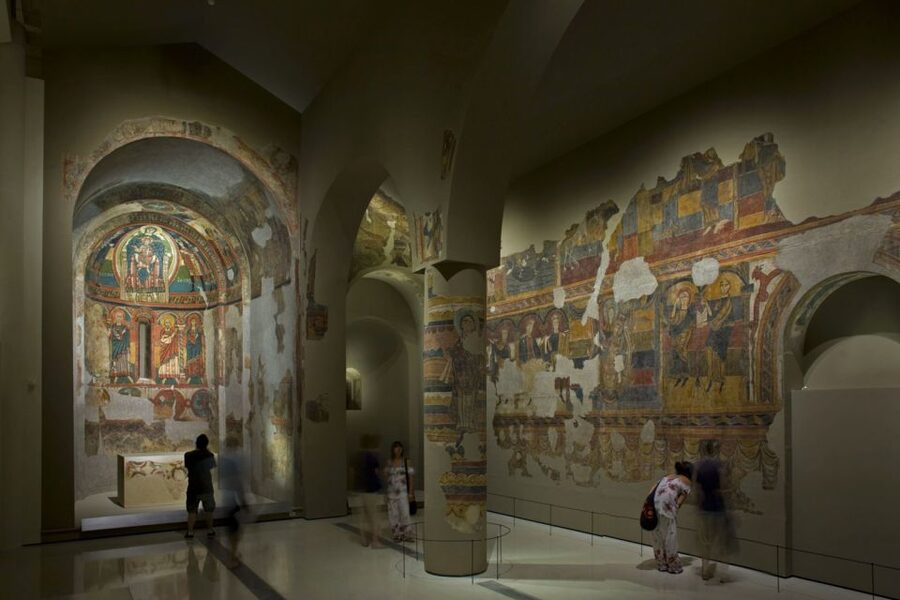
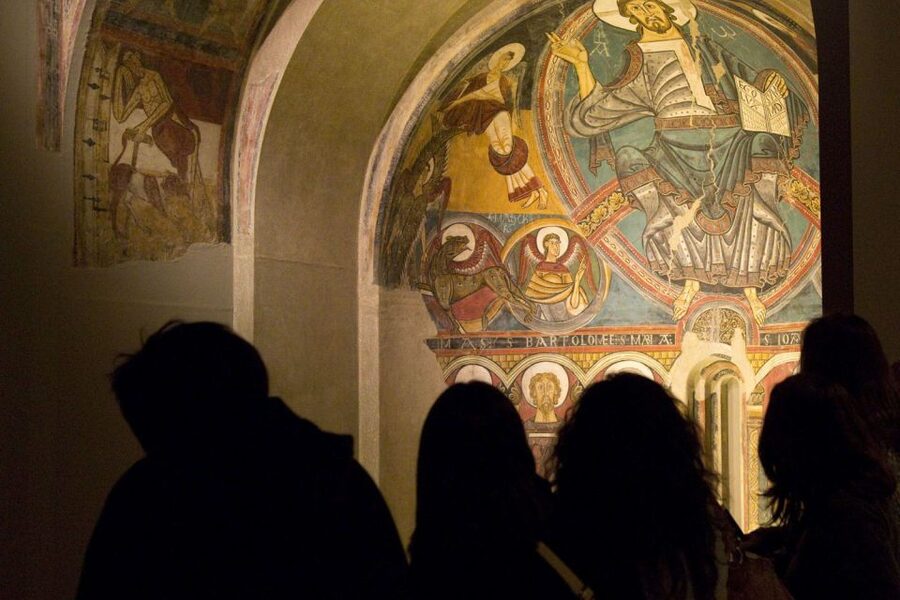
Start with the Romanesque collection if medieval art interests you. MNAC is particularly important for its mural paintings, many of which were removed from old churches and preserved in the museum. The displays can give you the feeling of seeing the works in their original architectural setting, rather than as isolated fragments on a flat wall.
This is more than a collection of old paintings. The murals show how religious art once shaped the interiors of Catalan churches. Their strong forms, bold colors, and sacred scenes are direct and powerful, even if you usually spend more time with modern art.
The scale of the paintings also helps. You can see how they filled walls and apses, and why removing and saving them was such a major conservation task. The museum presents this work with care, making the Romanesque rooms one of the most distinctive parts of a Barcelona art itinerary.
Do not rush these galleries. The explanations may be limited in English in parts of the medieval section. If you want detailed background, use the audio guide app or consider a separate guide. Bring your own headphones and arrive with a charged smartphone, since those are required for the included audio guide.
Gothic art, Renaissance masters, and Velázquez
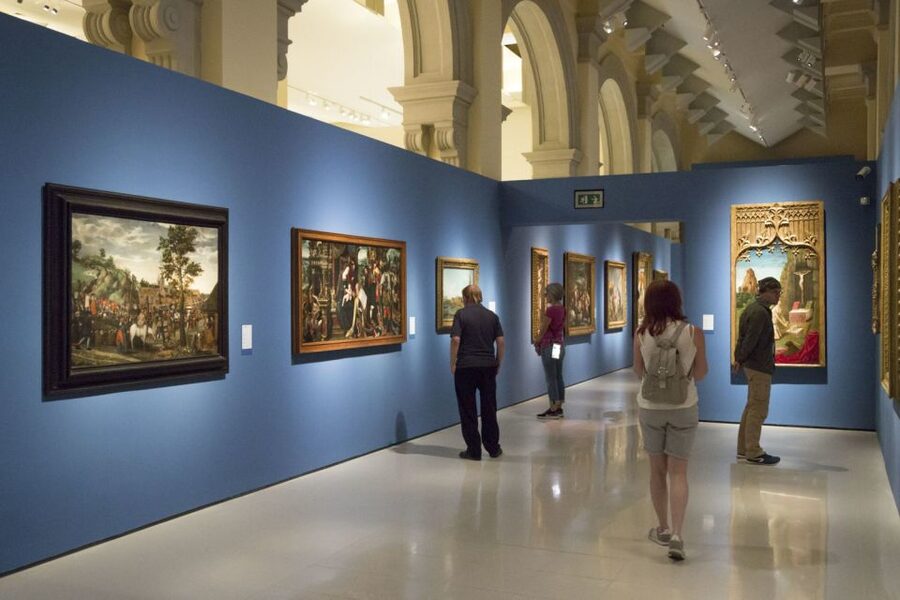
The collection then moves through Gothic art and into later European painting. These rooms help connect Catalonia with wider artistic movements across Spain and Europe.
You can see work by major painters including Tiziano and Velázquez. The appeal here is variety rather than one single blockbuster painting. You are able to compare religious art, courtly painting, portraiture, and changing ideas about color and form in one visit.
If you are not an art specialist, do not worry about knowing every name. Choose a few works that hold your attention and use the audio guide for context. The museum can feel overwhelming if you try to read every label and see every object. A slower approach through selected rooms usually gives you more than racing through the whole building.
The medieval galleries may be less accessible to English-speaking visitors who rely only on wall text. That is the clearest practical weakness in this part of the museum. The audio guide is available in Catalan, Spanish, English, French, German, Italian, Russian, Japanese, and Chinese, so it can fill in some of the gaps.
A completely different kind of day out in Barcelona:
- Barcelona: 24 or 48-Hour Hop-On Hop-Off Bus Tour
★ 4.4 · 20,872 reviews - Barcelona: Park Guell Guided Tour with Skip The Line Entry
★ 4.7 · 17,563 reviews - Barcelona: La Pedrera-Casa Milà Ticket & Audio Guide Option
★ 4.7 · 15,099 reviews - Barcelona in 1 Day: Sagrada Familia, Park Guell,Old Town & Pickup
★ 5.0 · 13,541 reviews
Catalan Modernism with Gaudí and Casas
For many people, the Modernist collection is the most approachable section. Catalan Modernism is closely tied to Barcelona’s identity, and works connected with Gaudí and Casas give you a different view of the city than you get from visiting famous buildings alone.
This section is particularly useful after seeing Barcelona’s architecture. You can look at the art and then notice how artists and architects in the city shared an interest in movement, decoration, design, and modern life. The paintings and objects help place the city’s famous streets and buildings in a wider cultural setting.
The collection also includes 19th-century art that has impressed many visitors with its beauty and quality. If you are short on time, I would still avoid skipping the Romanesque rooms, but the Modernist galleries are a good priority for first-time visitors who want a clear connection to Barcelona.
The layout keeps this section from feeling too chaotic. You can move between periods without losing your sense of direction, and the open organization makes it easier to pause when something catches your eye.
Photography, temporary exhibitions, and the Spanish Civil War display
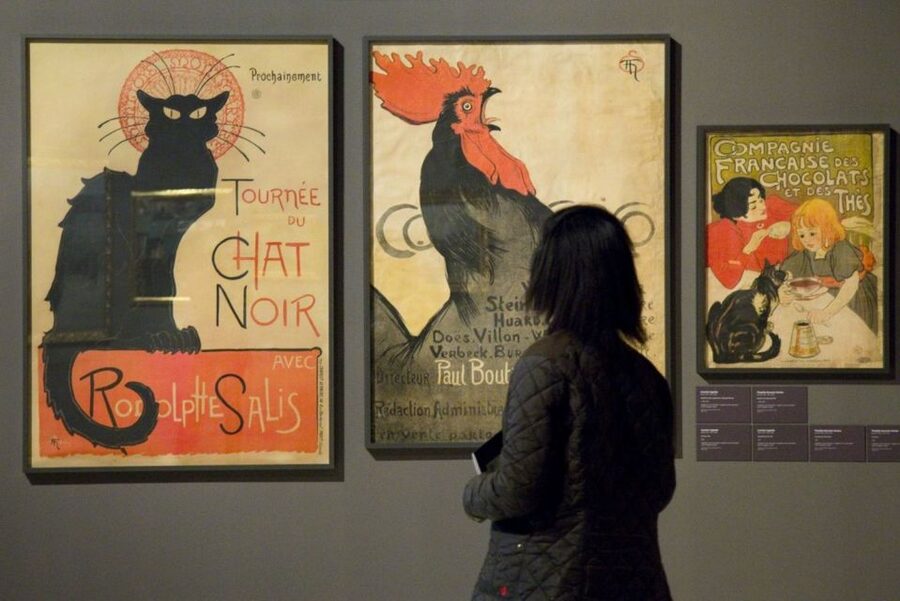
MNAC is not only a painting museum. The photography collection adds another way to see Catalonia and Spain, and the temporary exhibition is included in your admission.
The temporary displays change, so the exact subject will depend on your visit. Check what is showing before you go if a particular exhibition matters to you. Including it in the ticket makes the $14 price more attractive, especially if the temporary display is substantial.
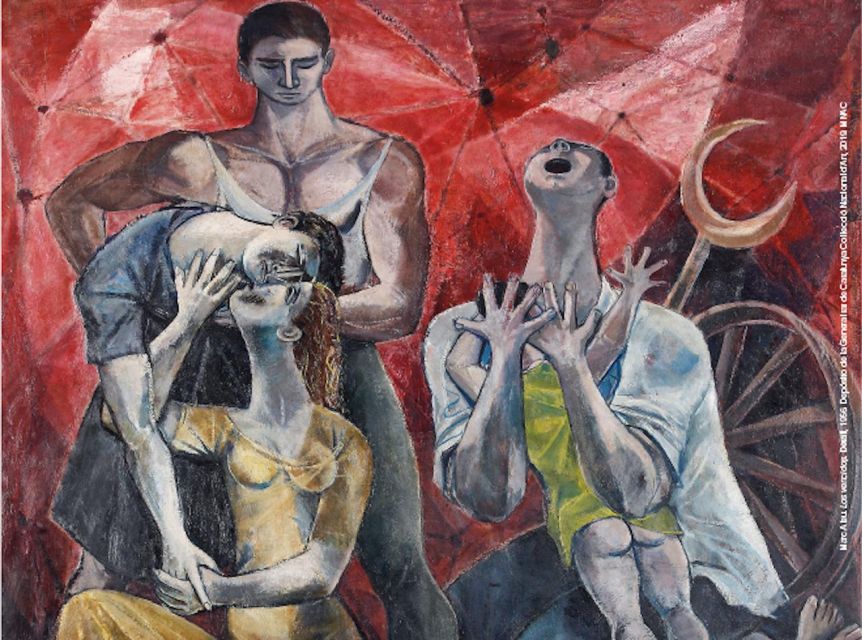
One especially moving display has focused on the Spanish Civil War. If it is running during your visit, allow time for it rather than treating it as a quick add-on. Its emotional weight can change the pace of your afternoon, and it offers a serious counterpoint to the decorative beauty elsewhere in the museum.
A good plan is to choose one major collection for close attention, then sample the others. I would rather spend an hour with the murals and Modernist art than claim to have seen every room without remembering much.
The roof, terraces, and Montjuïc views
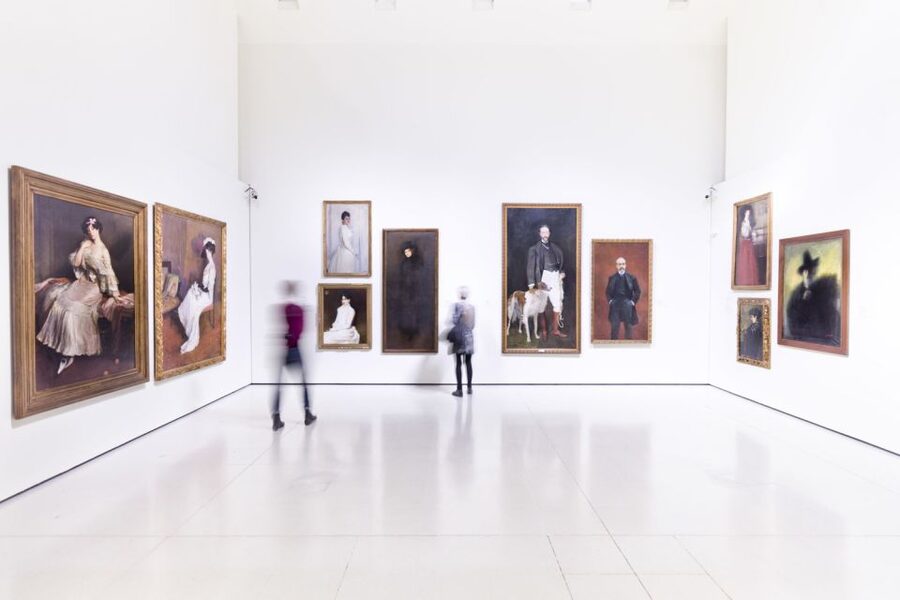
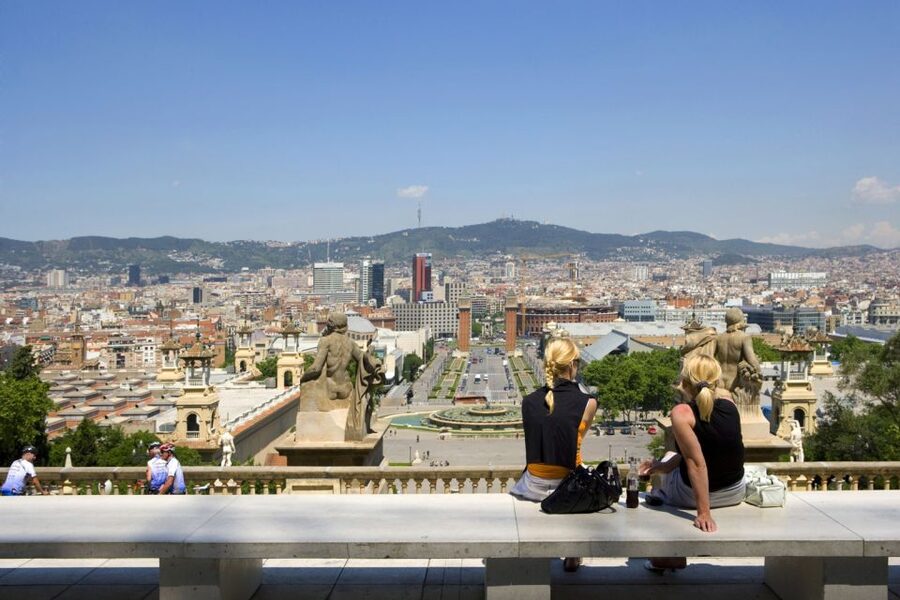
The museum’s high position is one of its strongest advantages. From the front of the Palau Nacional, you can look across Barcelona and take in the city from a broad, elevated viewpoint. The setting feels open and calm after time indoors.
The rooftop has often been a highlight, offering close views over the city and the building itself. However, the current information says the terraces and rooftop are temporarily out of service because of the difficulty of managing current health regulations. Do not buy this ticket solely for roof access.
You can still enjoy the views around the museum and on the approach. The location is especially good for photographs, and the gardens and exterior areas make a pleasant break between galleries. A drink or snack at one of the on-site café areas can turn the museum into a relaxed half-day outing rather than a purely indoor stop.
The famous Magic Fountain area is nearby, but its operation can change. One visit found the waterfall feature not running, so treat it as a bonus rather than the reason to schedule MNAC.
How long to spend inside
The official guidance suggests a couple of hours, and that is the minimum I would allow. Two hours works if you focus on the Romanesque murals, Modernism, and a selection of later European works.
Three to four hours is better if you want to see both floors, photography, temporary exhibitions, and the building at a reasonable pace. Some people have found the collection large enough to fill four hours, while others managed only one gallery during a short late-afternoon slot.
Avoid arriving too close to closing time. The ticket office closes 30 minutes before the museum, and the galleries begin emptying 15 minutes before closing. A late visit may work for a focused look, but it is a poor choice if you want to see the full collection.
Families should plan their time carefully. The museum’s variety helps, but younger children may lose interest during the medieval rooms. A short visit built around the murals, the views, and the Modernist galleries may work better than attempting every section.
Is the $14 ticket good value?
At $14 per person, this is a good-value museum ticket for Barcelona, particularly because it includes the permanent collection, temporary exhibition, and audio guide app. The building and setting add value even if you are not deeply interested in art.
The ticket is less attractive if you have only an hour, especially late in the day. You may see just one gallery and miss much of what makes MNAC special. It is also worth checking the free-entry dates before booking:
- Saturdays from 3 p.m. onward
- The first Sunday of each month
- February 12, Santa Eulàlia
- May 18, International Museum Day
- September 11, Catalonia’s national day
- September 24, La Mercè
If your schedule matches one of these times, you may not need to pay for admission. The tradeoff is that free periods can be busier or less flexible, and a short opening window may not allow you to see much.
The skip-the-ticket-line feature can save time during busy periods, though a quiet visit may have little or no queue. The value depends on your dates. The reserve-now, pay-later option and free cancellation up to 24 hours before the visit are useful if your Barcelona plans are still changing.
Practical tips for a better visit
Bring headphones and charge your smartphone before arriving. The audio guide is delivered through an app, and it is especially useful in galleries where English explanations are limited.
Wear comfortable shoes. The museum is accessible, but Montjuïc’s approach includes walking and an uphill route. In hot weather, leave extra time and use the cafés or shaded outdoor areas for a rest.
Start with a plan. I suggest this order:
- Romanesque murals and medieval art
- Gothic and later European painting
- Catalan Modernism
- Photography and the temporary exhibition
- Outdoor views, gardens, and a café stop
You can reverse the order if Modernism is your main interest. The key is to avoid wandering without a goal during the first hour, when your attention is strongest.
Ask about current rooftop access when you arrive. The roof has been a major attraction, but its temporary closure means conditions can change. The museum’s exterior viewpoint remains worthwhile, so the visit is not lost if the roof is unavailable.
The ticket office closes 30 minutes before the museum, and rooms empty 15 minutes before closing. Give yourself enough time to leave without being hurried through the final gallery.
Who should book MNAC?
I recommend MNAC for anyone who wants more than Barcelona’s headline architecture. It is especially good for art lovers, visitors interested in Catalan culture, photographers, and people who enjoy grand historic buildings as much as the collections inside.
It also suits a second or third day in Barcelona, when you may want a slower cultural stop away from the busiest central sights. The views and café areas make it easy to combine with a Montjuïc walk.
You may want to skip it if you dislike large museums, have less than two hours, or are booking mainly for the rooftop. The temporary closure matters, and the museum can feel like too much if you try to cover every room quickly.
Should you book this ticket?
Yes, if you can give MNAC a relaxed afternoon. The combination of rescued Romanesque murals, Catalan Modernism, major European painters, photography, temporary exhibitions, and Montjuïc views makes this one of Barcelona’s strongest all-purpose museum visits.
Before paying $14, check the free-entry dates and confirm rooftop access. If you are visiting at a busy time, skip-the-line entry is useful. If your schedule is tight, choose another day rather than trying to force this large collection into one hurried hour.
FAQ
Where is the Museu Nacional d’Art de Catalunya?
It is in the Palau Nacional at Palau Nacional s/n, Parc de Montjuïc, 08038 Barcelona.
How much does admission cost?
The listed price is $14 per person.
How long is the ticket valid?
The ticket is valid for one day.
What does the admission ticket include?
It includes admission to the permanent collection, the temporary exhibition, and an audio guide app for your smartphone.
Which languages are available for the audio guide?
The audio guide is available in Catalan, Spanish, English, French, German, Italian, Russian, Japanese, and Chinese.
Should I bring anything with me?
Bring headphones and a charged smartphone to use the audio guide app.
Is the museum wheelchair accessible?
Yes, the museum is wheelchair accessible.
Are the rooftop and terraces open?
The current information says the terraces and rooftop are temporarily out of service because of health regulation and management requirements.
When is admission free?
Admission is free on Saturdays from 3 p.m. onward, the first Sunday of each month, February 12, May 18, September 11, and September 24.
Recently added around Barcelona
- Intro Segway Tour Barcelona 1h★ 4.9 · 166 reviews
- Barcelona: Bike or eBike Tour, Top Sights & Local Insights★ 4.9 · 166 reviews
- Instagram Photoshoot Tour in Barcelona★ 5.0 · 167 reviews
- Artisan Ceramic Making Experience★ 5.0 · 168 reviews
- Barcelona: Big Fun Museum Ticket★ 4.2 · 169 reviews
- Sagrada Familia Evening Private Tour with Expert Guide★ 4.5 · 170 reviews
- Gaudi’s Crypt in Colonia Güell with Audioguide★ 4.4 · 170 reviews
- Las Golondrinas Barcelona 60-min Boat Tour★ 4.0 · 170 reviews
Tickets, compared.
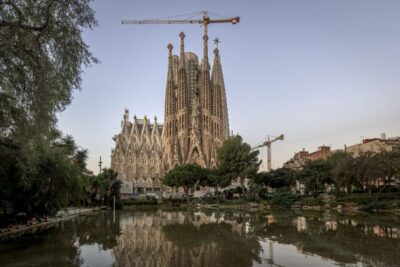
Sagrada Familia Entry Ticket with Audio Guide
Read our review →