
Review · COOKING CLASSES
Spanish Cooking Experience in Mallorca
Come hungry, leave with recipes. This Palma cooking class turns a restored 16th-century flour windmill into a warm, hands-on kitchen where you prepare five Spanish dishes, then sit down to share the meal. I like the unusual setting, and I like the relaxed teaching style praised by guests who worked with Laura, Vivian, Ricardo, Carlota, and other members of the cooking team. The main consideration is the price: at $157.21 per person, this is not a cheap meal, though the food, open bar, instruction, and roughly four-hour social evening help explain the cost.
I also like that the class welcomes beginners and makes room for dietary changes when you explain them at booking. You will prepare local sobrasada, tortilla, paella, and crema catalana rather than simply watch a chef work. Parking near the windmill can be difficult, so allow extra time if you are driving and consider public transportation instead.
In This Review
- Key points at a glance
- Entering Palma’s old flour windmill
- The first welcome: snacks, drinks, and introductions
- Preparing sobrasada, a Mallorcan beginning
- Making the authentic Spanish tortilla
- Building a mixed paella with meat and fish
- Finishing with Catalan cream
- Sitting down at the long table
- What the $157.21 price really buys
- Who will enjoy this Palma cooking class?
- Should you book the Spanish Cooking Experience in Mallorca?
- FAQ
- Where does the Spanish cooking experience take place?
- How long does the cooking class last?
- What food will I prepare?
- Are drinks included?
- Is the paella vegetarian?
- Can the menu accommodate vegan or lactose-free diets?
- What is the minimum age?
- Is transportation included?
- Can I cancel for a full refund?
Key points at a glance
- A 16th-century windmill kitchen: Cook inside a carefully restored historic building in Palma’s Ponent district.
- Five dishes from across Spain: The menu includes sobrasada, Spanish tortilla, mixed paella, and Catalan cream, plus a welcome snack.
- A true hands-on class: You help prepare the dishes instead of sitting back for a demonstration.
- Open bar included: Bottled water and unlimited drinks are part of the price.
- Friendly, practical instruction: Guides such as Laura, Vivian, Ricardo, Carlota, and Vanessa focus on teamwork and confidence.
- Recipes to use at home: The class is designed to leave you with simple dishes and cooking tips you can repeat.
Entering Palma’s old flour windmill
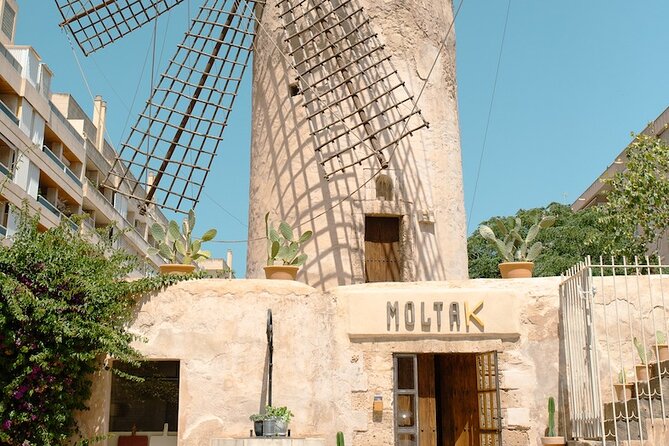
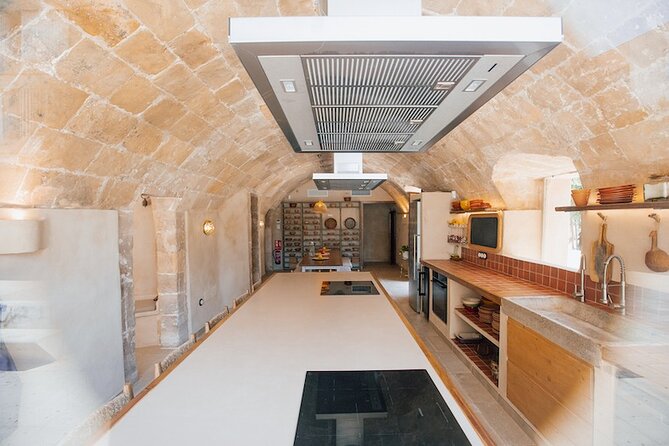
The setting gives this class its first dose of character. The cooking takes place at Carrer de la Indústria, 9, in Palma’s Ponent district, inside a flour windmill dating from the 16th century. The building has been restored as a modern kitchen while keeping its old-world shape, including arched windows and doorways.
That mix matters. A standard cooking school can feel like a classroom, but a windmill gives the evening a stronger sense of place. You are not just learning Spanish food in a generic commercial kitchen. You are cooking in a building tied to the island’s working past, then gathering around a large dining table for the meal.
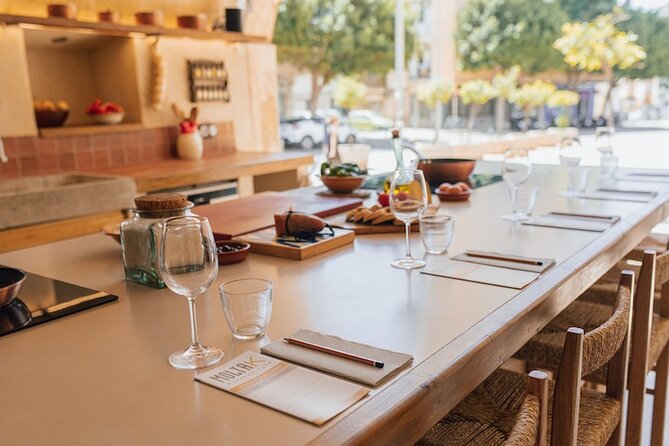
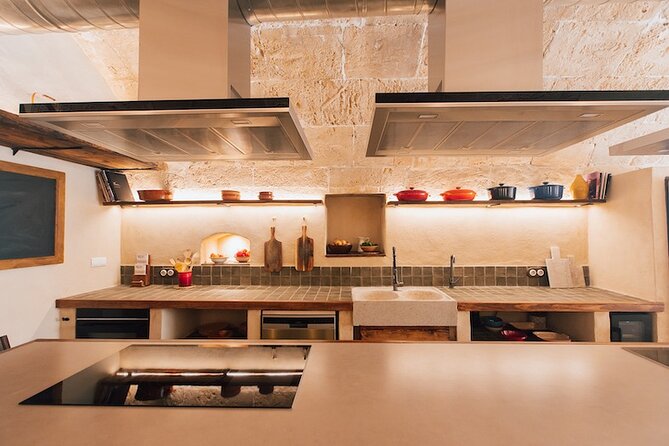
The kitchen itself is fitted for group work, with a large central island and a dining table set for the final feast. That layout supports the class’s main idea: everyone contributes. You might chop, stir, prepare seafood, work on dessert, or help with the tortilla before moving to another task.
If you drive, plan carefully. One class attendee needed about 30 minutes to find parking and walk to the venue. The provider sends information about nearby parking after booking, but I would still avoid arriving at the last minute. Palma has public transportation nearby, and arriving early is especially useful when your evening begins with cooking rather than a formal check-in.
More cooking classes:
- Palma de Mallorca: Spanish Cooking Experience
★ 5.0 · 288 reviews - Palma: Mediterranean Cooking Class with Drinks
★ 4.8 · 240 reviews - Barcelona: Paella Cooking Experience & Boqueria Market Tour
★ 4.8 · 3,661 reviews
The first welcome: snacks, drinks, and introductions
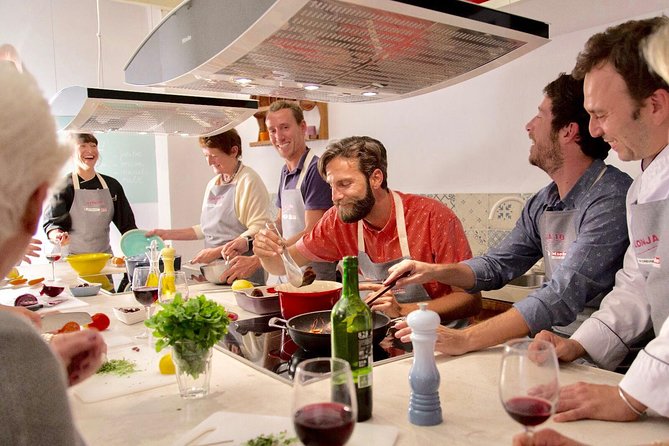
The class begins with a welcome snack and drinks from the open bar. Bottled water is included, and unlimited drinks are available throughout the activity. Several class accounts describe wine, tapas, and small bites helping everyone relax before the chopping boards became busy.
This opening is more than a nice extra. Cooking with strangers can feel awkward for the first few minutes, especially if you are a solo visitor or the group includes several languages. A drink and a few shared snacks get people talking before the work starts.
The class is also suitable for families with older children. The minimum age is six, and a parent described the instructor helping a 13-year-old build confidence in the kitchen. Teenagers may enjoy it more than a museum visit, since they get a real role and then eat the results.
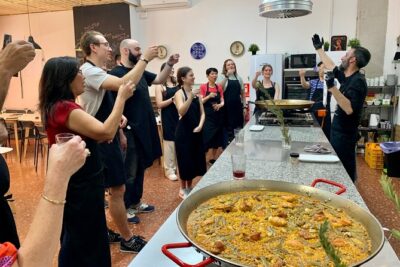
The social side is one of the strongest parts of the format. Guides are repeatedly praised for drawing everyone into the process, encouraging less confident cooks, and keeping the mood light. Ricardo is described as charismatic and generous with cooking tips. Vivian is praised for making people feel welcome and helping younger cooks participate. Carlota receives similar praise for her humor, clear explanations, and ability to include the whole group.
Guide assignments can vary, so you should not book expecting one specific chef unless the provider confirms it. The named instructors include Vivan, Riccardo, María, Luís, Laura, Vivian, Carlota, Vanessa, and Roberto in the supplied information and class accounts.
Preparing sobrasada, a Mallorcan beginning
The first substantial taste is a local sobrasada suquet. Sobrasada is a soft, paprika-seasoned pork sausage closely associated with Mallorca. Here it appears as an appetizer, giving you an early taste of the island before the menu moves into broader Spanish cooking.
This course is not suitable for vegetarians or vegans. If your group includes someone who avoids meat, mention it when booking rather than waiting until the class begins. The menu can be adjusted in some cases, but advance notice is important.
The value here comes from context as much as from the food. A Mallorcan cooking class should offer something that belongs to the island, and sobrasada does that job better than a generic plate of Spanish cheese or standard tapas. You also get to see how a local ingredient fits into a shared meal instead of tasting it in isolation.
Making the authentic Spanish tortilla
Next comes the Spanish tortilla, a thick potato and egg dish that looks simple until you try to get the texture right. It is vegetarian but not vegan. The class presents it as a home-style staple, with the instructors sharing the small techniques associated with family kitchens.
This is one of the most useful dishes to learn because the ingredients are familiar and the method is repeatable. You do not need specialist equipment or rare products to make it at home. The challenge lies in timing, handling the potatoes and eggs, and getting the finished tortilla to hold together.
The teaching style appears designed for confidence rather than perfection. You work as part of a team, and the guides explain what to do while keeping the pace approachable. That makes the class a good fit for a beginner, but experienced home cooks should not dismiss it. One experienced cook said the class still provided new ideas and useful tips.
A few more Spain trips worth a look
- Palma: Cathedral of Mallorca Skip-the-Line Entry Ticket
★ 4.6 · 14,386 reviews - Palma de Mallorca: 5-Hour Catamaran Cruise with Lunch & Swim
★ 4.5 · 9,957 reviews - Porto Cristo: Caves of Hams Entry Ticket
★ 4.2 · 6,548 reviews - Palma de Mallorca: City Sightseeing Hop-On Hop-Off Bus Tour
★ 4.1 · 4,450 reviews
Building a mixed paella with meat and fish
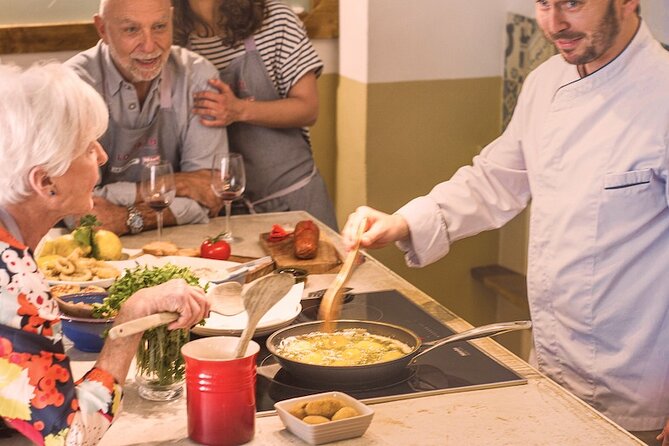
Paella is the main event. The traditional version served here includes both meat and fish, making it a mixed paella rather than a seafood-only or vegetarian dish. The preparation can include mussels, squid, and monkfish, along with the other ingredients needed for the finished dish.
This part gives the class its biggest cooking lesson. Paella is often treated as a restaurant spectacle, but preparing it with a chef shows how the rice, stock, seafood, and meat come together. You learn by taking part, not by watching a large pan arrive at the table.
The menu can be adapted for vegetarians and pescatarians. That is helpful, though the wording makes clear that you should request the change in advance. The standard dish contains both meat and fish, so do not assume a last-minute substitution will be possible.
I would also keep expectations sensible. This is a social class with shared tasks, not an advanced professional course in every technical detail of paella. You will learn the method, pick up practical tips, and eat a generous dish with the group. If your goal is a highly technical lesson focused only on rice, you may want a specialist workshop instead.
For most people, the paella is the part that makes the evening feel distinctly Spanish. It is also the dish most likely to reward repetition at home, especially because recipes are provided for you to take away.
Finishing with Catalan cream
Dessert is crema catalana, a custard-based sweet with a caramelized top. It contains lactose in its standard form, but the recipe can be adapted with plant-based milk for vegans or people with lactose intolerance.
Preparing dessert early is part of the rhythm. One account describes making the dessert first and placing it in the refrigerator while the group moved on to the tortilla and paella. That is a sensible cooking lesson in itself: some dishes need time to cool or set, so good meal planning matters.
The dessert also rounds out the menu nicely. You move from a strongly Mallorcan pork appetizer to a Spanish tortilla, a mixed paella, and a Catalan sweet. The class presents food from different parts of Spain while bringing the menu back to Mallorca.
If you have strict dietary needs, be precise when you book. Vegetarian options are available, and the named adaptations cover vegetarian, pescatarian, vegan, and lactose-free needs. Still, the standard menu contains meat, fish, eggs, and dairy, so the details matter.
Sitting down at the long table
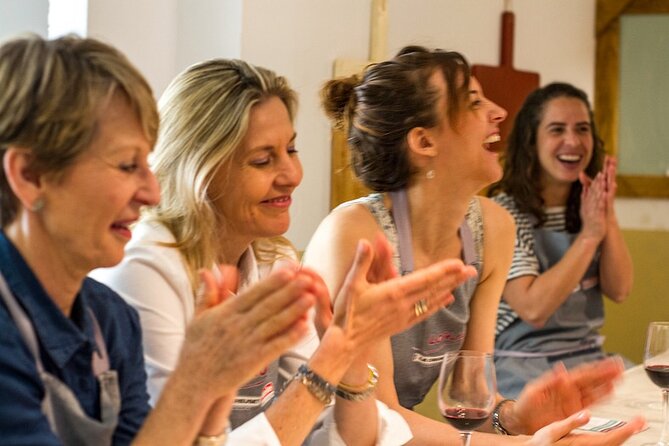
After the cooking, everyone sits together to eat. This is where the class changes from instruction to a Mediterranean-style social meal. You have spent the previous hours sharing tasks, so the final dinner feels connected to the work rather than simply served to you.
The open bar remains a practical advantage here. Wine and other drinks are included without a separate bill appearing at the end. Unlimited drinks can add real value, particularly for an evening activity, though responsible drinking is still wise when you have been cooking with hot pans and sharp knives.
The final meal is also the best chance to talk with the people in your group. The class has been described as suitable for couples, friends, solo visitors, families, and honeymooners. It works especially well if you enjoy meeting people through food rather than moving from one sight to another.
The social mood depends partly on the guide and partly on the group. The strongest accounts praise instructors who make everyone feel like one family, but no cooking class can guarantee a perfect mix of personalities. If you prefer a quiet, private dinner, this may feel more communal than you want.
The activity is listed as private, meaning only your group participates. At the same time, class accounts describe groups made up of different parties and people from several countries. If having only your own companions present is essential, confirm the exact arrangement before booking.
What the $157.21 price really buys
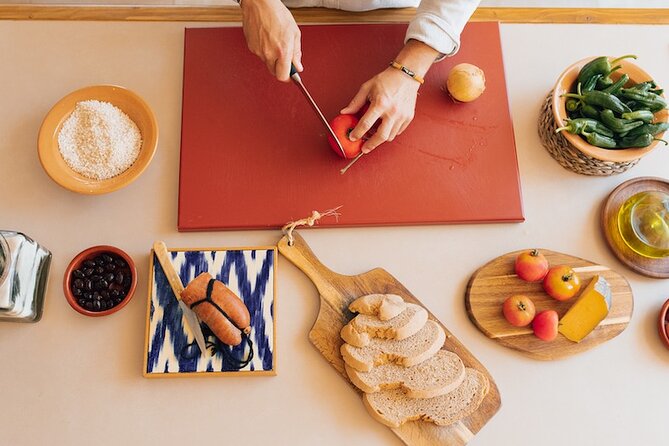
At $157.21 per person, this class asks you to pay for more than a meal. The fee covers food tasting, the full cooking session, unlimited drinks from the open bar, bottled water, a professional chef guide, and use of a distinctive restored building.
For value, compare it with three separate Palma activities: a paid dinner, a drinks outing, and a cooking lesson. The class combines all three, while adding recipes and the chance to prepare the food yourself. That makes the price easier to justify for people who want an evening activity, not just a restaurant reservation.
The value is strongest if you use what you learn afterward. Several people said they had already made the recipes at home, and the class provides recipe pamphlets and cooking tips. If you cook regularly, that take-home benefit may matter more than one extra restaurant meal.
The price is harder to justify if you do not drink, have little interest in cooking, or mainly want a quick tasting. You will spend about three hours, though some class accounts describe the full evening lasting closer to four hours. Allow extra time so you are not rushing to another booking.
The experience is booked an average of 41 days ahead. That suggests planning early, especially if your Mallorca dates are fixed. Free cancellation is available up to 24 hours before the start time, with local time used for the cutoff. Cancellations inside that period are not refunded, and changes are not accepted. The activity may also be canceled if the minimum number is not reached or if poor weather affects the operation, in which case you are offered another date or a full refund.
Who will enjoy this Palma cooking class?
I would recommend it most strongly to:
- First-time visitors to Mallorca who want local food and a cultural activity in one evening.
- Couples and honeymooners looking for something more memorable than another restaurant meal.
- Families with children aged six or older, especially teenagers who enjoy practical activities.
- Solo visitors who like meeting people around a shared task.
- Home cooks who want recipes they can repeat after returning home.
- Vegetarians and pescatarians, provided they request adaptations in advance.
It is less suited to anyone wanting a quiet, private meal, a short tasting, or a highly advanced cooking course. The atmosphere is active and social. You will likely be chopping, stirring, listening, tasting, and sharing space with the rest of the group.
The class is offered in English, and confirmation arrives at booking. Since transportation to and from attractions is not included, you make your own way to the windmill and back. Host tips are also not included.
Should you book the Spanish Cooking Experience in Mallorca?
Book it if you want to meet Palma through its food, enjoy a memorable setting, and take part rather than simply watch. The combination of a restored windmill, local sobrasada, tortilla, paella, Catalan cream, an open bar, and practical recipes gives the evening real substance.
I would especially choose it for a first Mallorca visit, a family celebration, or a honeymoon night when you want an activity that produces both dinner and a story. Just plan for the price, arrange dietary needs in advance, and give yourself plenty of time to reach the venue if you are driving.
For most visitors, this is a strong-value cultural evening. It is not the cheapest way to eat in Palma, but it offers much more than a plate of food. You leave with a full meal, new techniques, and a better sense of how Spanish cooking brings people together.
FAQ
Where does the Spanish cooking experience take place?
It takes place at Carrer de la Indústria, 9, Ponent, 07013 Palma, Illes Balears, Spain, inside a restored 16th-century flour windmill.
How long does the cooking class last?
The listed duration is approximately three hours. Some class accounts describe the full activity lasting around four hours, so allow extra time if you have evening plans afterward.
What food will I prepare?
The menu includes a welcome snack, local sobrasada suquet, Spanish tortilla, mixed paella, and Catalan cream.
Are drinks included?
Yes. Food tasting, bottled water, and unlimited drinks from an open bar are included.
Is the paella vegetarian?
The standard mixed paella includes both meat and fish. It can be adapted for vegetarians and pescatarians if you request this at booking.
Can the menu accommodate vegan or lactose-free diets?
Yes. The Catalan cream can be prepared with plant-based milk for vegan or lactose-free needs. Vegetarian options are available, and you should advise the provider of dietary requirements when booking.
What is the minimum age?
The minimum age is six years old.
Is transportation included?
No. Transportation to and from attractions is not included. You are responsible for reaching the meeting point and returning afterward.
Can I cancel for a full refund?
Yes, if you cancel at least 24 hours before the experience start time. Cancellations or changes made less than 24 hours in advance are not accepted for a refund.
Recently added around Mallorca
- VIP Private Segway Tour of Palma★ 5.0 · 165 reviews
- Guided Tasting Tour in 16th century House and Olive Oil Factory★ 5.0 · 169 reviews
- Mallorca Alcudia: Jack Sparrow Cave Jet Ski Tour★ 4.3 · 171 reviews
- Half day on a private sailboat in Mallorca (port d’andratx)★ 5.0 · 172 reviews
- Santa Ponsa: Try Scuba Diving in a Marine Reserve★ 4.9 · 172 reviews
- Mallorca Sailing Adventure with Snorkeling, Snacks & Drinks★ 5.0 · 176 reviews
- From Andratx: Formula Sunset Driving Tour★ 4.8 · 176 reviews
- Playa de Palma: Banana Boat Ride★ 4.3 · 177 reviews
Cooking Classes, compared.
Paella Cooking Experience & Boqueria Market Tour
Read our review →
Barcelona Paella Cooking Class with Market Visit, Tapas & Sangria
Read our review →
Barcelona Interactive Spanish Cooking Experience
Read our review →
Spanish Cooking Class Paella Tapas and Sangria in Madrid
Read our review →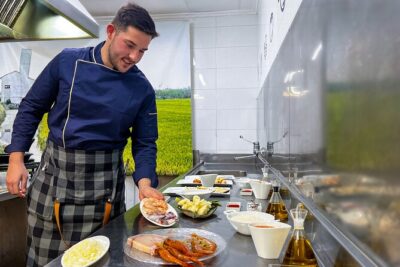
Paella Cooking Class, Wine Tasting & Central Market in Valencia
Read our review →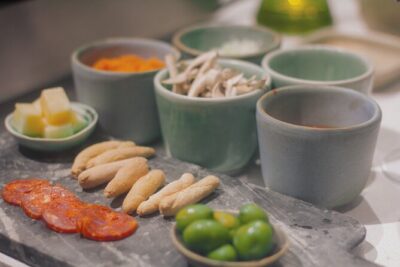
Paella Cooking Class in Madrid with Bottomless Wine Pairing
Read our review →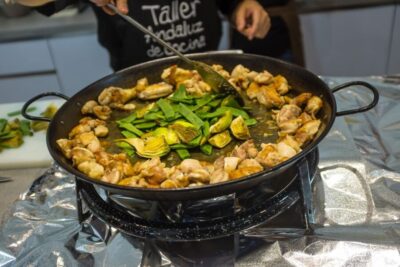
Valencian paella cooking class, tapas and visit to Ruzafa market.
Read our review →Browse the lists this tour appears in