
Review · MALLORCA TOURS
Sóller: Jardines de Alfabia Entrance Ticket
Step into Mallorca’s layered past. The Alfabia complex pairs a 500-year-old Mallorcan house with cool, water-fed gardens in the Serra de Tramuntana, giving you a peaceful stop between Palma and Sóller. I like the mix of Arab, Gothic, Renaissance, Baroque, Rococo, Roman, and English touches, and I like that the visit stays flexible rather than tying you to a long guided schedule.
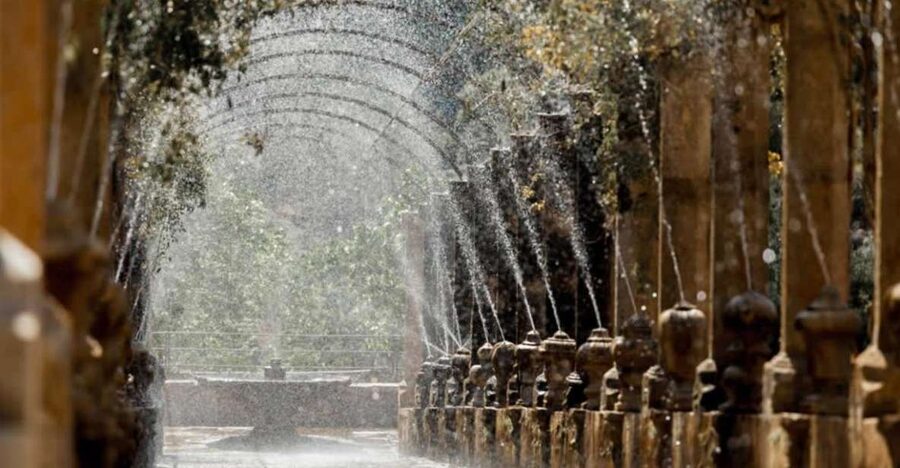
The gardens are the other big draw. A broad avenue lined with three lanes of plane trees leads toward a traditional patio with fountains, hydrangeas, and refreshing shade. The main caution is timing: in late autumn or winter, flowers may be limited, and some areas may look less carefully maintained.
In This Review
- Key things to know before you go
- Why Alfabia makes a good Mallorca stop
- The tree-lined approach to the traditional patio
- Arab-style gardens with fountains and hydrangeas
- Inside a house shaped by many eras
- A UNESCO mountain setting without a demanding outing
- How much time should you allow?
- Is $11 good value?
- Who will enjoy Alfabia most?
- Practical planning tips for the visit
- Should you book the Alfabia Gardens ticket?
- FAQ
- How much does admission to the Alfabia complex cost?
- How long is the ticket valid?
- When is the last entrance?
- Can I reach Alfabia by public transportation?
- Can I cancel my booking?
- Do I need to wear anything special during the visit?
Key things to know before you go
- A 500-year-old house: Alfabia lets you see a traditional Mallorcan home shaped by several centuries of change.
- Three lanes of plane trees: The entrance avenue creates one of the most memorable approaches to the complex.
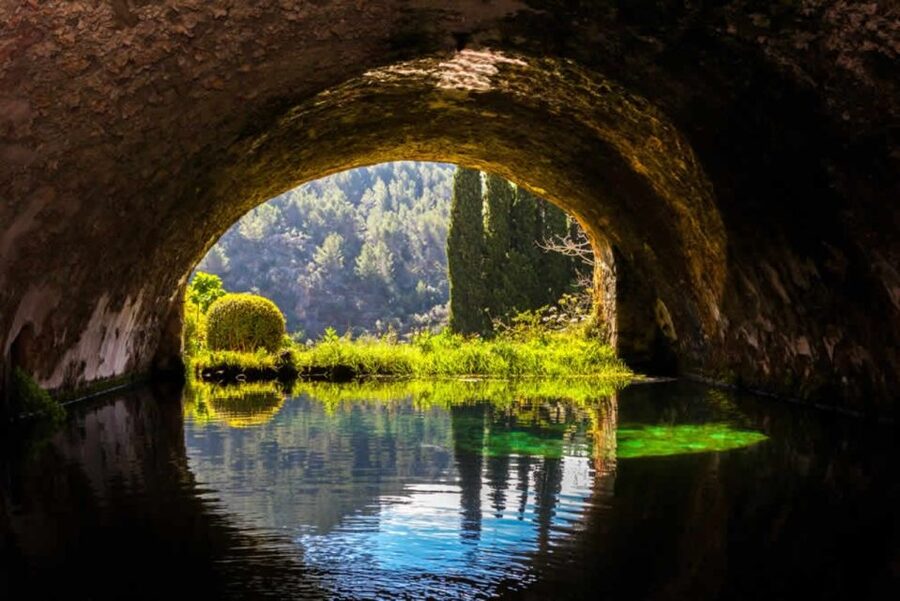
- Arab-style water gardens: Fountains, shade, and running water make this a welcome pause on a warm Mallorca day.
- Many decorative periods in one building: Roman-Andalusian roots sit alongside Arabic, Gothic, Renaissance, Baroque, Rococo, and English details.
- Easy transport from Palma and Sóller: You can reach the site by Palma’s Line 211 or by the Sóller Train.
- Strong overall value: At $11 per person, this is a reasonably priced cultural stop, especially if you already plan to visit the Sóller area.
Why Alfabia makes a good Mallorca stop
Alfabia is not just a garden with a grand house attached. The appeal comes from seeing how one property changed over time without losing its older character. You get a traditional Mallorcan setting, traces of Islamic and Roman influence, and later European decoration in the same visit.
That mixture is useful for understanding Mallorca. The island’s past was never one neat chapter. Different rulers, owners, and styles left their mark. At Alfabia, those layers are visible in the building rather than explained only in a museum display.
I also like the scale of the visit. You can spend a full day if you want a slow garden outing, but the ticket itself does not force you into a long program. There is no stated guided itinerary or fixed tour duration. You set your own pace, which works well for couples, families, photographers, and anyone building a flexible day around Sóller.
The complex sits in the Serra de Tramuntana, a UNESCO World Heritage Site. That setting adds weight to the visit, but you should not think of Alfabia as a mountain hike. The main pleasure is the contrast between the rugged mountain surroundings and the cultivated gardens inside the property.
A few more Spain trips worth a look
- Palma: Cathedral of Mallorca Skip-the-Line Entry Ticket
★ 4.6 · 14,386 reviews - Palma de Mallorca: 5-Hour Catamaran Cruise with Lunch & Swim
★ 4.5 · 9,957 reviews - Porto Cristo: Caves of Hams Entry Ticket
★ 4.2 · 6,548 reviews
The tree-lined approach to the traditional patio
The approach is one of the strongest parts of the visit. A wide avenue made up of three lanes of large plane trees guides you toward the traditional Mallorcan patio. The trees provide shade and structure, turning the walk to the house into part of the experience rather than a simple route from gate to building.
This is a good place to slow down. Look up at the canopy, then back toward the path and the older stonework. The avenue gives Alfabia a sense of arrival without needing grand modern presentation.
The patio brings you closer to everyday Mallorcan architecture. Instead of seeing only formal rooms and decorative objects, you get a more grounded impression of how a traditional house relates to courtyards, water, shade, and outdoor living.
If you are visiting in summer, this shaded approach may be especially welcome. In February, the gardens can still be attractive even without a full display of flowers. For the most colorful visit, early spring is likely the better choice, once more plants begin to bloom. That is a practical seasonal point, not a guarantee, since garden conditions change from year to year.
Arab-style gardens with fountains and hydrangeas
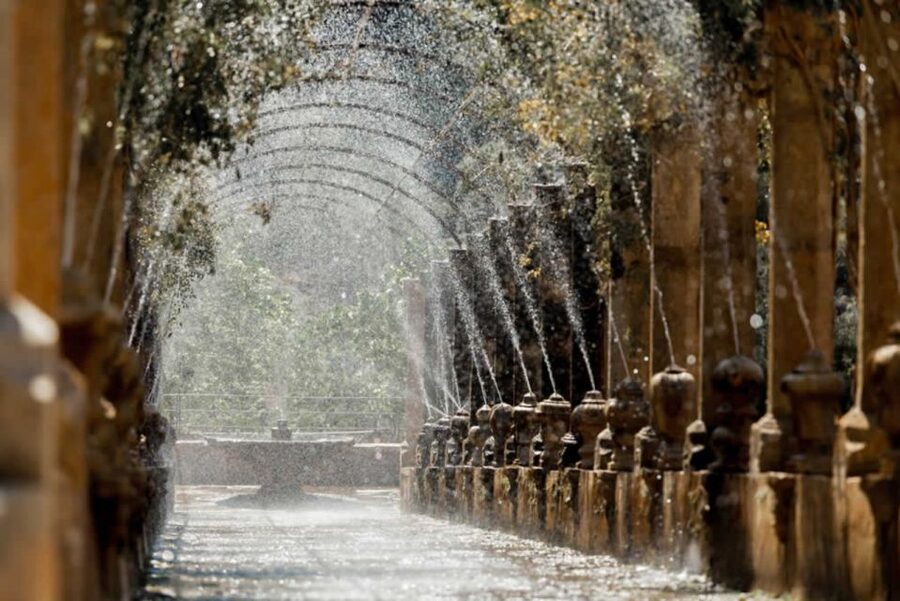
The garden design has a clear Arab influence, especially in its use of water and shade. Fountains and water features help create a cooler, calmer atmosphere than you might expect from Mallorca’s bright climate.
You will also see the influence of English garden design. That combination is part of what makes Alfabia more interesting than a single-period garden. The formal avenue, the traditional patio, the water features, and the planted areas do not all speak the same design language.
Hydrangeas add a softer note, while the larger trees give the grounds their structure. The garden is best approached as a place for a relaxed walk rather than as a botanical collection with labels and rare specimens at every turn.
Maintenance can vary. One visit in October was considered clean and pleasant, with a fresh orange juice made from local oranges adding to the outing. Another visit at roughly the same time found some trees in poor health, less flower color, and an exhibition that felt disjointed. You should keep your expectations realistic: Alfabia’s appeal is the total setting, not perfect flower beds in every season.
Inside a house shaped by many eras
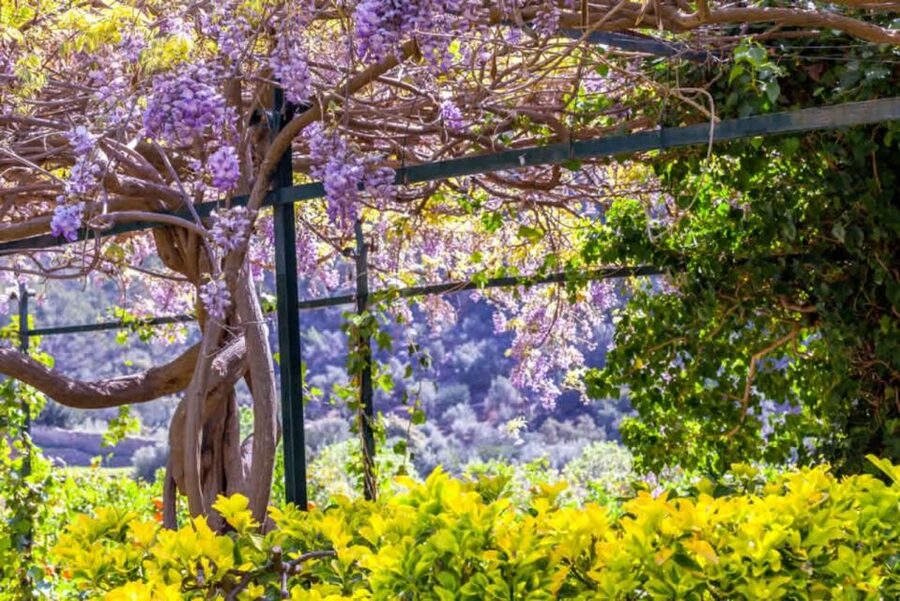
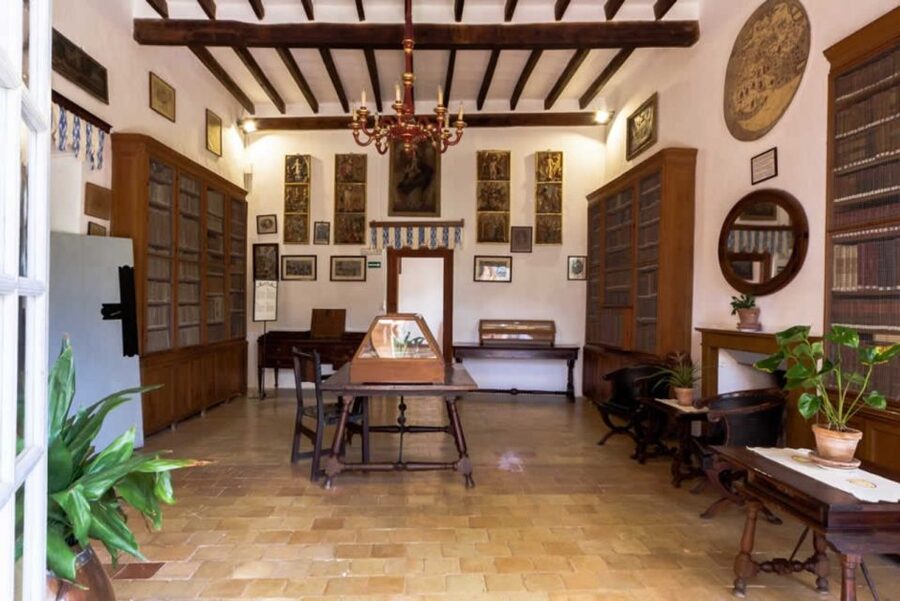
The house is where the visit gains its historical depth. Its roots are described as Roman-Andalusian, but the decoration reflects much more than one period. You may find Arabic, Gothic, Renaissance, Baroque, Roman, Rococo, and English elements appearing across the rooms and details.
That sounds like a long list, but the important point is simple: Alfabia changed over time. It was not frozen as a single example of medieval Mallorca. Later additions and decorative choices became part of the building’s story.
I value this kind of historic house because it shows preservation as an ongoing process. The goal is not to strip away every later change and return the building to one supposedly pure moment. Instead, the complex presents its past and its later adaptations together.
You should expect charming corners and a traditional atmosphere rather than a polished palace filled with elaborate interpretation. The information provided does not specify a room-by-room tour, named guide, or audio guide, so plan on exploring at your own speed and paying attention to the building itself.
For visitors interested in architecture, Alfabia may be the most rewarding part of the ticket. For someone mainly seeking flowers, the house may feel like a bonus. Your priorities will shape how much value you get from the visit.
A completely different kind of day out in Mallorca:
- Palma de Mallorca: City Sightseeing Hop-On Hop-Off Bus Tour
★ 4.1 · 4,450 reviews - Mallorca: Island Tour with Boat, Tram & Train from the South
★ 4.4 · 3,888 reviews - Palma: Catamaran Cruise with Swimming and Snorkelling
★ 4.3 · 2,859 reviews - Mallorca: Caves of Drach Day Trip & Optional Caves of Hams
★ 4.3 · 2,720 reviews
A UNESCO mountain setting without a demanding outing
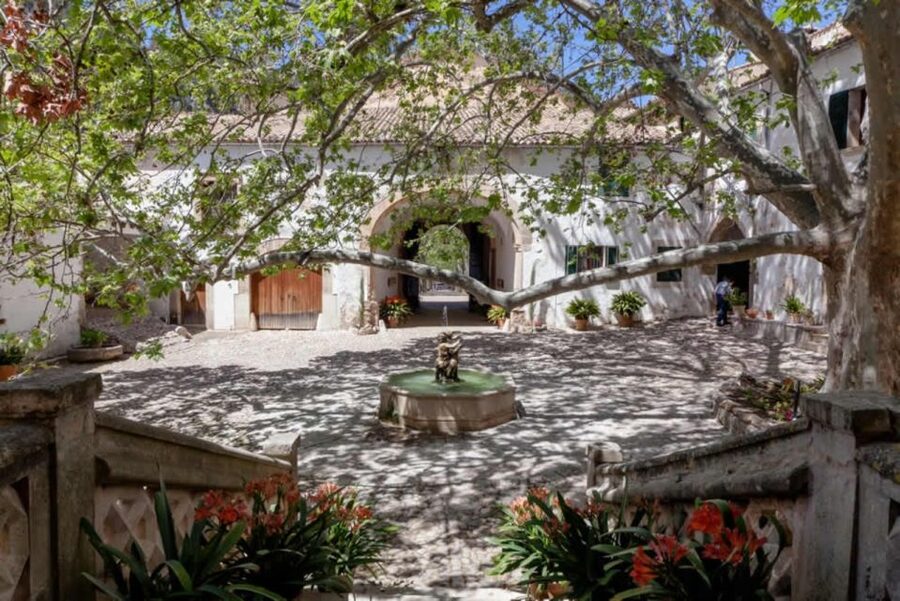
The Serra de Tramuntana gives Alfabia a strong sense of place. You are not visiting an isolated indoor collection. The house and gardens sit within one of Mallorca’s most important protected mountain regions.
That setting matters because the property’s design responds to climate and surroundings. Shade, water, courtyards, and planted avenues are not random decoration. They make sense in a Mediterranean environment where relief from heat has always mattered.
I would pair Alfabia with a day in Sóller or with the historic Sóller Train if the schedule works. The train provides a memorable way to reach the area, though you will need to check current departure times before setting out. From Palma, Line 211 is another stated public transport option.
The transportation details are important because the ticket covers entrance only. It does not include transport, food, drinks, or a guided tour. If you are already going to Sóller, the $11 admission is easy to justify. If you are making a special trip only for the gardens, check the transport timetable and opening details first so the outing fits your day.
How much time should you allow?
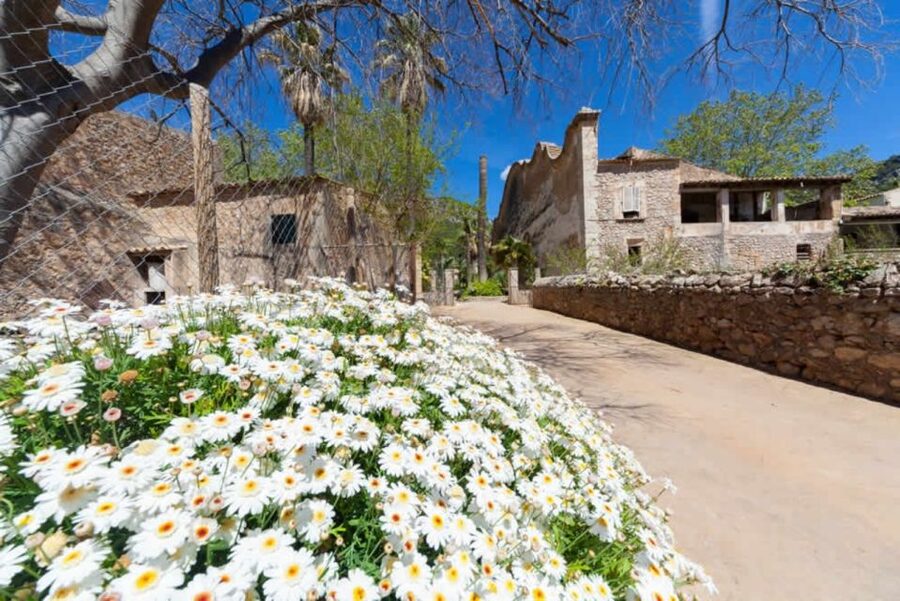
The ticket is valid for one day, and the stated duration is also one day. That does not mean you need to spend all day at the property. It means you have room to visit without rushing through the house and gardens.
I would allow enough time to walk the tree-lined avenue, see the patio and fountains, explore the house, and return to any garden areas you want to enjoy again. The exact time depends on how closely you study the architecture and how much you value sitting quietly in the grounds.
The last entrance is one hour before closing. Since the actual closing time is not given here, do not plan to arrive near the end of the day without checking the current schedule. A late arrival could leave you with too little time for both the house and gardens.
A morning or early afternoon visit may work best if you want to combine Alfabia with other Sóller-area plans. In hot weather, the shaded areas and water features may make the garden more comfortable earlier or later in the day, though exact conditions vary.
Is $11 good value?
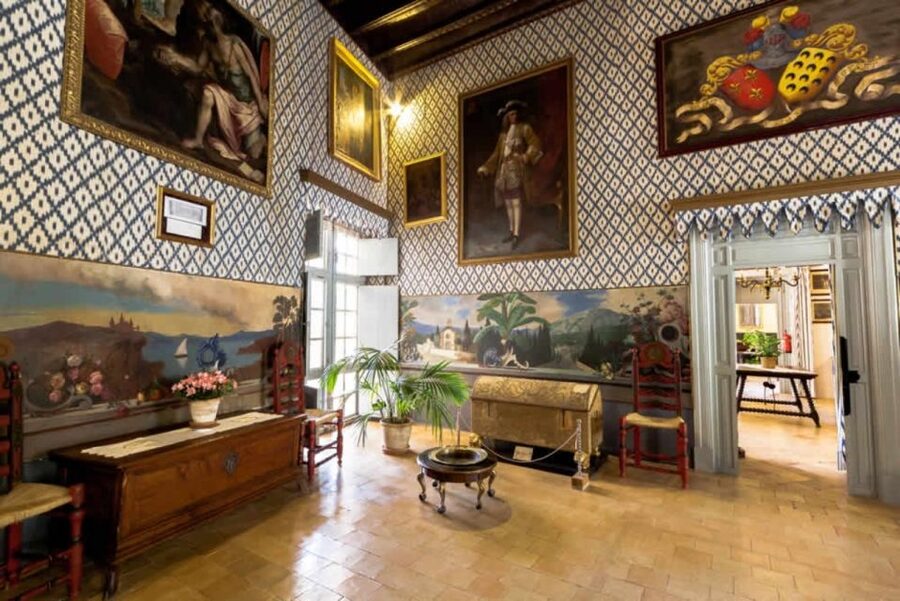
At $11 per person, Alfabia is fairly priced for a historic house and garden complex in a UNESCO-listed mountain region. The ticket includes entrance fees, and the one-day validity gives you flexibility.
The value is strongest if you enjoy a combination of architecture, garden design, and local history. You are paying for more than a stroll through planted grounds. The house carries centuries of changes, and the gardens show a blend of Arab-style and English influences.
The value is less certain if your only goal is a highly maintained flower garden. Seasonal conditions matter, and some areas may look tired at times. February can still be charming, but early spring should offer a better chance of fresh growth and flowers. In autumn, the gardens may be pleasant and clean, yet not every planting area will be at its best.
A fresh orange juice made from local oranges may be available during the visit, but it is not included in the admission price. Consider it a possible local treat rather than part of the ticket.
Who will enjoy Alfabia most?
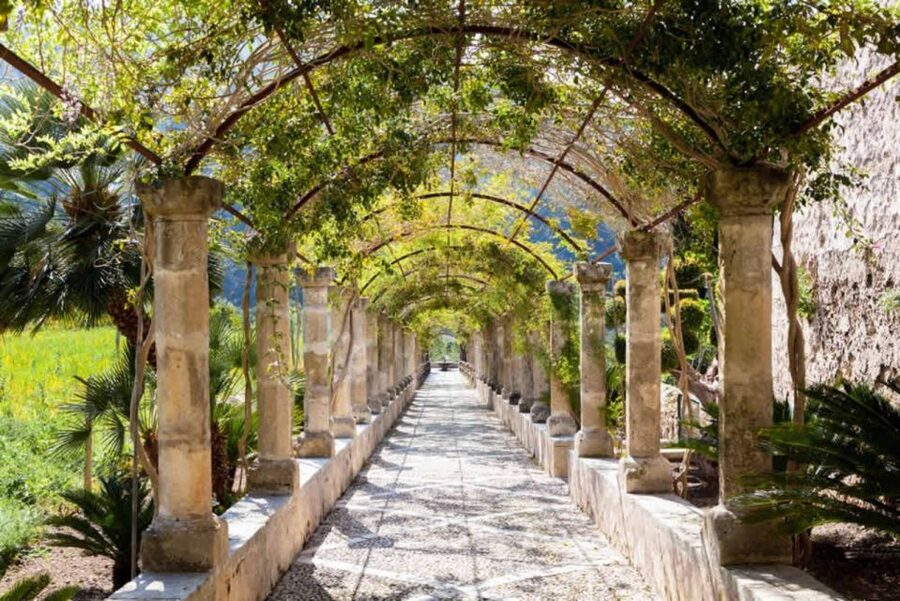
I would recommend Alfabia to you if you like historic buildings that show change rather than one perfectly preserved style. The house rewards curiosity, especially if you enjoy spotting different architectural and decorative periods.
It also suits you if you want a calm outdoor stop after busier Mallorca sightseeing. The fountains, plane trees, patio, and shaded garden paths create a slower rhythm.
Families may appreciate the open-air setting, although the available information does not provide details about accessibility, child facilities, or stroller access. Couples and photographers should find plenty of appealing details in the avenue, water features, and old house.
This may not be your best choice if you want a large botanical garden, a formal lecture, or a tightly organized guided tour. The visit appears to work best when you explore independently and accept that the garden’s condition may depend on the season.
Practical planning tips for the visit
Book only after checking the date and transport connection that suit you. You can cancel up to 24 hours before the visit for a full refund, and the reserve-now, pay-later option allows you to keep plans flexible.
Line 211 from Palma can take you to the area by public transport. The Sóller Train is another possibility, with current departure times available through the train service. Neither transport option is included in the $11 admission.
You will be asked to wear an identification bracelet during the visit. It is a small detail, but knowing in advance prevents confusion at the entrance.
Plan around the garden season. February can still bring a beautiful, quiet setting, while early spring may offer more flowers. October can be pleasant for a clean, peaceful walk and perhaps a local orange juice, but the condition of individual trees and plantings can vary.
Most of all, leave time to look up and around. The best details are not limited to the main rooms. The approach, patio, water, tree canopy, and mountain setting are all part of the visit.
Should you book the Alfabia Gardens ticket?
Book it if you want a low-cost cultural stop that combines a historic Mallorcan house, Arab-style gardens, and the scenery of the Serra de Tramuntana. At $11, it offers good value for a flexible self-guided visit, especially when added to a Sóller day.
I would choose early spring if flowers matter most. I would still consider February or autumn if you care more about quiet paths, architecture, shade, and atmosphere. Skip it only if you need a flawless garden display or a guided tour with detailed commentary. For most visitors with an interest in Mallorca’s layered past, Alfabia is a worthwhile and manageable addition to the island’s mountain route.
FAQ
How much does admission to the Alfabia complex cost?
Admission costs $11 per person. The price includes entrance fees.
How long is the ticket valid?
The ticket is valid for one day. You should check the available starting times when booking.
When is the last entrance?
The last entrance is 60 minutes before the complex closes. The exact closing time is not provided, so check the current schedule before you go.
Can I reach Alfabia by public transportation?
Yes. You can reach the location from Palma using Line 211. You can also use the Sóller Train, with departure times available from the relevant transport services.
Can I cancel my booking?
You can cancel up to 24 hours in advance for a full refund.
Do I need to wear anything special during the visit?
Customers are asked to wear an identification bracelet during the visit.
Recently added around Mallorca
- VIP Private Segway Tour of Palma★ 5.0 · 165 reviews
- Guided Tasting Tour in 16th century House and Olive Oil Factory★ 5.0 · 169 reviews
- Mallorca Alcudia: Jack Sparrow Cave Jet Ski Tour★ 4.3 · 171 reviews
- Half day on a private sailboat in Mallorca (port d’andratx)★ 5.0 · 172 reviews
- Santa Ponsa: Try Scuba Diving in a Marine Reserve★ 4.9 · 172 reviews
- Mallorca Sailing Adventure with Snorkeling, Snacks & Drinks★ 5.0 · 176 reviews
- From Andratx: Formula Sunset Driving Tour★ 4.8 · 176 reviews
- Playa de Palma: Banana Boat Ride★ 4.3 · 177 reviews
Mallorca Tours, compared.
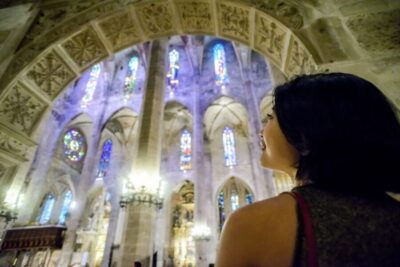
Cathedral of Mallorca Skip-the-Line Entry Ticket
Read our review →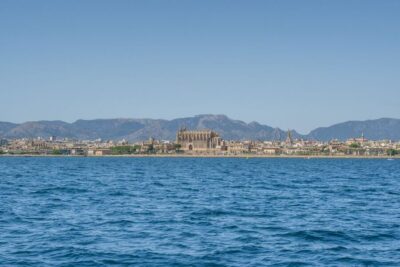
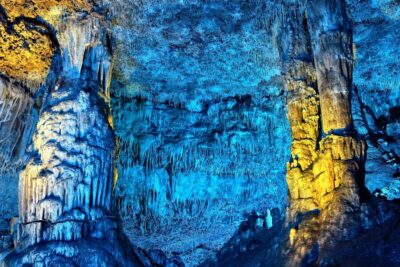
Island Tour with Boat, Tram & Train from the South
Read our review →
Catamaran Cruise with Swimming and Snorkelling
Read our review →
Caves of Drach Day Trip & Optional Caves of Hams
Read our review →
Quad Bike Tour, Snorkeling, and Cliff Jumping
Read our review →Browse the lists this tour appears in