
Review · FLAMENCO SHOWS
Seville: Museum of Flamenco Dance Admission Ticket
Flamenco begins before the dancers take the stage. Seville’s Flamenco Dance Museum gives you a compact look at the music, costumes, art, and dance styles tied to Andalusia’s best-known cultural tradition. I like its central Old Town location, just five minutes from the Cathedral and Giralda, and I like the way interactive screens make the subject more approachable than a row of silent displays. The main caution is simple: this is a museum ticket, not a flamenco show.
For $7, you get a useful introduction, especially if you want context before seeing a performance elsewhere in Seville. I would allow about an hour, though you can spend longer with the listening material and exhibits if the subject grabs you. If you already know flamenco well, the museum may feel brief and selective rather than fully satisfying.
In This Review
- Key points to know before you go
- Starting in Seville’s Old Town
- Cristina Hoyos and the museum’s purpose
- Six flamenco styles to listen for
- Costumes, props, and changing stage style
- Interactive screens and the one-hour visit
- What the $7 ticket really buys you
- Who will enjoy this museum most
- Planning your visit around the schedule
- My verdict on Seville’s Flamenco Dance Museum
- FAQ
- Where is the Flamenco Dance Museum located?
- How far is the museum from Seville Cathedral and the Giralda?
- How long does the museum visit take?
- What are the museum’s opening hours?
- Is a flamenco show included with the museum ticket?
- How much does admission cost?
- Can I cancel the booking?
- Is the museum wheelchair accessible?
Key points to know before you go
- Five minutes from Seville Cathedral: The museum sits in the Old Town at Calle Manuel Rojas Marcos, 3, making it easy to pair with the Cathedral and Giralda.
- Founded by Cristina Hoyos: The museum has a direct connection to one of flamenco’s most famous dancers and choreographers.
- A $7 introduction to flamenco: The modest admission price works best for a short cultural stop, not as a replacement for a live performance.
- Styles covered: Look for Alegría, Soleá, Seguiríya, Taranto, Tangos, and Guajira.
- Historic costumes and interactive exhibits: Dresses, props, artwork, and screens show how flamenco changed over time.
- Museum hours are flexible: Visit at any time allowed by your ticket between 11:00 and 18:00, with a 16:00 opening on the first Monday of each month.
Starting in Seville’s Old Town
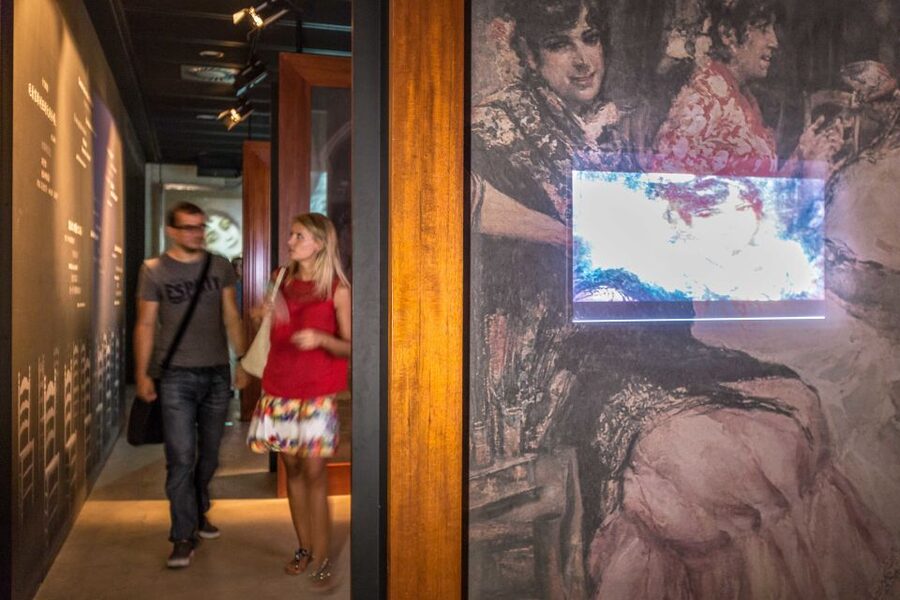
The museum’s address, Calle Manuel Rojas Marcos, 3, puts it in one of Seville’s most useful sightseeing zones. You can visit the Cathedral and Giralda first, then walk about five minutes to the museum. That makes this a practical add-on rather than a separate cross-town outing.
I like this location because flamenco belongs in the middle of Seville’s old streets, not in an isolated modern complex. You can build the museum into a morning or afternoon around the Cathedral, the Giralda, and nearby historic lanes. The short distance also helps if you are planning to see a flamenco performance later in the day.
You enter at the museum ticket office. The visit is self-guided from the information provided, so do not expect a tour leader to walk you through each display. That gives you freedom to move at your own speed, but it also means you need to bring your curiosity and take time with the interactive material.
The museum is wheelchair accessible, an important practical point for anyone planning a central Seville sightseeing day. The attraction does not require a long time commitment, so it can fit into an itinerary that already includes several major sights.
More Flamenco Shows in Seville
- Seville: Live Flamenco Dancing Show Ticket at the Theater
★ 4.7 · 16,396 reviews - Seville: Puro Flamenco Show with Optional Museum Ticket
★ 4.8 · 6,088 reviews - Seville: Live Flamenco Show at “Teatro Flamenco Triana”
★ 4.6 · 3,290 reviews
Cristina Hoyos and the museum’s purpose
The Flamenco Dance Museum was founded by Cristina Hoyos, one of the most famous dancers and choreographers in flamenco history. That connection gives the museum a clear purpose: it is not simply displaying pretty dresses. It presents flamenco as a serious art form with recognizable styles, changing traditions, and a strong place in Andalusian culture.
You will see flamenco presented as a living cultural practice that developed from popular folk art into a major cultural institution. The museum’s subject is dance, but the story also involves music, clothing, gesture, rhythm, and performance.
That broader view matters. A flamenco dress can look striking on its own, but the museum tries to show how clothing supports movement and stage presence. Props and artworks add another layer, helping you see flamenco as something expressed through several art forms rather than through footwork alone.
I would not expect a full academic study in one visit. The museum is designed as an accessible introduction, and its roughly one-hour length reflects that. You get the main ideas without committing half a day to specialist material.
Six flamenco styles to listen for
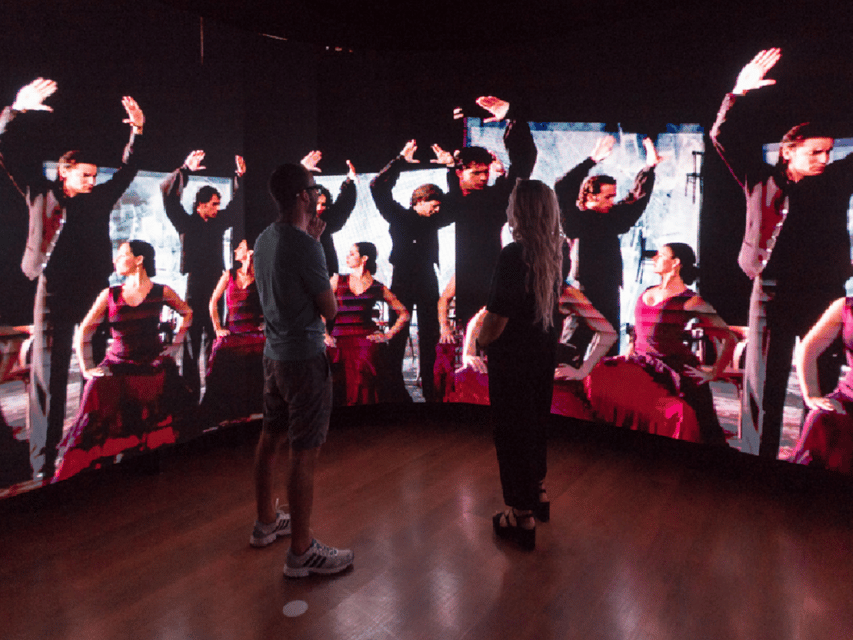
The exhibits introduce several flamenco styles: Alegría, Soleá, Seguiríya, Taranto, Tangos, and Guajira. Even if those names are new to you, seeing them grouped together gives you a useful map of flamenco’s range.
The value here is not that you will master the differences during one museum visit. Instead, you begin to understand that flamenco is not one fixed dance with one mood. Different styles carry their own character, rhythm, and performance traditions.
The museum’s interactive features are especially helpful for this part. Rather than reading only a timeline, you can connect names and styles with visual and listening material. A first-time visitor can use the displays to get a basic framework before attending a live show.
Room 3 deserves extra time if you want to listen closely. One visitor found that the visit was short but said you could stay longer with the listening material than expected, especially in that room. I would take that as a useful tip: do not rush simply because the suggested duration is one hour.
If you are only passing through quickly, you can still learn the names of the major styles and leave with a better sense of flamenco’s variety. If you have more interest, slow down and give the interactive content a proper hearing.
Costumes, props, and changing stage style
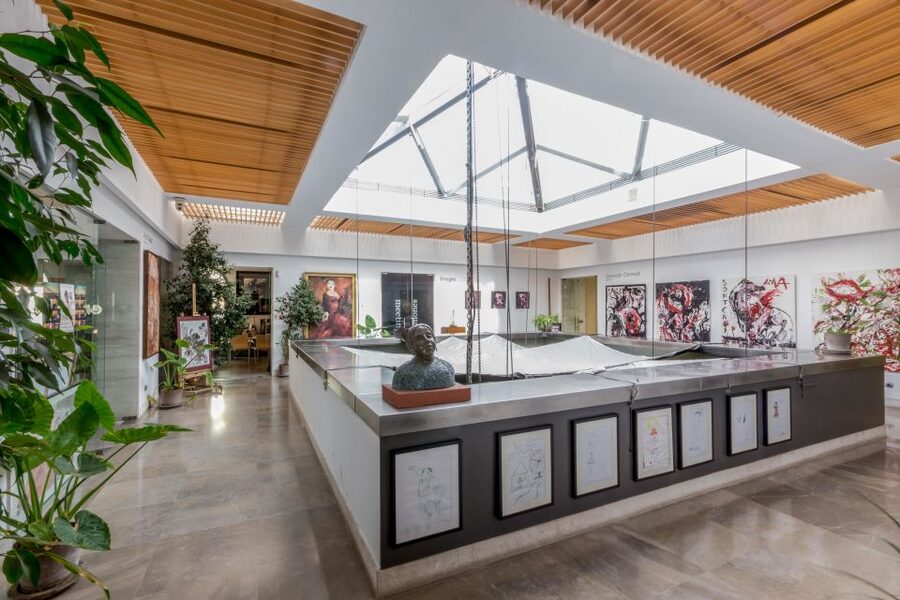
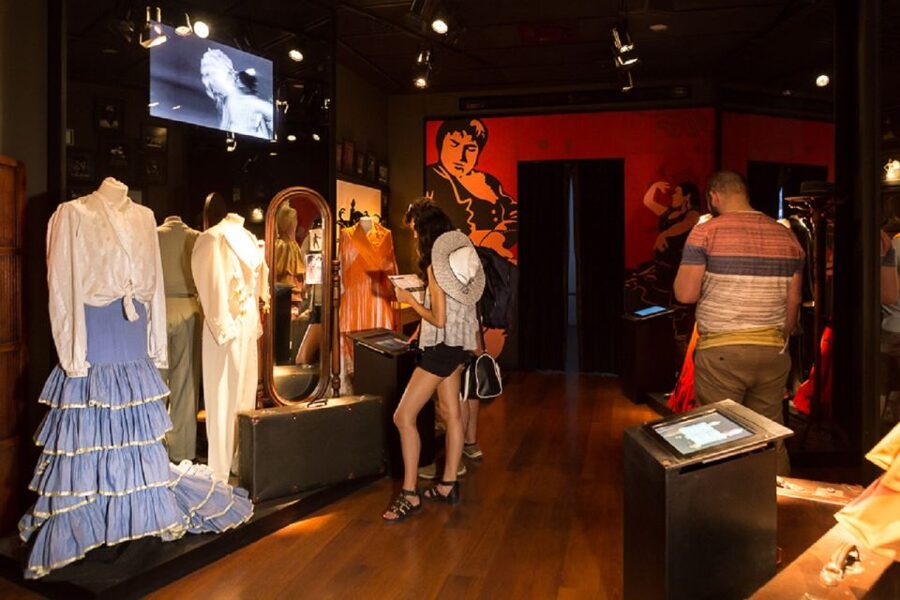
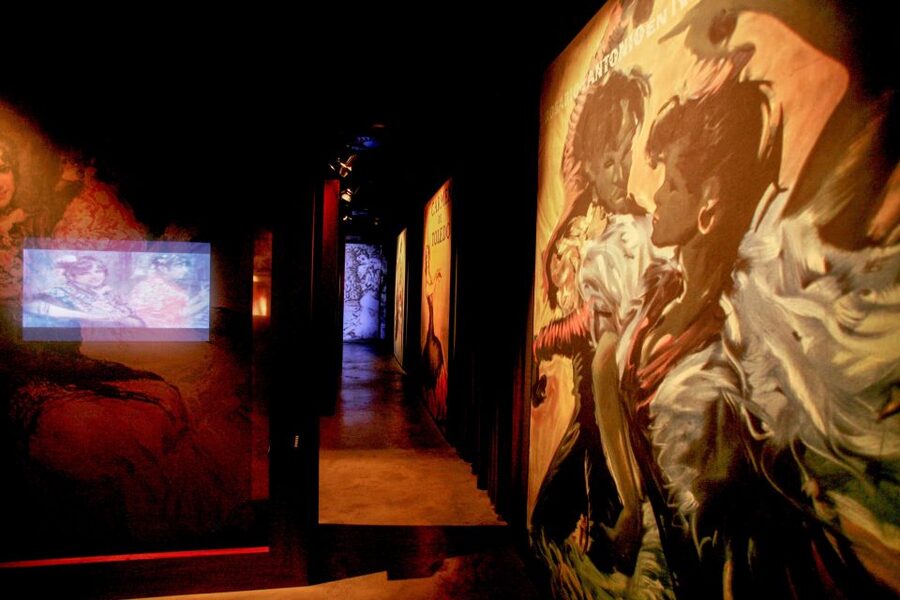
The museum includes dresses from different periods, along with props and works of art connected with flamenco. These displays offer some of the clearest visual evidence of change over time.
You can look closely at details in the clothing and consider how flamenco’s stage image developed. The dresses are not just decorative objects. They help explain the relationship between fabric, silhouette, movement, and performance.
For me, this is one of the best reasons to choose the museum over a quick online introduction. A screen can show you a dancer in motion, but a museum display lets you examine the clothing itself. You can see the details at your own pace and compare dresses from different eras.
The artwork widens the focus beyond performance costumes. It shows how flamenco has been represented and remembered through visual culture. The props add another practical element, pointing to the objects that help shape a performance.
Still, keep your expectations in check. The supplied information does not promise a vast collection or a large number of rooms, and the overall visit is meant to last about an hour. If you are hoping for an enormous museum with endless galleries, this will probably feel small.
More flamenco shows:
- Seville: Flamenco Show Ticket at Tablao Flamenco Las Setas
★ 4.8 · 2,214 reviews - Authentic Flamenco Show with Tapas & Wine Guided Tour
★ 5.0 · 1,476 reviews - Flamenco Show at Tablao El Arenal with Drink and Optional Dinner or Tapas
★ 4.5 · 1,415 reviews - Seville: Ticket to Flamenco Show at La Casa de la Guitarra
★ 4.5 · 1,321 reviews
Interactive screens and the one-hour visit

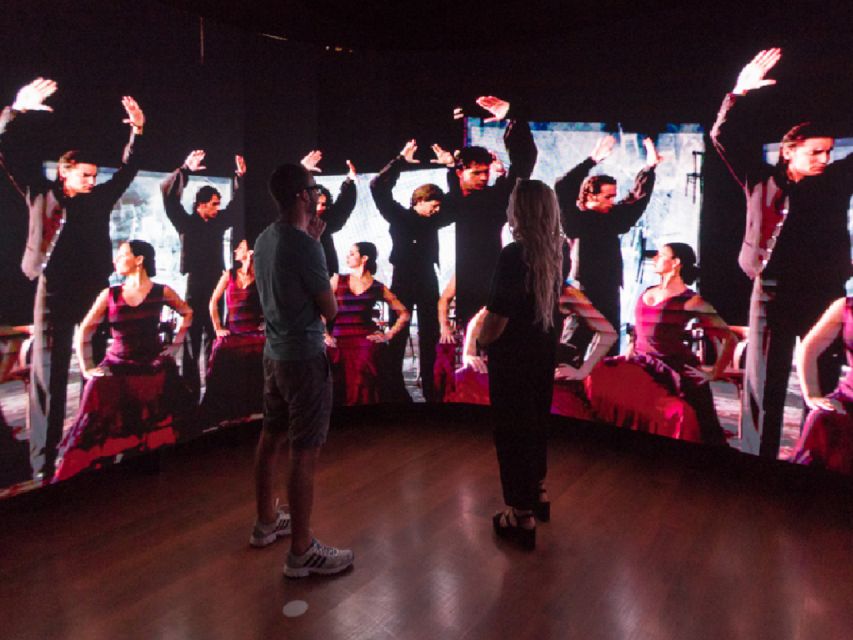
The museum’s interactive screens are important because they give the visit some movement and sound. Flamenco is difficult to explain through text alone. Rhythm and style are easier to grasp when you can connect written information with audio or visual examples.
I would plan your visit around one hour, then treat extra time as a bonus. The stated duration gives you enough room for a general visit, but the material rewards anyone willing to pause. You can move quickly through the basic displays or spend longer with the listening material and particular rooms.
This flexible format suits different kinds of days in Seville. You can stop in before lunch, fit it between nearby sights, or use it as a cultural break when you want something indoors. Because the museum is close to the Cathedral and Giralda, you do not need to build a complicated transport plan.
The lack of a fixed guided schedule is also useful. Visits can be made at any time during the period set by your ticket, from 11:00 to 18:00, with last entry at 18:00. On the first Monday of each month, the museum opens at 16:00 instead, so that exception deserves attention when you plan your day.
What the $7 ticket really buys you
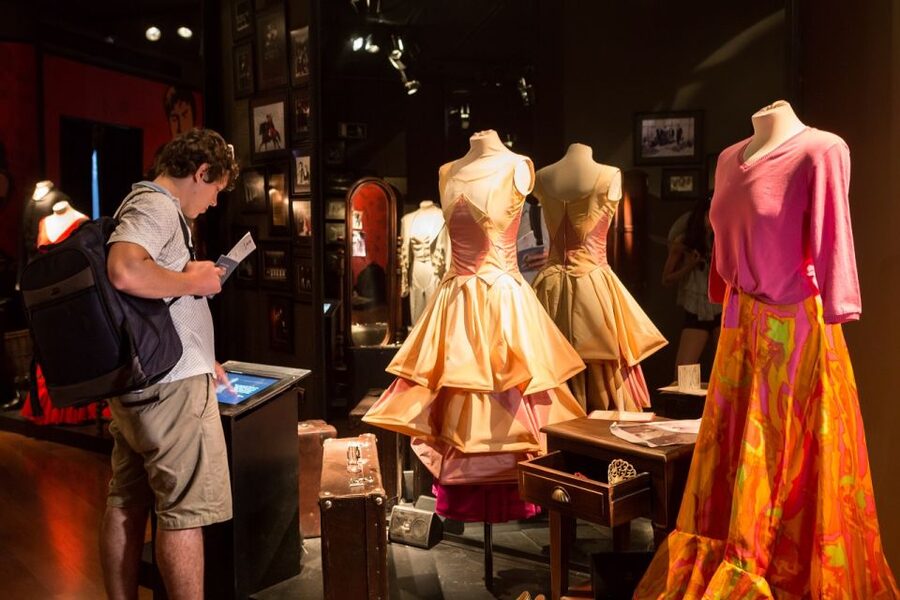
At $7 per person, this is a low-cost cultural stop. The price is easy to justify if you want a clear introduction to flamenco and already plan to be near the Cathedral. You are paying for access to costumes, artwork, props, interactive material, and an organized presentation of flamenco’s development.
The value drops if you expect live dancing. The flamenco museum show is not included. That distinction matters because the word flamenco can lead you to imagine music, dancers, and a stage. This ticket gives you background and exhibits only.
One recent rating put the experience at 4.4 out of 5 from 197 ratings, which fits the attraction’s likely appeal: strong for curious first-time visitors, less convincing for people who want a complete flamenco experience in one place. The comments also show a useful split in expectations. One visitor learned a lot and wanted to spend longer with the material, while another wished they had chosen the flamenco show instead.
I would see the museum as a companion to a performance, not a substitute. The museum explains styles and visual details. A live show lets you feel the timing, energy, and physical skill in real time. If your budget allows only one flamenco-related activity, think carefully about what you want most.
Choose the museum if you prefer context, displays, and a self-paced visit. Choose a show if your main goal is to watch dancers perform. If you can do both, the museum first may help you notice more when you later see flamenco on stage.
Who will enjoy this museum most
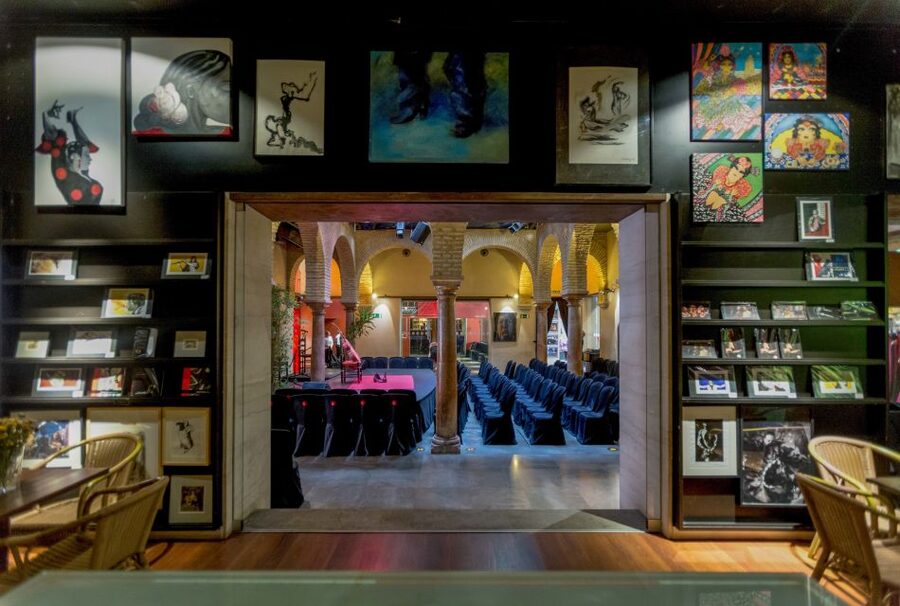
This experience suits a first-time Seville visitor who wants to understand a major part of Andalusian culture without spending several hours indoors. It also works well for anyone already visiting the Cathedral and Giralda, since the museum is only about five minutes away on foot.
Families and mixed-interest groups may appreciate the short visit and the interactive screens. Not everyone in a group needs to be a flamenco expert to get something from the costumes, art, and basic style guide.
It is also a good choice for visitors who like to learn before attending a performance. You can arrive at a show with a few style names in mind and a better idea of how flamenco developed.
I would be more cautious if you are already deeply familiar with flamenco or if you want a large, object-heavy museum. The experience may feel too brief and may not offer enough new material for a specialist. The strongest value comes from its clear introduction and central location.
Planning your visit around the schedule
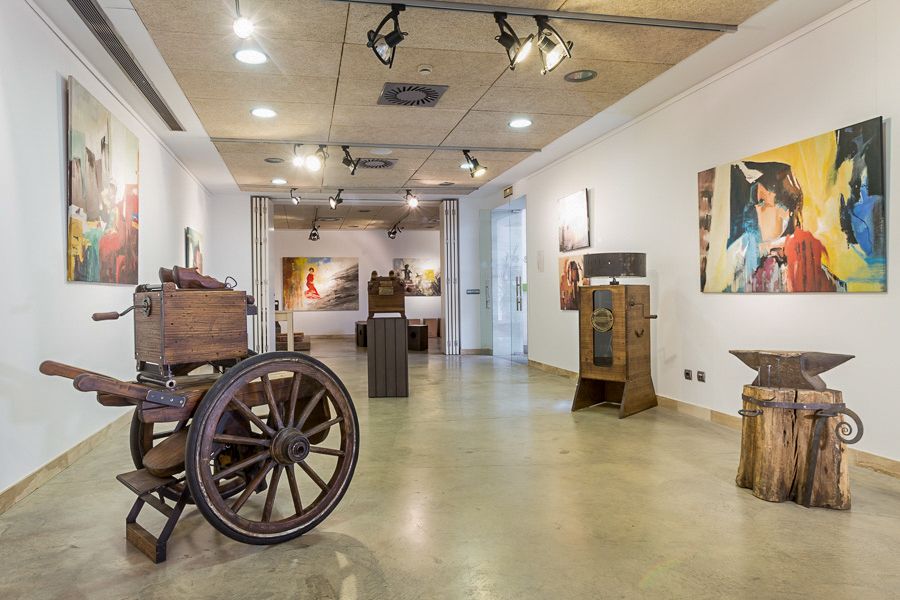
Your ticket allows a visit during the stated hours, from 11:00 to 18:00, with last entry at 18:00. The flexible entry window means you do not need to hurry to a single morning start time. Check the exact conditions attached to your ticket before setting your route.
The first Monday exception is easy to miss. On that day, the museum opens at 16:00 rather than 11:00. If you arrive earlier, you will need another plan, so place the museum later in the afternoon.
Because the visit is short, you can combine it with other central sights. A sensible plan is the Cathedral and Giralda, followed by the museum, or the museum before an evening flamenco performance. The supplied information does not include a show with this ticket, so book or arrange any performance separately.
The activity allows free cancellation up to 24 hours in advance for a full refund, and you can reserve now and pay later. Those terms are helpful if your Seville schedule is still moving around, though you should always check the conditions shown when you book.
My verdict on Seville’s Flamenco Dance Museum
Book this museum if you want an affordable, central, self-paced introduction to flamenco’s styles, costumes, artwork, and development. At $7, it offers solid value for about an hour, especially when paired with the Cathedral or a later live show.
Do not book it expecting dancers on stage. The museum show is not included, and the experience can feel limited if you are seeking performance rather than explanation. My practical advice is simple: first-time visitors and culture-minded sightseers should consider it, while serious flamenco fans may prefer to spend their money on the live performance and use the museum only if they want extra context.
FAQ
Where is the Flamenco Dance Museum located?
The museum is at Calle Manuel Rojas Marcos, 3, 41004 Sevilla, Spain, in Seville’s Old Town.
How far is the museum from Seville Cathedral and the Giralda?
The museum is about five minutes on foot from the Cathedral and the Giralda.
How long does the museum visit take?
The stated duration is one hour. You may stay longer with the exhibits and listening material.
What are the museum’s opening hours?
Visits take place between 11:00 and 18:00, with last entry at 18:00. On the first Monday of each month, the museum opens at 16:00.
Is a flamenco show included with the museum ticket?
No. The Flamenco Dance Museum show is not included.
How much does admission cost?
The admission price is $7 per person.
Can I cancel the booking?
Yes. You can cancel up to 24 hours in advance for a full refund.
Is the museum wheelchair accessible?
Yes. The activity is wheelchair accessible.
More Museums
- Seville: Museum of Illusions Entry Ticket
★ 4.2 · 1,196 reviews - A Fantastic Visit To The Museum Of Illusions Seville
★ 4.5 · 390 reviews - Madrid: Prado Museum Entry Ticket
★ 4.6 · 17,509 reviews - Barcelona: FC Barcelona Museum “Barça Immersive Tour” Ticket
★ 4.4 · 10,944 reviews
Recently added around Seville
- Art and Wine in Sevilla★ 5.0 · 165 reviews
- Seville: Cathedral and Alcázar Guided Tour★ 4.6 · 167 reviews
- From Seville: White Villages and Ronda Full-Day Trip★ 4.2 · 168 reviews
- Guided Tour Sevilla Cathedral★ 4.5 · 169 reviews
- Cathedral and Real Alcàzar in Italian★ 5.0 · 170 reviews
- Seville: Guadalquivir River Cruise with Lunch or Dinner★ 4.5 · 170 reviews
- White Villages and Ronda: Day trip from Seville.★ 4.7 · 171 reviews
- Private Walking Tour Alcazar and Cathedral in Sevilla★ 5.0 · 172 reviews
Flamenco Shows, compared.
Live Flamenco Dancing Show Ticket at the Theater
Read our review →

Live Flamenco Show with Food and Drinks Options
Read our review →
Puro Flamenco Show with Optional Museum Ticket
Read our review →
Browse the lists this tour appears in