
Review · FOOD TOURS IN SEVILLE
Seville: Flavors of Andalucía Guided Food Tour with Tastings
Triana tastes better after dark. This 2.5-hour food walk takes you across the Puente Isabel II and into local bars that are easy to miss on your own. I like the way the tour connects Andalusian food with Seville’s past, and I especially like that the tastings include less obvious choices such as quail, snails, lentils, pisto, pringá, and local sherry.
The price is a fair $35 when you consider the guide, walking tour, drinks, and tapas at two taverns. The main consideration is that this is not a full, sit-down dinner. Portions can be generous, but you may want a light snack beforehand or plans for another meal later.
The tour works best for curious eaters who want more than familiar patatas bravas. Guides such as Fabio, Lucia, Antonio, Paula, and Judith have been praised for mixing food, local stories, and practical restaurant advice. Just note that the dessert and rooftop sangria options cost extra, and the dessert may be handed to you to take away rather than served as another seated stop.
In This Review
- Key points at a glance
- Crossing into Triana for the first taste
- What the first tapas bar adds
- Sherry, Spanish wine, and the drinks between dishes
- The second tavern and the less polished dishes
- Why the history makes the food more useful
- How the optional extras change the experience
- Getting good value from the $35 price
- Who should book this Triana food walk
- My take on the guides and teaching style
- Final decision: book it for access, not for a full dinner
- FAQ
- Where does the Seville food tour meet?
- How long does the experience last?
- What language is the tour offered in?
- What food is included?
- Are drinks included?
- What should I bring?
- Can I cancel or pay later?
Key points at a glance
- Triana beyond the postcard route: Cross the Puente Isabel II and explore food spots away from Seville’s Cathedral quarter.
- Unusual local dishes: Tastings can include roast quail, snails, pisto, lentils, pringá, and other simple but unfamiliar tapas.
- Wine and sherry included: You may sample Spanish wine, Manzanilla sherry, tinto verano, water, or a soft drink, depending on the food stops and selections.
- Food with a story: Guides explain how Seville, Andalucía, agriculture, wineries, and local customs shaped the dishes.
- Good value at $35: The standard experience includes two tapas bars or taverns, several tastings, a drink, and a walking tour.
- Optional extras: A third tapas bar, dessert, and rooftop sangria are available only if selected during booking.
Crossing into Triana for the first taste
The meeting point is easy to identify if you know what to look for: the churro stand called Churreria Los Especiales, on the old-town side of the Puente Isabel II. This bridge crosses the Guadalquivir River and brings you from central Seville into Triana.
That starting point gives the tour a useful sense of place before the eating begins. You are not simply being driven from restaurant to restaurant. You walk into a neighborhood with its own identity, then learn how food and daily life fit together.
Wear comfortable shoes. The route is on foot, and the point is to move between small restaurants, taverns, food stalls, and local shops. The activity lasts about two and a half hours, so the pace should feel manageable for most people who are comfortable walking through city streets.
I would book this early in your Seville stay if you can. Guides regularly offer suggestions for other dishes, restaurants, wineries, and food areas, so the advice can shape the rest of your visit.
More Food Tours in Seville
- Sevilla Food Tour: Tapas, Wine, History & Traditions
★ 5.0 · 3,468 reviews - The Seville Tapas Crawl Tour by Food Lover Tour
★ 5.0 · 1,213 reviews - Seville Ultimate Food Tour
★ 5.0 · 898 reviews
What the first tapas bar adds
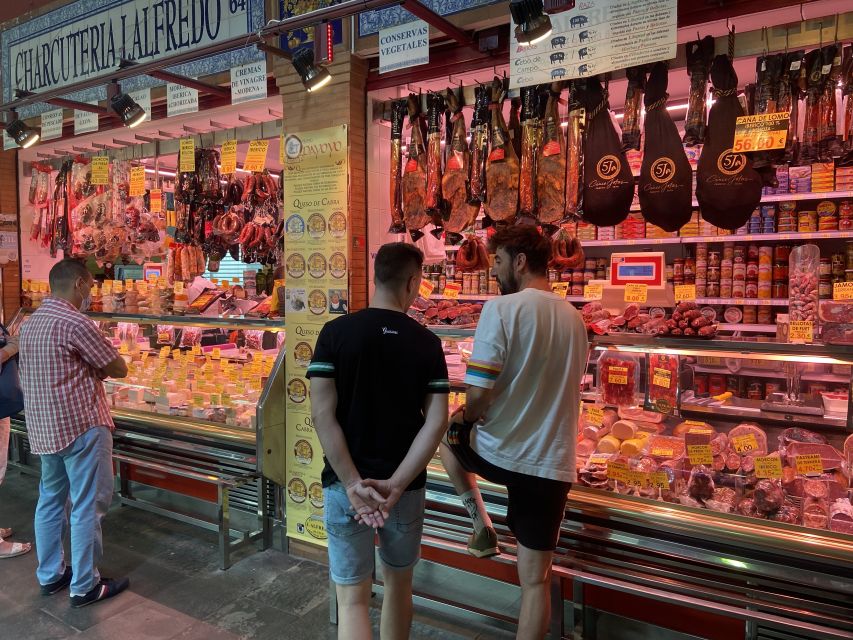
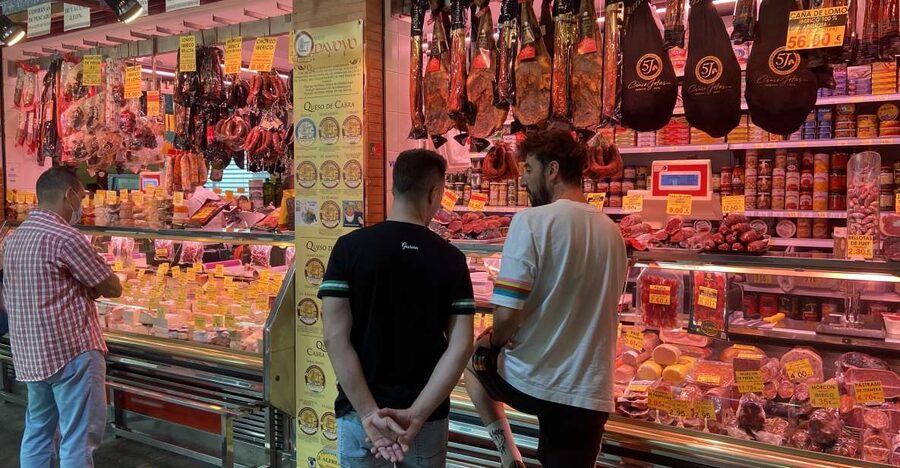
The first stop is generally a classic local bar or tavern rather than a polished restaurant built for sightseeing. That matters. In Seville, a plain exterior can hide some of the best food, and the tour is designed to take you into places you might walk past without a guide.
At this stop, you may receive a selection of several dishes. One tasting described three dishes, including lentils, while another tour included around six or seven dishes across two stops. The exact menu can change, but the pattern is clear: expect a series of shared portions rather than one large plate.
The food is intentionally straightforward. Andalusian cooking often depends on good ingredients, slow preparation, and familiar combinations instead of elaborate presentation. The tour makes a point of showing you that an unattractive dish can still be excellent. That lesson is useful beyond this afternoon or evening because it encourages you to order with curiosity once you are on your own.
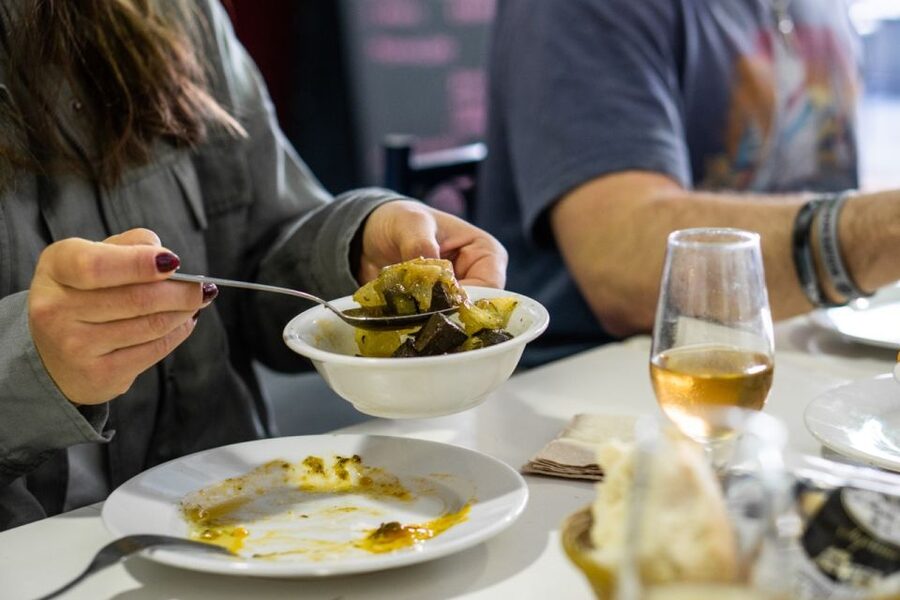
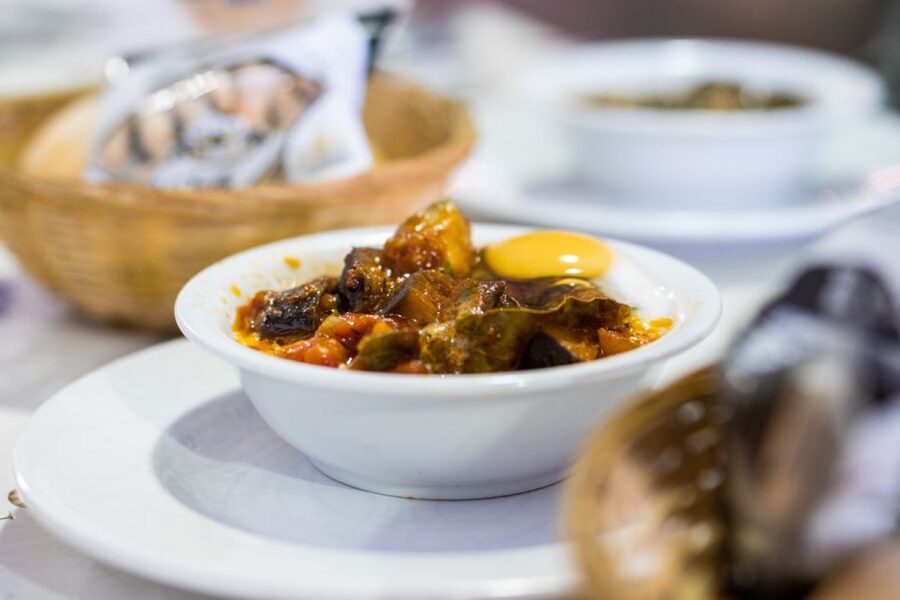
Pisto, a cooked vegetable dish, has been a favorite for some people on this route. Pringá, made from mixed meats and often served in a small sandwich, is another filling local bite. You might also try lentils or other tavern dishes that do not appear on every tourist menu.
The guide explains what you are eating and why it belongs to Andalusian food culture. That extra context makes the tasting more than a parade of plates. You learn how local products, family cooking, agriculture, and regional traditions connect.
Sherry, Spanish wine, and the drinks between dishes
Drinks are part of the experience, not an afterthought. Spanish wine is included, along with water or a soft drink. Depending on the selected route and the bars visited, you may also sample Manzanilla sherry or tinto verano, a refreshing combination of red wine and lemonade.
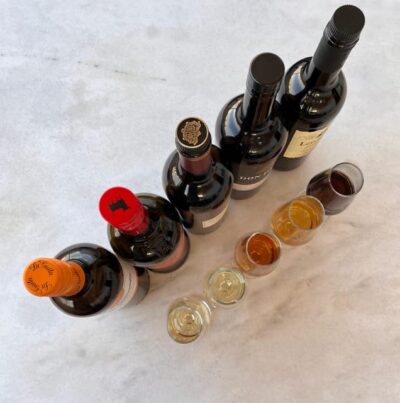
Manzanilla can be a particularly useful introduction to Andalusian drinking culture. It is not the sweet, heavy sherry many people picture. One tasting on this tour included white dry sherry, with the guide explaining how to drink it properly. That small piece of instruction can change how the drink tastes and help you understand why it belongs in a local bar.
The tour may also include coffee or tea. This gives the walk a natural ending after the savory tastings, though the standard inclusions do not promise a full dessert course.
If you do not drink alcohol, water or a soft drink is included. Still, tell your guide about your preferences at the start so the drink choices are clear. The tour is food-led, not a pub crawl, and the emphasis stays on tasting and conversation.
The second tavern and the less polished dishes
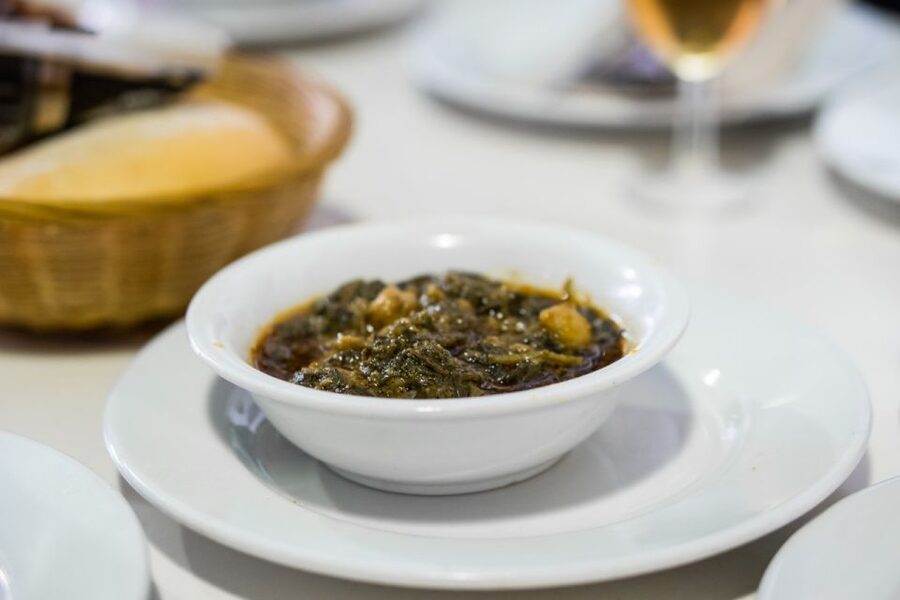
The second bar is where the tour often feels most rewarding. It may be a tiny place with little to suggest from the outside, yet the food can be memorable. A local guide removes the guesswork and gets you through the door.
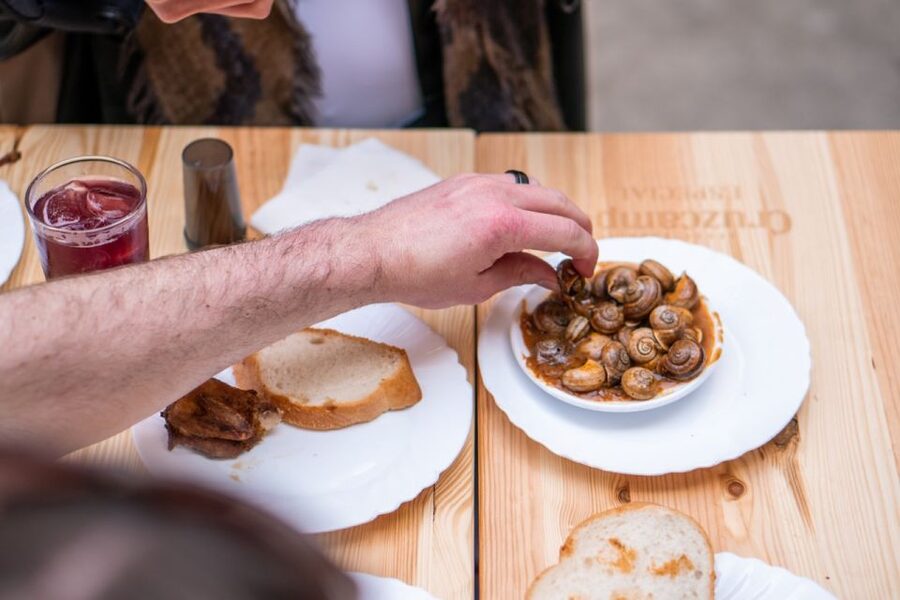
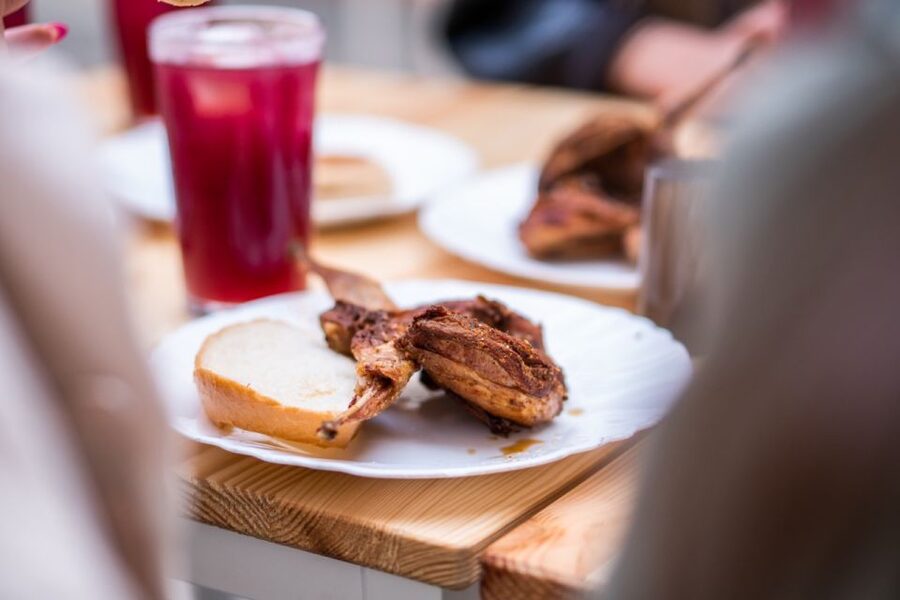
Possible tastings include roast quail, snails, and pringá. These are the sorts of dishes I would hesitate to order without help, especially if I did not know how they were prepared or how they fit into Seville’s food traditions. You get to try them in a social setting, with an explanation and a drink alongside them.
The quail has received particular praise, while snails are likely to divide the table. That is part of the value. This is not a safe menu built around only familiar Spanish standards. It gives you a chance to test your own limits without committing to a full plate.
The guide may also point out pottery shops, market stalls, or nearby landmarks as you walk. The food stops remain the main event, but the neighborhood setting helps you understand Triana as more than a place to eat.
One practical point: people with large appetites should plan accordingly. The portions can be enough to leave you satisfied, but one person who enjoyed the tour still advised not arriving extremely hungry, describing it as a series of small bites rather than a full meal.
More food and drink tours:
- Seville: Sangria Tasting Experience
★ 4.8 · 465 reviews - Seville Food Tour: Vermut, Churros & 10+ Tasty Local Dishes
★ 5.0 · 420 reviews - Seville: Sangria Tasting Experience
★ 4.9 · 288 reviews - Sangria Tasting Experience
★ 4.5 · 222 reviews
Why the history makes the food more useful
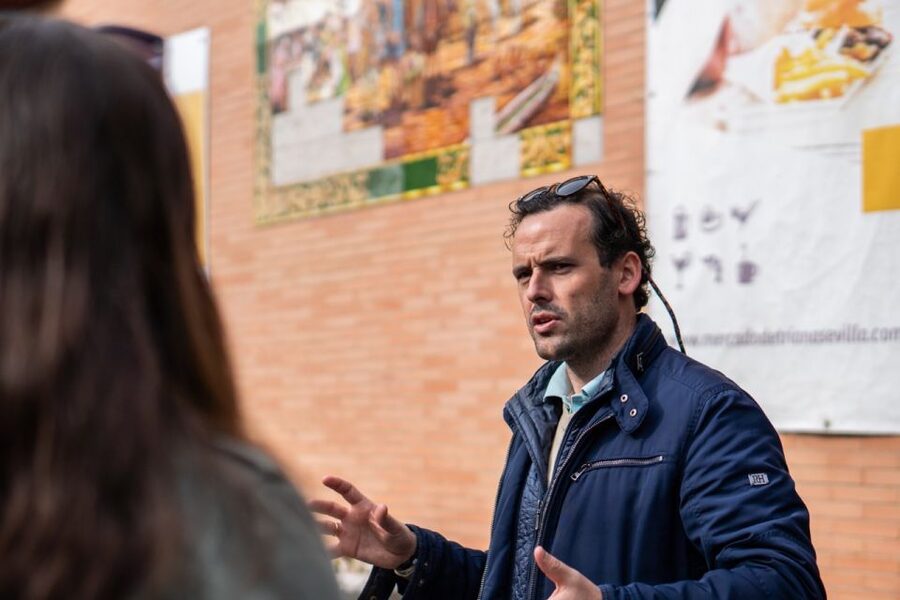
The best part of this tour is the link between what is on the plate and what happened in the region. Guides explain Seville’s past, Triana’s character, Andalusian cooking, local products, wineries, and the people who shaped the food.
Fabio has been praised for giving detailed explanations of culinary traditions and Seville’s history. Lucia is known for combining food information with local stories, landmarks, family life, and useful tips. Antonio has also been praised for explaining Seville and Andalucía through wine and food.
That range matters because Spanish cuisine is not one single national menu. Food changes from region to region, and Seville has specialties you may not encounter in Madrid, Barcelona, or northern Spain. A dish that looks simple can carry information about farming, trade, household cooking, or local ingredients.
I also like the conversational side of the tour. In some departures, people have enjoyed talking with other members of the group between stops. In a very small group, the experience can become almost personal, with more room for questions and recommendations. Group size can vary, so do not assume every departure will be private or tiny.
How the optional extras change the experience
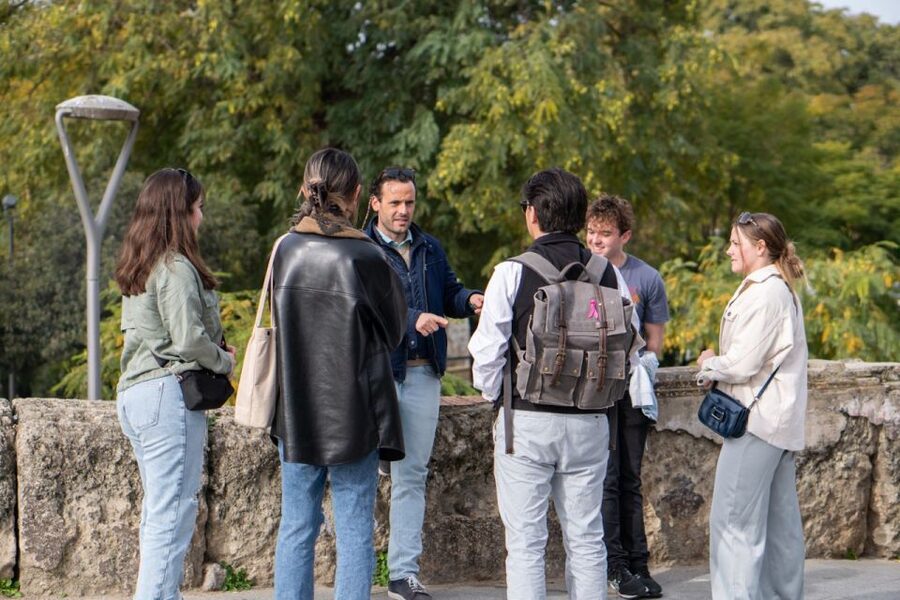
The standard package includes tapas at two different bars or taverns, a local guide, Spanish wine, water or a soft drink, and tea or coffee. A third tapas bar is available if you choose that option.
Dessert is also an add-on. This is worth checking before booking because the dessert format may not match the rest of the tour. One experience ended with a pastry picked up to take away rather than a shared seated stop. If you want a final café-style course, ask what the selected option includes.
Rooftop sangria is another optional extra. It may appeal if you want a scenic finish, but I would treat it as a bonus rather than the reason to book. The heart of the experience is the food, the local bars, and the guide’s explanation of Triana.
The extra tapas stop may be worthwhile for serious eaters or anyone who wants a longer tasting session. If you prefer a shorter introduction and plan to dine later, the standard two-bar option should be enough.
Getting good value from the $35 price
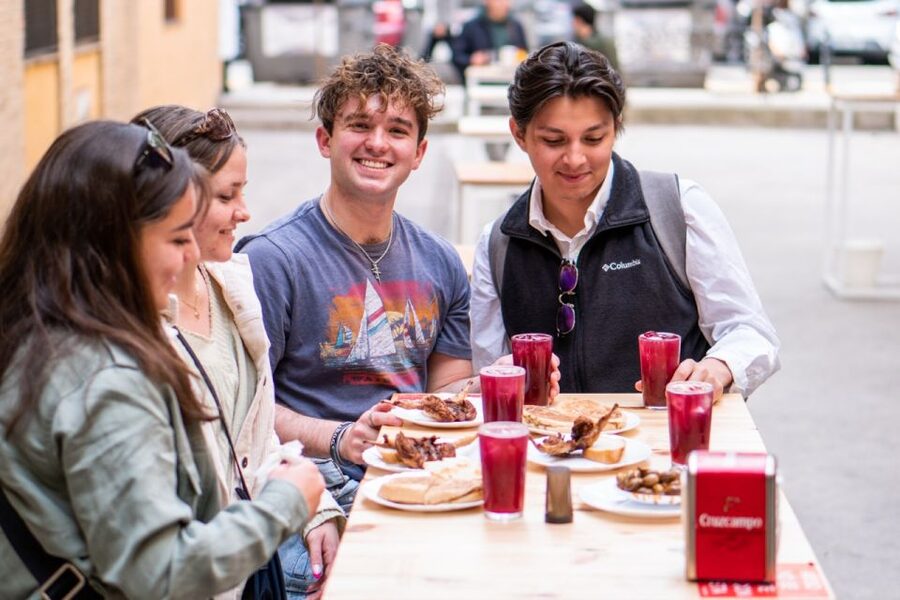
At $35 per person, this is priced below many extensive food tours in major European cities. The value comes from access and interpretation as much as from the amount of food.
You are paying for a local guide who knows where to take you, several shared tastings, drinks, and a walk through Triana. Without that help, you could spend the same money ordering cautiously in central Seville and still miss the less obvious dishes.
The main limitation is that the tour does not promise a fixed menu or a set number of dishes. Reports from different departures describe roughly six or seven dishes and two drinks, while the official inclusions focus on two tapas bars and the included beverages. Menus may depend on the day, the tavern, and the selected option.
For that reason, I see the tour as a strong introduction rather than your only food outing in Seville. It gives you names, flavors, and confidence. You can then return to the dishes you liked, as one person did after enjoying the pisto, or seek out other local specialties with the guide’s suggestions.
Free cancellation is available up to 24 hours before the activity for a full refund, and you can reserve now and pay later. Starting times vary, so check availability for your date.
Who should book this Triana food walk
I would recommend it to first-time visitors who want a quick orientation to Seville’s food culture. It is also a good fit for couples, friends, and parent-and-adult-child trips, especially when everyone is open to sharing dishes.
This is a particularly good choice if you:
- Want to eat in local-style taverns rather than only central tourist restaurants
- Enjoy trying food before you know exactly what it is
- Like history and neighborhood stories with your meal
- Need practical restaurant suggestions for the rest of your stay
- Prefer a walking experience to a formal cooking class
It may be less suitable if you need a guaranteed menu, want a large dinner, or dislike unfamiliar ingredients. People with strict dietary needs should confirm what can be served before booking, since the available information does not list specific dietary accommodations.
The tour is in English, with a live guide. Comfortable shoes are the only stated item to bring, but I would also leave room in your schedule afterward. You may want to linger over a meal, return to a favorite bar, or follow one of the guide’s recommendations.
My take on the guides and teaching style
The guides are central to the experience. Fabio is repeatedly praised for his warmth, culinary detail, and ability to connect food with the past. Lucia brings local knowledge, personal stories, and practical advice. Antonio has been praised for making the route engaging while explaining Seville’s long history.
Paula has also been described as kind and helpful, while Judith made a strong impression as a friendly guide. Since the guide can shape the balance between eating and talking, it is useful to know that this is not a silent tasting route.
Some people will love the history. Others may find there is a fair amount of explanation between dishes. If you want food only, with little conversation, this may feel talk-heavy. I think the stories earn their place because they help you recognize what makes Seville’s food different.
Final decision: book it for access, not for a full dinner
Book this tour if you want a friendly introduction to Triana, unusual tapas, local drinks, and the food traditions behind them. At $35, it offers good value, especially for first-time visitors who would otherwise stay near the Cathedral and order the most familiar dishes.
I would skip it only if you want a guaranteed feast or a formal dessert experience. For everyone else, the combination of local taverns, dishes such as quail and pringá, Manzanilla sherry, and clear advice for eating on your own makes this a smart early-stop activity in Seville.
FAQ
Where does the Seville food tour meet?
Meet at Churreria Los Especiales, the churro stand on the old-town Seville side of the Puente Isabel II.
How long does the experience last?
The walking food tour lasts 2.5 hours.
What language is the tour offered in?
The tour is offered in English with a live guide.
What food is included?
The standard experience includes tapas at two different tapas bars or taverns. A third tapas bar, dessert, and rooftop sangria are available if you select those options.
Are drinks included?
Yes. Spanish wine, water or a soft drink, and tea or coffee are included. Tastings may also feature local drinks such as Manzanilla sherry or tinto verano.
What should I bring?
Bring comfortable shoes for walking around Triana and between the food stops.
Can I cancel or pay later?
You can cancel up to 24 hours in advance for a full refund. Reserve now and pay later is also available.
More Food Tours
- Madrid: Live Flamenco Show with Food and Drinks Options
★ 4.5 · 9,901 reviews - Ibiza Beach Hopping Cruise with Paddleboards, Drinks and Food 6h
★ 5.0 · 5,588 reviews - Barcelona: Tapas Walking Tour with Food, Wine, and History
★ 4.8 · 4,261 reviews - Barcelona Tapas Walking Tour: Food, Wine & History
★ 4.5 · 1,928 reviews
Recently added around Seville
- Art and Wine in Sevilla★ 5.0 · 165 reviews
- Seville: Cathedral and Alcázar Guided Tour★ 4.6 · 167 reviews
- From Seville: White Villages and Ronda Full-Day Trip★ 4.2 · 168 reviews
- Guided Tour Sevilla Cathedral★ 4.5 · 169 reviews
- Cathedral and Real Alcàzar in Italian★ 5.0 · 170 reviews
- Seville: Guadalquivir River Cruise with Lunch or Dinner★ 4.5 · 170 reviews
- White Villages and Ronda: Day trip from Seville.★ 4.7 · 171 reviews
- Private Walking Tour Alcazar and Cathedral in Sevilla★ 5.0 · 172 reviews
Food Tours in Seville, compared.
Sevilla Food Tour: Tapas, Wine, History & Traditions
Read our review →
The Seville Tapas Crawl Tour by Food Lover Tour
Read our review →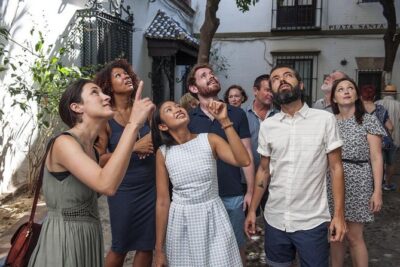

Seville Food Tour: Vermut, Churros & 10+ Tasty Local Dishes
Read our review →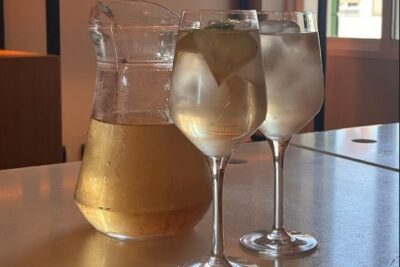
Browse the lists this tour appears in