
Review · MUSEUMS
Malaga: Picasso’s Birthplace Museum Entrance Ticket
Picasso starts here, in a modest house on Plaza de la Merced. This small museum gives you a personal look at Pablo Picasso’s childhood, family, training, and the Malaga influences that stayed with him long after he left Spain. I especially like the early sketches and family objects, including his baby shirt and first walking shoes, and I like the clear route through nine rooms. The price is another strong point: at about $4.71, it is an easy addition to a day in Malaga.
The main drawback is its size. You can see the museum in under an hour, especially if you skip much of the audio guide, and the collection is not a substitute for Malaga’s larger Picasso Museum. The English audio narration may also sound artificial to some listeners, so bring headphones and be ready to read some of the material yourself.
In This Review
- Key points to know before you go
- Finding Picasso at Plaza de la Merced
- Nine rooms that explain the Malaga years
- The small objects that change the tone
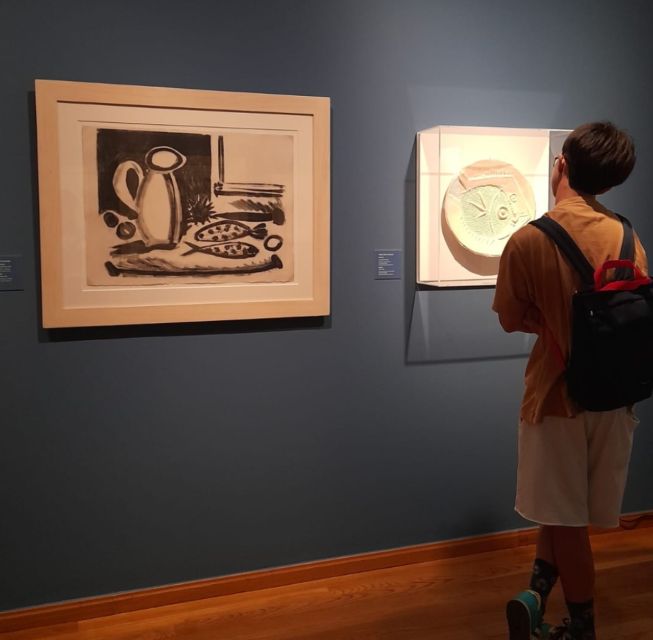
- Picasso’s art in sketchbooks, prints, and ceramics
- Why Malaga matters to Picasso’s work
- Using the audio guide without letting it take over
- The temporary exhibitions and contemporary art
- How long to allow, and when to go
- Is $4.71 good value?
- Who should visit this museum?
- Should you book the Picasso Birthplace Museum?
- FAQ
- Where is the Picasso Birthplace Museum?
- What does the entrance ticket include?
- How long is the ticket valid?
- Is the ticket refundable?
- Is skip-the-line entry included?
- Which languages are available for the audio guide?
- Should I bring headphones?
- Is the museum wheelchair accessible?
- When is admission free?
Key points to know before you go
- Picasso was born here: The museum occupies the house at Plaza de la Merced 15 where Pablo Picasso was born.
- A short, focused visit: Allow roughly 45 minutes to one hour, depending on how fully you use the audio guide.
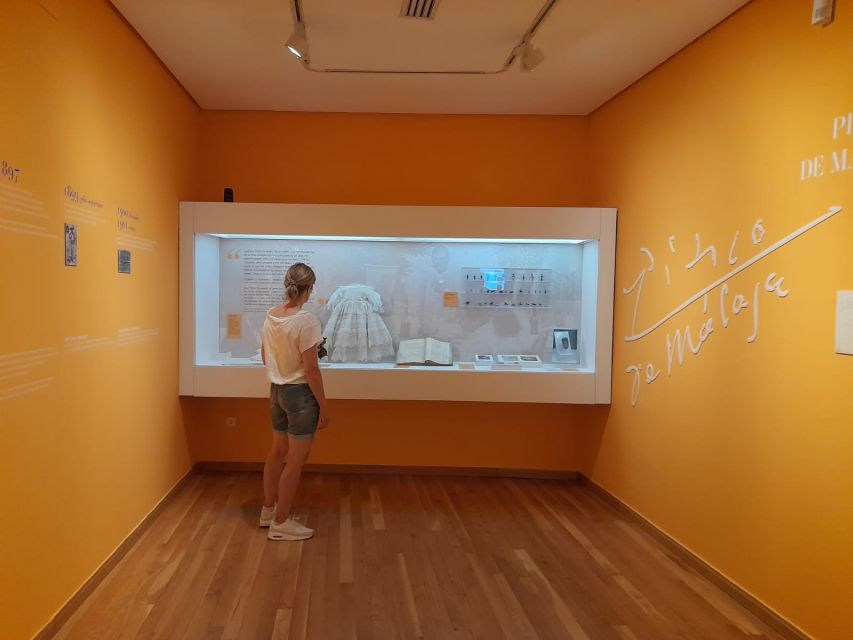
- Personal objects add human scale: A baby shirt, childhood shoes, photographs, and family portraits make the famous artist feel like a real child.
- Malaga explains the art: The displays connect the city to motifs such as doves, bullfighting, nudes, the Mediterranean, and Picasso’s early training.
- The ticket includes both exhibitions: You receive access to the permanent display, the temporary exhibition, and an audio guide.
- Excellent low-cost value: At about $4.71 per person, this is one of Malaga’s easiest cultural purchases.
Finding Picasso at Plaza de la Merced
The Museo Casa Natal de Picasso sits at Plaza de la Merced 15, a convenient location in central Malaga. You do not need transport for this visit if you are already exploring the historic center, and the museum’s position on the square makes it easy to pair with other sights in the area.
The setting matters. Picasso is often introduced through his later Cubist paintings, but this museum begins with the place and family that shaped his first years. You are not entering a grand palace or a giant gallery. You are entering a former home and then moving through a compact museum built around the artist’s beginnings.
Your ticket is valid for one day from first activation, and it includes skip-the-ticket-line entry. That is useful if you are fitting the museum between lunch, a walk, or another appointment. Last entry is 30 minutes before closing, so do not leave it until the final few minutes of the day.
The museum is wheelchair accessible. Audio commentary is offered in English, Spanish, French, German, Italian, and Chinese. Bring your own headphones, since they are specifically listed as something to carry.
More museums:
- Madrid: Prado Museum Entry Ticket
★ 4.6 · 17,509 reviews - Barcelona: FC Barcelona Museum “Barça Immersive Tour” Ticket
★ 4.4 · 10,944 reviews - Madrid: Reina Sofía Museum Entrance Ticket
★ 4.5 · 6,889 reviews
Nine rooms that explain the Malaga years
The museum’s nine rooms give the visit a clear shape. You move from Picasso’s early life and artistic training toward the ideas and symbols that became important in his work.
The first floor includes work by Picasso and by his father, Jose Ruiz Blasco. His father was an artist and art teacher, so this material helps explain the young Picasso’s first contact with drawing and painting. You get a sense that his artistic education did not appear from nowhere. It began within the family.
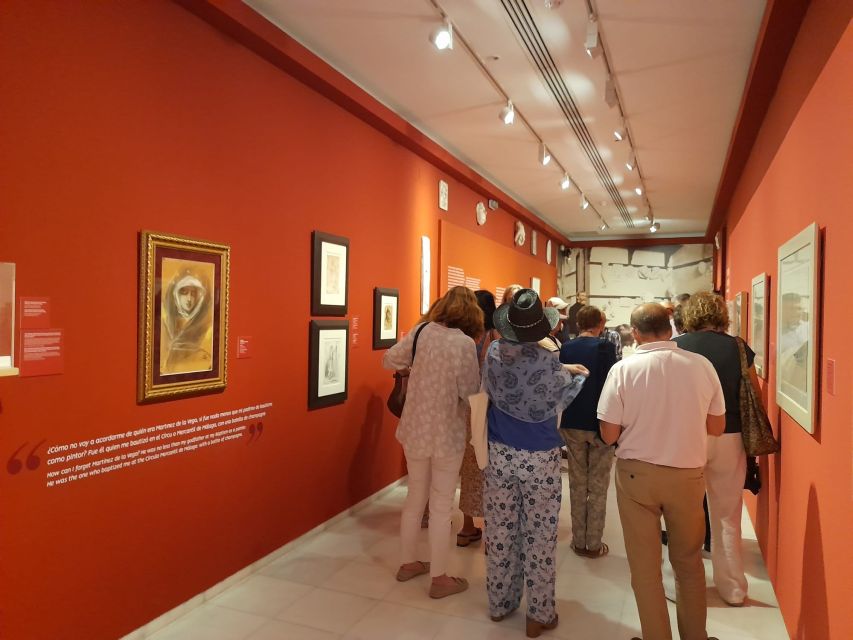
The museum also presents family photographs and portraits. These are modest objects, but they do useful work. A portrait can tell you more about Picasso’s family circle than another famous painting hanging behind glass. You see the people, clothing, and domestic setting connected to his earliest years.
The displays follow Picasso’s life and work in a generally chronological way. That makes this a good first stop if you know his name but not much about his development. You can follow the shift from child and student to mature artist without needing a specialist vocabulary.
Some descriptions are provided in Spanish and English. That helps you read the basic context even if you do not use the audio guide. One small translation issue has been noted in the material about Paloma, where pigeon appears instead of dove. It is a minor slip, but the difference matters because the dove is such a familiar Picasso symbol of peace.
The small objects that change the tone
A museum about a world-famous artist can easily become too grand. This one gains much of its appeal from ordinary personal items.
Picasso’s baby shirt and the shoes he learned to walk in are not artworks, but they make the birthplace meaningful. You are reminded that the artist began as a baby in a family home, not as the finished genius presented in art books.
These objects also suit the scale of the museum. You are not asked to spend hours wandering through hundreds of large canvases. Instead, the visit gives you small clues about childhood, family life, and the setting in which his artistic identity began to form.
Photographs and portraits add another layer. They help you picture Picasso within his family rather than treating him as an isolated figure. If you are visiting with children or with someone who finds modern art intimidating, these personal details provide a friendly entry point.
Picasso’s art in sketchbooks, prints, and ceramics
The museum does not focus on only one type of Picasso artwork. You can see pieces in several forms, including sketchbooks, lithographs, ceramics, and other works on paper.
The early sketches are especially useful because they show the act of working things out. Picasso is often associated with bold, finished images. Sketchbooks bring you closer to the process, where ideas are tested, changed, and repeated.
Lithographs give you a look at his graphic work, while ceramics show how his artistic interests extended beyond painting and drawing. The collection is not simply a parade of the most famous images. It presents different methods and materials, which makes the short visit feel more varied.
If your main goal is to see a large number of major paintings, set your expectations carefully. This museum is about Picasso’s origins and range, not a full survey of every important period. It works well as a companion to the larger Museo Picasso Málaga, or as a more personal alternative if you have limited time.
A few more Spain trips worth a look
- Barcelona: Sagrada Familia Entry Ticket with Audio Guide
★ 4.6 · 105,312 reviews - Barcelona: Park Güell Admission Ticket
★ 4.4 · 76,534 reviews - Seville: Royal Alcázar Entry Ticket
★ 4.6 · 28,378 reviews - Seville: Cathedral and La Giralda Entry Ticket
★ 4.5 · 24,592 reviews
Why Malaga matters to Picasso’s work
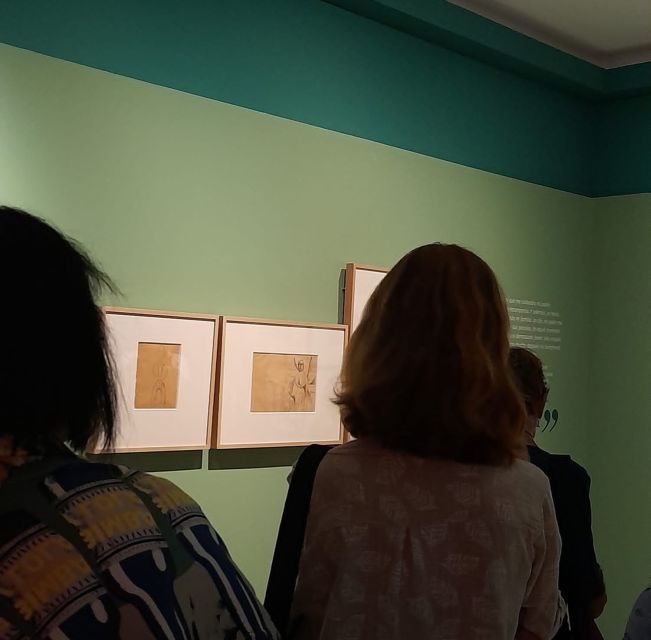
One of the museum’s best features is its attention to Malaga as an influence. The displays explore the city’s role in Picasso’s early life and connect it with recurring subjects in his art.
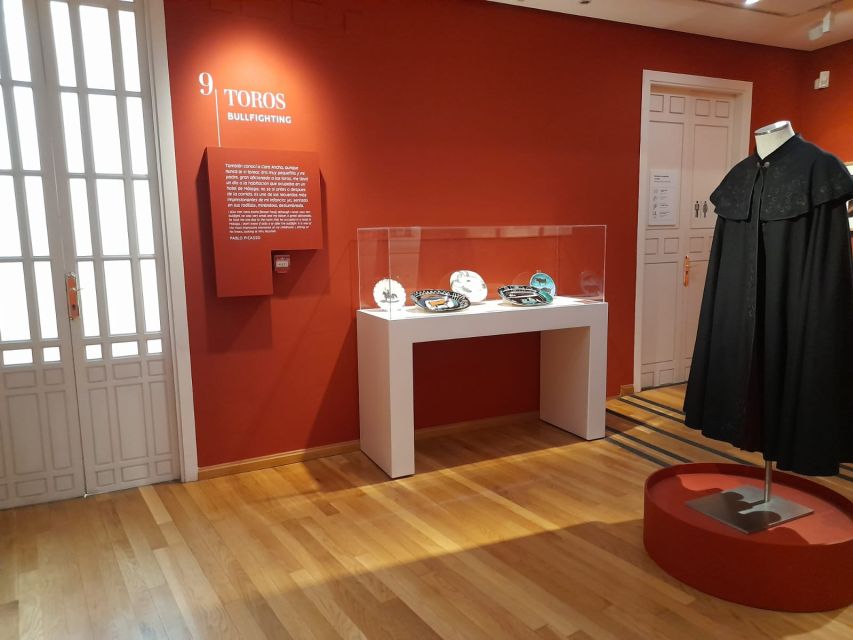
Bullfighting is one of the major themes. The museum helps you consider why the bull and the bullfight became such lasting symbols in Picasso’s work. You also encounter the importance of the Mediterranean, nudes, and doves.
These themes are more useful when you see them in relation to place. Malaga was not just the location of Picasso’s birth. It was part of his visual and emotional vocabulary. The museum encourages you to look at familiar Picasso subjects as ideas tied to memory, identity, family, and Spanish culture.
The treatment is introductory rather than academic. That is a benefit if you want a readable overview, though anyone hoping for lengthy art criticism may find the explanations brief. The audio guide adds more detail and lets you set your own pace.
Using the audio guide without letting it take over
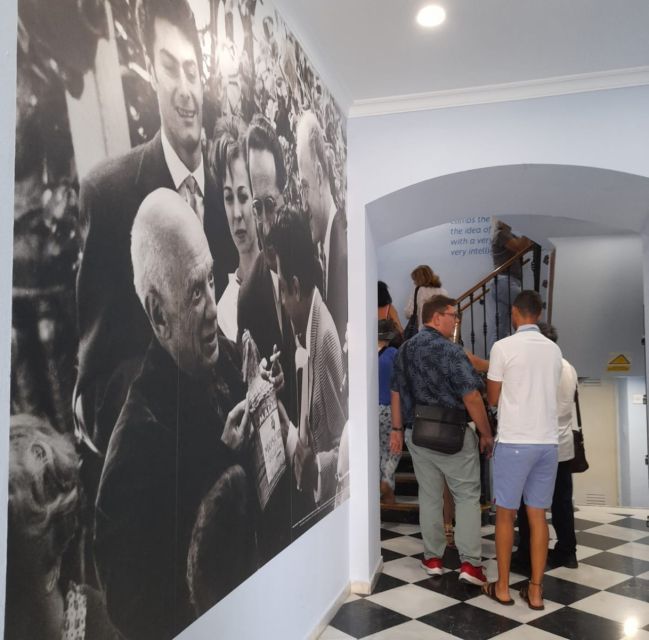
The included audio guide is available in six languages and is one of the better reasons to buy this ticket rather than simply glance around the rooms.
It explains Picasso’s early life, the objects on display, and the development of his work. One particularly useful feature is the way it connects individual pieces to the broader themes of Malaga, bullfighting, doves, and the Mediterranean.
You can move at your own speed. If a room interests you, pause and listen longer. If you already know the basic story, skip ahead and focus on the objects.
The sound quality and narration style may not suit everyone. The English voice has been described as sounding like an AI-generated voice, which can be distracting. The practical solution is simple: use the guide selectively, and read the Spanish and English labels where they give you enough information.
The audio guide can stretch the visit beyond the usual hour, but you do not need to listen to every track. Bring headphones, especially if you prefer a quieter and more private experience.
The temporary exhibitions and contemporary art
Your admission includes the temporary exhibition, so the visit is not limited to Picasso’s birthplace and permanent displays. The subject changes over time, and you should check the current program if a particular exhibition is important to you.
One listed exhibition, Picture of Picasso, ran until April 28, 2024. It examined Picasso through books, newspapers, social media, advertising, photography, comics, film, television, and popular music. The idea was to show how other creators and forms of media have presented and reshaped his public image.
That approach adds useful distance. Instead of only asking what Picasso made, you begin asking how Picasso has been pictured by everyone else. It is a good reminder that the artist’s reputation is also a cultural product.
The museum also contains more than 3,500 examples of contemporary art by over 200 artists. The collection includes a large selection of graphic art by Miró, Bacon, Ernst, Matta, and others, along with artists working from the 1950s to the present.
Do not assume all of this material will be displayed in full during every visit. The permanent and temporary displays determine what you see on the day. Still, the broader collection gives the institution a life beyond Picasso’s childhood home and can add a second artistic chapter to your visit.
A ceramics-related display has also been praised as a worthwhile part of the experience. If ceramics are being shown during your visit, allow extra time for that section.
How long to allow, and when to go
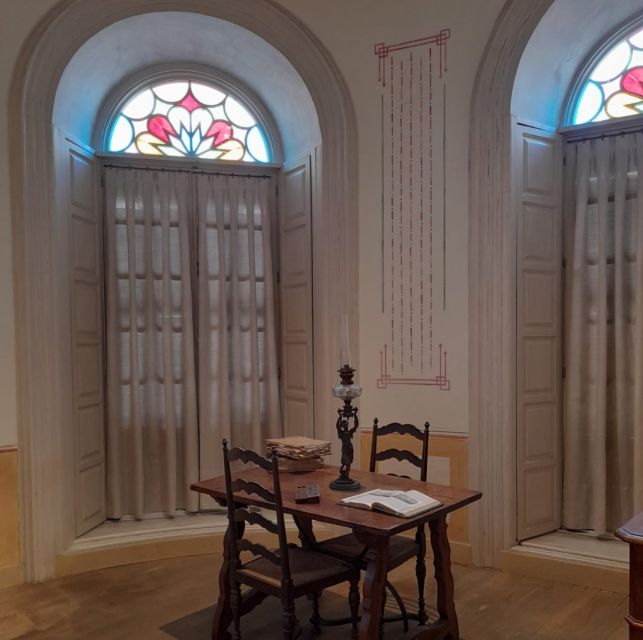
Most people can see the museum in about an hour or less. That includes time for the rooms, personal objects, and a reasonable selection of audio commentary.
Arriving at opening time can give you a calmer visit. Going later in the day may also work well. A visit after 7 PM has been described as especially quiet before the museum’s 8 PM closing time, though opening hours can change, so check the current schedule before relying on that timing.
Afternoons can be busier. If you want space to stand close to the objects and listen without feeling rushed, early or late entry is the sensible choice.
Sunday offers a price-saving option: the museum is free from 4 PM until closing. It is also free for unemployed and disabled people. Because the activity ticket is non-refundable, check your date, timing, and eligibility before buying.
Is $4.71 good value?
Yes, for most people. At about $4.71, the ticket costs less than many museum admissions and gives you access to the permanent exhibition, a temporary exhibition, and an audio guide.
The value comes from focus rather than size. You are paying for a short, organized introduction to Picasso’s birth, family, artistic training, and Malaga connections. If you spend 45 minutes to an hour inside, the cost per hour is already low. The personal objects and early sketches also provide something different from a standard collection of famous paintings.
The comparison with Museo Picasso Málaga is important. The larger museum gives you a broader view of Picasso’s work, while Casa Natal gives you a closer look at his first years and the place where his story began.
If you have already seen major Picasso collections elsewhere, this smaller museum may be more rewarding than another large display of Cubist works. It offers context and intimacy rather than scale.
Who should visit this museum?
I would recommend it to first-time Picasso visitors, anyone interested in biography and family history, and people with only an hour free in Malaga. It is also a good choice for art lovers who want to see sketches, lithographs, ceramics, and personal items rather than only large paintings.
Families may appreciate the baby clothes, shoes, photographs, and straightforward route through the rooms. The museum gives you simple talking points without requiring a degree in modern art.
You should think twice if you want a major collection of Picasso masterpieces or a long museum session. The building and exhibition are small, and you may finish quickly if you do not use the audio guide.
Should you book the Picasso Birthplace Museum?
Book it if you want a compact, inexpensive, and personal introduction to Picasso. I especially recommend it before or instead of the larger Picasso museum if your interest is in his childhood, family, early training, and Malaga’s influence.
Do not book it expecting an all-day art museum. Plan for under an hour, bring headphones, and check which temporary exhibition is on display. At this price, the risk is low, and the museum gives you a useful human beginning to Picasso’s much larger story.
FAQ
Where is the Picasso Birthplace Museum?
It is at Museo Casa Natal de Picasso, Plaza de la Merced 15, 29012 Malaga, in Andalusia, Spain.
What does the entrance ticket include?
The ticket includes admission to the permanent exhibition, access to the temporary exhibition, and an audio guide.
How long is the ticket valid?
The ticket is valid for one day from the time you first activate it.
Is the ticket refundable?
No. This activity is non-refundable.
Is skip-the-line entry included?
Yes. The ticket includes skip-the-ticket-line entry.
Which languages are available for the audio guide?
The audio guide is available in English, Spanish, French, German, Italian, and Chinese.
Should I bring headphones?
Yes. Headphones are listed as an item to bring for the audio guide.
Is the museum wheelchair accessible?
Yes. The museum is wheelchair accessible.
When is admission free?
The museum is free every Sunday from 4:00 PM until closing. Admission is also free for unemployed and disabled people. Last entry is 30 minutes before closing.
Recently added around Spain
- Half-Day Luxury Catamaran Sailing Cruise in Granada★ 5.0 · 165 reviews
- Jeep Safari to Teide and Masca★ 4.5 · 165 reviews
- Madrid: Thyssen Museum Guided Tour with Skip-the-Line Entry★ 4.5 · 165 reviews
- Visit in Spanish to the Cathedral Mosque. Does not include entrance ticket★ 5.0 · 165 reviews
- VIP Private Segway Tour of Palma★ 5.0 · 165 reviews
- Canyoning in Andalucia: Rio Verde Canyon★ 5.0 · 165 reviews
- Guided Tour to Caminito del Rey from Malaga★ 4.5 · 165 reviews
- Las Palmas: Private Old City Guided Walking Tour with Tapas★ 4.6 · 166 reviews
Museums, compared.
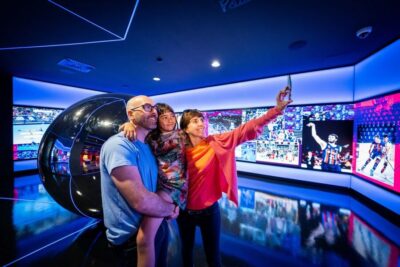
FC Barcelona Museum “Barça Immersive Tour” Ticket
Read our review →
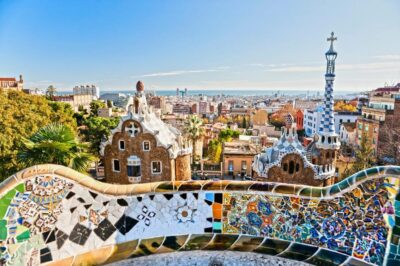
Park Güell and Gaudí House Museum Entry Ticket
Read our review →
Puro Flamenco Show with Optional Museum Ticket
Read our review →
Girona & Dali Museum Small Group Tour with Pick-up from Barcelona
Read our review →
Oceanogràfic, Hemisfèric & Science Museum Combo
Read our review →Browse the lists this tour appears in