
Review · MUSEUMS
Guided Tour of the Factory + Anchovy Museum
Anchovies have a story worth tasting. In Santoña, this $8 experience links a working cannery with the Ana María Anchovy Art Gallery, a small museum built around the fishing and preservation traditions of the Cantabrian Sea. I like the chance to see production while artisans are at work, and I like that the visit ends with an anchovy and wine pintxo rather than only a talk and a few display cases.
The main point to check is timing. Live factory production is offered only at 12:30 p.m. on Monday through Friday, and only when the work calendar allows it. The tour is conducted in Spanish, so visitors who do not understand Spanish may find the explanations difficult, as one Dutch visitor clearly did. Also, the street number, 38, may not be clearly marked outside.
In This Review
- Key points to know before you go
- Starting at the Ana María Anchovy Art Gallery
- The morning factory visit at 12:30 p.m.
- Hearing the Santoña fish-market auction
- Exploring the seabed-style exhibition
- Learning how anchovies reach the jar
- The anchovy and wine tasting
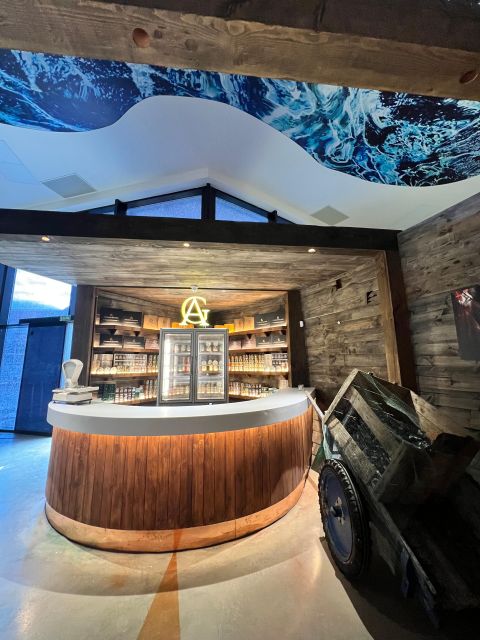
- Shopping for Cantabrian specialties
- Why the $8 price is strong value
- Language, access, and practical timing
- Who will enjoy this Santoña experience?
- Should you book the Ana María cannery tour?
- FAQ
- Where does the tour begin?
- How long does the experience last?
- When can I see live factory production?
- Is the factory visit guaranteed?
- What language is the tour in?
- Is the experience wheelchair accessible?
- Is food included?
- Can I buy products after the tour?
- What is an octavillo?
- Can I cancel for a full refund?
Key points to know before you go
- See the cannery at work: The morning visit can include live observation of anchovy or bonito production while artisans are working.
- The museum uses all five senses: You will hear a fish-market auction, see old tools and a shipwreck setting, and finish with a tasting.
- Watch an octavillo being made: A craftswoman demonstrates how the small tin container used for anchovies is prepared.
- The tasting is part of the experience: Expect an anchovy and wine pintxo, with anchovies from Conservas Ana María.
- Spanish is the tour language: There is no English guidance listed, so this matters if you rely on spoken explanations.
- Good value at $8: The price covers the guided visit, production explanation, tasting, and a chance to shop for local products.
Starting at the Ana María Anchovy Art Gallery
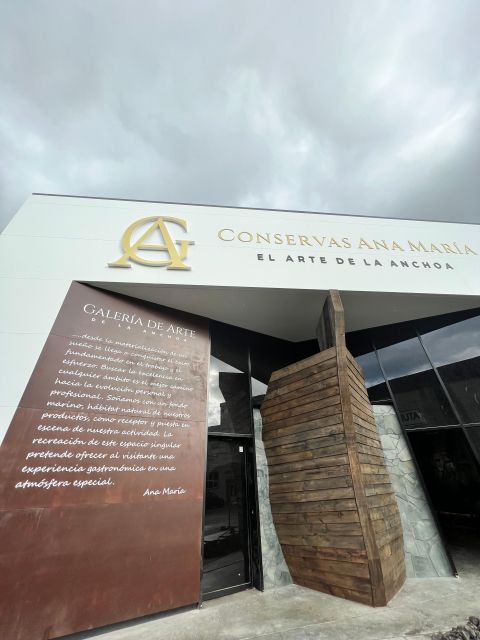
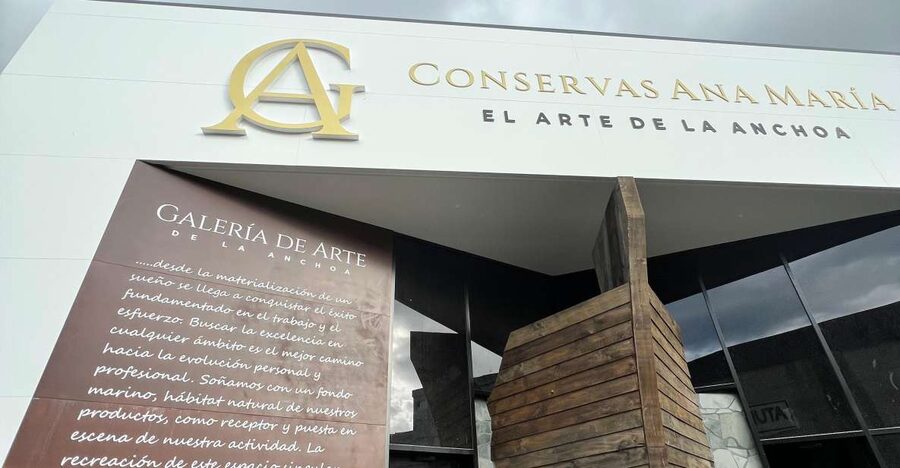
You meet at C. Baldomero Villegas, 38, in Santoña, at the entrance to the Ana María Canned Food Anchovy Art Gallery. The address is useful, but you should look carefully for the entrance because the number 38 may not be displayed clearly on the street.
Santoña is closely tied to fishing and anchovy preservation, so this is not a generic food museum placed anywhere for convenience. The experience connects the product on your plate with the work that goes into catching, preparing, salting, packing, and preserving it.
The short format makes the visit easy to fit into a day in town. The advertised duration is 45 minutes, while the museum explanation describes the gallery visit as lasting about an hour. Allow roughly an hour so you do not feel hurried, especially if the factory portion is operating and the group spends time watching production.
More museums:
- Madrid: Prado Museum Entry Ticket
★ 4.6 · 17,509 reviews - Barcelona: FC Barcelona Museum “Barça Immersive Tour” Ticket
★ 4.4 · 10,944 reviews - Madrid: Reina Sofía Museum Entrance Ticket
★ 4.5 · 6,889 reviews
The morning factory visit at 12:30 p.m.
The factory visit is the most time-sensitive part of the experience. It is available only in the morning at 12:30 p.m., from Monday through Friday, and only when the artisans are working. A weekday afternoon booking should not be treated as a live-production visit.
If your time matches the working calendar, you first go into the cannery. The point is not simply to look at machinery behind glass. You may observe the anchovy or bonito production process as it happens and hear a guided explanation of the stages involved.
That distinction matters. A finished tin tells you very little about the labor behind it. Seeing the process helps explain why Cantabrian anchovies are treated as a specialty rather than an ordinary tinned fish. The tour also gives attention to the work of the people preparing the product, a useful counterweight to the polished packaging you see in shops.
The factory section is likely the best reason to choose the morning departure. You get a direct look at the connection between fishing, handwork, and preservation. The exact activity can depend on the working calendar, so the live portion is not guaranteed at every departure.
You should also keep your expectations sensible. This is a short public visit, not a full industrial tour with access to every room or station. The available information promises observation and explanation of production, not a long practical workshop.
Hearing the Santoña fish-market auction
After the factory, the tour moves into the museum. It begins with the sound of an auction, marked by the three sirens of the Santoña fish market that signal the fish is about to be sold.
This is a smart opening because it places the anchovy in its working setting before you see the tools and containers. You are reminded that the product begins at sea, passes through a fish market, and only then reaches the cannery.
The sound element also gives the museum a stronger sense of place. Instead of starting with a written panel, you hear the event that sets the commercial process in motion. If you understand Spanish, the auction reference and guide’s explanation will add useful context. If you do not, the sound still works as an introduction, but much of the meaning may be harder to follow.
Exploring the seabed-style exhibition
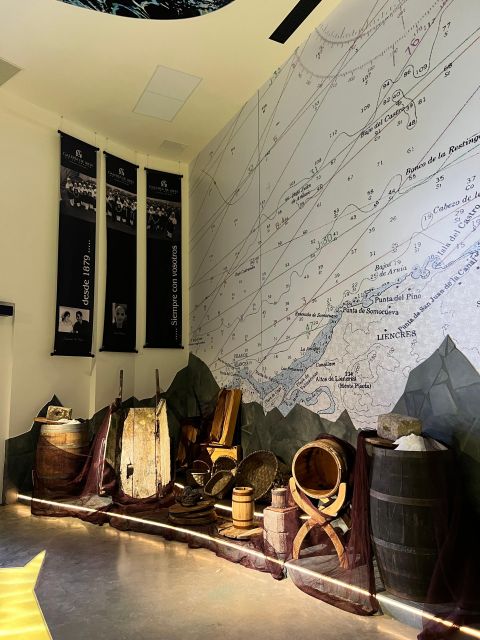
The gallery is designed to resemble the seabed. Among its features are objects connected with fishing and anchovy preservation from the last century, along with the remains of a stranded ship.
This setting is more theatrical than a plain room of cans, and that is part of its appeal. You can explore a display that puts the sea, fishing equipment, and preservation work into one physical story. The shipwreck element gives the museum a playful quality, particularly for children, while the old utensils provide a more serious link to past working methods.
The exhibition is described as a sensory experience. You will hear the fish-market auction, see the old tools and shipwreck setting, smell the museum environment, touch elements of the display, and taste the finished anchovies later in the visit.
That format makes the gallery easier to remember than a collection of labels alone. It also means you should not expect a large, formal museum with room after room of detailed historical material. The strength here is the combination of setting, sound, objects, film, demonstration, and food in a compact visit.
A few more Spain trips worth a look
- Santander: 1-Hour City Cruise Around the Bay
★ 4.4 · 579 reviews - El Capricho Entrance Ticket
★ 4.7 · 242 reviews - Santander: Picos, Santo Toribio Monastery and Potes Day Tour
★ 4.7 · 208 reviews - Cabarceno Natural Park Guided Visit from Santander
★ 4.0 · 161 reviews
Learning how anchovies reach the jar
The next stop is a projection room, where a video follows the anchovy from fishing at sea through preservation in a jar or can. This is the part that ties the different parts of the visit together.
You see the product as a chain of steps rather than a finished item. The film should help you understand why preparation and storage matter, and why a preserved anchovy can be a carefully made food rather than a basic pantry item.
The visit then turns from video to live demonstration. A craftswoman shows how an octavillo is made, the tin container used to preserve anchovies.
That demonstration gives you a close look at a traditional piece of packaging. The container is not just decoration. It is part of the way the product has been prepared and presented, and seeing it made helps explain the practical side of the trade.
The guide’s explanations are in Spanish. For Spanish-speaking visitors, this should be a clear and useful part of the tour. For those who speak little or no Spanish, the video and visual demonstration may still communicate something, but you should not book this expecting English translation.
The anchovy and wine tasting
The tasting is the natural finish. You receive anchovies from Conservas Ana María, along with an anchovy and wine pintxo.
At $8, this tasting helps make the visit good value. You are not paying only for entry to a display. The fee includes a guided factory and museum experience, an explanation of production, and a small taste of the finished product.
The tasting also gives you a chance to judge the product in context. After seeing the preparation process, you can pay closer attention to the flavor and texture rather than treating the anchovy as a quick snack.
Conservas Ana María has received national and international awards for its Cantabrian anchovies in recent years. That does not mean you must prefer its style to every other brand, but it does give the tasting a clear purpose. The food is presented as the final result of the work you have just learned about.
The portion is a pintxo, not a full meal. If you arrive hungry, plan to eat elsewhere as well. The tasting is best viewed as a sample and a conclusion to the tour, not as lunch.
Shopping for Cantabrian specialties
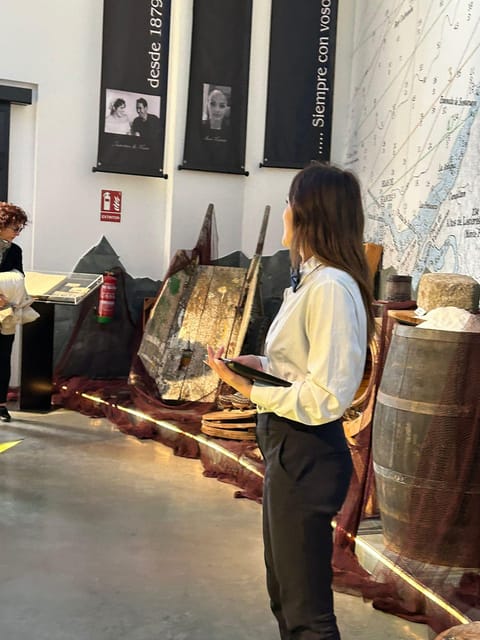
At the end, you can purchase products at the establishment. This is useful if you want to take the experience home, especially because preserved anchovies travel more easily than fresh seafood.
Shopping is optional, which keeps the tour from feeling like a sales stop. You can simply enjoy the tasting and leave. If you do buy something, you have already seen the production story behind the products, so your purchase has a clearer connection to Santoña.
The available information does not specify the full range, prices, or packaging sizes. Do not assume every product shown during the visit will be available on the day. The confirmed point is that there is an opportunity to buy Conservas Ana María products after the tour.
Why the $8 price is strong value
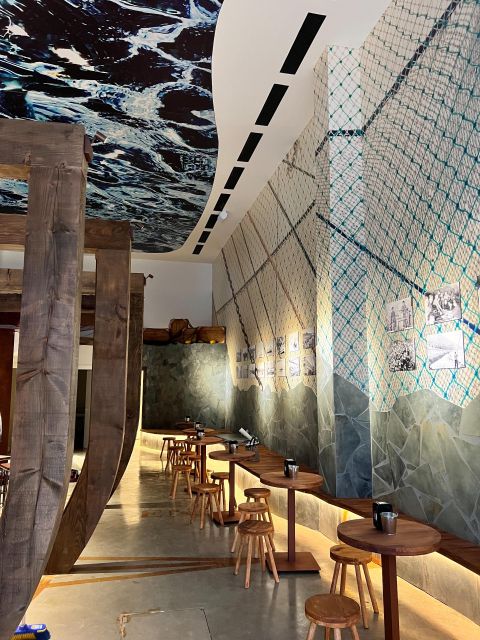
At $8 per person, this is an inexpensive cultural and food experience. The value comes from the mix of elements: a guided visit, a working cannery when the schedule permits, a museum, a production explanation, a demonstration, and a tasting.
Many food-related visits give you one part of that list. Here, the factory provides the working side, the gallery provides the local context, and the pintxo gives you a direct taste of the result.
The price is especially attractive for people already visiting Santoña. You do not need to commit to a half-day excursion, and the short duration leaves room for other plans. The tradeoff is that the experience is tightly focused. If you want a long museum visit or extensive tasting menu, this will feel brief.
The factory schedule also affects the value. If you visit at 12:30 p.m. on a weekday while production is active, you get the fullest version. If the artisans are not working, you may receive the museum and food elements without the live factory action that makes the tour more distinctive.
Language, access, and practical timing
The live tour guide speaks Spanish. This is the most important practical limitation. Spanish speakers can follow the full story, while visitors without Spanish may need to rely more on the visual parts, including the old tools, the shipwreck setting, the production film, and the octavillo demonstration.
The experience is wheelchair accessible, which makes it a practical choice for visitors who need step-free access. The supplied information does not give details about restroom access, seating, or the exact layout of each working area, so those points should be checked directly if they are important for your visit.
For the best chance of seeing live production, choose Monday through Friday at 12:30 p.m. The working calendar controls whether artisans are present, so the factory portion remains subject to change.
The meeting point is the entrance to the Ana María Anchovy Art Gallery at C. Baldomero Villegas, 38. Give yourself a few extra minutes to locate it, since the street number may not be clearly posted. That small detail can matter when the tour begins at a fixed time.
Free cancellation is available up to 24 hours before the visit, and you can reserve without paying immediately. Those terms are useful if your Santoña plans may change, but the live-production schedule is still the bigger decision point.
Who will enjoy this Santoña experience?
I would recommend this tour to food lovers, curious families, Spanish speakers, and anyone interested in the work behind a local specialty. Children may enjoy the shipwreck-style museum and sensory displays, while adults are likely to get more from the production story and tasting.
It also suits visitors who prefer a short, focused activity. In 45 minutes to about an hour, you get a clear introduction to one product and its place in Santoña’s fishing culture.
I would be more cautious if you speak no Spanish and want detailed explanations. The visual program still offers something, but the experience depends on guided commentary. I would also be cautious if your only available time is outside the morning weekday slot and your main goal is to see active production.
The strongest version combines all parts: factory first, museum second, then tasting. If you can arrange that sequence, the tour feels like a complete story from fish market to tin to plate.
Should you book the Ana María cannery tour?
Book it if you want an affordable, local experience with a real food connection rather than a general sightseeing stop. The combination of live production, the octavillo demonstration, the sensory gallery, and an anchovy and wine pintxo gives the $8 price real weight.
Try to reserve the 12:30 p.m. weekday visit and confirm that artisans will be working. If you do not speak Spanish, decide if visual displays and tasting are enough for you. For Spanish speakers, families, and anyone curious about Cantabrian anchovies, this is an easy recommendation. The small scale and short running time are limitations, but they also make the experience simple to fit into a day in Santoña.
FAQ
Where does the tour begin?
It begins at C. Baldomero Villegas, 38, at the entrance to the Ana María Canned Food Anchovy Art Gallery in Santoña.
How long does the experience last?
The advertised duration is 45 minutes. The museum visit is described as lasting approximately one hour, so allowing about an hour is sensible.
When can I see live factory production?
The live factory visit is available at 12:30 p.m. from Monday through Friday, when artisans are working according to the factory calendar.
Is the factory visit guaranteed?
No. The live-production portion depends on the working calendar and whether the artisans are working.
What language is the tour in?
The live guided tour is in Spanish.
Is the experience wheelchair accessible?
Yes, the activity is listed as wheelchair accessible.
Is food included?
Yes. The experience includes an anchovy and wine pintxo, and the museum visit ends with a tasting of Conservas Ana María anchovies.
Can I buy products after the tour?
Yes. You can purchase products at the establishment at the end of the visit.
What is an octavillo?
An octavillo is a tin container used to preserve anchovies. A craftswoman demonstrates how one is made during the museum visit.
Can I cancel for a full refund?
Yes. You can cancel up to 24 hours in advance for a full refund. You can also reserve and pay later.
Recently added around Spain
- Private Scuba Diving in Tenerife – Certified Instructor & Photos★ 5.0 · 103 reviews
- PRIVATE San Sebastian and Basque Coast Tour from Bilbao★ 5.0 · 103 reviews
- Exclusive Fat Tire E-Bike Tour in Palma★ 5.0 · 103 reviews
- Private Charter in Tenerife south max 7 people★ 4.5 · 103 reviews
- Tour to the Mosque-Cathedral of Córdoba with admission included★ 5.0 · 103 reviews
- Barcelona Unforgettable Sailing Cruise with Open Bar and Snacks★ 5.0 · 104 reviews
- Llucmajor: Bodegas Bordoy Wine Tour★ 4.9 · 104 reviews
- Fuengirola: Dolphin Watching Excursion with Refreshments★ 4.6 · 104 reviews
Museums, compared.
FC Barcelona Museum “Barça Immersive Tour” Ticket
Read our review →
Park Güell and Gaudí House Museum Entry Ticket
Read our review →
Puro Flamenco Show with Optional Museum Ticket
Read our review →
Girona & Dali Museum Small Group Tour with Pick-up from Barcelona
Read our review →
Oceanogràfic, Hemisfèric & Science Museum Combo
Read our review →Browse the lists this tour appears in