
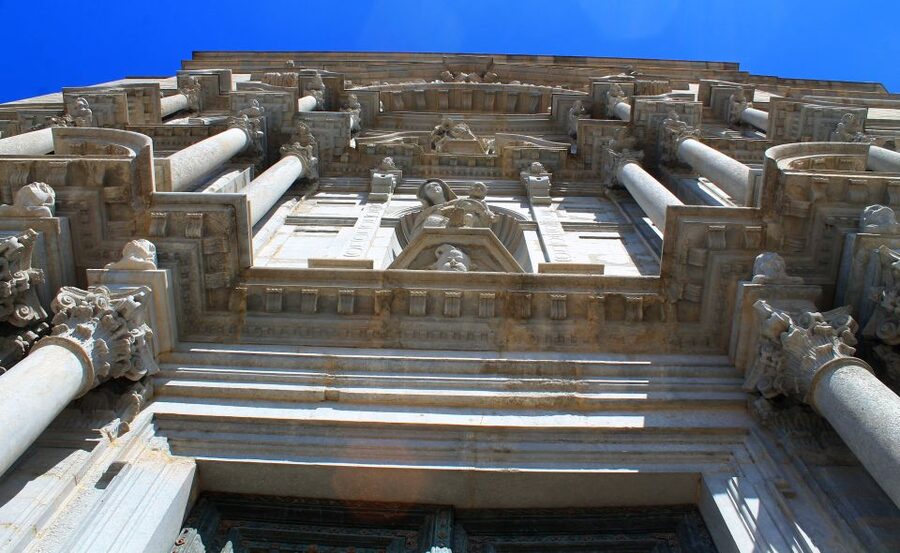
Review · WALKING TOURS
Girona: Small Group Walking Tour
Girona rewards slow walking. This 2.5-hour small group tour ties together Roman beginnings, medieval lanes, Jewish heritage, river views, and familiar Game of Thrones locations. I like the walk along the old walls, where the city opens below you, and I like the guides’ strong local connection. Several guides, including Ona, Quim, Pau, Miguel, Dylan, and Carolina, are from Girona or have studied its past closely, which gives the stories a personal touch.
I also like the price: $35 per person is fair for a live guide who explains what you are seeing instead of simply pointing at old stones. The main drawback is the terrain. Girona’s old town has steep slopes, steps, and uneven streets, so this is not a good fit for wheelchair users or anyone with serious mobility limits.
In This Review
- Key points at a glance
- Why Girona is best understood on foot
- Starting beside the Onyar River
- The old walls and Girona from above
- Girona Cathedral and its remarkable Gothic interior
- Narrow lanes in the Jewish quarter
- The Onyar bridges and Eiffel’s 1877 crossing
- Game of Thrones filming locations
- Guides who make the difference
- Pace, group size, and physical effort
- Is $35 a fair price?
- Who should book this Girona walk?
- My verdict: book it for your first Girona morning
- FAQ
- How long does the Girona walking tour last?
- How much does the tour cost?
- What languages are available?
- Where does the tour meet?
- Where does the tour finish?
- Are entrance fees included?
- Is the tour suitable for wheelchair users?
Key points at a glance
- Medieval walls with city views: Walk above the old town and see Girona from a defensive route built for a very different purpose.
- The Cathedral of Girona: See the huge Gothic nave from outside, with time afterward to arrange an interior visit if you want one.
- A bridge by Gustave Eiffel: Cross the Ferreries Velles bridge, designed by Eiffel in 1877, for one of the city’s best river views.
- The Jewish quarter: Wander narrow lanes and hear how Girona’s Jewish community shaped the city before its expulsion in 1492.
- Game of Thrones locations: Visit filming sites from the sixth season and hear local context about the production.
- A guide-led introduction: Get history, legends, food suggestions, and practical orientation before exploring Girona on your own.
Why Girona is best understood on foot
Girona can look compact on a map, but its story is layered. The city began with Iberian settlement, became the Roman town of Gerunda, and later grew into a strategic medieval center near the French border. Its location brought trade, power, and repeated sieges.
That past is easiest to grasp when you walk through the old town with someone who can connect one street to the next. A narrow passage may mark the edge of the former Jewish quarter. A wall may explain the city’s military importance. A church may reveal how Girona’s wealth and influence changed over time.
I would use this tour early in a stay. It gives you a mental map of the old city and points out details you could easily miss alone. Afterward, you can return to the cathedral, Jewish history museum, baths, bridges, or restaurants with a better sense of place.
The tour has a strong reputation, with a 4.8 rating from 680 reviews. The praise is remarkably consistent: guides are warm, clear, funny, and able to turn history into stories rather than a list of dates. That matters in Girona, where the pleasure comes from understanding how the city developed.
More walking tours:
- Barcelona Tapas and Wine Experience Small-Group Walking Tour
★ 5.0 · 5,804 reviews - Barcelona: Tapas Walking Tour with Food, Wine, and History
★ 4.8 · 4,261 reviews - Granada: Albaicín and Sacromonte Guided Sunset Walking Tour
★ 4.9 · 2,962 reviews
Starting beside the Onyar River
There are two listed starting points: Carrer d’En Jaume Pons Martí, 30Acc, and Carrer dels Calderers, 19. Your meeting instructions direct you to meet the guide beside the River Caffe, so check the exact point and arrive with enough time to locate it.
The river is a useful place to begin because Girona’s most recognizable image is right here. Tall houses with painted façades rise above the Onyar, while several bridges connect the old town with the newer part of the city. The lower city feels open and bright. The old quarter quickly becomes steeper and more enclosed.
This opening also helps you see Girona as a city shaped by water and walls. The Onyar and Ter rivers meet nearby, and the old city occupies a fortress-like hill above them. You are not just walking through a picturesque Spanish town. You are moving through a place chosen for defense and transport.
The old walls and Girona from above
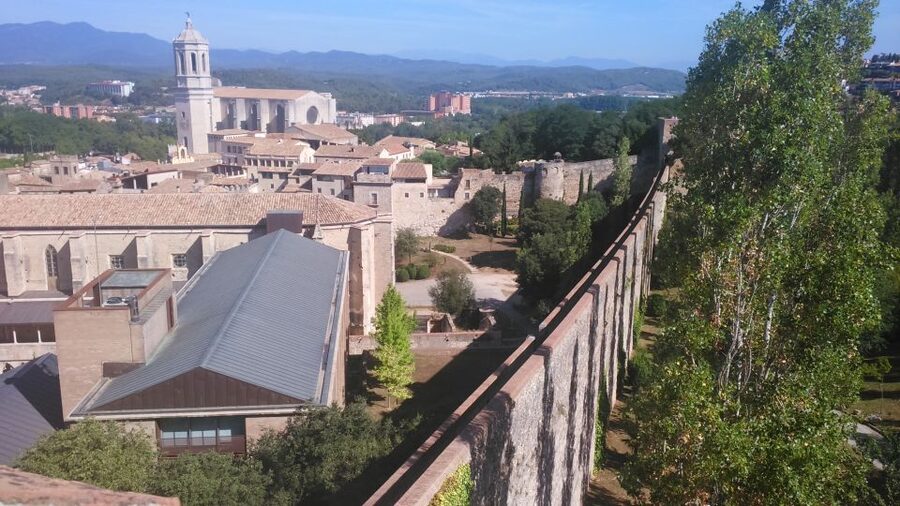
The walk along Girona’s old walls is one of the strongest parts of the experience. From the top, you get a different view of the city than from the lanes below. Rooftops, church towers, the cathedral, and the surrounding countryside come into clearer focus.
The walls also provide useful historical context. Girona was close to the French border and was attacked several times, so fortifications were not decorative. They were central to the city’s survival. As you walk, the guide can help you imagine the old city as a defended stronghold rather than only a film set or day-trip stop.
This section requires care. Girona has plenty of steps and slopes, and the wall route is not suitable for wheelchair users. Comfortable shoes are essential. I would avoid smooth fashion soles, loose sandals, or anything that makes descending uneven steps harder.
The views are a good reason to bring a camera, but do not rush through them. The wall walk is one of those places where the guide’s explanation and the physical setting work together. You see why the city grew where it did, and you understand its shape far better than you would from street level.
Girona Cathedral and its remarkable Gothic interior
The Cathedral of Girona dominates the old town. Its broad staircase and commanding position make it one of the city’s most memorable sights, even before you go inside.
The cathedral contains the widest unsupported Gothic nave in the world, a detail that helps explain its scale. The guide discusses the monument from the outside during the walking tour, so you should not expect the entrance fee or an interior visit to be included in the $35 price.
That arrangement is sensible for a general city walk. Some people want a quick introduction and prefer to spend their time elsewhere. Others will want to see the nave, chapels, and interior details. If you choose the second option, the guide can help you arrange a guided visit to the cathedral after the main tour finishes.
I like this flexibility. You are not forced into an entrance ticket you may not want, but you still get the historical setting before deciding. If the cathedral is high on your list, ask the guide at the end about the best way to continue.
The cathedral is also a good example of how the tour handles major sights. You receive the story, the architectural points, and the local legends, then decide how much extra time to spend inside.
A few more Spain trips worth a look
- Medieval Three Villages Small Group Day Trip from Barcelona
★ 5.0 · 994 reviews - Girona: Game of Thrones Small Group Tour
★ 4.9 · 816 reviews - Figueres: Dalí Theatre-Museum Entry Ticket
★ 4.7 · 802 reviews - Costa Brava – Kayaking and Snorkeling “Sea Caves” Tour
★ 5.0 · 567 reviews
Narrow lanes in the Jewish quarter
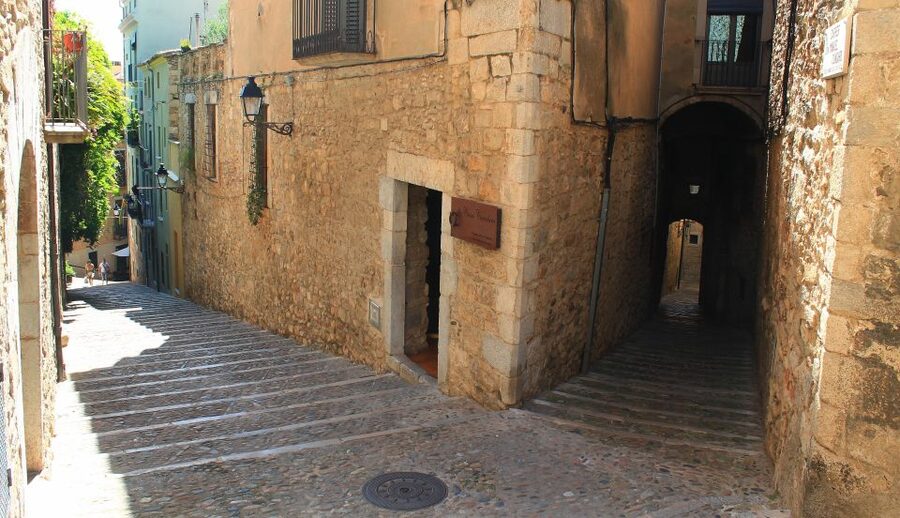
Girona’s Jewish quarter is the emotional center of the walk for many people. Its lanes are narrow, steep, and remarkably atmospheric. Stone walls, small openings, and twisting passages make this part of the city feel separate from the riverfront below.
The guide explains the Jewish heritage of Girona and places it within the city’s wider medieval story. That context is important. Without it, you may simply see attractive old streets. With it, you begin to understand how communities lived, worked, worshiped, and shared a dense urban center.
The quarter is also where a local guide’s storytelling can add real value. Several guides, including Anna, Ona, Mar, and Miguel, have been praised for connecting historical facts with legends, rumors, local customs, and everyday life in Girona. That approach keeps the walk human.
Do not expect a museum visit to be part of the standard route. The Museum of Jewish History is not included, and entrance fees are separate. If the subject interests you, the guide can help you arrange a visit after the walking tour. I would consider doing both, since the street walk gives you the physical setting and the museum can add more detail.
The quarter includes plenty of steps. Take your time, especially on the downhill sections, and leave room in your schedule for pauses.
The Onyar bridges and Eiffel’s 1877 crossing
Back near the river, the bridges show a different side of Girona. The lightweight Gómez bridge and the Ferreries Velles bridge offer clean views across the Onyar toward the painted houses.
The Ferreries Velles bridge was designed by Gustave Eiffel in 1877. It predates the Eiffel Tower and gives you a small but memorable link between Girona and nineteenth-century engineering. The bridge is light in appearance, a sharp contrast to the heavy stonework and defensive walls elsewhere in the city.
This is a good place to pause and look back at the façades. Girona’s riverfront image is often the photograph people remember, but the guide can explain how the riverfront relates to the old town behind it. You see the city’s medieval core from a more modern, open angle.
The bridges are also useful orientation points. If you return to Girona without a guide, the river provides an easy reference. Cross it, and you are moving between the old town and the lower part of the city.
Game of Thrones filming locations
If you follow Game of Thrones, the tour adds a modern layer to Girona’s old streets. The guide shows locations used during the sixth season, including parts of the medieval quarter and historic center.
The filming stops are best treated as an extra, not the main reason to book. Girona is much more than a television backdrop. Still, seeing how the lanes and buildings were used on screen can sharpen your attention. You may notice angles, stairways, and courtyards differently once the guide explains their connection to the series.
One useful detail from the guide team is that some guides have a personal link to the production. Mike, who grew up in Girona, has shared insider information about the filming, giving the television references a local angle rather than a generic screen-tour treatment.
If your group includes both fans and nonfans, the stops should still work. The guide can explain the filming without allowing it to take over the city’s older story. For serious fans, this is a nice bonus. For everyone else, it provides a few recognizable moments during a broader historical walk.
Guides who make the difference
The strongest reason to book this tour is the guide. Girona’s streets are easy enough to walk without help. The hard part is knowing what matters and why.
Pau has been praised for his humor, energy, and ability to leave time for questions. Ona brings local pride and a thoughtful approach to Girona’s history, culture, and political subjects. Quim is known for clear English and a good grasp of the city’s past. Miguel adds local anecdotes and restaurant suggestions, though one person found that he sometimes spoke quickly and needed to repeat details.
Dylan has received special praise for small stories attached to ordinary sights, along with useful food recommendations. Carolina and Anna have been described as lively storytellers who keep the pace comfortable. Mar has a calm style and gives people enough time to enjoy each stop.
Guide assignments can change, so you should not book solely to meet one named person. The pattern is more important: the guides tend to be local, well prepared, and comfortable answering questions. Several have grown up in Girona or studied history, classics, English, or related subjects.
That local connection matters. You get more than dates and building names. You hear legends, local customs, food advice, and personal observations about life in Girona and Catalonia.
Pace, group size, and physical effort
The advertised duration is 2.5 hours, while the guided itinerary may run closer to three hours depending on the day and the group. Set aside at least three hours so you are not checking your watch at the finish.
The pace is generally described as easygoing rather than rushed. Guides stop for questions and allow time at important sights. Small groups can make a real difference here. Some departures have had only three or four people, while another group had eight. The exact size is not guaranteed, but the format allows for a more personal experience than a large coach tour.
You will walk on slopes, stairs, and old stone streets. This is not a flat promenade. Comfortable shoes are the most important item to bring, and people with mobility impairments or wheelchair users should choose another way to see Girona.
The tour finishes at Plaça de la Independència. That is a practical ending point, since you can continue into the lower city, stop for food, or make your own way toward the station and other parts of Girona.
Is $35 a fair price?
At $35 per person, this tour offers good value if you want history and orientation in one sitting. The price includes a live local guide, but not entrance fees. You are paying for interpretation, route planning, and the chance to ask questions, not for admission to the cathedral or museums.
The value increases if you are visiting Girona for only a day. A guide can help you see the major areas without spending half your visit guessing which lane leads where. The route also brings together sights that feel disconnected when seen alone: the walls, cathedral, Jewish quarter, riverfront, bridges, and filming sites.
It is less useful if you prefer to move at your own pace or spend long periods inside one monument. The tour gives outside explanations, then lets you arrange optional visits afterward. That is flexible, but it means you must budget extra time and admission costs for the cathedral, Arab Baths, or Museum of Jewish History.
Free cancellation up to 24 hours before the tour and reserve-now, pay-later booking also make it easier to fit into a changing itinerary.
Who should book this Girona walk?
I would recommend it to first-time visitors, day-trippers from Barcelona, history fans, architecture lovers, and anyone who wants local food suggestions at the end of a tour. It also suits people who enjoy asking questions and learning through stories rather than reading every wall plaque.
Game of Thrones fans will appreciate the sixth-season locations, but you do not need to follow the series to enjoy the route. The old walls, cathedral, Jewish quarter, and river bridges carry the experience on their own.
I would not choose it for a wheelchair user, anyone who cannot manage repeated steps, or someone seeking a slow indoor museum tour. It is also not ideal if you want cathedral admission included.
My verdict: book it for your first Girona morning
Book this tour if you want Girona to make sense quickly. The combination of medieval streets, Jewish heritage, Roman roots, city walls, Eiffel’s bridge, and local stories gives you a strong first look at the city.
The main decision is physical, not financial. If you can handle hills and steps, $35 is a sensible price for a local introduction, especially when guides such as Ona, Quim, Pau, Miguel, Dylan, Carolina, and Anna bring warmth and humor to the history. Wear proper shoes, allow up to three hours, and keep time afterward for the cathedral or Jewish history museum if those subjects catch your interest.
FAQ
How long does the Girona walking tour last?
The activity is advertised as 2.5 hours. The guided itinerary is also described as lasting three hours, so allow roughly 2.5 to 3 hours.
How much does the tour cost?
The price is $35 per person.
What languages are available?
The live tour guide is available in Spanish and English.
Where does the tour meet?
Meet your guide beside the River Caffe. Two listed starting locations are Carrer d’En Jaume Pons Martí, 30Acc, and Carrer dels Calderers, 19.
Where does the tour finish?
The tour finishes at Plaça de la Independència in Girona.
Are entrance fees included?
No. Entrance fees are not included. The guide explains the main monuments from outside and can help you arrange a later visit to the Cathedral of Girona, the Arab Baths, or the Museum of Jewish History.
Is the tour suitable for wheelchair users?
No. Girona has many steps and slopes, and the activity is not suitable for wheelchair users or people with mobility impairments. Comfortable shoes are recommended.
Recently added around Spain
- Half-Day Luxury Catamaran Sailing Cruise in Granada★ 5.0 · 165 reviews
- Jeep Safari to Teide and Masca★ 4.5 · 165 reviews
- Madrid: Thyssen Museum Guided Tour with Skip-the-Line Entry★ 4.5 · 165 reviews
- Visit in Spanish to the Cathedral Mosque. Does not include entrance ticket★ 5.0 · 165 reviews
- Canyoning in Andalucia: Rio Verde Canyon★ 5.0 · 165 reviews
- Guided Tour to Caminito del Rey from Malaga★ 4.5 · 165 reviews
- VIP Private Segway Tour of Palma★ 5.0 · 165 reviews
- Las Palmas: Private Old City Guided Walking Tour with Tapas★ 4.6 · 166 reviews
Walking Tours, compared.
Barcelona Tapas and Wine Experience Small-Group Walking Tour
Read our review →
Tapas Walking Tour with Food, Wine, and History
Read our review →
Albaicín and Sacromonte Guided Sunset Walking Tour
Read our review →
Toledo Tour & Vineyard Walk with Wine Tasting from Madrid
Read our review →
Barcelona Tapas Walking Tour: Food, Wine & History
Read our review →
Madrid Old Town & Royal Palace Walking Tour Skip the Line Ticket
Read our review →
Browse the lists this tour appears in