
Review · FOOD & DRINK
Cazorla: Tour and Tasting at 1 of the Largest Oil Factories
Olive oil is the real gold of Jaén. This two to two-and-a-half-hour visit at Oleotour Cazorla gives you a clear look at how Andalusia grows, extracts, tests, and packages its most famous product. You visit an operating cooperative, its oil mill and museum, packaging plant, gardens, and tasting room.
I like the practical tree-to-bottle explanation, which turns a familiar kitchen ingredient into something you can understand and judge. I also like the small cultural touches, including the Cazorla International Blues Festival photocall and the garden of more than 60 native plant varieties. The main consideration is that the experience focuses on olive oil production, not on a broad tour of Cazorla itself.
In This Review
- Key points to know before you book
- Why this Cazorla visit is worth your time
- Starting at the Sierras de Cazorla olive-growing center
- Following the route from olive reception to bottle
- The museum and oil mill: where food becomes culture
- A garden with more than 60 native plant varieties
- The Cazorla Blues Festival photocall
- Learning to taste olive oil properly
- Laura’s guiding style and the value of a private group
- Who will enjoy this olive oil experience most?
- Timing, meeting point, and cancellation
- Is $24.20 a fair price?
- Should you book Oleotour Cazorla?
- FAQ
- Where does the Cazorla olive oil tour begin?
- Where does the activity finish?
- How long does the experience last?
- What language is the tour offered in?
- Is this a private tour?
- What will I see during the visit?
- Can I cancel for a refund?
Key points to know before you book
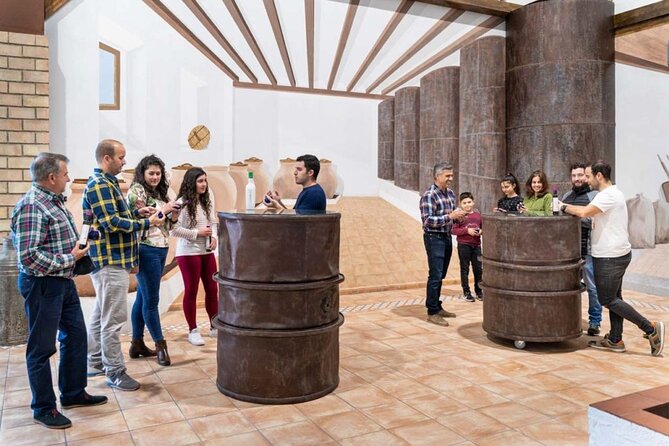
- A working cooperative rather than a simple shop: You see reception patios, the Designation of Origin building, packaging plant, museum, and oil mill.
- A tasting that teaches you what to notice: Smell, taste, and color are used to explain differences between oils.
- Laura makes the visit personal: Her detailed explanations and friendly manner are a major part of the experience.
- A private group activity: Only your group participates, which can make questions and conversation easier.
- A useful break from sightseeing: The visit takes about two to two-and-a-half hours and ends where it begins.
- Good value at $24.20 per person: The price includes admission and a guided look at several parts of the cooperative, not just a tasting.
Why this Cazorla visit is worth your time
Cazorla is known for its natural setting and its connection to olive growing. That makes this tour more than a food stop. It gives you a way to understand the local economy and daily culture through one product.
I especially like the fact that the experience takes place at a large oil cooperative. You are not simply shown a few bottles and given a sales pitch. The route includes working parts of the operation, along with exhibits that explain the product and its local importance.
The visit is also a good choice if you prefer an activity with a clear beginning and end. It lasts roughly two hours to two hours and 30 minutes, then returns to the original meeting point. You do not need to arrange a separate ride between several locations.
The price is $24.20 per person, which feels fair for the length and range of the visit. You receive a guided tour, access to the oil mill and museum, a look at the packaging plant and other facilities, and an olive oil tasting. Group discounts are available, so the value may improve if you are booking for several people.
One point to keep in mind: the tour is offered in English, but the guide’s exact language arrangements may matter to you if someone in your party is less comfortable with English. Also, the published outline gives one hour for the main stop, while the full activity is advertised at about two to two-and-a-half hours. That suggests additional time is used for the full visit and tasting.
More food and drink tours:
- Madrid: Live Flamenco Show with Food and Drinks Options
★ 4.5 · 9,901 reviews - Montserrat & Cogwheel Train, Gourmet Wine Tasting & Tapas/Lunch
★ 5.0 · 6,290 reviews - Ibiza Beach Hopping Cruise with Paddleboards, Drinks and Food 6h
★ 5.0 · 5,588 reviews
Starting at the Sierras de Cazorla olive-growing center

The visit begins at Oleotour Cazorla, located at the Aceites Cazorla cooperative on the road from Peal de Becerro to Cazorla. The address is CTRA DE PEAL DE BECERRO A CAZORLA KM 10, 5, 23470 Cazorla, Jaén.
This location matters because the tour is tied to an actual olive oil operation. You are visiting the cooperative’s own grounds rather than a detached museum built only for tourism. The facilities give the guide a useful setting for explaining how olives move through the production process.
The first part introduces the culture of the olive tree. That phrase can sound broad, but here it refers to the way olive growing connects with local history, agriculture, food, and identity. The guide explains part of the area’s past and the place olive oil holds in everyday life.
I like this opening because it prevents the tasting from feeling like a technical exercise. You first learn why the product matters, then you look at how it is made. That order helps you understand why small differences in oil can matter to local producers and cooks.
Following the route from olive reception to bottle
The tour includes the reception patios, where olives arrive before processing. Even without operating details being specified, the purpose of this area is easy to grasp: it is the point where the crop enters the cooperative and begins its journey toward finished oil.
From there, the visit includes the Designation of Origin building. This is an important stop for anyone who buys olive oil but has never thought about quality controls or regional identity. The building connects the product to its protected local name and gives the tour a wider food context.
You also visit the packaging plant. This is one of the more useful parts of the experience because it shows that production does not stop once oil has been extracted. Bottling, presentation, and getting the product ready for sale are part of the story too.
The route then continues through the museum and oil mill. The combined setting should help you compare past and present methods. The museum gives cultural background, while the mill connects that background to the equipment and process used to produce oil.
The supplied information does not promise that every piece of machinery will be running during your visit, so I would not book this expecting a full industrial demonstration. Instead, think of it as a guided explanation of the facilities and the product’s journey. That approach suits people who want context and clear information more than people looking for a highly theatrical attraction.
The museum and oil mill: where food becomes culture
The museum and oil mill give the visit its strongest sense of place. Olive oil is not only a condiment in this part of Spain. It is tied to work, family meals, farming, and local pride.
A good guide can make this section click by connecting equipment and production stages to ordinary use. Laura, the guide named in the tour material, receives repeated praise for explaining cultivation, extraction, and production in detail. Her style also includes anecdotes, which can make the technical parts easier to follow.
I would pay attention here to the vocabulary used during the tour. You are likely to hear distinctions between growing the olives, extracting oil, preparing it for sale, and tasting the finished product. Those stages are often blurred together when people shop for olive oil, so the explanation can help you make better choices later.
The museum also adds a sense of time. Instead of viewing the cooperative as only a modern factory, you see how olive oil fits into a longer local story. That is useful if you are visiting Cazorla for its rural culture as well as its scenery.
A completely different kind of day out in Spain:
- Barcelona: Sagrada Familia Entry Ticket with Audio Guide
★ 4.6 · 105,312 reviews - Barcelona: Park Güell Admission Ticket
★ 4.4 · 76,534 reviews - Seville: Royal Alcázar Entry Ticket
★ 4.6 · 28,378 reviews - Barcelona: Casa Batlló Entry with Self-Audioguide Tour
★ 4.7 · 25,359 reviews
A garden with more than 60 native plant varieties
The cooperative grounds include gardens with more than 60 varieties of native plants. This is a pleasant change of pace from the machinery and processing areas, and it adds a local nature element to an otherwise food-focused visit.
The garden can help place olive growing within the wider plant life of the area. It also gives you a calmer part of the route, especially if you enjoy seeing how a destination presents its own regional plants.
Do not expect this to replace a full visit to the Sierras de Cazorla natural area. The garden is one feature of the cooperative, not a hiking excursion or a nature tour. Still, it gives the experience more variety and makes the stop feel like a small cultural center rather than a factory visit alone.
The garden is also a useful detail for families. Children may have more patience for a visit that moves between outdoor spaces, displays, and tasting rather than staying indoors the whole time. The available information says most people can participate, but it does not provide a detailed route description or specific mobility information.
The Cazorla Blues Festival photocall
One unexpected feature is a photocall made in honor of the Cazorla International Blues Festival. It adds a local arts connection to the olive oil visit.
This is not the main reason to book the tour, but it gives the grounds a bit of personality. Cazorla’s identity is not limited to farming and natural scenery. The festival is part of its cultural life, and the photocall makes that visible in a simple, memorable way.
If you like taking a few photos during a tour, this is an easy stop. It also breaks up the more serious parts of the visit and gives you a visual reminder of Cazorla beyond the olive grove.
Learning to taste olive oil properly

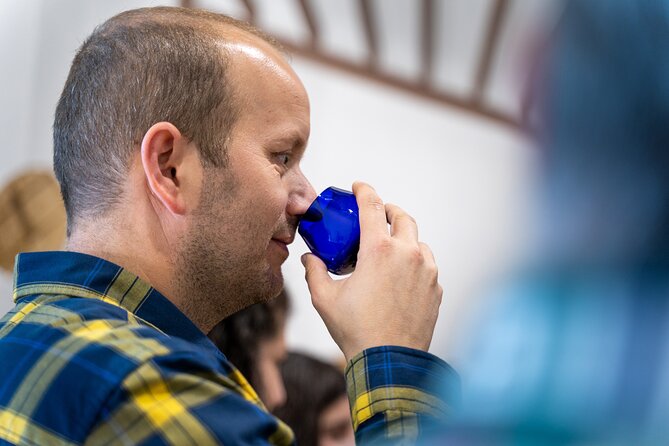
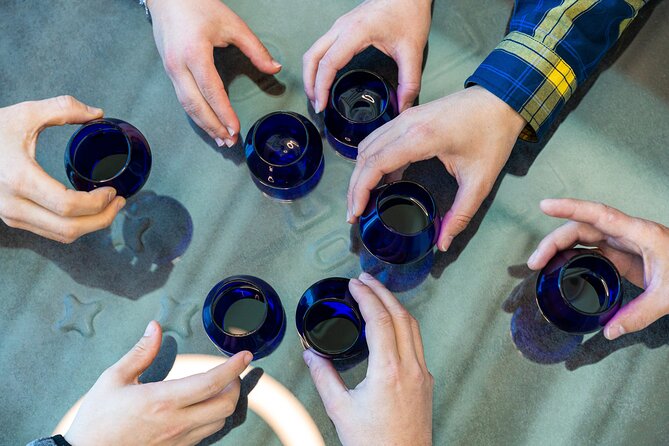
The tasting is the part many people will remember most. It is not presented as a quick sip followed by a sales opportunity. The guide explains how to compare oils by smell, taste, and color.
That structure is valuable because most people judge olive oil mainly by price, label design, or color. The tasting encourages you to slow down and notice what is in the glass. You may leave with a better sense of how different oils can vary, even when they all come from olives.
Color is included as one point of comparison, but the experience also emphasizes aroma and flavor. That is a helpful lesson because color alone does not tell you everything about quality. The tasting gives you a simple set of tools you can use when trying olive oils at home.
Laura’s role appears especially important here. She is described as taking her time, explaining the subject in detail, and making the tasting enjoyable. Her friendly manner matters because tasting can feel intimidating when you do not know the right words. A relaxed guide makes it easier to ask basic questions.
You should expect an educational tasting rather than a full meal. The information provided does not mention bread, food pairings, a meal, or a set number of oils. If you want lunch or a larger food experience, plan that separately.
Laura’s guiding style and the value of a private group
The guide can make or break a factory tour. In this case, Laura receives strong praise for her clear explanations, anecdotes, warmth, and patience.
She covers the full chain, from olive cultivation through extraction and production. That broad coverage is important because it gives you a complete picture rather than one narrow demonstration. Her detailed style should suit anyone who likes asking questions or wants to understand how the product is made.
The activity is private, meaning only your group participates. That can be a real advantage. You can ask about something you did not understand without speaking over a large crowd, and the guide can adjust the pace to your group.
The tradeoff is that a private format may not feel as lively as a large public tour. If you enjoy meeting strangers or prefer a busy group atmosphere, this may feel quieter. For most people interested in food and local culture, though, the ability to focus on your own questions is a plus.
Who will enjoy this olive oil experience most?
I would recommend the tour to several kinds of people:
- Food-focused visitors who want to understand a key Andalusian ingredient.
- Couples and small groups who prefer a private activity with room for questions.
- Families looking for an educational stop that includes indoor and outdoor areas.
- Cultural sightseers who want more than monuments and scenic views.
- Cooks and food shoppers who want a better grasp of olive oil aromas and flavors.
- Visitors staying near Cazorla who can reach the cooperative without needing a full-day excursion.
It may be less suitable if you want a long nature walk, a meal, or a broad tour of the town and surrounding mountains. The focus is narrow by design: olive trees, production, local culture, and tasting.
Timing, meeting point, and cancellation
You meet and finish at Oleotour Cazorla, at the Aceites Cazorla cooperative. Since the activity ends at the same place, you do not need to work out a second pickup location afterward.
The experience is usually booked about 20 days ahead. That does not guarantee that you must reserve exactly that far in advance, but it is a useful sign that planning ahead may be wise, especially if your schedule in Cazorla is tight.
Confirmation is provided when you book. Mobile tickets are supported, and service animals are allowed. The information also states that most people can participate, though detailed accessibility notes are not provided.
You can cancel for a full refund if you do so at least 24 hours before the start time. Changes or cancellations made within 24 hours are not accepted for a refund. The activity also requires a minimum number of participants. If that minimum is not reached and the experience is canceled, you are offered another date or experience, or a full refund.
Is $24.20 a fair price?
At $24.20 per person, I consider this a good value if you are interested in local food production. You are paying for more than a short sample of oil. The experience includes a guided visit to several cooperative facilities, the museum and oil mill, the gardens, cultural displays, and a tasting.
The value is strongest for people who would otherwise have little chance to see how olive oil is made. It also saves you from having to piece together information from labels, shops, and general sightseeing.
The price is less attractive if you are only looking for a quick tasting. Since the tour lasts up to two and a half hours, you should be ready to give the subject some time. That is not a flaw, but it is worth matching the experience to your interests.
Should you book Oleotour Cazorla?
Book this tour if you want a clear, local, and hands-on introduction to olive oil near Cazorla. The cooperative setting, full production route, museum, plant garden, and tasting give the visit more substance than a simple stop at an oil shop.
I would especially choose it if Laura is guiding your visit, since her detailed explanations and friendly approach are central to the experience. The private format is another strong point for people who value a relaxed pace.
Skip it if your priority is hiking, a restaurant meal, or a general tour of Cazorla. But if you want to understand why olive oil matters so much in Jaén, $24.20 buys a useful and enjoyable lesson in one of Andalusia’s defining foods.
FAQ
Where does the Cazorla olive oil tour begin?
The tour begins at Oleotour Cazorla, at the Aceites Cazorla cooperative, located at CTRA DE PEAL DE BECERRO A CAZORLA KM 10, 5, 23470 Cazorla, Jaén, Spain.
Where does the activity finish?
The activity ends back at the same meeting point at Oleotour Cazorla.
How long does the experience last?
The full experience lasts approximately two to two and a half hours. The main cooperative visit is listed as lasting one hour.
What language is the tour offered in?
The tour is offered in English.
Is this a private tour?
Yes. Only your group participates in the private activity.
What will I see during the visit?
You visit parts of the cooperative facilities, including the reception patios, Designation of Origin building, packaging plant, museum and oil mill, gardens with more than 60 native plant varieties, and a photocall honoring the Cazorla International Blues Festival.
Can I cancel for a refund?
Yes. You can receive a full refund if you cancel at least 24 hours before the experience starts. Cancellations or changes made less than 24 hours before the start time are not refunded or accepted.
Recently added around Spain
- Half-Day Luxury Catamaran Sailing Cruise in Granada★ 5.0 · 165 reviews
- Jeep Safari to Teide and Masca★ 4.5 · 165 reviews
- Madrid: Thyssen Museum Guided Tour with Skip-the-Line Entry★ 4.5 · 165 reviews
- Visit in Spanish to the Cathedral Mosque. Does not include entrance ticket★ 5.0 · 165 reviews
- Canyoning in Andalucia: Rio Verde Canyon★ 5.0 · 165 reviews
- Guided Tour to Caminito del Rey from Malaga★ 4.5 · 165 reviews
- VIP Private Segway Tour of Palma★ 5.0 · 165 reviews
- Las Palmas: Private Old City Guided Walking Tour with Tapas★ 4.6 · 166 reviews
Food & Drink, compared.

Live Flamenco Show with Food and Drinks Options
Read our review →
Montserrat & Cogwheel Train, Gourmet Wine Tasting & Tapas/Lunch
Read our review →
Ibiza Beach Hopping Cruise with Paddleboards, Drinks and Food 6h
Read our review →
Tapas Walking Tour with Food, Wine, and History
Read our review →
Sevilla Food Tour: Tapas, Wine, History & Traditions
Read our review →
Toledo Tour & Vineyard Walk with Wine Tasting from Madrid
Read our review →

Barcelona Tapas Walking Tour: Food, Wine & History
Read our review →Browse the lists this tour appears in