
Review · MUSEUMS
Alicante: Bullring and Bullfighting Museum Entry Ticket
Look beyond the red sand. Alicante’s bullring offers a close look at Spanish bullfighting culture, from the prayer chapel to the old bull pens, without requiring you to attend a live event. I like the striking late 19th-century building, and I especially like the chance to step into the ring and see Alicante Castle from the seating area. The main drawback is that concerts and other events can partially block the arena.
This is a self-guided visit, so you set the pace and choose how long to linger over the suits, paintings, and videos. At $14, it is a fair-value stop for curious adults and older children, though you should expect stairs in parts of the building and a quiet museum visit rather than a live performance.
In This Review
- Key points to know before you go
- Entering Alicante’s late 19th-century bullring
- Standing in the ring and looking toward the castle
- The chapel, bull pens, and infirmary
- Using the audio guide at your own pace
- Art, suits, videos, and Alicante’s matadors
- What $14 means in practical value
- Timing, crowds, and possible event disruption
- Access, stairs, and the self-guided format
- Who will enjoy this Alicante stop?
- Should you book the Alicante bullring visit?
- FAQ
- How long does the Alicante bullring and museum visit last?
- What languages are available for the audio guide?
- Is a live guide included?
- What are the opening hours?
- Where do I enter?
- Does the ticket include access to the ring?
- Is the experience wheelchair accessible?
Key points to know before you go
- The visit lasts about one hour, making it easy to fit between Alicante’s castle, old town, and waterfront.
- You enter the actual bullring, including areas linked to the bullfighters, the chapel, bull pens, and infirmary.
- The audio guide is available in six languages: Spanish, English, French, Italian, German, and Polish.
- The museum displays matador suits, artwork, videos, and local names such as Vicente Blau, José María Manzanares, Francisco Antón, and Luis Francisco Esplá.
- The ring is also used for concerts, tennis, and an ice rink, so a temporary event setup may affect what you can see.
- Opening hours are Monday through Saturday, 10:00 AM to 4:00 PM, with entry through the bullring’s main door.
Entering Alicante’s late 19th-century bullring
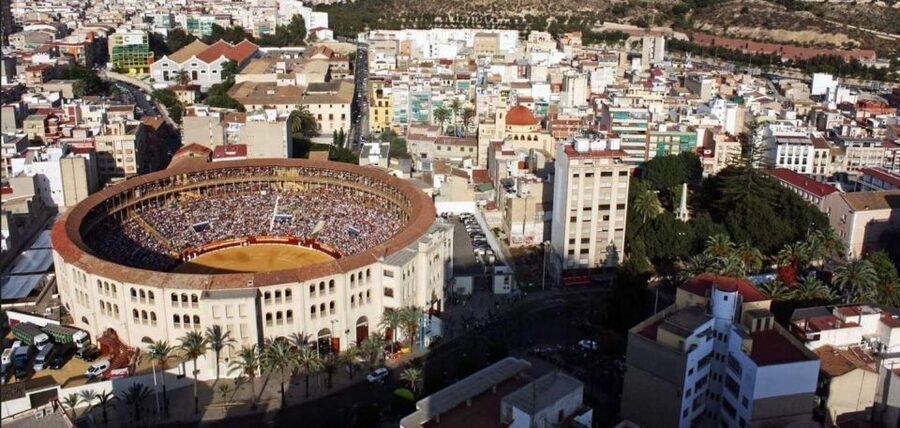
You begin at the main entrance of the bullring. The building itself is part of the experience. Its formal stone exterior and large seating bowl give you a sense of how much public life once gathered around bullfighting in Alicante.
The visit is not simply a museum room with old photographs. You walk through parts of the arena and its working spaces, then use the audio guide to understand how each area fitted into a bullfight. That physical route matters. It helps you picture the building as an operating venue rather than a static monument.
Alicante’s bullfighting tradition is presented as dating back to 1700. You hear about local festivals, the development of the sport, and the people who shaped it in the city. The focus stays on Alicante, which gives the visit a useful local angle instead of treating bullfighting as one large, generic Spanish subject.
The one-hour duration is about right for most people. I would not plan this as a full morning attraction. It works better as a focused cultural stop before lunch or between other central Alicante sights.
More museums:
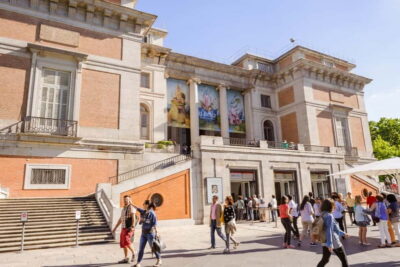
- Madrid: Prado Museum Entry Ticket
★ 4.6 · 17,509 reviews - Barcelona: FC Barcelona Museum “Barça Immersive Tour” Ticket
★ 4.4 · 10,944 reviews - Madrid: Reina Sofía Museum Entrance Ticket
★ 4.5 · 6,889 reviews
Standing in the ring and looking toward the castle
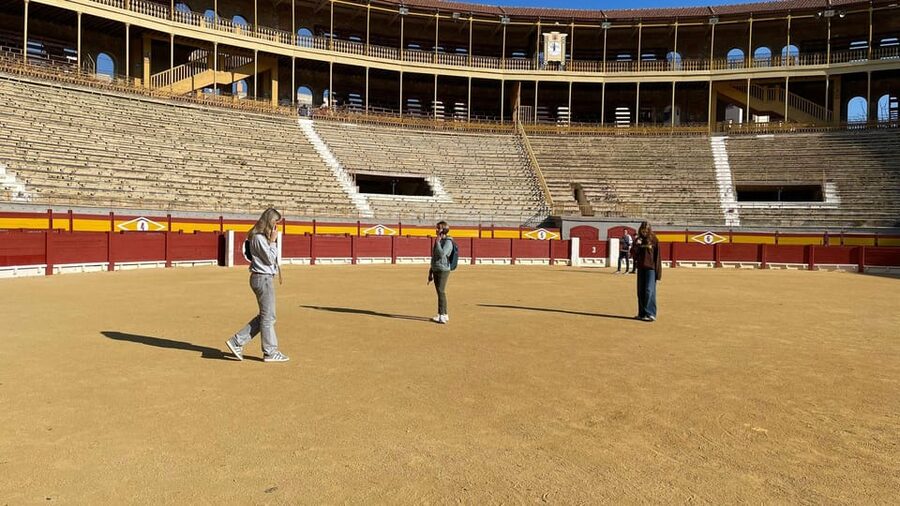
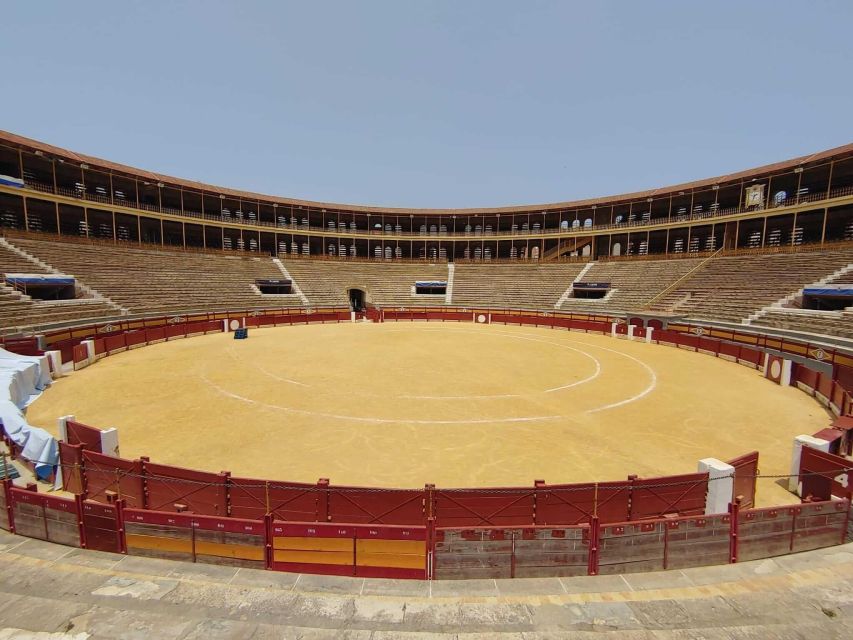
The strongest part of the visit is stepping into the ring. From the arena floor, the curved seating rises around you, and the scale of the space becomes clearer than it is from the entrance.
You can stand where a bullfighter would have stood and look up at the rows of seats. That moment may be uncomfortable for some people because bullfighting involves animal harm, but the visit does not require you to approve of the practice. It gives you a chance to study an important and controversial part of Spanish culture in its historical setting.
From the seating area, you also get views across Alicante and toward the castle. These views add something beyond the museum displays. If you enjoy architecture, photography, or city panoramas, allow a little extra time here rather than rushing through the audio stops.
The arena may not always appear exactly as it did during a traditional bullfight. A concert stage, an Oktoberfest setup, or another temporary event can occupy part of the floor. One visit had a concert scheduled, and another took place while an Oktoberfest event was being prepared. Staff worked around the changes, but these setups can reduce your view of the ring.
For that reason, I would ask at the entrance whether the arena is being prepared for an event. If you have flexible plans, visiting when the ring is quiet should give you the clearest look and better photo opportunities.
The chapel, bull pens, and infirmary
The audio route takes you into areas that are easy to miss if you only look at the main arena. The chapel is one of the more affecting stops. This is where Alicante bullfighters pray before a bullfight, adding a personal and religious layer to the public spectacle.
You also see the bull pens and the infirmary. These spaces explain the practical side of the building. They show how the bullring was organized behind the scenes, where animals were held and where injuries were treated.
I like this part of the visit because it moves beyond costumes and ceremony. You begin to see the bullring as a working building with separate routes, rooms, and duties. The experience becomes more grounded and less like a display designed only for photographs.
The chapel may appeal even if bullfighting itself does not. It helps explain the emotions and rituals surrounding the event, while the bull pens and infirmary provide a more direct sense of what took place before and during a fight.
Using the audio guide at your own pace
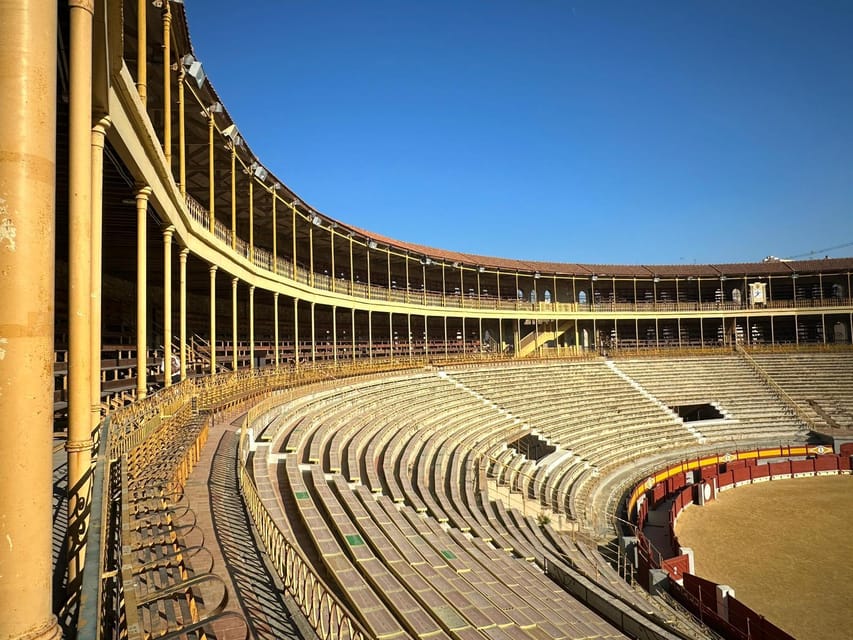
There is no live guide leading a group through the building. Instead, you use an audio guide and an information leaflet. That format suits people who like to pause, take photographs, or move quickly through sections that interest them less.
The guide is offered in Spanish, English, French, Italian, German, and Polish. Having several language choices makes the visit easier for international visitors, and the narration provides the basic context needed to understand the displays.
A self-guided tour also means you need to pay attention to the route. You are not relying on a guide to gather everyone at each stop or explain where to go next. Take a moment at the start to get your bearings, then move through the arena, working areas, chapel, and museum in your own order if the layout permits.
The audio format is especially useful for first-time visitors who know little about bullfighting. You do not need prior knowledge of matadors, festivals, or Spanish customs. At the same time, anyone wanting a long, detailed lecture from a specialist may find the visit too brief and too independent.
A few more Spain trips worth a look
- From Alicante: Roundtrip to Tabarca Island
★ 4.3 · 3,992 reviews - Alicante: Secret Flavors Food Tour
★ 4.8 · 1,514 reviews - Alicante: 2-Hour Late Afternoon Catamaran Cruise
★ 4.5 · 1,265 reviews - From Alicante: Guadalest, Altea & ticket in Algar Waterfalls
★ 4.7 · 1,027 reviews
Art, suits, videos, and Alicante’s matadors
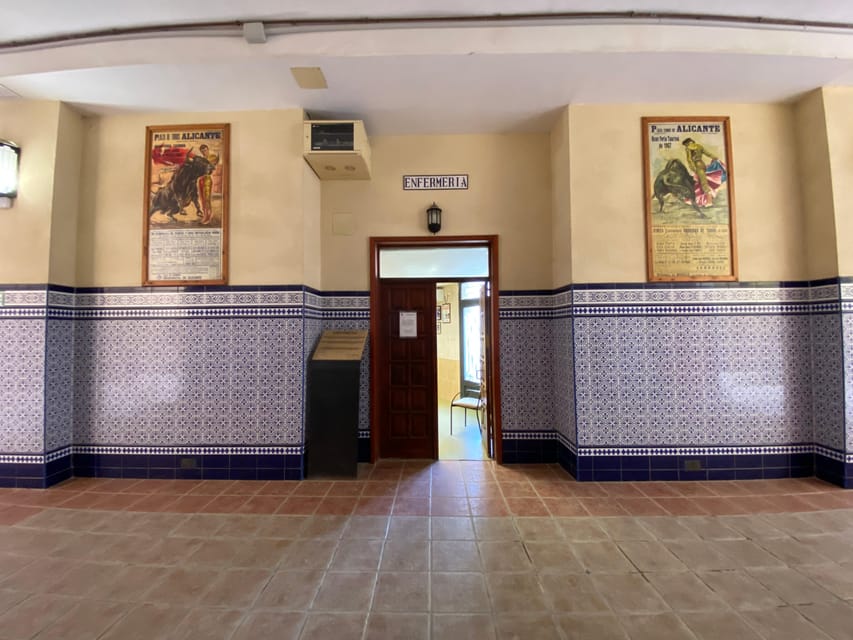
The museum section gives the tour its wider cultural context. You see artwork connected with bullfighting, videos about the tradition, and bullfighter suits. These objects make the subject more tangible than a series of dates and names.
The clothing is particularly effective because it shows the visual side of the profession. Bullfighter suits are highly distinctive, and seeing them in the museum helps you understand how much ceremony and presentation are built into the event.
The museum also highlights matadors connected with Alicante, including Vicente Blau, José María Manzanares, Francisco Antón, and Luis Francisco Esplá. Local names make the subject more personal. You are not only hearing about famous figures from elsewhere in Spain, but also about people linked to the city and its bullring.
The videos give you another way to understand the atmosphere of bullfighting culture. They can be useful if you want to see how the event works without attending a live bullfight. For some visitors, this is the best compromise: you gain historical and visual context without buying a ticket to an active fight.
What $14 means in practical value
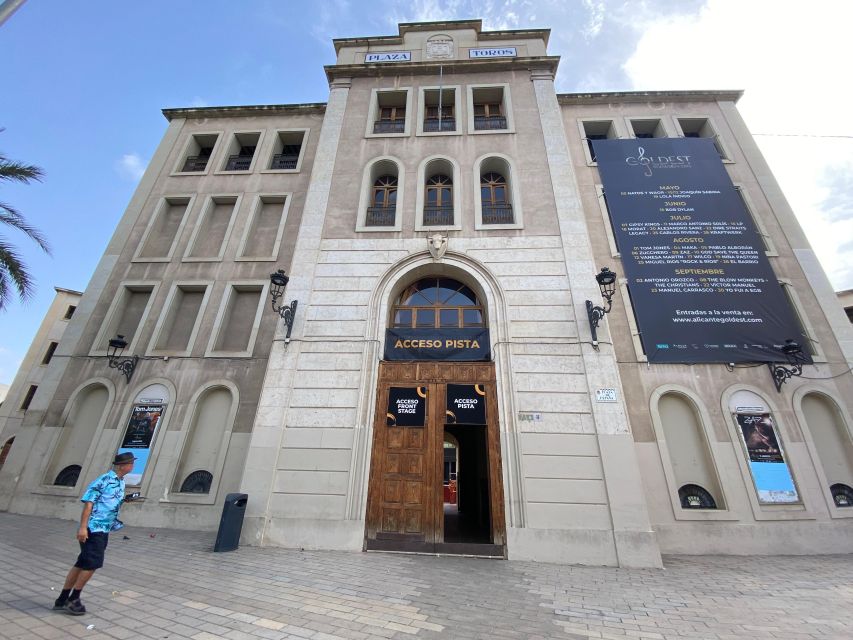
At $14 per person, this is reasonably priced for a central Alicante attraction lasting about an hour. The ticket covers entry to both the bullring and museum, along with the audio guide and information leaflet.
I see the value in the combination. You are not paying only to look at an arena from one viewpoint. You also get access to the chapel, bull pens, infirmary, museum objects, local history, and videos.
The value is strongest if you enjoy architecture or want a cultural stop that does not depend on good weather. The bullring gives you a different view of Alicante from the usual castle, beach, and old-town route. It also requires less time than a large palace or art museum.
The price may feel less worthwhile if you expect a live bullfight, a personal guide, or an elaborate performance. None of those is included. This is an educational visit to a historic venue, not an event ticket.
The reserve-now-and-pay-later option can help if your schedule is still changing, and cancellation is allowed up to 24 hours before the visit for a full refund. Those terms are useful when you are arranging several Alicante activities, but the real decision comes down to your interest in the subject and the condition of the arena on your chosen day.
Timing, crowds, and possible event disruption
The bullring and museum are open Monday through Saturday from 10:00 AM to 4:00 PM. Since the attraction closes in the afternoon, do not leave it until evening.
A quiet visit can improve the experience. With fewer people around, you can listen to the audio guide without feeling rushed, take photographs from the seating area, and spend time in the museum displays.
One useful tip is to visit when the arena is not being prepared for a concert or special event. The bullring is also used for concerts, tennis, and an ice rink, so its modern uses can change the appearance of the historic space.
This dual role is both a strength and a limitation. It keeps the building active and relevant, but temporary equipment may cover sections of the floor or interrupt the original feel. If seeing the full ring is your main reason for booking, check the day’s schedule before you go.
Access, stairs, and the self-guided format
The activity is listed as wheelchair accessible. At the same time, one visitor specifically noted that there are quite a few stairs, and suggested that the route may be difficult for some elderly or disabled people.
That information deserves careful attention. Accessibility can vary by route and by the specific section you want to visit, so ask the entrance staff what areas are available without stairs. The host or greeter can communicate in Spanish or English.
For everyone else, comfortable shoes are sensible because you will move through several parts of the building rather than remain in one gallery. The audio guide lets you stop when needed, which makes the pace manageable.
Families with older children may find the visit useful because the arena provides a clear physical setting for the stories. Younger children who need a more active attraction may lose interest during the museum portion, especially since the tour lasts about an hour and has no live performance.
Who will enjoy this Alicante stop?
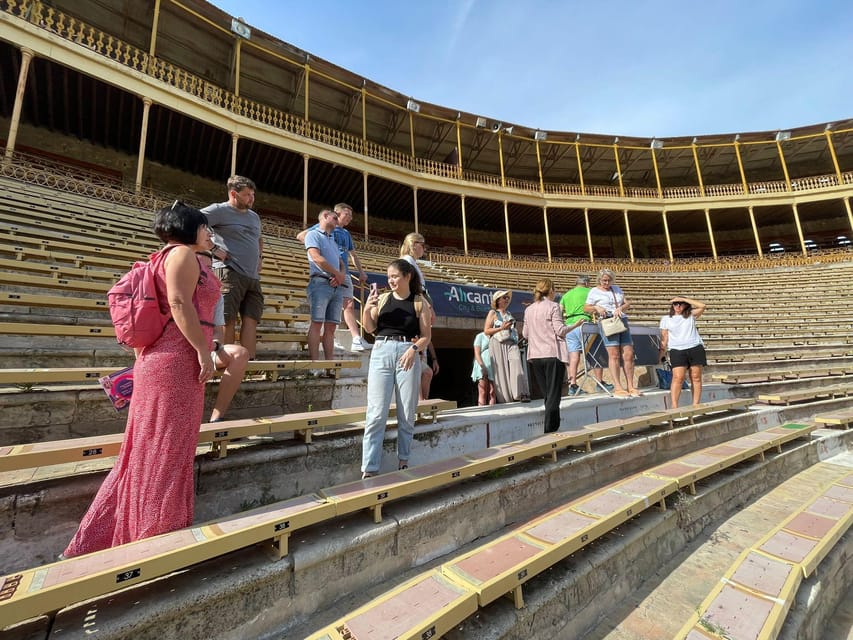
I would recommend this visit to anyone interested in Spanish customs, historic buildings, local personalities, or the practical workings of a bullring. It also suits people who want to learn about bullfighting without attending a live fight.
Photographers should enjoy the curved architecture, arena views, chapel, and sightline toward the castle. History-minded visitors will get more from the displays and audio narration, especially if they take time with the local matador section.
It is less suitable if you want a guided conversation or a major museum with many rooms. The visit is short and independent. You will need to read, listen, and make your own way through the building.
I would also advise caution if your interest is only in seeing an untouched arena. Because the venue hosts concerts and other activities, the floor may contain staging or temporary structures. Ask before entering, particularly if you have limited time in Alicante.
Should you book the Alicante bullring visit?
Book it if you want a short, affordable cultural experience with real access to a historic building. The strongest reasons are the chance to enter the ring, see the chapel and working areas, learn about Alicante’s matadors, and enjoy views toward the castle.
I would choose a morning visit during the Monday to Saturday opening window, preferably on a day without a concert or special setup. At $14, the ticket offers good value for a one-hour stop, especially when you use the audio guide and take time beyond the central arena.
Skip it if you are looking for a live bullfight, a personal guide, or a large-scale attraction that fills several hours. For everyone else, this is a thoughtful way to examine a controversial Spanish tradition through architecture, objects, local stories, and the building where the events took place.
FAQ
How long does the Alicante bullring and museum visit last?
The stated duration is one hour. Because the tour is self-guided, you can move at your own pace within that visit.
What languages are available for the audio guide?
The audio guide is available in Spanish, English, French, Italian, German, and Polish.
Is a live guide included?
No. The ticket includes an audio guide and an information leaflet, but there is no live guide.
What are the opening hours?
The bullring and museum are open Monday through Saturday from 10:00 AM to 4:00 PM.
Where do I enter?
Go to the main entrance door of the bullring.
Does the ticket include access to the ring?
Yes. The visit includes entry to the bullring, and you can step into the arena and view areas including the chapel, bull pens, and infirmary.
Is the experience wheelchair accessible?
The activity is listed as wheelchair accessible. However, quite a few stairs were noted along the route, so ask the entrance staff about access to individual areas if this is important for your visit.
Recently added around Alicante
- Alicante and Santa Pola: Tandem Paragliding Flight★ 4.9 · 184 reviews
- Alicante: Canelobre Caves & Busot Tour with Local Guide★ 4.9 · 191 reviews
- Torrevieja: Costa Blanca Catamaran Cruise★ 4.7 · 225 reviews
- Alicante : E-Bike Coast Tour, Roman Fish Farm and Snorkeling★ 4.8 · 250 reviews
- Alicante: Countryside Wine Tour with 4 Tastings★ 4.8 · 301 reviews
- Alicante: Boat Trip and Parasailing Experience with Drink★ 4.6 · 310 reviews
- Guadalest & Algar Falls Excursion – From Albir, Benidorm & Calpe★ 4.5 · 380 reviews
- Alicante: Canelobre Caves & Busot Tour including transfer★ 4.9 · 404 reviews
Museums, compared.
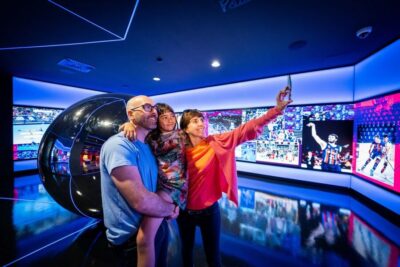
FC Barcelona Museum “Barça Immersive Tour” Ticket
Read our review →
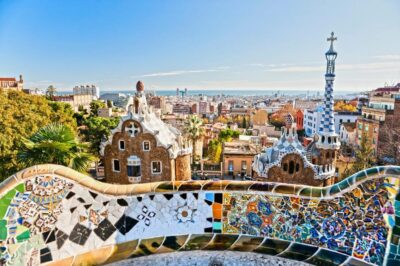
Park Güell and Gaudí House Museum Entry Ticket
Read our review →
Puro Flamenco Show with Optional Museum Ticket
Read our review →
Girona & Dali Museum Small Group Tour with Pick-up from Barcelona
Read our review →
Oceanogràfic, Hemisfèric & Science Museum Combo
Read our review →Browse the lists this tour appears in